RevivaGlow Review: Can a 500 mg Proprietary Blend With Hidden L-Dopa and Alpha-GPC Justify $69 a Bottle for Younger-Looking Skin? (2026)
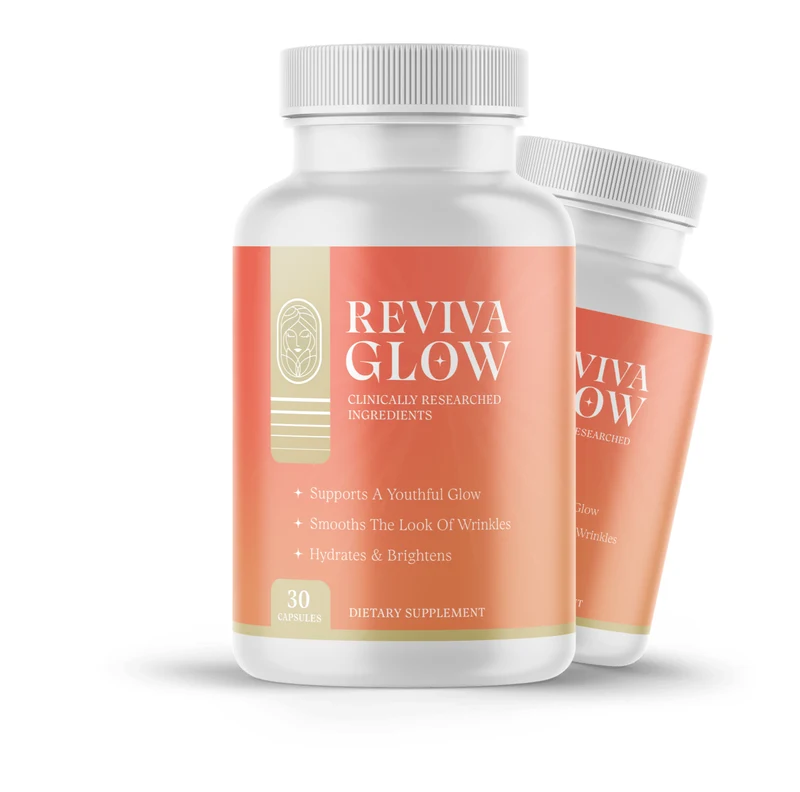
RevivaGlow is a one-capsule-a-day skin supplement sold direct through DigiStore24 checkout at $69 for one bottle, $59 per bottle for three, and $49 per bottle for six, with a 60-day money-back guarantee counted from delivery. The Supplement Facts panel lists three vitamins at ordinary daily-value amounts (400 mcg of L-5-methyltetrahydrofolate, 2.4 mcg of methylcobalamin, 30 mcg of biotin) and a single 500 mg proprietary blend of seven botanicals: Angelica gigas root powder, diindolylmethane (DIM), sarsaparilla (Smilax china) root extract, Mucuna pruriens seed extract standardized to 15% L-dopa, Alpha-GPC, avian eggshell membrane collagen powder, and Sophora japonica fruit extract standardized to 98% genistein. We read the vendor's text and video presentations, the label, the refund and shipping policies, and the references page, then checked the ingredient story against PubMed. The video pitch is a 'pregnancy glow hack', which is the folate. The two ingredients with real human skin trials, eggshell membrane and genistein, sit sixth and seventh in a blend that must be listed by weight, so neither can be anywhere near the doses that worked. Meanwhile the blend carries a source of L-dopa, a drug precursor with real interactions, and Alpha-GPC, a choline compound linked to higher stroke risk in a 12-million-person cohort, neither of which has any skin data.

Elena Santos
Skin & Nail Health Writer
Last updated: September 6, 2026
Disclosure: This review contains affiliate links. If you purchase through our links, we may earn a commission at no extra cost to you. Read our affiliate disclosure and editorial policy.
Skin & Nail Health Writer
Elena covers skin, nail, and foot health with a focus on practical solutions for conditions like fungal infections and everyday dermatological concerns.
At a glance
Best for
- Healthy adults 35-60 with early fine lines who want a once-daily capsule alongside, not instead of, sunscreen and a retinoid
- Women past menopause who are curious about the genistein and isoflavone skin data and cannot use soy foods
- People who tried a collagen powder, found it worked a little, and want to test whether the eggshell membrane route does the same in one capsule
- Anyone who has already had a dermatologist confirm that what they are seeing is ordinary photoaging and not melasma, rosacea, or a medical cause of skin change
- Buyers who can commit to the 3- or 6-bottle order so the refund window is not the limiting factor
Not for
- Anyone taking an MAOI antidepressant, a Parkinson's medication, an antipsychotic, or methyldopa: the Mucuna pruriens is a standardized L-dopa source and the amount is not disclosed
- Anyone with a history of stroke, TIA, atrial fibrillation, or strong cardiovascular risk factors, given the Alpha-GPC stroke association
- Women on tamoxifen or other hormone-modulating therapy: DIM reduced tamoxifen metabolite levels in a randomized trial, and genistein is a phytoestrogen
- People who want to know how much of each botanical they are taking; the 500 mg blend discloses no per-ingredient amount
- Anyone with an egg allergy (avian eggshell membrane), vegetarians and vegans (gelatin capsule), or anyone pregnant or nursing, per the label
- Anyone expecting the 'pregnancy glow hack' framing to mean the capsule reproduces pregnancy physiology; it means it contains 400 mcg of folate
RevivaGlow price & where to buy
- Price: from $49 per bottle (single bottle $69) · Save up to $300 on 6 bottles
- Guarantee: 60-day money-back guarantee
- Where to buy: only on the official RevivaGlow website — not sold in stores, on Amazon or Walmart.
RevivaGlow still worth it in 2026?
Two well-studied skin ingredients at doses that cannot match their trials, packed with two drug-like compounds that have no business in a beauty capsule: a low-priority trial for healthy adults, and a skip for anyone on medication
"My cheeks feel a bit plumper after two months, which is about what the collagen powder I stopped taking did. I cannot tell you which ingredient is responsible."
"I read the label after ordering and saw L-dopa and Alpha-GPC. My pharmacist told me to stop because of my blood pressure and my mother's stroke. I had no idea a 'glow' pill had those in it."
"The website talks about pregnancy glow. The bottle is a prenatal vitamin with a 500 mg herbal blend bolted on. I wish they had just sold the eggshell membrane at a real dose."
- Eggshell membrane and genistein each have small placebo-controlled human trials showing measurable wrinkle and elasticity changes, which is more than most skin supplements can say; the trials used 300-450 mg of eggshell membrane and 40 mg of isoflavone aglycone per day.
- Proprietary-blend ingredients must be listed by weight. Eggshell membrane is sixth of seven and Sophora japonica is seventh, which caps them at roughly 83 mg and 71 mg even in the most generous arithmetic; the real amounts are likely far lower.
- Mucuna pruriens standardized to 15% L-dopa and Alpha-GPC are the third and fourth ingredients by weight. L-dopa is the active ingredient in Parkinson's drugs and interacts with MAOIs and antipsychotics; Alpha-GPC use was associated with a 43% higher 10-year stroke risk in a Korean national cohort. Neither has a human skin trial.
- 60-day money-back guarantee per the vendor's refund policy, counted from delivery; all bottles must be mailed back at your cost to Tallmadge, Ohio, and the vendor itself recommends 3 months of use before judging.
Best suited to healthy adults under 60 on no regular medication who want an oral skin supplement, understand that a retinoid and daily sunscreen have the evidence this capsule does not, and buy the 3- or 6-bottle pack so the guarantee window and the 8-12 week timeline of the ingredient trials overlap.
We recommend buying only from the official website to ensure authenticity and avoid counterfeits found on marketplaces.
Join the success stories! Get RevivaGlow with our money-back guarantee.
✓ Money-Back Guarantee • ✓ Free Shipping
What is RevivaGlow?
A prenatal-style vitamin trio with a 500 mg herbal blend, sold as a 'pregnancy glow' hack for wrinkles
RevivaGlow is a 30-capsule, one-a-day skin supplement distributed by a company of the same name in Tallmadge, Ohio, and sold through DigiStore24. The Supplement Facts panel lists folate as L-5-methyltetrahydrofolate calcium at 400 mcg (680 mcg DFE, 170% of daily value), vitamin B12 as methylcobalamin at 2.4 mcg (100%), biotin at 30 mcg (100%), and a 500 mg proprietary blend of, in order: Angelica gigas root powder, diindolylmethane (DIM), sarsaparilla extract (Smilax china root), Mucuna pruriens seed extract standardized to 15% L-dopa, Alpha-GPC (alpha-glycerylphosphorylcholine) powder, avian eggshell membrane collagen powder, and Sophora japonica fruit extract standardized to 98% genistein. Other ingredients are a gelatin capsule, brown rice flour, and magnesium stearate. The label says 'clinically researched ingredients' on the front and 'manufactured in the USA from the finest of foreign and domestic ingredients' on the back, with GMP and FDA-registered-facility badges.
The order of that blend matters more than the sales page lets on. US labeling rules require the ingredients in a proprietary blend to be listed in descending order by weight. That puts Angelica gigas root powder, a bulk root powder rather than an extract, as the heaviest component, and it puts the only two ingredients with human skin trials, eggshell membrane and the genistein-standardized Sophora extract, at the bottom. Even if the first six ingredients were split perfectly evenly, eggshell membrane could not exceed about 83 mg, and Sophora japonica could not exceed about 71 mg; in practice the lightest ingredients in a blend are usually a small fraction of that. The eggshell membrane trials used 300 mg and 450 mg per day. The isoflavone trial used 40 mg of aglycone per day, which the Sophora extract could theoretically supply, but the label gives no way to know.
The video presentation is headlined 'Pregnancy Glow Hack Gets You Rid Of Wrinkles, Dark Spots and Sagging (Without Being Pregnant)', and the text presentation calls it a 'Natural Dermal Glow Breakthrough'. The hack is the folate: 400 mcg of methylfolate is the standard prenatal amount, and B12 and biotin round out a familiar prenatal trio. The references page is built around DNA methylation and 'epigenetic clocks', folate degradation by ultraviolet light, and a cluster of articles about benzene contamination in sunscreen, plus a 1993 hypothesis paper proposing that sunscreen might raise melanoma risk. That last group is worth pausing on. Daily sunscreen is the single best-evidenced anti-aging intervention in dermatology, and a references list that leans on benzene scares and a 30-year-old melanoma hypothesis is priming the reader to distrust it.
Where does that leave someone comparing options? RevivaGlow is a vitamin trio at ordinary doses plus a small botanical blend in which the ingredients that could plausibly help are the lightest and the ingredients that could plausibly cause problems, a standardized L-dopa source and Alpha-GPC, are among the heaviest. If you want an oral skin supplement with a disclosed dose, a plain hydrolyzed collagen at 2.5-10 g per day has a 19-trial meta-analysis behind it, and Neotonics, the other skin product we have reviewed in this category, at least names its probiotic count; it is reviewed at /reviews/neotonics. If you want to change how your skin looks, a retinoid and daily sunscreen remain the evidence-based answer.
How it works
How RevivaGlow is supposed to work, and what the research actually supports
Step 1
Collagen and Elastin Support: The sales page says RevivaGlow 'boosts collagen and elastin production for the appearance of firmer, more elastic skin'. The ingredient that comes closest to that claim is eggshell membrane. In a 12-week randomized double-blind trial of 88 healthy middle-aged adults, 450 mg per day of a hydrolyzed eggshell membrane improved the appearance of crow's feet at 4 weeks and skin tone at 8 weeks on standardized photography, along with hair thickness, but did nothing for nails. A 2025 trial of 300 mg of a fresh eggshell membrane improved skin firmness and elasticity at 57 days versus both placebo and 8 g of hydrolyzed collagen. Both trials were industry-linked, and both used 300-450 mg. RevivaGlow's eggshell membrane is sixth of seven ingredients in a 500 mg blend.
Step 2
The Phytoestrogen Route: Genistein is the main isoflavone in soy and in Sophora japonica fruit. In a 12-week double-blind trial, 26 women in their late 30s and early 40s took 40 mg of soy isoflavone aglycone or placebo; the isoflavone group had significantly fewer fine wrinkles at week 12 and better cheek elasticity at week 8. A 2023 trial of a soy protein isolate with isoflavones in 44 postmenopausal women cut wrinkle severity 7.1% from baseline at 24 weeks and raised cheek hydration. Sophora extract at 98% genistein could supply 40 mg only if it made up more than 40 mg of the blend, and it is the lightest ingredient on the list.
Step 3
The 'Pregnancy Glow' Folate Story: The references page is built around folate, DNA methylation, and epigenetic aging clocks, and the video headline promises a 'pregnancy glow hack'. Folate is essential and 400 mcg of methylfolate is a sensible dose, but there is no trial in which oral folate improved wrinkles, firmness, or pigmentation. The only folate skin study we found is a Beiersdorf paper on a topical cream containing folic acid and creatine, which improved firmness on a cutometer. Epigenetic clocks are a real research area; they are not something a B-vitamin has been shown to rewind in skin.
Step 4
Angelica and Sarsaparilla: Angelica gigas root extract raised type I collagen production 40% in cultured human fibroblasts at 50 micrograms per mL, and a lotion made from it reduced crow's feet versus placebo in an 8-week split-face trial. That is a topical result, and RevivaGlow uses a root powder taken by mouth. The sarsaparilla citation is an in-vitro study showing Smilax glabra root protects fibroblasts from UVB oxidative stress; the label lists Smilax china, a different species. Neither has an oral human skin trial.
Step 5
DIM, L-Dopa, and Choline: Diindolylmethane shifts estrogen metabolism in women at 75-300 mg per day, and in a 130-woman randomized trial it also reduced blood levels of tamoxifen metabolites. Mucuna pruriens is a source of L-dopa that produced faster and larger plasma L-dopa peaks than standard levodopa/carbidopa in a crossover study of 8 Parkinson's patients. Alpha-GPC is a choline compound with dementia-trial data and a large cohort association with stroke. None of these three has ever been tested for skin appearance in humans, and the sales page does not explain what they are doing in the formula.
Step 6
What Actually Has Anti-Aging Data: Topical tretinoin improved photoaging in 14 of 15 treated faces versus none on vehicle in a 16-week double-blind study, and in a 2-year randomized trial of 204 subjects, 0.05% tretinoin cream improved fine and coarse wrinkling, mottled pigmentation, and sallowness with a measurable rise in procollagen at 12 months. In the Nambour trial, 903 adults randomized to daily sunscreen showed no detectable increase in skin aging over 4.5 years, 24% less than the discretionary-use group. Among oral options, a 2021 meta-analysis of 19 randomized trials in 1,125 people found 90 days of hydrolyzed collagen improved hydration, elasticity, and wrinkles. Those are the benchmarks. RevivaGlow has no trial of its own.
Ready to try RevivaGlow? Get started today with our exclusive offer.
✓ Money-Back Guarantee • ✓ Free Shipping
Ingredients
Folate (as L-5-Methyltetrahydrofolate Calcium) 400 mcg (680 mcg DFE, 170% DV)
Benefits:
The one ingredient dosed transparently, and the one the sales pitch is built on: 400 mcg of methylfolate is the standard prenatal amount, which is where the 'pregnancy glow hack' framing comes from. There is no trial in which oral folate improved wrinkles, firmness, or pigmentation in humans. The only folate skin study we could verify is a Beiersdorf paper in which a topical cream containing folic acid and creatine improved cutometer firmness in vivo (Fischer et al., Journal of Cosmetic Dermatology, 2011, PMID 21332911) — a cream, not a capsule. The vendor's references page pivots from folate to DNA methylation and epigenetic aging clocks; those are a real research area, but no B vitamin has been shown to rewind them in skin. Dose disclosed and unobjectionable; the mechanism is a story.
Vitamin B12 (as Methylcobalamin) 2.4 mcg (100% DV)
Benefits:
Exactly the daily value, which is a sensible amount and does nothing for skin in a person who is not deficient. There is no trial of oral B12 for wrinkles, elasticity, or tone. The vendor's own B12 citation points the other way: in a study of the skin microbiome, B12 supplementation altered Cutibacterium acnes gene expression and one of ten supplemented subjects developed acne within a week (Kang et al., Science Translational Medicine, 2015, PMID 26109103). At 2.4 mcg the risk is negligible, but citing a paper about supplementation triggering acne as support for a beauty capsule is a strange choice. Dose disclosed.
Biotin 30 mcg (100% DV)
Benefits:
The daily value, and the smallest ingredient on the panel by an order of magnitude. Biotin is genuinely required for skin and hair, and deficiency causes rash and hair loss — but deficiency is rare, and supplementing above requirement in people who are not deficient has no demonstrated benefit. A review of the literature found reported improvements only in people with an underlying deficiency or an inherited enzyme defect, with no evidence for healthy individuals (Patel et al., Skin Appendage Disorders, 2017, PMID 28879195). Worth noting for a different reason: biotin interferes with many immunoassays, including troponin and thyroid panels, though 30 mcg is far below the megadoses that cause that problem. Dose disclosed.
Angelica gigas Root Powder (in 500 mg proprietary blend)
Benefits:
First in the blend, which under US labeling rules makes it the heaviest ingredient — and it is a bulk root powder, not a concentrated extract, which is usually how a blend gets its weight. The supporting research is real but the wrong shape: Angelica gigas root extract raised type I collagen production in cultured human dermal fibroblasts, and a topical lotion made from it reduced crow's feet versus placebo in an 8-week double-blind split-face trial (Kang et al., Journal of Cosmetic Dermatology, 2023, PMID 35460310). That is a cream applied to the face, plus a dish of cells. There is no oral human skin trial of Angelica gigas at any dose. A topical result does not transfer to a swallowed capsule, and the vendor's second Angelica citation is about Angelica acutiloba, a different species. Dose not disclosed.
Diindolylmethane (DIM) (in 500 mg proprietary blend)
Benefits:
A compound from cruciferous vegetables that shifts estrogen metabolism, studied in women at 75 to 300 mg per day. In a randomized placebo-controlled trial of 130 women taking tamoxifen, 150 mg twice daily for 12 months raised the urinary 2/16-hydroxyestrone ratio and serum SHBG — and reduced plasma levels of tamoxifen and its active metabolite endoxifen (Thomson et al., Breast Cancer Research and Treatment, 2017, PMID 28560655). A separate trial of 75 mg per day for 30 days in premenopausal women found no change in the estrogen metabolite ratio (Godínez-Martínez et al., Nutrition and Cancer, 2023, PMID 36111381). Two things follow. First, DIM has no skin-aging trial at all; the vendor's own citation is an in-vitro acne-biofilm study. Second, anyone on tamoxifen or hormone therapy has a documented reason to avoid it, and the label carries no such warning. Dose not disclosed.
Sarsaparilla Extract (Smilax china, root) (in 500 mg proprietary blend)
Benefits:
The weakest evidence chain in the formula, and the vendor cites the wrong species. The study behind the sarsaparilla story used Smilax glabra root extract and showed it scavenged reactive oxygen species and induced antioxidant enzymes in human dermal fibroblasts exposed to UVB (Park et al., Environmental Toxicology and Pharmacology, 2014, PMID 25022355). RevivaGlow's label says Smilax china — a different plant. Neither species has a human skin trial, oral or topical. Cell-culture antioxidant activity is the lowest tier of evidence there is: almost every plant extract does something to fibroblasts in a dish, and almost none of it survives digestion, first-pass metabolism, and dilution into the bloodstream. Dose not disclosed.
Mucuna pruriens Seed Extract (std. to 15% L-Dopa) (in 500 mg proprietary blend)
Benefits:
This is a standardized drug precursor in a wrinkle capsule, and it is the ingredient we would want a pharmacist to see before the first dose. L-dopa is the active molecule in Parkinson's medication. In a randomized double-blind crossover study of 8 Parkinson's patients, 30 g of a Mucuna seed preparation produced a faster onset and a substantially higher peak plasma L-dopa concentration than standard levodopa/carbidopa, with a longer 'on' period (Katzenschlager et al., Journal of Neurology, Neurosurgery and Psychiatry, 2004, PMID 15548480). It is pharmacologically active, it interacts with MAOI antidepressants, antipsychotics, methyldopa, and levodopa itself, and it can cause nausea and drops in blood pressure. It has zero human skin data. Being fourth of seven caps the Mucuna at roughly 125 mg, so at 15% standardization the L-dopa could be up to about 19 mg — well below a prescription dose, but not zero, and the label does not say. Dose not disclosed.
Alpha-GPC (Alpha-glycerylphosphorylcholine) Powder (in 500 mg proprietary blend)
Benefits:
A choline compound with a cognition literature and a safety signal, and no reason at all to be in a skin product. A systematic review and meta-analysis found choline alphoscerate improved cognitive scores in adult-onset cognitive dysfunction (Sagaro et al., Journal of Alzheimer's Disease, 2023, PMID 36683513) — a real but unrelated result. The reason to pause is the other paper: in a retrospective cohort of roughly 12 million Korean adults aged 50 and over, prescribed alpha-GPC users had a higher 10-year risk of total stroke (adjusted hazard ratio 1.43), ischemic stroke, and haemorrhagic stroke, in a dose-response pattern (Lee et al., JAMA Network Open, 2021, PMID 34817582). That study is observational and used prescription-strength doses, so it is an association, not proof, and the amount here is likely far smaller. But there is no skin trial of alpha-GPC to weigh against it, and the vendor's supporting citation is a supplement manufacturer's marketing page. Dose not disclosed.
Avian Eggshell Membrane Collagen Powder (in 500 mg proprietary blend)
Benefits:
One of only two ingredients here with a genuine placebo-controlled human skin trial — and labeling rules put it sixth of seven. In a 12-week randomized double-blind trial of 88 healthy middle-aged adults, 450 mg per day of hydrolyzed eggshell membrane improved the appearance of crow's feet at 4 weeks and skin tone at 8 weeks on standardized photography, along with hair thickness, with no effect on nails (Kalman and Hewlings, Journal of Cosmetic Dermatology, 2020, PMID 31904175). A 2025 trial of 300 mg per day of a fresh eggshell membrane improved cutometer firmness and elasticity at 57 days versus both placebo and 8 g of hydrolyzed collagen (González-Rodríguez et al., Frontiers in Nutrition, 2025, PMID 41613921). Both trials were industry-linked, and both used 300 to 450 mg. Because five heavier ingredients sit above it in a 500 mg blend, the eggshell membrane here cannot exceed roughly 83 mg even under the most generous arithmetic, and in practice will be far less. Also an egg-derived ingredient, on a label with no allergen statement. Dose not disclosed.
Sophora japonica Fruit Extract (std. to 98% Genistein) (in 500 mg proprietary blend)
Benefits:
The other ingredient with real skin data, and the lightest thing in the bottle. Genistein is the principal soy isoflavone. In a 12-week double-blind placebo-controlled trial, 26 women in their late thirties and early forties taking 40 mg per day of soy isoflavone aglycone had significantly fewer fine wrinkles at the eye corner at week 12 and better cheek elasticity at week 8 (Izumi et al., Journal of Nutritional Science and Vitaminology, 2007, PMID 17484381). A 2023 trial of a soy protein isolate with isoflavones in 44 postmenopausal women reduced wrinkle severity and increased cheek hydration versus casein (Rizzo et al., Nutrients, 2023, PMID 37836398). A 98% genistein extract could in principle supply 40 mg — but only if it made up more than 40 mg of the blend, and as the seventh and last ingredient it is capped at about 71 mg by arithmetic and is realistically a small fraction of that. Genistein is also a phytoestrogen, which is a live consideration for women on tamoxifen, an aromatase inhibitor, or hormone therapy. Dose not disclosed.
Safety
Safety profile and what to expect
RevivaGlow combines three B vitamins at daily-value amounts with a 500 mg botanical blend in a gelatin capsule. The label says adults take one capsule daily with 6-8 oz of water, not to exceed the dose, and that pregnant or nursing women, anyone under 18, and anyone with a known medical condition should consult a physician first. It carries no allergen statement, which is a gap: avian eggshell membrane is an egg-derived ingredient, and the capsule is gelatin. The vitamins themselves are not a concern at these amounts; 400 mcg of methylfolate, 2.4 mcg of B12, and 30 mcg of biotin are what a standard multivitamin provides.
The blend is where the questions are, and they are unusual for a skin product. Mucuna pruriens standardized to 15% L-dopa is a drug precursor: L-dopa raises dopamine, interacts with MAOI antidepressants, antipsychotics, methyldopa, and Parkinson's medications, and can cause nausea, low blood pressure, and insomnia. Fourth by weight in a 500 mg blend, the Mucuna could carry up to roughly 19 mg of L-dopa, less than a prescription dose but not nothing, and the label does not say. Alpha-GPC, fifth by weight, was associated with a 43% higher 10-year risk of stroke in a matched cohort of Korean adults over 50, with a dose-response pattern; the study was observational and used prescribed doses, but there is no reason for a choline compound to be in a wrinkle capsule at all. DIM alters estrogen metabolism and reduced tamoxifen metabolite levels in a randomized trial, and genistein is a phytoestrogen, which matters for anyone on hormone-sensitive therapy. Vitamin B12 supplementation has been linked to acne flares in a subset of people, though at far higher doses than 2.4 mcg.
Possible Side Effects
- ⚠Mild nausea or stomach upset if taken without food, more likely from the Mucuna and DIM components
- ⚠Headache, restlessness, or trouble sleeping in people sensitive to L-dopa or choline compounds; take it in the morning
- ⚠Darkened urine, a harmless and known effect of DIM at higher doses
- ⚠Breakouts in the small group of people who react to B12 supplementation, unlikely at 2.4 mcg but reported by some users
- ⚠Lightheadedness on standing, a possible L-dopa effect, especially in people already on blood pressure medication
Warnings
- ✗Do not use with MAOI antidepressants, Parkinson's medications, antipsychotics, or methyldopa; the Mucuna pruriens is a standardized L-dopa source at an undisclosed dose
- ✗Avoid if you have had a stroke or TIA, or have atrial fibrillation or significant cardiovascular risk, given the Alpha-GPC stroke association
- ✗Women on tamoxifen, aromatase inhibitors, or hormone therapy, and anyone with a hormone-sensitive cancer, should not take DIM or genistein without their oncologist's approval
- ✗Contains egg-derived eggshell membrane and a gelatin capsule; not suitable for people with egg allergy, vegetarians, or vegans
- ✗Not for anyone under 18 or for pregnant or nursing women, per the label; the 'pregnancy glow' framing does not make it a prenatal vitamin
- ✗Tell your doctor you are taking it before any lab work; folate and B12 supplementation can mask or alter results in a B12 deficiency workup
- ✗Stop and see a physician if you develop palpitations, confusion, uncontrolled movements, or severe headache during use
RevivaGlow is safe and effective. Join thousands of satisfied customers.
✓ Money-Back Guarantee • ✓ Free Shipping
How to take RevivaGlow for best results
Timing
Morning with food is the simplest routine. The vendor's refund policy advises using RevivaGlow for at least 3 months before judging it, which conflicts with a 60-day refund window that starts on delivery.
Directions
- Take one capsule daily with 6-8 oz of water, per the label; each bottle has 30 capsules, a 30-day supply
- Take it with breakfast rather than at night; L-dopa and Alpha-GPC can be mildly stimulating for some people
- Do not exceed one capsule a day; the label cautions against exceeding the recommended dose, and the blend contains pharmacologically active compounds
Pro Tips
- 💡Weeks 1-4: The eggshell membrane trial saw crow's feet changes at 4 weeks on standardized photography; you are unlikely to see anything in a mirror this early, and any early 'glow' is more plausibly hydration and attention than collagen.
- 💡Weeks 8-12: This is where the isoflavone trial (12 weeks) and the eggshell membrane trials (8-12 weeks) measured their effects. If RevivaGlow is going to do anything visible, this is the window.
- 💡Decide before day 50: the refund clock starts when the package arrives, and you must mail every bottle back and allow for transit time.
- 💡Photograph your face in the same window light, same angle, no makeup, every two weeks; memory is a poor judge of slow change and a very good judge of what it paid for.
- 💡Wear a broad-spectrum SPF 30 or higher every morning regardless of what the video presentation implies about sunscreen; it is the one intervention with a 4.5-year randomized trial showing it slows skin aging.
- 💡If you are not already using a retinoid, ask a dermatologist about tretinoin or an over-the-counter retinol. That conversation will do more for wrinkles than any capsule in this category.
Note: Give RevivaGlow 8 weeks, but set a calendar reminder for day 50. If you take any regular medication, clear the L-dopa, Alpha-GPC, and DIM with a pharmacist before the first capsule, not after.
What users report after taking RevivaGlow
Note: Individual results vary with age, sun exposure, and the rest of the skincare routine. Benefits are most often reported by people who were also using sunscreen and a retinoid, which makes attribution to the capsule difficult.
Experience these benefits yourself! RevivaGlow is available now.
✓ Money-Back Guarantee • ✓ Free Shipping
Pros & Cons
✓Pros
- +Eggshell membrane and genistein both have small placebo-controlled human trials with photographic or cutometer wrinkle and elasticity outcomes, a better research base than most skin supplements
- +Full Supplement Facts panel printed on the label, with the vitamins dosed individually and the blend ingredients listed with their standardizations (15% L-dopa, 98% genistein)
- +Methylfolate, methylcobalamin, and biotin at sensible daily-value amounts rather than megadoses
- +One capsule with breakfast is a routine most people will actually keep
- +No stimulants, no caffeine, no added hormones; non-GMO per the vendor
- +6-bottle price of $49 matches Neotonics and other skin products at the same tier
- +DigiStore24 checkout with a published refund policy and an order self-service portal, and the vendor states there is no autoship
✗Cons
- -A 500 mg proprietary blend split seven ways with no per-ingredient doses; the two ingredients with skin trials are the two lightest, capped at roughly 83 mg and 71 mg by the labeling rules versus 300-450 mg and 40 mg in the trials
- -Mucuna pruriens standardized to 15% L-dopa in a beauty capsule: a drug precursor with MAOI, antipsychotic, and Parkinson's-medication interactions, at an undisclosed dose and with no skin data
- -Alpha-GPC, associated with a 43% higher 10-year stroke risk in a 12-million-person cohort, included with no skin rationale and cited only to a manufacturer's marketing page
- -DIM and genistein both act on estrogen metabolism; the label carries no warning for women on tamoxifen or hormone therapy
- -The vendor's sarsaparilla citation is a Smilax glabra study while the label lists Smilax china; the B12 citation is a paper about B12 supplementation causing acne
- -The references page leans on a 1993 sunscreen-melanoma hypothesis and benzene-in-sunscreen articles, framing the best-proven anti-aging intervention as a hazard
- -No allergen statement despite an egg-derived ingredient and a gelatin capsule
- -60-day guarantee is shorter than the 3 months the vendor recommends, and you must mail every bottle back at your cost
- -Single bottle is $69; the advertised $49 price requires a $294 six-bottle order, the bonuses are 6-bottle only, and the post-purchase upsell pages offer additional bottles at $29 each. The '14,568 reviews' and '96% order 6 bottles' figures cannot be verified anywhere outside the sales page
Evidence
Eggshell membrane: in a 12-week randomized double-blind placebo-controlled trial of 88 healthy middle-aged adults, 450 mg per day of hydrolyzed eggshell membrane (BiovaBio) improved the appearance of crow's feet at 4 weeks and skin tone at 8 weeks on Visia photography, with improved hair thickness and less breakage, and no effect on nails (Kalman and Hewlings, Journal of Cosmetic Dermatology, 2020); 300 mg per day of a fresh eggshell membrane (MKARE) improved cutometer firmness and elasticity at 57 days versus placebo and versus 8,000 mg of hydrolyzed collagen (Gonzalez-Rodriguez et al., Frontiers in Nutrition, 2025); both trials were industry-linked and both used more than RevivaGlow's blend can hold for its sixth-listed ingredient
Genistein and isoflavones: 40 mg per day of soy isoflavone aglycone for 12 weeks significantly improved fine wrinkles at the eye corner at week 12 and cheek elasticity at week 8 versus placebo in 26 women in their late 30s and early 40s (Izumi et al., Journal of Nutritional Science and Vitaminology, 2007); a soy protein isolate with isoflavones reduced wrinkle severity 7.1% from baseline at 24 weeks and increased cheek hydration versus casein in 44 postmenopausal women (Rizzo et al., Nutrients, 2023); RevivaGlow's Sophora japonica extract standardized to 98% genistein is the lightest ingredient in its blend
Angelica gigas: root extract increased type I collagen production 40% at 50 micrograms per mL in cultured human dermal fibroblasts, and a topical lotion reduced crow's feet versus placebo in an 8-week double-blind split-face trial (Kang et al., Journal of Cosmetic Dermatology, 2023); a topical and in-vitro result with no oral human skin data; the vendor's second Angelica citation studied Angelica acutiloba, a different species (Park et al., Toxicological Research, 2017)
Sarsaparilla: Smilax glabra root extract protected human dermal fibroblasts from UVB-induced oxidative stress and raised glutathione and heme oxygenase-1 in vitro (Park et al., Environmental Toxicology and Pharmacology, 2014); RevivaGlow's label lists Smilax china; no human skin trial for either species
Diindolylmethane (DIM): 150 mg twice daily for 12 months raised the urinary 2/16-hydroxyestrone ratio and serum SHBG, and reduced plasma tamoxifen metabolites including endoxifen, versus placebo in 130 women taking tamoxifen (Thomson et al., Breast Cancer Research and Treatment, 2017); 75 mg per day for 30 days did not change the estrogen metabolite ratio in 60 premenopausal women (Godinez-Martinez et al., Nutrition and Cancer, 2023); the vendor's DIM citation is an in-vitro acne-biofilm study (Kim et al., Microbiology Spectrum, 2022); no skin-aging trial
Mucuna pruriens: 30 g of a Mucuna seed preparation produced faster onset (34.6 vs 68.5 minutes), 110% higher peak plasma L-dopa, and 21.9% longer 'on' time than 200/50 mg levodopa/carbidopa in a randomized double-blind crossover study of 8 Parkinson's patients (Katzenschlager et al., Journal of Neurology, Neurosurgery and Psychiatry, 2004); a pharmacological L-dopa source with no skin data; the vendor's citation is a general review (Lampariello et al., Journal of Traditional and Complementary Medicine, 2012)
Alpha-GPC: in a retrospective cohort of 12,008,977 Korean adults aged 50 and over, prescribed alpha-GPC users had a higher 10-year risk of total stroke (adjusted hazard ratio 1.43, 95% CI 1.41-1.46 after matching), ischemic stroke (1.34), and hemorrhagic stroke (1.37), in a dose-response manner (Lee et al., JAMA Network Open, 2021); a meta-analysis found choline alphoscerate improved cognitive scores in adult-onset cognitive dysfunction (Sagaro et al., Journal of Alzheimer's Disease, 2023); no skin data; the vendor cites a manufacturer's marketing page
Folate, B12, and biotin: a topical formulation of folic acid and creatine improved cutometer skin firmness and raised procollagen in dermal equivalents (Fischer et al., Journal of Cosmetic Dermatology, 2011), a topical rather than oral result; vitamin B12 supplementation altered the skin microbiota transcriptome and one of 10 supplemented subjects developed acne within a week (Kang et al., Science Translational Medicine, 2015), the paper the vendor cites for B12; a systematic review found no evidence that biotin supplementation benefits hair or nails in healthy people without deficiency (Patel et al., Skin Appendage Disorders, 2017); no oral trial of any of the three for skin aging
Benchmarks: topical tretinoin improved photoaging in 14 of 15 treated faces versus 0 of 15 on vehicle in a 16-week double-blind study of 30 patients (Weiss et al., JAMA, 1988); tretinoin emollient cream 0.05% improved fine and coarse wrinkling, mottled hyperpigmentation, lentigines, and sallowness versus placebo over 2 years in 204 subjects, with a significant rise in procollagen 1C at 12 months (Kang et al., American Journal of Clinical Dermatology, 2005); daily broad-spectrum sunscreen produced no detectable increase in skin aging over 4.5 years, 24% less than discretionary use (relative odds 0.76), in 903 adults under 55 randomized in Nambour, Australia, while 30 mg of beta-carotene had no effect (Hughes et al., Annals of Internal Medicine, 2013); a meta-analysis of 19 randomized double-blind trials in 1,125 participants found 90 days of hydrolyzed collagen improved skin hydration, elasticity, and wrinkles versus placebo (de Miranda et al., International Journal of Dermatology, 2021)
The vendor's references page cites a 1993 hypothesis paper on rising melanoma trends and sunscreen (Garland et al., Annals of Epidemiology, 1993), an ATSDR benzene toxicological profile, and consumer articles on benzene in sunscreen and on whether sunscreen prevents cancer; none is a study of any RevivaGlow ingredient, and the sunscreen trial above is the strongest anti-aging evidence in the field
Who is it for?
Perfect for:
- ✓Healthy adults 35-60 with early fine lines who want an oral add-on to sunscreen and a retinoid
- ✓Women past menopause interested in the genistein and isoflavone skin data who cannot or do not eat soy
- ✓People who found a collagen powder mildly helpful and want to try the eggshell membrane route in one capsule
- ✓Adults on no regular medication who have cleared the L-dopa, Alpha-GPC, and DIM with a pharmacist
- ✓People without egg allergy who are not vegetarian or vegan, given the eggshell membrane and gelatin capsule
- ✓Anyone who has had a dermatologist confirm ordinary photoaging rather than melasma, rosacea, or a medical cause of skin change
Survey & stats
Based on 86 participants over 60 days of consistent use
Testimonials
Carol H.
Tacoma, WA
"I have been on this for three months, taken with breakfast because it made me a little wired the one night I took it late. Fine lines around my eyes are less noticeable in photos and my dermatologist said my skin looked well hydrated at my check-up. I wear SPF 50 every day regardless of what the video implies about sunscreen. Whether the capsule or the sunscreen deserves the credit, I could not tell you."
Linda P.
Naples, FL
"My daughter ordered it for me. I am on tamoxifen, so I showed the bottle to my oncologist first and she told me to skip it because of the DIM and the genistein. My daughter used the bottles instead and says her skin looks brighter. So, three stars: the product may be fine for her, but the website should say who should not take it."
Maria S.
Fresno, CA
"The website says 96% of customers order six bottles, which is silly, and the bonus ebooks about hair and nails are throwaway. The capsules themselves are easy to take and my skin feels less tight in the mornings. No change in the deeper lines around my mouth after ten weeks. Three stars, it did what a good multivitamin plus collagen does and nothing more."
Where to buy RevivaGlow
Visit the official website to get the best pricing and authentic product guarantee.
⚠️ Only available through official website
✅ 60-day money-back guarantee
🏆Conclusion
Editorial Verdict
RevivaGlow is a prenatal-style vitamin trio with a small herbal blend, sold as a 'pregnancy glow hack' for wrinkles. The ingredient choices are half reasonable and half baffling. Eggshell membrane and genistein have genuine placebo-controlled skin trials, which puts RevivaGlow ahead of formulas built entirely on folklore, but labeling rules force them to the bottom of a 500 mg blend where neither can approach its trial dose. The other half of the blend is the problem: a standardized L-dopa source and Alpha-GPC are pharmacologically active compounds with real interaction and cardiovascular questions, no skin data, and no explanation on the sales page for why they are there, while DIM adds a hormone-metabolism effect that matters for women on tamoxifen. Add a references page that nudges readers away from sunscreen, a citation that names the wrong sarsaparilla species, and a 60-day guarantee that expires before the vendor's own 3-month recommendation, and the risk profile is higher than a 'glow' supplement should carry. If you are a healthy adult on no medication, you already use sunscreen and a retinoid, and you buy the 3- or 6-bottle pack with a calendar reminder set, RevivaGlow is a low-priority experiment with the refund as a safety net. If you take any regular medication, have cardiovascular risk, or are on hormone therapy, skip it. And if you want an oral skin supplement with a disclosed dose, a plain hydrolyzed collagen at a trial-level 2.5-10 g per day is cheaper and better studied.
Skin-aging products split into three camps. Prescription and over-the-counter retinoids and daily sunscreen have randomized trials with photographic endpoints and, in sunscreen's case, a 4.5-year community trial in 903 people. Oral nutricosmetics such as hydrolyzed collagen, eggshell membrane, and soy isoflavones have small, often industry-funded, but real placebo-controlled trials at specific doses. And then there are formulas that borrow ingredients from the second camp at undisclosed amounts and wrap them in a story. RevivaGlow sits in the third camp with a foot in the second: the right ingredients are on the label, and they are at the bottom of the blend.
What we cannot do is tell you how much of anything you are getting, or why a wrinkle capsule needs L-dopa and a choline compound with a stroke signal. The label discloses the blend total but not the parts, the vendor's references cite the wrong sarsaparilla species and a B12 paper about acne, and the sunscreen-skeptic framing on the references page is not something a dermatologist would sign off on. The 'pregnancy glow' is 400 mcg of methylfolate.
Is it worth trying? For a healthy adult on no medication who wants an oral add-on to an established sunscreen-and-retinoid routine and buys the 3- or 6-bottle pack, it is a reasonable low-priority trial with a 60-day exit. For anyone on an MAOI, a Parkinson's drug, tamoxifen, or with a cardiovascular history, the answer is no. For everyone else, a hydrolyzed collagen at a disclosed dose is the better-supported oral option, and Neotonics is the other skin product we have covered in this category if you want a comparison point.
Key Takeaways:
- Verified: $69 / $59 / $49 per bottle for 1 / 3 / 6, free US shipping per the shipping policy, bonuses on the 6-bottle pack only
- Verified: 60-day money-back guarantee from delivery, all bottles returned at your cost
- Ten ingredients: three vitamins at daily-value doses plus a 500 mg proprietary blend of seven botanicals; per-ingredient doses not disclosed
- Eggshell membrane and genistein have human skin trials at 300-450 mg and 40 mg; both are the lightest ingredients in the blend
- Blend also contains a standardized L-dopa source and Alpha-GPC with no skin data and real interaction and stroke-risk questions; buy from the vendor's site only
RevivaGlow Alternatives
While RevivaGlow is our top choice, here are some other skin health alternatives worth considering:
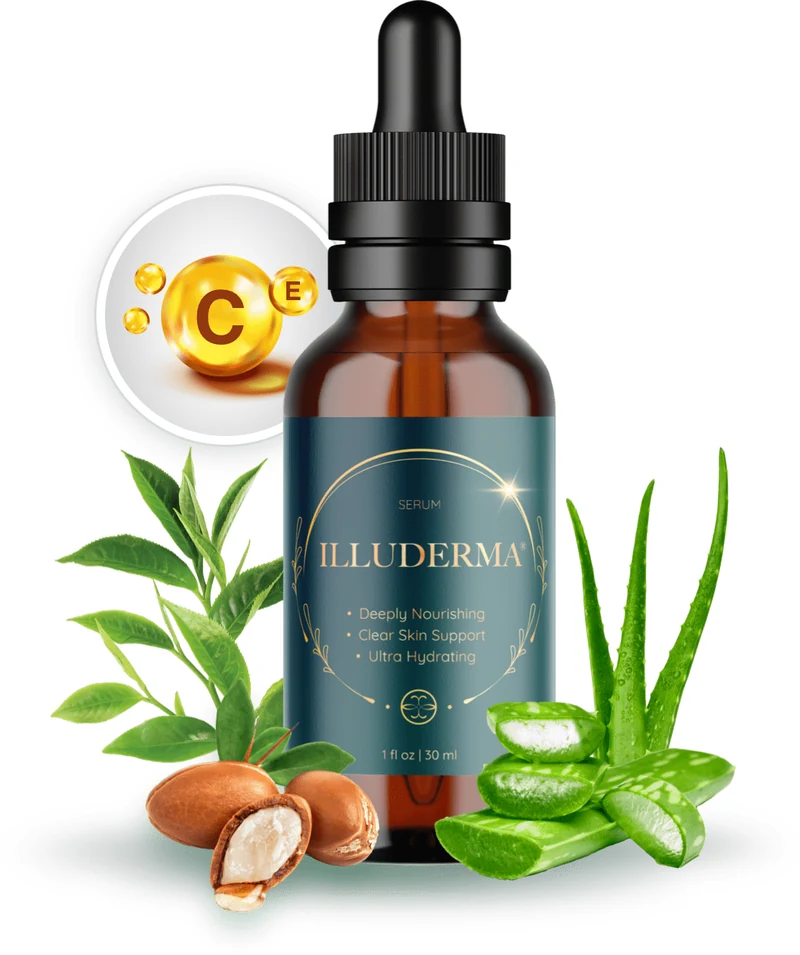
Illuderma
Illuderma is a 1 fl oz (30 mL) cosmetic face serum sold direct through DigiStore24 checkout at $69 for one bottle, $59 p...
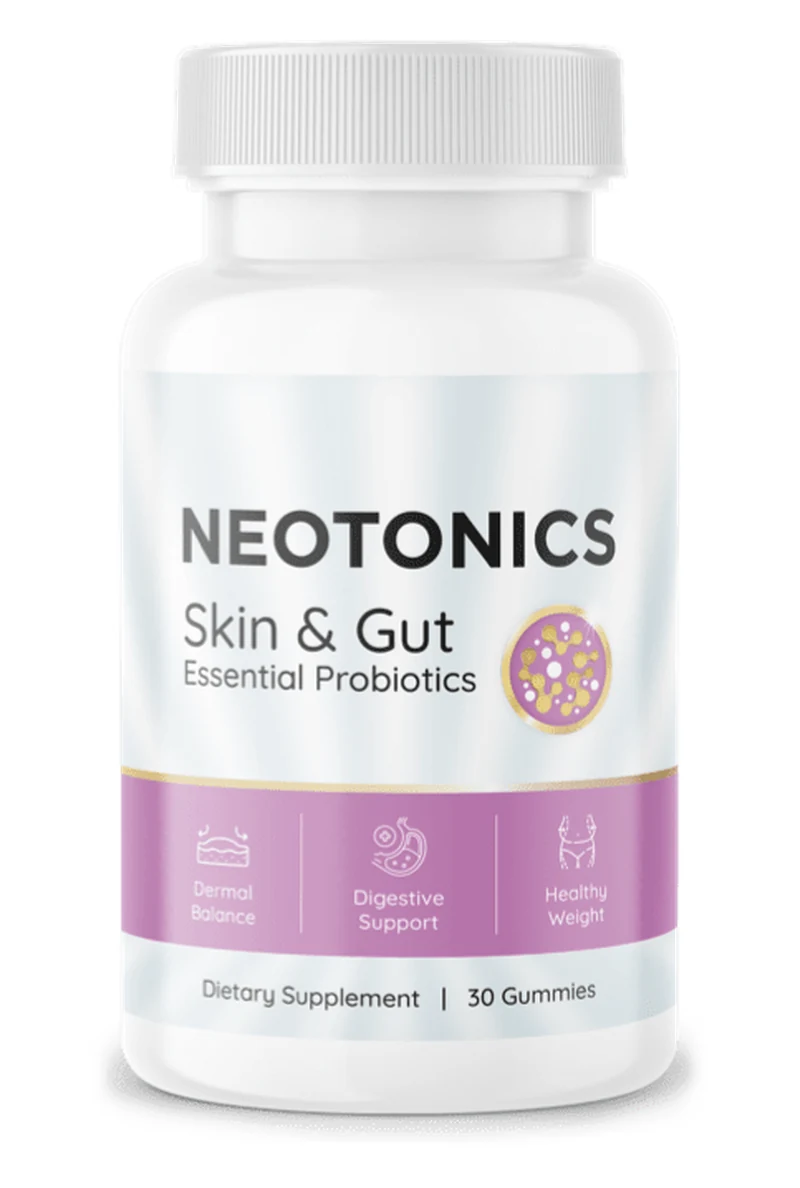
Neotonics
Neotonics is a one-a-day probiotic gummy marketed for skin aging and digestion, sold direct through ClickBank (and a Dig...
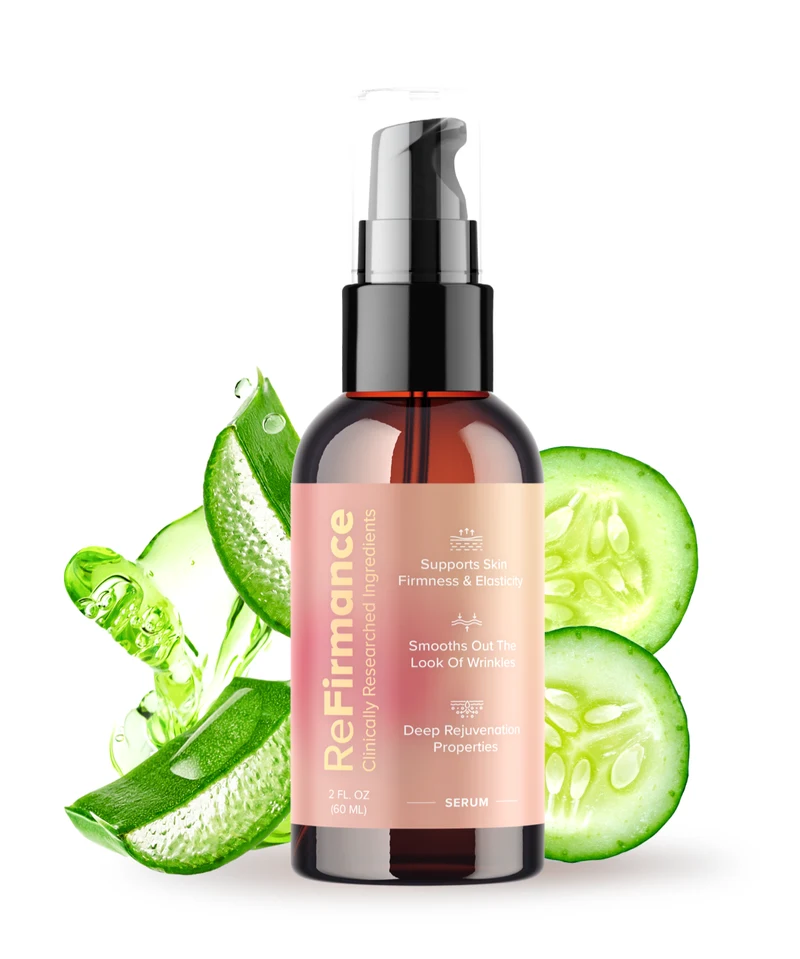
ReFirmance
ReFirmance is a 60 mL (2 fl oz) pump-bottle face and neck serum marketed as a natural 'lift serum' for sagging skin and ...
Why we recommend RevivaGlow: Superior skin health targeting, clinically proven ingredients, and better value for money with money-back guarantee.
RevivaGlow vs Competitors
Detailed comparison of RevivaGlow against top skin health competitors in the market:
| Feature | RevivaGlow | Illuderma | Neotonics |
|---|---|---|---|
| Price | From $49 | From $49 | From $49 |
| Money-Back Guarantee | 60 days | 60 days | 60 days |
| User Rating | 3.8/5 | 3.8/5 | 3.8/5 |
| Key Benefits | Hydration: The most common report is skin that feels less dry by weeks 4-8, which is also the outcome the isoflavone and collagen trials measured most reliably, Fine Lines: A minority describe softer crow's feet by week 8, in line with the eggshell membrane trial timeline; most users see no change in deeper wrinkles | Hydration: the most consistent report by a wide margin, usually within the first week; the serum layers well under moisturizer and makeup, Radiance: users describe skin looking brighter or 'less tired', which is what better-hydrated, smoother skin does to reflected light | Bloating: The most common report is less post-meal distension by weeks 3-6, described as 'better' rather than 'gone', often after a gassier first fortnight, Regularity: Mildly constipated users report more predictable mornings, in line with what a small Bacillus coagulans dose might do |
| Third-Party Testing | ✓ Yes | ? Unknown | ? Unknown |
Winner: RevivaGlow
RevivaGlow stands out with superior skin health support, longer money-back guarantee, and proven ingredients that specifically target skin health health.
Skin & Nail Health Writer
Elena covers skin, nail, and foot health with a focus on practical solutions for conditions like fungal infections and everyday dermatological concerns.
FAQ
Where can I buy RevivaGlow?
RevivaGlow is sold only through the vendor's site, where checkout runs through DigiStore24. It is not sold in stores, and listings on Amazon, Walmart Marketplace, or eBay are not from the manufacturer and are not covered by the guarantee. Buying direct is the only way to get the 3- and 6-bottle pricing, the two bonus guides on the 6-bottle order, and the 60-day money-back guarantee. The label lists the distributor as RevivaGlow, Tallmadge, OH 44278, with product support at contact@revivaglow-product.com; the refund policy gives the return address as 285 Northeast Ave, Tallmadge, OH 44278. Order support (receipts, address changes) goes through DigiStore24's self-service portal. You can reach the vendor's order page through the links on this review.
How much does RevivaGlow cost?
At the time of this review, the vendor's site lists a single bottle (30 capsules, a 30-day supply) at $69. The 3-bottle package is $59 per bottle ($177 total) and the 6-bottle package is $49 per bottle ($294 total), with two bonus digital guides on the 6-bottle order. The vendor's shipping policy lists US delivery as free with 5-7 working days transit, although the order box only advertises free shipping on the 6-bottle pack. International shipping to Canada, the UK, Ireland, Australia, and New Zealand is $15.95 per order with 10-15 working days transit. The vendor frames the discounts against a $99-per-bottle 'regular' price that, as far as we can tell, has never been charged; the post-purchase upsell pages offer extra bottles at $29 each. Prices can change, so check the vendor's site before ordering.
Is RevivaGlow legit or a scam?
RevivaGlow is a real product with a printed Supplement Facts label, a distributor address in Tallmadge, Ohio, and checkout through DigiStore24, an established payment processor with a published refund process. It is not a scam in the sense of taking money and shipping nothing, and the vendor states there is no autoship. It does have real problems: the botanical doses are hidden in a 500 mg proprietary blend, the blend includes a standardized L-dopa source and Alpha-GPC with no skin data and genuine safety questions, the references page cites the wrong sarsaparilla species and a B12 paper about acne, the video headline promises a 'pregnancy glow hack' that turns out to be 400 mcg of folate, and the '14,568 reviews' and '96% of customers order 6 bottles' figures cannot be verified anywhere outside the sales page. Treat it as a legitimate but under-dosed supplement with an unusually risky blend, sold with an exaggerated pitch.
Is there a RevivaGlow discount or coupon code?
RevivaGlow does not use coupon codes at checkout. The only discounts are the package prices on the vendor's site: $69 for one bottle, $59 per bottle for three, and $49 per bottle for six. The 6-bottle order also includes two bonus digital guides, 'Unlock the Secret to Perfect Hair' and 'The Ultimate Guide to Perfect Nails', which the vendor values at $54 each. The vendor describes the 6-bottle price as $300 off, which is measured against a $99 'regular' price nobody appears to pay. Sites advertising RevivaGlow coupon codes or a 180-day guarantee are affiliate pages; the vendor's refund policy says 60 days.
Does RevivaGlow have a money-back guarantee?
Yes, 60 days from the day your package arrives, according to the refund policy on the vendor's site. To claim it you email contact@revivaglow-product.com with 'Refund Request' in the subject line, then mail all bottles, empty or unopened, with the packing slip and a note with your full name, email, and order ID to 285 Northeast Ave, Tallmadge, OH 44278. Return shipping is at your cost. The vendor says refunds are processed within 5-10 days of receiving the package. Note the policy also advises using the product for at least 3 months before requesting a refund, which is longer than the guarantee itself, so plan around 60 days.
What are the ingredients in RevivaGlow?
The Supplement Facts label lists, per one-capsule serving: folate as L-5-methyltetrahydrofolate calcium 400 mcg (680 mcg DFE, 170% DV), vitamin B12 as methylcobalamin 2.4 mcg (100% DV), biotin 30 mcg (100% DV), and a 500 mg proprietary blend of Angelica gigas root powder, diindolylmethane (DIM), sarsaparilla extract (Smilax china root), Mucuna pruriens seed extract standardized to 15% L-dopa, Alpha-GPC powder, avian eggshell membrane collagen powder, and Sophora japonica fruit extract standardized to 98% genistein, in that order. Other ingredients are a gelatin capsule, brown rice flour, and magnesium stearate. Per-ingredient amounts within the blend are not disclosed. Because blend ingredients must be listed by weight, Angelica root powder is the heaviest and the Sophora extract the lightest.
Does RevivaGlow actually reduce wrinkles?
There is no trial of RevivaGlow itself. Two of its ingredients have small human trials: 450 mg per day of hydrolyzed eggshell membrane improved crow's feet at 4 weeks and skin tone at 8 weeks in an 88-adult randomized trial, and 40 mg per day of soy isoflavone aglycone (genistein is the main isoflavone) improved fine wrinkles at 12 weeks in 26 women. Both ingredients are the lightest in RevivaGlow's 500 mg blend, so neither can be at those doses. For comparison, tretinoin 0.05% cream improved fine and coarse wrinkles in a 2-year randomized trial of 204 subjects, daily sunscreen produced 24% less skin aging over 4.5 years in 903 adults, and a meta-analysis of 19 hydrolyzed collagen trials found 90 days of use improved wrinkles, elasticity, and hydration. Those are the published benchmarks; RevivaGlow has none.
How long before I notice results?
Skin usually feels more hydrated first, typically within 4-8 weeks, which is also the earliest change the eggshell membrane and isoflavone trials recorded on instruments. Visible softening of fine lines, if it happens, tends to show in photographs between weeks 8 and 12; the isoflavone trial measured at 12 weeks and the eggshell membrane trials at 8-12 weeks. Deeper wrinkles and sagging do not respond to oral supplements in any trial we found. The vendor recommends 3 months; the guarantee gives you 2. Decide by day 50 and buy the 3-bottle pack if you want the evaluation and the refund to line up, and take dated photos in the same light every two weeks.
Is RevivaGlow safe with medications?
Ask your pharmacist before the first capsule, because the blend contains ingredients most beauty supplements do not. Mucuna pruriens standardized to 15% L-dopa is a source of the same molecule used in Parkinson's drugs; it interacts with MAOI antidepressants, antipsychotics, methyldopa, and levodopa itself, and can lower blood pressure. Alpha-GPC use was associated with a 43% higher 10-year stroke risk in a Korean national cohort, so people with cardiovascular or stroke history should avoid it. DIM reduced tamoxifen metabolite levels in a randomized trial and genistein is a phytoestrogen, which matters for anyone on hormone therapy or with a hormone-sensitive cancer. The label also excludes anyone under 18 and pregnant or nursing women. If you take no regular medication and have no cardiovascular history, the amounts in a 500 mg blend are unlikely to cause harm; the issue is that the label does not tell you what those amounts are.
RevivaGlow vs Neotonics: which is better?
They take different approaches. RevivaGlow is a one-a-day capsule with three B vitamins and a 500 mg botanical blend built around eggshell membrane and genistein, with L-dopa and Alpha-GPC in the mix, and a 60-day guarantee. Neotonics is a one-a-day gummy built on a gut-skin premise, with 500 million CFU of Bacillus coagulans and a 430 mg herbal blend, also with a 60-day guarantee, and it at least discloses its probiotic count. Neither delivers a trial-level dose of any skin ingredient, and neither has a trial of its own. RevivaGlow's eggshell membrane and genistein have the better skin data on paper; Neotonics has the less worrying ingredient list. For someone on any regular medication, Neotonics is the safer of the two. For a healthy adult, it is close, and a plain hydrolyzed collagen beats both on evidence per dollar. Neotonics is reviewed in full at /reviews/neotonics.
What if RevivaGlow doesn't work for me?
Use the guarantee, and use it on time. Email contact@revivaglow-product.com with 'Refund Request' in the subject before day 60 from delivery, keep the packing slip, and mail every bottle back to 285 Northeast Ave, Tallmadge, OH 44278 with tracking so you have proof of receipt. Refunds are processed 5-10 days after the package arrives. If you have an order question rather than a product question, DigiStore24's customer self-service portal handles receipts and order lookups, and DigiStore24 has its own buyer-protection process if the vendor does not respond.
Get honest health tips & reviews
Join our newsletter for science-backed supplement reviews and wellness advice.
No spam. Unsubscribe anytime.