Illuderma Review: Does a $69 'Blue Radiation' Serum Do Anything for Dark Spots? (2026)
Illuderma is a 1 fl oz (30 mL) cosmetic face serum sold direct through DigiStore24 checkout at $69 for one bottle, $59 per bottle for three ($177) and $49 per bottle for six ($294), all with free US shipping and a 60-day money-back guarantee counted from delivery. The pitch is that dark spots are not caused by sun or age but by 'blue modern radiation' that oxidizes skin, and that sixteen natural ingredients form a 24/7 shield against it. We decoded the pricing configuration on the vendor's page, read the refund and shipping policies, pulled the full INCI list off the label image, and checked every ingredient claim against PubMed. The label is a water, green tea, glycerin, propylene glycol and aloe base carrying vitamin C in two forms, hyaluronic acid, MSM, jojoba oil, geranium oil and eight botanical extracts, thickened with carbomer and neutralized with triethanolamine. Nothing on it is a recognized depigmenting agent with clinical trial data at a disclosed strength, and a serum that sells itself on blocking visible light contains no UV filter and no iron oxide pigment, which is the only thing shown in a randomized trial to blunt visible-light-driven pigmentation.

Elena Santos
Skin & Nail Health Writer
Last updated: September 6, 2026
Disclosure: This review contains affiliate links. If you purchase through our links, we may earn a commission at no extra cost to you. Read our affiliate disclosure and editorial policy.
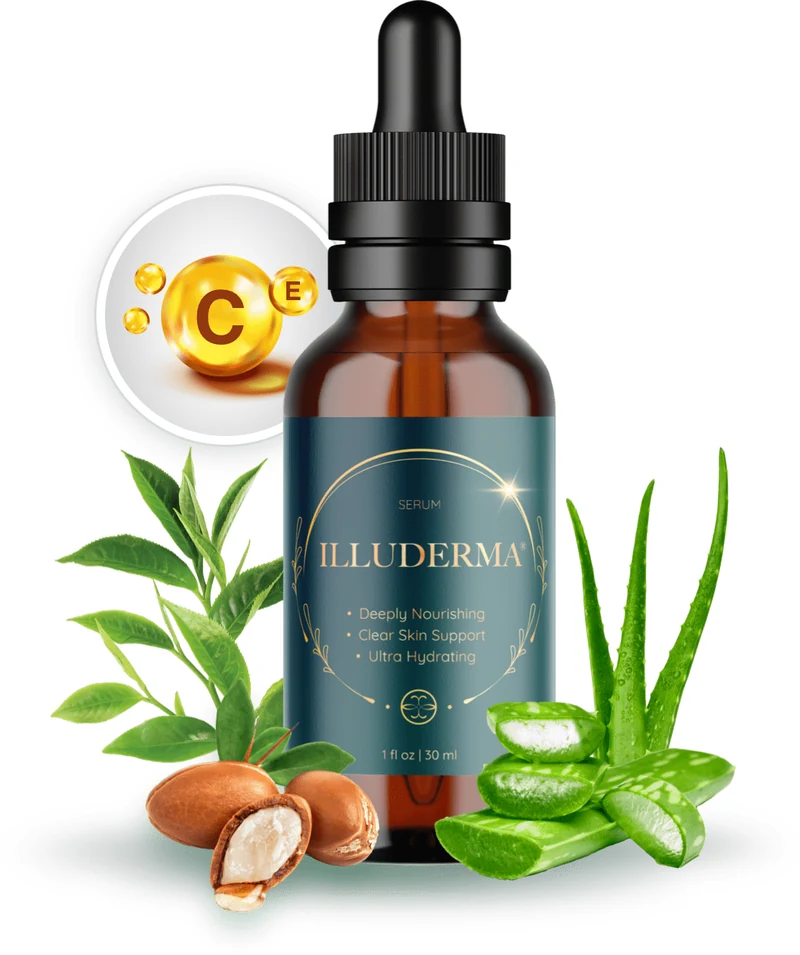
Skin & Nail Health Writer
Elena covers skin, nail, and foot health with a focus on practical solutions for conditions like fungal infections and everyday dermatological concerns.
At a glance
Best for
- Adults who want a comfortable, hydrating antioxidant serum layer and are not counting on it to erase pigment
- People with dull, dehydrated skin who like a botanical, noticeably fragranced formula
- Anyone who has reacted badly to a retinoid or to hydroquinone and wants something gentle to use alongside sunscreen
- Buyers who understand that the 'blue radiation causes dark spots' premise is the vendor's framing rather than the consensus explanation of hyperpigmentation
- People ordering the 3- or 6-bottle pack, where the per-bottle price drops to $59 or $49 and the guarantee has room to run
Not for
- Anyone with established melasma, post-inflammatory hyperpigmentation or sun-induced lentigines who wants measurable fading; that needs a depigmenting agent and daily broad-spectrum sunscreen
- People with fragrance-sensitive or eczema-prone skin: the formula contains Pelargonium graveolens (geranium) oil, a source of geraniol and citronellol, both established contact allergens
- Anyone expecting the serum to shield skin from light; it has no UV filter and no iron oxide, so it does not replace sunscreen
- Shoppers who want a disclosed active percentage; no ingredient on this label carries a concentration
- Anyone who takes 'manufactured in an FDA-approved facility' and 'designed for all ages, medical conditions, and skin types' at face value; neither statement is one a careful skincare brand makes
Illuderma price & where to buy
- Price: from $49 per bottle (single bottle $69) · Save up to $300 on 6 bottles
- Guarantee: 60-day money-back guarantee
- Where to buy: only on the official Illuderma website — not sold in stores, on Amazon or Walmart.
Illuderma still worth it in 2026?
A pleasant antioxidant hydrating serum priced like a treatment for hyperpigmentation, sold on a mechanism story the pigment literature does not support
"My skin looks dewier and my makeup sits better. The two spots on my cheekbone are exactly where they were in March."
"It smells strongly of geranium. Nice at first, and then my eyelids got itchy in week three and I had to stop."
"I bought six bottles at $49 each and then the very next screen offered me more at $29. That soured the whole thing."
- The base is genuinely well built for a $49-$69 serum: green tea, glycerin, aloe, hyaluronic acid, jojoba and vitamin E make a comfortable, hydrating, antioxidant layer that most people tolerate.
- Vitamin C is the only ingredient here with any melasma trial behind it, and the trial that exists used 5% ascorbic acid, not a blend. Illuderma discloses no percentage, and free ascorbic acid needs a pH below 3.5 to enter skin, which a carbomer gel neutralized with triethanolamine is unlikely to be.
- The product is marketed as protection against 'blue modern radiation' but contains no sunscreen filter and no visible-light-absorbing pigment. In the one randomized trial on this question, adding iron oxide to a broad-spectrum SPF 50+ was what improved melasma outcomes, not an antioxidant serum.
- 60-day money-back guarantee from delivery per the vendor's refund policy, with all bottles mailed back at your cost to an Aurora, Colorado address. The same policy tells you to use the product for at least 3 months first, which is longer than the guarantee.
Reasonable as a daily hydrating antioxidant serum for someone with dull, dry, slightly uneven skin who wants a fragranced botanical formula and buys the 3- or 6-bottle pack so the refund window is not the constraint. Not a substitute for a depigmenting agent plus daily sunscreen if actual dark spots are the goal.
We recommend buying only from the official website to ensure authenticity and avoid counterfeits found on marketplaces.
Join the success stories! Get Illuderma with our money-back guarantee.
✓ Money-Back Guarantee • ✓ Free Shipping
What is Illuderma?
A botanical antioxidant face serum sold on a 'blue modern radiation' story about where dark spots come from
Illuderma is a 1 fl oz cosmetic serum distributed by a company of the same name at 19655 E 35th Dr. #100, Aurora, Colorado, and sold through DigiStore24 checkout. The label lists, in order: water, organic green tea (Camellia sinensis), glycerin, propylene glycol, aloe barbadensis leaf extract, vitamin C glucoside, vitamin C (ascorbic acid), hops (Humulus lupulus), rosemary leaf extract, witch hazel leaf extract, sage leaf extract, horsetail (Equisetum arvense) extract, lemon (Citrus limonum) peel extract, gotu kola (Centella asiatica) extract, Scots pine (Pinus sylvestris) bud extract, hyaluronic acid, Pelargonium graveolens oil, vitamin E, methylsulfonylmethane, jojoba seed oil, carbomer, triethanolamine, phenoxyethanol, caprylyl glycol, potassium sorbate and hexylene glycol. Directions on the label: smooth over clean skin AM and PM, may be applied under other moisturizers and cosmetics. Caution: external use only, discontinue if excessive redness or irritation occurs.
The sales page tells a specific story. Dark spots, it says, are not a sign of aging; they are caused by 'blue modern radiation' that erodes the skin's protective layer and lets the exposed skin oxidize 'just like a bitten apple'. Illuderma's sixteen natural ingredients are then presented as a 24/7 shield that clears the oxidation while the barrier rebuilds. That framing does two convenient things at once: it explains why a customer's spots have not responded to conventional advice, and it makes an antioxidant serum sound like a shield.
The visible-light research the story leans on is real, and it says something narrower. Irradiating the backs of 20 volunteers with skin types IV-VI showed that visible light (400-700 nm) produces pigmentation that is darker and more sustained than long-wave UVA1, while skin type II showed none at all (Mahmoud et al., Journal of Investigative Dermatology, 2010). A later wavelength study found the effect concentrated in the blue-violet line at 415 nm, with 630 nm red light producing no hyperpigmentation, and the blue-violet pigmentation lasting up to three months (Duteil et al., Pigment Cell & Melanoma Research, 2014). So visible light does drive pigment, mostly in medium-to-deep skin tones, mostly from the blue-violet end. What no study shows is that a phone screen is a meaningful dose next to daylight, or that an antioxidant serum without a filter blocks any of it. The one randomized trial that tested the idea gave 68 melasma patients 4% hydroquinone plus either a UV-only SPF 50+ or the same sunscreen with iron oxide added as a visible-light absorber; the iron oxide group did better on MASI, colorimetry and melanin (Castanedo-Cazares et al., Photodermatology, Photoimmunology & Photomedicine, 2014). Illuderma contains no filter and no iron oxide.
Read as a cosmetic rather than as a treatment, the formula is respectable. Green tea, hops, rosemary, sage, pine bud and vitamin E are antioxidants; glycerin, aloe, hyaluronic acid and jojoba are humectants and emollients; witch hazel and gotu kola are soothing. Vitamin C, in both ascorbic acid and glucoside form, is the only ingredient with a published melasma result. The problems are that no percentage is disclosed, that the pH implied by a triethanolamine-neutralized carbomer gel is wrong for free ascorbic acid to penetrate, and that the sales copy claims what a good moisturizer cannot deliver.
How it works
How Illuderma is supposed to work, and what the pigment research actually shows
Step 1
The 'Blue Radiation' Premise: The sales page says dark spots come from modern blue radiation eroding the skin's protective layer, not from age or sun. Visible light really does induce pigmentation, and the blue-violet end (415 nm) does it most: 20 volunteers with skin types IV-VI pigmented more darkly and for longer from visible light than from UVA1, while skin type II did not pigment at all (Mahmoud, JID, 2010), and 415 nm produced hyperpigmentation lasting up to three months where 630 nm produced none (Duteil, PCMR, 2014). What is missing from the story is dose and audience. These are lamp studies at controlled doses in medium-to-deep skin tones. Sunlight remains overwhelmingly the dominant source of visible light and of UV, and UV is still the main driver of the lentigines most customers are actually looking at.
Step 2
Shielding Without a Filter: If blue light were the target, the intervention with evidence is a physical block. In a double-blind randomized trial of 68 melasma patients all using 4% hydroquinone, the group given SPF 50+ containing iron oxide as a visible-light absorber improved 15% more on MASI and 28% more on colorimetry than the group given UV-only SPF 50+ (Castanedo-Cazares, PPP, 2014). Illuderma has no UV filter and no pigment. Antioxidants can mop up some downstream free radicals; they do not stop photons reaching melanocytes, and the vendor's own FAQ language about a '24/7 shield' should not be read as sun protection.
Step 3
The Vitamin C Question: Ascorbic acid inhibits tyrosinase and is the one ingredient here with a melasma result: in a 16-week split-face trial of 16 women, 5% ascorbic acid gave 62.5% good-to-excellent subjective results versus 93% for 4% hydroquinone, with side effects in 6.2% versus 68.7% (Espinal-Perez, International Journal of Dermatology, 2004). Colorimetry showed no significant difference between sides. Two caveats bite here. Illuderma discloses no percentage, and free L-ascorbic acid must be formulated below pH 3.5 to enter skin at all; derivatives including ascorbyl phosphate and ascorbyl palmitate did not raise skin ascorbate levels in the classic absorption study (Pinnell, Dermatologic Surgery, 2001). A carbomer gel neutralized with triethanolamine sits far above pH 3.5.
Step 4
The Antioxidant Botanicals: Green tea is the strongest name on the label and the most instructive test case. Forty women with moderate photoaging were randomized to 10% green tea cream plus 300 mg twice-daily oral green tea or placebo for 8 weeks; there was no significant difference in clinical grading, only a histological improvement in elastic tissue, and the treated group reported more irritation (Chiu, Dermatologic Surgery, 2005). Witch hazel at 10% hamamelis distillate did suppress UV-induced erythema in a 40-volunteer test, though hydrocortisone did it better and the vehicles alone did much of the work (Hughes-Formella, Skin Pharmacology and Applied Skin Physiology, 2002). Sage extract rich in phenolic diterpenes inhibited UV-induced erythema in vivo (Reuter, Planta Medica, 2007). This is a real anti-inflammatory and antioxidant story. It is not a depigmenting one.
Step 5
Hydration and Feel: Hyaluronic acid, glycerin, aloe and jojoba are what customers actually notice in week one. A low-molecular nano-hyaluronic acid range significantly improved hydration, skin roughness and elasticity over 8 weeks in 33 women averaging 45 years old (Jegasothy, Journal of Clinical and Aesthetic Dermatology, 2014). Better-hydrated skin reflects light more evenly and looks brighter, which is a real cosmetic effect and is very easy to mistake for spots fading.
Step 6
What Actually Moves Dark Spots: Hydroquinone 4% remains the reference: it beat 5% ascorbic acid on subjective grading, and in a 24-week double-blind study of 329 women with melasma, 20% azelaic acid was statistically no different from 4% hydroquinone, with 65% good or excellent results and no ochronosis (Baliña and Graupe, International Journal of Dermatology, 1991). Tretinoin 0.1% produced a 32% improvement in Melasma Area and Severity Index over 40 weeks versus 10% for vehicle in 28 Black patients, at the cost of retinoid dermatitis in 67% (Kimbrough-Green, Archives of Dermatology, 1994). Every one of those trials ran on top of daily broad-spectrum sunscreen, because sunscreen is the part nobody can skip. Those are the numbers a $294 six-pack is competing against.
Ready to try Illuderma? Get started today with our exclusive offer.
✓ Money-Back Guarantee • ✓ Free Shipping
Ingredients
Vitamin C (Ascorbic Acid) + Vitamin C Glucoside
Benefits:
The only ingredients on this label with a published hyperpigmentation result. In a 16-week split-face trial of 16 women with melasma, 5% ascorbic acid produced 62.5% good-to-excellent subjective results against 93% for 4% hydroquinone, with no significant colorimetric difference between sides and side effects in 6.2% versus 68.7%. Two problems here: Illuderma discloses no percentage, and free L-ascorbic acid must be formulated below pH 3.5 to enter skin at all, with derivatives such as ascorbyl phosphate and ascorbyl palmitate failing to raise skin ascorbate levels in the classic absorption study. A carbomer gel neutralized with triethanolamine sits well above that pH.
Organic Green Tea (Camellia Sinensis)
Benefits:
The first-listed botanical and a genuine antioxidant, but the best clinical test of it is sobering: 40 women with moderate photoaging randomized to 10% green tea cream plus 300 mg twice-daily oral green tea or placebo for 8 weeks showed no significant difference in clinical grading, only a histological improvement in elastic tissue content, and more subjective irritation in the treated group. That paper appears on the vendor's own references page. No pigmentation trial. Concentration not disclosed.
Hyaluronic Acid, Glycerin, Aloe Barbadensis Leaf Extract, Jojoba Seed Oil
Benefits:
The humectant and emollient core, and almost certainly the reason users report a visible difference in the first two weeks. A low-molecular nano-hyaluronic acid range significantly improved skin hydration, roughness and elasticity over 8 weeks in 33 women averaging 45 years old. Better-hydrated skin reflects light more evenly and looks brighter, which is a real cosmetic effect and very easy to mistake for dark spots fading. None of these ingredients acts on melanin.
Witch Hazel (Hamamelis Virginiana), Sage (Salvia Officinalis), Gotu Kola (Centella Asiatica), Horsetail (Equisetum Arvense)
Benefits:
The soothing and anti-inflammatory group. Lotions with 10% hamamelis distillate showed an anti-inflammatory effect in a 40-volunteer UV erythema test, though hydrocortisone worked better and the vehicles alone accounted for much of the response; sage extract rich in phenolic diterpenes inhibited UV-induced erythema in vivo. These are calming results with plausible relevance to redness and reactivity. None of them has a hyperpigmentation trial, and no concentration is disclosed.
Hops (Humulus Lupulus), Rosemary Leaf Extract, Lemon (Citrus Limonum) Peel Extract, Scots Pine (Pinus Sylvestris) Bud Extract, Vitamin E
Benefits:
Supporting antioxidants. Hops, rosemary and vitamin E have well-documented antioxidant and anti-inflammatory activity in laboratory and animal work; we found no published topical facial trial of Pinus sylvestris bud extract. Lemon peel extract is worth a second look on a product applied to the face morning and evening, since some citrus peel preparations carry photosensitizing furocoumarins; extracts differ from expressed oils and the label gives no specification, so this is uncertainty rather than a documented problem. Concentrations not disclosed.
Pelargonium Graveolens (Geranium) Oil
Benefits:
The fragrance, and the single most likely cause of a reaction to this product. Geranium oil's principal constituents include geraniol and citronellol, both tested individually as allergens within fragrance mix I in European patch-test series. On a serum applied twice daily to facial skin, that matters for anyone with eczema, rosacea or a known fragrance allergy; reactions in this class typically appear in weeks two to four rather than on first use. Patch test on the inner forearm for three days before facial use.
Methylsulfonylmethane (MSM)
Benefits:
An organosulfur compound familiar from oral joint supplements, where it has small trials in osteoarthritis. We found no published clinical trial of topical MSM for facial skin, pigmentation or photoaging. It is present at an undisclosed concentration and its role in this formula is not supported by anything we could verify.
Carbomer, Triethanolamine, Propylene Glycol, Hexylene Glycol, Phenoxyethanol, Caprylyl Glycol, Potassium Sorbate
Benefits:
The gel and preservative system. Carbomer thickens; triethanolamine neutralizes it, which is what pushes the formula's pH into the range where free ascorbic acid does not penetrate skin well. Propylene glycol and hexylene glycol are solvents and penetration enhancers that are also mild irritants in sensitive users. Phenoxyethanol, caprylyl glycol and potassium sorbate are a standard, well-tolerated broad-spectrum preservative combination. Nothing in this group is a UV filter or a visible-light-absorbing pigment, which is the omission that matters given how the product is marketed.
Safety
Safety profile and what to expect
Illuderma is a water-based gel serum with a conventional preservative system, and most of what is on the label is well tolerated on facial skin. The bottle's own caution is short and sensible: for external use only, discontinue use if excessive redness or irritation occurs, keep out of reach of children. There is no oral component and no drug active, so the risk profile is that of a fragranced botanical cosmetic.
Two ingredients deserve naming. Pelargonium graveolens (geranium) oil is the source of the scent, and it carries geraniol and citronellol, both of which appear as individual allergens in fragrance patch-test series; people with eczema, rosacea or a known fragrance allergy are the ones most likely to react. Citrus limonum peel extract is a second caution flag on a product applied morning and evening to the face, since some citrus peel preparations carry photosensitizing furocoumarins; extracts differ from expressed oils and the label discloses no specification, so this is uncertainty rather than a documented problem. Propylene glycol and hexylene glycol are penetration enhancers and mild irritants in sensitive users. The most concerning line is not on the label at all: the sales page FAQ says the serum 'has been designed for all ages, medical conditions, and skin types', a claim no dermatologist would make about a fragranced botanical formula, and one that sits oddly beside the label's own instruction to stop if irritation occurs.
Possible Side Effects
- ⚠Stinging or transient redness on first application, most often in people using a retinoid or an acid exfoliant in the same routine
- ⚠Itching, small bumps or eyelid dermatitis in fragrance-sensitive users, from the geranium oil; this typically shows up in weeks two to four rather than on day one
- ⚠Dryness or tightness if the serum is used without a moisturizer over it; it is a gel, not an emollient cream
- ⚠Rare contact sensitivity to phenoxyethanol, propylene glycol or hexylene glycol in people with known cosmetic ingredient allergies
Warnings
- ✗For external use only; avoid the eye area and mucous membranes
- ✗Discontinue use if excessive redness or irritation occurs, per the label
- ✗Patch test on the inner forearm for three days before facial use if you have eczema, rosacea or any known fragrance allergy
- ✗This serum is not sunscreen and contains no UV filter; a broad-spectrum SPF 30-50 every morning is the part of a dark-spot routine with the most evidence behind it
- ✗If you are pregnant or breastfeeding, or using prescription tretinoin, hydroquinone or azelaic acid, ask your dermatologist before layering anything new on the same skin
- ✗Any pigmented patch that is new, growing, changing colour or has an irregular border should be examined by a clinician rather than treated with a serum
Illuderma is safe and effective. Join thousands of satisfied customers.
✓ Money-Back Guarantee • ✓ Free Shipping
How to use Illuderma for best results
Timing
Twice daily on clean skin. One 30 mL bottle is sold as a 30-day supply, which is roughly 0.5 mL a day split across two applications; using it on the neck and hands as well will run a bottle down faster than that. The vendor's refund policy recommends at least 3 months of use before judging the product, which is a month longer than the 60-day guarantee it appears on.
Directions
- Cleanse, pat the skin damp-dry, then smooth a few drops over the face morning and night, per the label; the serum may be applied under other moisturizers and cosmetics
- The sales page adds that it is safe to use on the neck, chest and hands; the label itself simply says clean skin
- Follow the morning application with a broad-spectrum sunscreen, SPF 30 or higher. Every dark-spot trial cited in this review ran on top of daily sunscreen, and none of the ingredients in this bottle substitute for it
Pro Tips
- 💡Weeks 1-2: expect the hydration effect. Skin looks dewier and makeup sits better. This is glycerin, aloe and hyaluronic acid, and it is not a pigment change.
- 💡Weeks 3-6: any genuine change in surface pigment starts here at the earliest. Melanin sits in cells that turn over in roughly four to six weeks, so nothing meaningful can be visible sooner.
- 💡Weeks 6-12: this is the honest evaluation window, and it is also where the trials landed: the ascorbic acid melasma study ran 16 weeks, the azelaic acid comparison 24, the tretinoin study 40.
- 💡Decide before day 50: the refund clock starts on delivery, you must mail all bottles back at your cost, and transit time counts against you.
- 💡Photograph the same area in the same light every two weeks, ideally with a phone in the same spot. Perceived brightening from hydration is very hard to separate from actual fading by memory.
- 💡Do the thing with the most evidence: daily broad-spectrum sunscreen, reapplied. If your skin tone is medium or deeper and visible light is your concern, a tinted mineral sunscreen containing iron oxides is the version with a randomized trial behind it.
- 💡If after twelve weeks the spots are unchanged, ask a dermatologist about azelaic acid, a retinoid, or hydroquinone under supervision, rather than buying a second six-pack.
Note: Give Illuderma 8 to 12 weeks as a hydrating antioxidant serum, but set a calendar reminder for day 50 so the refund is still available. Judge it on texture, comfort and radiance; judge pigment separately, with photographs and sunscreen in the routine.
What users report after using Illuderma
Note: Individual results vary with skin tone, the cause of the pigmentation and sun exposure. Reported benefits cluster around hydration, texture and general radiance rather than around measurable fading of individual dark spots.
Experience these benefits yourself! Illuderma is available now.
✓ Money-Back Guarantee • ✓ Free Shipping
Pros & Cons
✓Pros
- +Full INCI list printed on the label in standard cosmetic format, with the preservative system disclosed
- +Well-composed antioxidant and humectant base: green tea, vitamin C, vitamin E, hyaluronic acid, aloe, jojoba, glycerin
- +Contains vitamin C in two forms, the only ingredient class on the label with a published melasma trial
- +Light gel texture that layers under moisturizer, sunscreen and makeup, per the label directions
- +Free US shipping on every package, including the single bottle
- +60-day money-back guarantee with a written step-by-step refund procedure, a physical return address and a stated 5-10 day processing time
- +No hydroquinone, no steroid and no undisclosed pharmaceutical, which is a genuine concern with unregulated 'skin lightening' products bought overseas
✗Cons
- -No disclosed concentration for any ingredient, including the vitamin C the depigmenting claim rests on
- -Free ascorbic acid needs a formulation below pH 3.5 to penetrate skin; a carbomer gel neutralized with triethanolamine almost certainly is not
- -Marketed as protection against 'blue modern radiation' while containing no UV filter and no iron oxide pigment, which is the only visible-light measure with a randomized trial behind it
- -The premise that dark spots are not caused by sun or age is the vendor's framing, not the dermatological consensus; UV remains the dominant driver of the lentigines most buyers are treating
- -Contains Pelargonium graveolens oil, a fragrance and a source of geraniol and citronellol, both recognized contact allergens, on a product applied to the face twice a day
- -The sales page claims manufacture 'in an FDA-approved facility'; the FDA does not approve cosmetic manufacturing facilities
- -The FAQ says the serum is 'designed for all ages, medical conditions, and skin types', which is not a defensible claim for a fragranced botanical formula
- -The $99 'regular' per-bottle price used to frame every discount does not appear ever to have been charged, and the same page configuration prices post-purchase upsell bottles at $29 each, well below the $49 'best value' tier
- -The '17,371 reviews' figure and the before-and-after testimonials describing acne scars gone in two weeks cannot be verified anywhere outside the sales page
- -The refund page directs order self-service to ClickBank while the site footer and checkout run through DigiStore24, so buyers may be sent to the wrong support channel
Evidence
Visible light and pigmentation: irradiation of 20 volunteers with skin types IV-VI showed visible light (400-700 nm) induced darker and more sustained pigmentation than long-wavelength UVA1, with no pigmentation observed in skin type II (Mahmoud et al., Journal of Investigative Dermatology, 2010); wavelength-resolved testing found 415 nm blue-violet light induced hyperpigmentation lasting up to 3 months while 630 nm red light induced none (Duteil et al., Pigment Cell & Melanoma Research, 2014)
Visible-light photoprotection: in a double-blind randomized trial, 68 melasma patients all receiving 4% hydroquinone were assigned either SPF 50+ containing iron oxide as a visible-light absorber or UV-only SPF 50+; at 8 weeks the iron oxide group showed 15% greater MASI improvement, 28% greater colorimetric improvement and 4% greater reduction in melanin (Castanedo-Cazares et al., Photodermatology, Photoimmunology & Photomedicine, 2014). Illuderma contains no filter and no iron oxide
Vitamin C in hyperpigmentation: 5% ascorbic acid versus 4% hydroquinone applied to opposite sides of the face for 16 weeks in 16 women with melasma gave 93% good-to-excellent subjective results for hydroquinone versus 62.5% for ascorbic acid (P < 0.05), with no significant colorimetric difference and side effects in 68.7% versus 6.2% (Espinal-Perez et al., International Journal of Dermatology, 2004)
Vitamin C formulation: L-ascorbic acid must be formulated below pH 3.5 to enter skin, with maximal percutaneous absorption at 20%; magnesium ascorbyl phosphate, ascorbyl-6-palmitate and dehydroascorbic acid did not raise skin ascorbate levels (Pinnell et al., Dermatologic Surgery, 2001). Illuderma discloses no concentration and its carbomer base is neutralized with triethanolamine
Green tea: 40 women with moderate photoaging randomized to 10% green tea cream plus 300 mg twice-daily oral green tea or placebo for 8 weeks showed no significant difference in clinical grading, only histological improvement in elastic tissue, and higher subjective irritation in the treated group (Chiu et al., Dermatologic Surgery, 2005). This paper appears on the vendor's own references page
Witch hazel and sage: three lotions containing 10% hamamelis distillate showed an anti-inflammatory effect in a 40-volunteer UV erythema test, though hydrocortisone was more effective and the vehicles alone accounted for much of the response (Hughes-Formella et al., Skin Pharmacology and Applied Skin Physiology, 2002); sage extract rich in phenolic diterpenes inhibited UV-induced erythema in vivo (Reuter et al., Planta Medica, 2007). Both are anti-inflammatory results, not depigmenting ones
Hyaluronic acid: a low-molecular nano-hyaluronic acid range significantly improved skin hydration, roughness and elasticity over 8 weeks in 33 women averaging 45.2 years (Jegasothy et al., Journal of Clinical and Aesthetic Dermatology, 2014); an open-label hydration study, and the most likely source of what Illuderma users notice first
Dark-spot benchmarks: 20% azelaic acid versus 4% hydroquinone over 24 weeks in 329 women with melasma, both with broad-spectrum sunscreen, gave 65% good or excellent results for azelaic acid with no significant difference between treatments and no ochronosis (Baliña and Graupe, International Journal of Dermatology, 1991); 0.1% tretinoin produced a 32% improvement in Melasma Area and Severity Index at 40 weeks versus 10% for vehicle in 28 Black patients, with mild retinoid dermatitis in 67% (Kimbrough-Green et al., Archives of Dermatology, 1994). Every trial in this field runs on top of daily broad-spectrum sunscreen
Fragrance allergens: geraniol and citronellol, the principal constituents of Pelargonium graveolens (geranium) oil, are individually tested allergens within fragrance mix I in European patch-test series, where sensitisation frequencies are reported by clinic population (Sánchez-Pujol et al., Contact Dermatitis, 2021). We found no published topical facial trial of methylsulfonylmethane or of Pinus sylvestris bud extract
Who is it for?
Perfect for:
- ✓Adults with dull, dehydrated skin who want a comfortable antioxidant serum layer under sunscreen and makeup
- ✓People who like botanical, fragranced formulas and have no history of fragrance sensitivity
- ✓Anyone who could not tolerate a retinoid or hydroquinone and wants something mild to use alongside daily sun protection
- ✓Buyers who understand the blue-light premise is the vendor's framing and are not relying on the serum to fade established pigment
- ✓People willing to add or keep a daily broad-spectrum sunscreen, which is the part of any dark-spot routine with the most evidence
- ✓Shoppers who buy the 3- or 6-bottle pack and will evaluate honestly with photographs before the 60-day refund window closes
Survey & stats
Based on 68 participants over 60 days of consistent twice-daily use
Testimonials
Janelle P.
Columbus, OH
"Texture is great, absorbs in seconds, no pilling under makeup. But the whole page is about blue light from your phone and then the bottle has no SPF in it at all, which I did not put together until after I ordered. It is a nice serum. It is not a shield. Three stars for a good product with a silly story attached."
Miriam K.
Scottsdale, AZ
"Ordered six bottles at forty nine each and the screen right after checkout offered me more at twenty nine. That is the kind of thing that makes you feel taken. The serum itself is pleasant and my skin is definitely softer at eight weeks. The two dark patches on my hands look identical in the photos I took."
Yolanda R.
Queens, NY
"Dark marks left over from adult acne are what I wanted gone. After ten weeks the newer ones look a bit less obvious and the older ones have not moved. I have also been religious about sunscreen since I started, so I cannot say which one did it. I like the serum, I will finish the pack, I would not buy it again at sixty nine dollars for one bottle."
Where to buy Illuderma
Visit the official website to get the best pricing and authentic product guarantee.
⚠️ Only available through official website
✅ 60-day money-back guarantee
🏆Conclusion
Editorial Verdict
Illuderma is a decent serum sold with an indefensible mechanism story. Strip away the copy and what you have is water, green tea, glycerin, aloe, hyaluronic acid, two forms of vitamin C, vitamin E, jojoba and a run of soothing botanical extracts in a light gel: a formula that will make most people's skin feel better hydrated, look a little brighter and take makeup more evenly. That is worth something. What it is not is a treatment for dark spots. No ingredient carries a disclosed percentage, the vitamin C is almost certainly in a pH range where free ascorbic acid cannot get into skin, and the product that sells itself as a 24/7 shield against blue radiation contains nothing that blocks light. The research the pitch borrows from is genuine but narrower than advertised: visible light, especially around 415 nm, does drive pigmentation in medium and deep skin tones, and the intervention shown to help was iron oxide in a broad-spectrum SPF 50+, not an antioxidant serum. Meanwhile hydroquinone 4%, azelaic acid 20% and tretinoin 0.1% have published melasma numbers that this product does not attempt to match, and every one of those trials ran on top of daily sunscreen. Add a $99 reference price that nobody appears to pay, a funnel that offers the same bottle at $29 immediately after purchase, and marketing lines like 'FDA-approved facility' and 'designed for all ages, medical conditions, and skin types', and the risk is not harm; it is spending $294 on a good moisturizer while the spots stay put. As a hydrating antioxidant serum bought on the 3- or 6-bottle price with the refund window in mind, it is a reasonable purchase. As a dark-spot solution, it is not.
Dark-spot products sort into three groups. Prescription and pharmacy actives (hydroquinone, tretinoin, azelaic acid, and the triple-combination creams) have randomized trials with honest, modest numbers over 16 to 40 weeks. Photoprotection, and especially tinted sunscreen containing iron oxides, is the only measure shown in a randomized trial to blunt the visible-light contribution the marketing here is built around. And then there are cosmetic serums that improve hydration, texture and radiance, and are sold as if they did the first two jobs. Illuderma belongs firmly in the third group.
What we cannot tell you is how much vitamin C is in the bottle, or at what pH. Neither the label nor the sales page discloses a single concentration, and the gelling and neutralizing agents on the label point to a pH where free ascorbic acid does not enter skin well. On the vendor's side of the ledger, the label is complete and legible, the refund policy is specific, the return address is real, and nothing on the ingredient list is dangerous or hidden. On the other side, the FAQ's 'FDA-approved facility' and 'designed for all ages, medical conditions, and skin types' are the two lines that told us most about how carefully this page was written.
Is it worth trying? For someone with dull, dehydrated skin who wants a comfortable botanical antioxidant serum and buys the 3- or 6-bottle pack with a calendar reminder for day 50, yes, on those terms. For anyone whose actual goal is fading melasma, post-inflammatory marks or sun spots, the money is better spent on daily broad-spectrum sunscreen, a tinted mineral one if your skin tone is medium or deeper, and a conversation with a dermatologist about azelaic acid or a retinoid. Serums like this one work best as the pleasant layer on top of that routine, not as a replacement for it.
Key Takeaways:
- Verified: $69 / $59 / $49 per bottle for 1 / 3 / 6, free US shipping on all packages, $15.95 international
- Verified: 60-day money-back guarantee from delivery, all bottles mailed back at your cost to Aurora, Colorado
- Twenty-six INCI items on the label; not one concentration disclosed, and no recognized depigmenting agent among them
- Sold as protection from blue light but contains no UV filter and no iron oxide; the trial that worked used SPF 50+ with iron oxide plus 4% hydroquinone
- 'FDA-approved facility' and 'designed for all ages, medical conditions, and skin types' are sales-page claims, not verifiable facts; buy from the vendor's site only
Illuderma Alternatives
While Illuderma is our top choice, here are some other skin health alternatives worth considering:
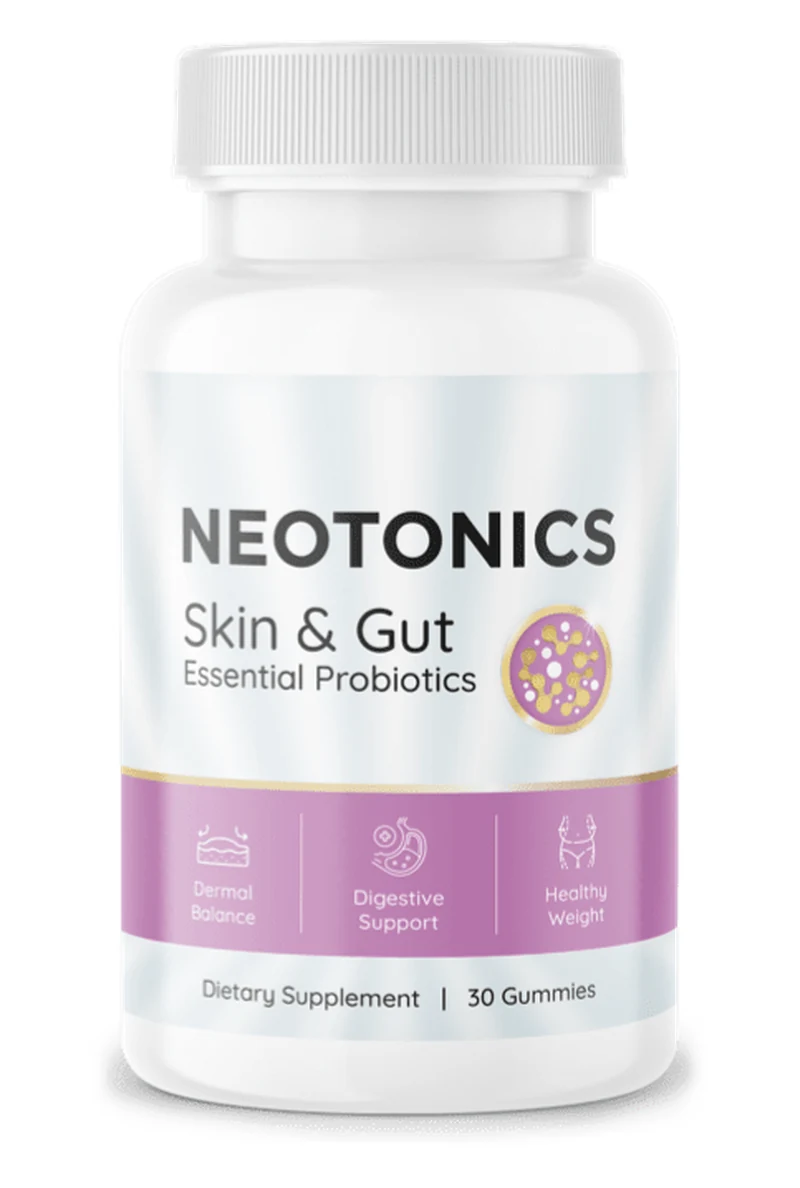
Neotonics
Neotonics is a one-a-day probiotic gummy marketed for skin aging and digestion, sold direct through ClickBank (and a Dig...
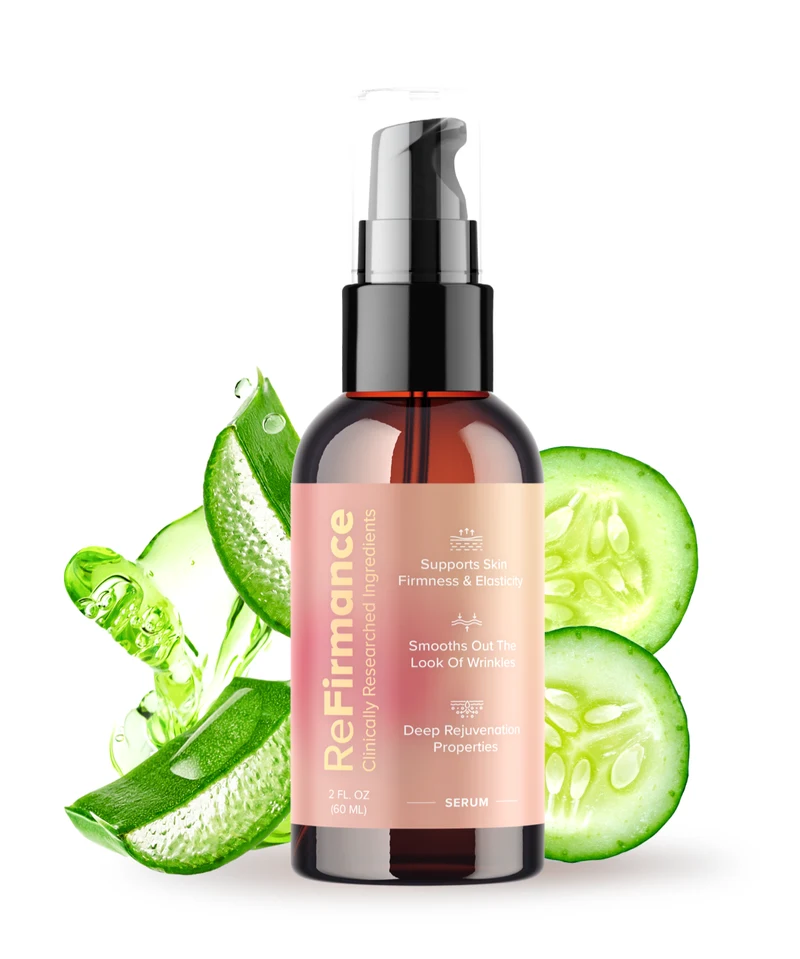
ReFirmance
ReFirmance is a 60 mL (2 fl oz) pump-bottle face and neck serum marketed as a natural 'lift serum' for sagging skin and ...
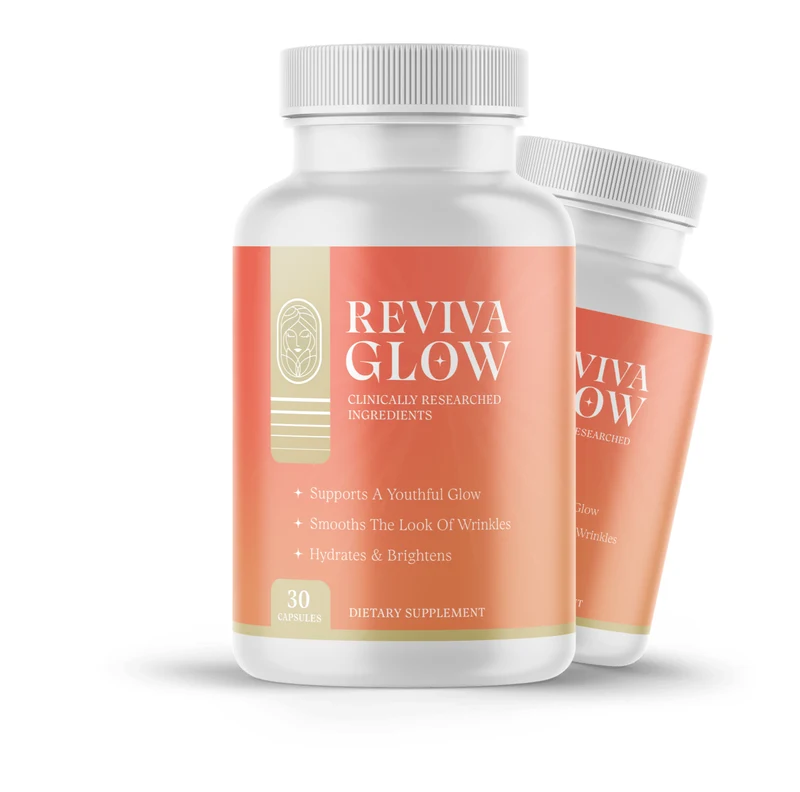
RevivaGlow
RevivaGlow is a one-capsule-a-day skin supplement sold direct through DigiStore24 checkout at $69 for one bottle, $59 pe...
Why we recommend Illuderma: Superior skin health targeting, clinically proven ingredients, and better value for money with money-back guarantee.
Illuderma vs Competitors
Detailed comparison of Illuderma against top skin health competitors in the market:
| Feature | Illuderma | Neotonics | ReFirmance |
|---|---|---|---|
| Price | From $49 | From $49 | From $49 |
| Money-Back Guarantee | 60 days | 60 days | 60 days |
| User Rating | 3.8/5 | 3.8/5 | 3.8/5 |
| Key Benefits | Hydration: the most consistent report by a wide margin, usually within the first week; the serum layers well under moisturizer and makeup, Radiance: users describe skin looking brighter or 'less tired', which is what better-hydrated, smoother skin does to reflected light | Bloating: The most common report is less post-meal distension by weeks 3-6, described as 'better' rather than 'gone', often after a gassier first fortnight, Regularity: Mildly constipated users report more predictable mornings, in line with what a small Bacillus coagulans dose might do | Hydration: The most consistent report is smoother, less tight skin on the neck within the first week, which is what a glycerin-and-aloe gel does on any dry skin, Texture: Users with crepey neck skin often describe it looking 'plumper' in the morning, plausibly from humectant water-binding rather than any structural change |
| Third-Party Testing | ✓ Yes | ? Unknown | ? Unknown |
Winner: Illuderma
Illuderma stands out with superior skin health support, longer money-back guarantee, and proven ingredients that specifically target skin health health.
Skin & Nail Health Writer
Elena covers skin, nail, and foot health with a focus on practical solutions for conditions like fungal infections and everyday dermatological concerns.
FAQ
Where can I buy Illuderma?
Illuderma is sold through the vendor's site, where checkout runs through DigiStore24. It is not sold in pharmacies or department stores, and listings on Amazon, Walmart Marketplace or eBay are not from the manufacturer and are not covered by the guarantee. Buying direct is the only way to get the 3- and 6-bottle pricing, the two bonus digital guides and the 60-day money-back guarantee. The distributor on the label is Illuderma, 19655 E 35th Dr. #100, Aurora, CO 80011 USA, with product support at contact@illuderma-product.com. Note one inconsistency: the site footer and checkout use DigiStore24, but the refund page points order self-service at ClickBank, so if one support channel has no record of your order, try the other. You can reach the vendor's order page through the links on this review.
How much does Illuderma cost?
At the time of this review, the vendor's page prices a single 1 fl oz (30 mL) bottle, sold as a 30-day supply, at $69 with free US shipping. The 3-bottle package is $177 ($59 per bottle) and the 6-bottle package is $294 ($49 per bottle), both with free US shipping and two bonus digital guides. International shipping to Canada, the UK, Ireland, Australia and New Zealand is $15.95 with 10-15 working days transit. Every discount is framed against a $99-per-bottle 'regular' price that, as far as we can tell, has never been charged. Worth knowing before you order: the same pricing configuration on the vendor's page sets post-purchase upsell bottles at $29 each ($87 for three, $174 for six), which is below the $49 tier presented as the best value. Prices change, so check the vendor's page before ordering.
Is Illuderma legit or a scam?
Illuderma is a real product with a fully printed INCI label, a physical distributor address in Aurora, Colorado, and checkout through DigiStore24, an established processor with a published refund process. It is not a scam in the sense of taking money and shipping nothing. It does have real problems: no ingredient concentration is disclosed anywhere, the sales page claims manufacture 'in an FDA-approved facility' when the FDA does not approve cosmetic facilities, the FAQ says the serum is 'designed for all ages, medical conditions, and skin types', the '17,371 reviews' figure cannot be verified outside the page, and testimonials describing acne scars clearing in two weeks are not a realistic timeline for pigment. Treat it as a legitimate cosmetic serum sold with an exaggerated pitch, and read the dark-spot claims sceptically.
Is there an Illuderma discount or coupon code?
Illuderma does not use coupon codes at checkout. The only discounts are the package prices: $69 for one bottle, $59 per bottle for three ($177) and $49 per bottle for six ($294), all with free US shipping, plus two bonus digital guides ('Asia's Best-Kept Skincare Secrets', listed at $79, and 'Get a Hollywood-Ready Body in 21 Days', listed at $89) on the 3- and 6-bottle orders. The vendor describes the 6-bottle price as $300 off, measured against a $99 'regular' price nobody appears to pay. Sites advertising Illuderma coupon codes, a 180-day guarantee or prices below $49 per bottle on a first order are affiliate pages; the vendor's refund policy says 60 days and its own configuration says $49 is the lowest first-purchase tier.
Does Illuderma have a money-back guarantee?
Yes, 60 days from the day your package is delivered, according to the refund policy on the vendor's site. The procedure is spelled out: check that you are still inside the 60 days using the carrier's tracking date, email the support address with 'Refund Request' in the subject line, then mail all bottles back, empty or not, with the packing slip and a note giving your name, email and order ID, to 19655 E 35th Dr. #100, Aurora, CO 80011 USA. Return shipping is at your cost. The vendor says the refund is processed within 5 to 10 days of receiving the package. Note that the same policy advises using the product for at least 3 months before concluding it has not worked, which is a month longer than the guarantee window, so plan around 60 days and not 90.
What are the ingredients in Illuderma?
The label lists: water, organic green tea (Camellia sinensis), glycerin, propylene glycol, aloe barbadensis leaf extract, vitamin C glucoside, vitamin C (ascorbic acid), hops (Humulus lupulus), rosemary (Rosmarinus officinalis) leaf extract, witch hazel (Hamamelis virginiana) leaf extract, sage (Salvia officinalis) leaf extract, horsetail (Equisetum arvense) extract, lemon (Citrus limonum) peel extract, gotu kola (Centella asiatica) extract, Scots pine (Pinus sylvestris) bud extract, hyaluronic acid, Pelargonium graveolens oil, vitamin E, methylsulfonylmethane, jojoba (Simmondsia chinensis) seed oil, carbomer, triethanolamine, phenoxyethanol, caprylyl glycol, potassium sorbate and hexylene glycol. No concentrations are given for any of them. There is no hydroquinone, no retinoid, no azelaic acid, no niacinamide, no kojic acid, no tranexamic acid and no arbutin, and there is no UV filter or iron oxide pigment despite the blue-light marketing.
Does Illuderma actually fade dark spots?
There is no trial of Illuderma, and the ingredient most likely to help is present at an undisclosed strength in a formula whose pH probably works against it. Vitamin C is the relevant active: in a 16-week split-face trial of 16 women with melasma, 5% ascorbic acid gave 62.5% good-to-excellent subjective results versus 93% for 4% hydroquinone, though colorimetry showed no significant difference and side effects were far lower with vitamin C. Crucially, free L-ascorbic acid has to be formulated below pH 3.5 to get into skin, and a carbomer gel neutralized with triethanolamine is not that. For context, 20% azelaic acid matched 4% hydroquinone over 24 weeks in 329 women with melasma, and 0.1% tretinoin improved MASI by 32% versus 10% for vehicle over 40 weeks. Most people who report a benefit from Illuderma describe brighter, better-hydrated skin overall, which is a real effect of the humectants and easy to mistake for spots fading.
Is blue light really what causes dark spots?
Partly, and mostly in medium to deep skin tones, and mostly from the sun rather than a screen. When 20 volunteers with skin types IV-VI were irradiated on the lower back, visible light produced pigmentation that was darker and longer-lasting than long-wave UVA1, while skin type II showed none at all. A wavelength study then narrowed it further: 415 nm blue-violet light produced hyperpigmentation lasting up to three months, while 630 nm red light produced none. So the phenomenon is real. What the sales page adds and the research does not is the claim that dark spots are therefore not caused by sun or age. UV remains the dominant driver of sun spots and a major driver of melasma, and daylight is by far the biggest source of visible light most people encounter. The one randomized trial that acted on this gave all 68 melasma patients 4% hydroquinone and compared SPF 50+ with iron oxide against SPF 50+ without; the iron oxide group did better. A tinted mineral sunscreen is the practical version of the shield Illuderma describes.
Are there side effects, and who should avoid it?
Most users tolerate it. The label's own caution is to use externally only and to discontinue if excessive redness or irritation occurs. The two ingredients to think about first are Pelargonium graveolens (geranium) oil, which is the fragrance and carries geraniol and citronellol, both recognized contact allergens in fragrance patch-test series, and Citrus limonum peel extract, which is worth flagging on a face product used twice daily because some citrus peel preparations contain photosensitizing compounds; the label does not specify. Propylene glycol and hexylene glycol are mild irritants for sensitive skin. People with eczema, rosacea or a known fragrance allergy should patch test on the inner forearm for three days first. Anyone pregnant or breastfeeding, or already using prescription tretinoin, hydroquinone or azelaic acid, should ask their dermatologist before layering this in. Ignore the sales page line about the serum being 'designed for all ages, medical conditions, and skin types'; that is marketing, not a safety assessment.
How long before I notice results?
Hydration and a dewier look usually show up within the first week or two, and that is the glycerin, aloe and hyaluronic acid rather than any change in pigment. Melanin sits in cells that turn over roughly every four to six weeks, so nothing about a dark spot can honestly change faster than that. The published trials in this area ran far longer: 16 weeks for the ascorbic acid versus hydroquinone comparison, 24 weeks for azelaic acid versus hydroquinone, 40 weeks for tretinoin. Judge Illuderma at 8 to 12 weeks with photographs taken in the same light, and set a calendar reminder for day 50 so the 60-day guarantee is still live if you decide it has not earned a second bottle. Buy the 3-bottle pack if you want the evaluation period and the refund window to overlap sensibly.
How does Illuderma compare with a plain vitamin C serum or a dermatologist's option?
A well-formulated vitamin C serum states its percentage and its pH; Illuderma states neither, and the formula's carbomer plus triethanolamine base points away from the low pH free ascorbic acid needs. If vitamin C is what you want, buying it at a disclosed strength is the more sensible way to get it. If measurable fading is what you want, the dermatologist's ladder has published numbers: 4% hydroquinone, 20% azelaic acid (statistically equivalent to hydroquinone over 24 weeks in 329 women, without the ochronosis risk), 0.1% tretinoin, or a combination, always on top of daily broad-spectrum sunscreen. Illuderma's honest place is alongside those, as a comfortable antioxidant and hydrating layer that makes skin look brighter. It is not a substitute for either the active or the sunscreen.
What if Illuderma doesn't work for me?
Use the guarantee, and use it on time. Email the vendor's support address with 'Refund Request' in the subject line before day 60 from delivery, keep the packing slip, and mail every bottle back, empty or not, to 19655 E 35th Dr. #100, Aurora, CO 80011 with tracking so you have proof of receipt. Return shipping is at your cost and the refund is processed 5 to 10 days after the package arrives. If your question is about the order rather than the product, the checkout is DigiStore24 and its self-service portal handles receipts and order lookups, though the vendor's refund page confusingly points to ClickBank instead; if one has no record of your order, try the other. Both processors have their own buyer-protection route if the vendor does not respond.
Get honest health tips & reviews
Join our newsletter for science-backed supplement reviews and wellness advice.
No spam. Unsubscribe anytime.