Neotonics Review: Can a 500 Million CFU Gummy With a 430 mg Herbal Blend Really Reset Your Skin Through Your Gut? (2026)
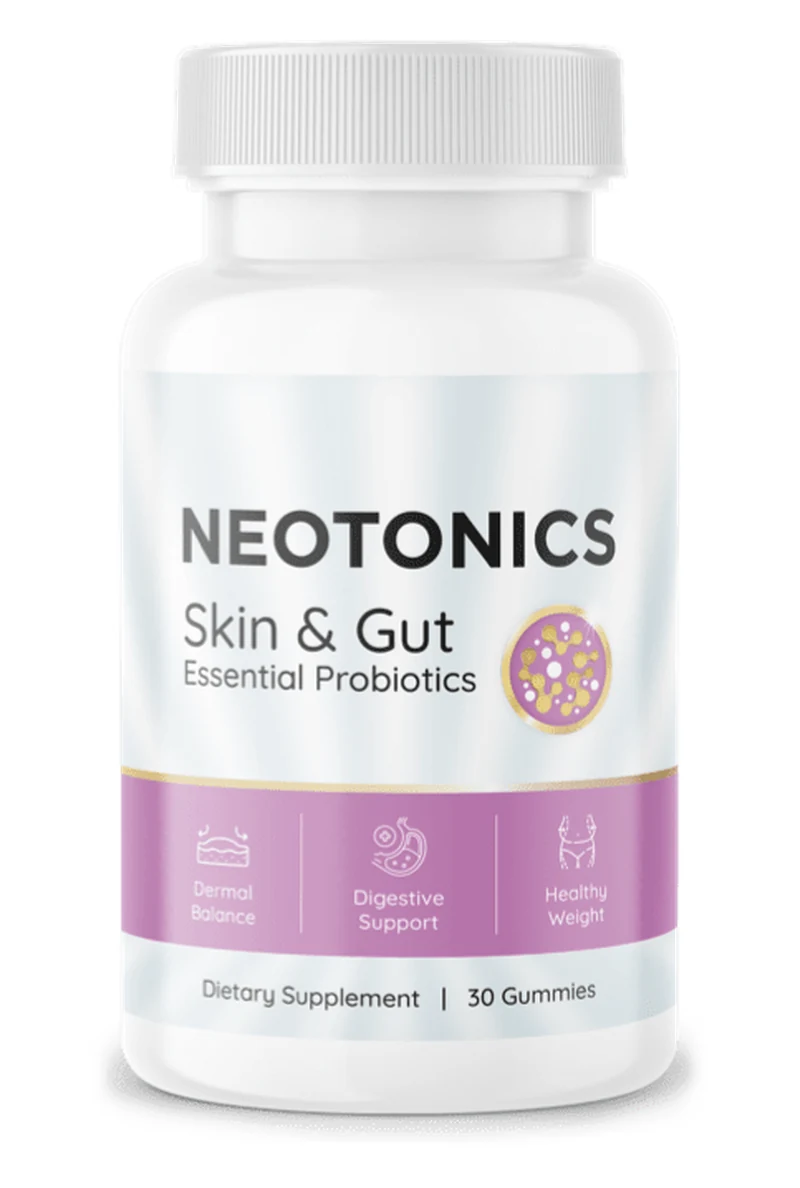
Neotonics is a one-a-day probiotic gummy marketed for skin aging and digestion, sold direct through ClickBank (and a DigiStore24 mirror) at $69 for one bottle, $59 per bottle for three, and $49 per bottle for six, with a 60-day money-back guarantee. The Supplement Facts panel lists 500 million CFU of Bacillus coagulans with no strain named, plus a 430 mg 'Proprietary Gut Health Blend' of nine botanicals: babchi, dandelion, fennel, fenugreek, inulin, lemon balm, organic Ceylon ginger, organic lion's mane, and slippery elm bark. We read the vendor's text presentation, the label, the refund and shipping policies, and the references page, then checked every ingredient claim against PubMed. The gut-skin story has some real science behind it, but not with this probiotic at this dose: the Bacillus coagulans trials used 1 to 2 billion CFU of named strains, the one probiotic trial that measured wrinkles and hydration used 10 billion CFU of a different species, and the nine herbs share 430 mg, about 48 mg each on average. The label also declares 0 g dietary fiber, which tells you how little inulin is in a gummy the sales page calls a 'strong prebiotic', and one of the nine herbs, babchi, has published case reports of serious liver injury when taken by mouth.

Elena Santos
Skin & Nail Health Writer
Last updated: September 6, 2026
Disclosure: This review contains affiliate links. If you purchase through our links, we may earn a commission at no extra cost to you. Read our affiliate disclosure and editorial policy.
Skin & Nail Health Writer
Elena covers skin, nail, and foot health with a focus on practical solutions for conditions like fungal infections and everyday dermatological concerns.
At a glance
Best for
- Adults 35-65 with mild, doctor-evaluated bloating or sluggish digestion who want a one-a-day gummy rather than a capsule
- People who have already tried a conventional probiotic and want to test a spore-forming Bacillus coagulans product, understanding the dose is a quarter of what the trials used
- Anyone curious about the gut-skin axis who is realistic that the human evidence comes from other strains at 20 times this dose
- Buyers who can commit to the 3- or 6-bottle order so the refund window is not the limiting factor
- People who want a gelatin-free gummy; Neotonics uses pectin
Not for
- Anyone with liver disease, elevated liver enzymes, or a history of drug- or herb-induced liver injury: babchi (Psoralea corylifolia) has published case reports of acute liver failure when taken by mouth
- People with active acne, melasma, rosacea, or eczema expecting a treatment; nothing in the formula has an oral human trial for any of these
- People with diabetes or on blood-sugar medication: fenugreek lowers glucose in trials, and each gummy carries 2 g of added sugar, so discuss it with a prescriber
- Anyone who needs a disclosed probiotic strain and a viability guarantee to expiry; the label gives neither
- Pregnant or nursing women, or anyone under a physician's care, per the label's own caution
- Anyone who took 'designed for all ages and medical conditions' on the sales page at face value; that line contradicts the label
Neotonics price & where to buy
- Price: from $49 per bottle (single bottle $69) · Save up to $300 on 6 bottles
- Guarantee: 60-day money-back guarantee
- Where to buy: only on the official Neotonics website — not sold in stores, on Amazon or Walmart.
Neotonics still worth it in 2026?
A pleasant, low-dose probiotic gummy sold on a skin-turnover story its own label cannot support: a reasonable trial at the 6-bottle price for mild bloating, not a substitute for a dermatologist or a properly dosed probiotic
"Less bloated by week three and the gummy tastes like a fruit snack, so I actually took it every day. My skin looks the same as before."
"I bought it for the dark spots the ad talked about. Sixty days later, nothing on my face changed. Digestion was a little better, which I did not expect."
"Read the label after it arrived: 500 million CFU and a blend under half a gram. My drugstore probiotic has 20 times the bacteria for a third of the price."
- Bacillus coagulans is a legitimate, acid-stable probiotic with placebo-controlled trials for IBS pain, bloating, and diarrhea, which is more than most skin-supplement ingredients can say.
- Those trials used 1 to 2 billion CFU of specific strains (GBI-30, MTCC 5856, Unique IS2). Neotonics lists 500 million CFU and no strain at all, so the trial results cannot be assumed to transfer.
- The nine botanicals share a 430 mg proprietary blend; lion's mane alone was dosed at 3 g per day in its human trial, and fenugreek at gram-level seed doses. No herb here can be anywhere near a studied amount.
- 60-day money-back guarantee per the vendor's refund policy, counted from delivery; every bottle must be mailed back at your cost to Aurora, Colorado, and the same policy tells you to use it for 3 months before judging.
Best suited to adults who like the gummy format, have mild bloating or irregularity that a doctor has already called functional, are not on the fence about liver health, and buy the 3- or 6-bottle pack so the refund window and the vendor's own 3-month recommendation overlap.
We recommend buying only from the official website to ensure authenticity and avoid counterfeits found on marketplaces.
Join the success stories! Get Neotonics with our money-back guarantee.
✓ Money-Back Guarantee • ✓ Free Shipping
What is Neotonics?
A one-a-day pectin gummy built on a small probiotic dose and a smaller herbal blend
Neotonics is a 30-gummy, one-a-day dietary supplement distributed by NeoTonics at 19655 E 35th Dr #100, Aurora, Colorado, the same address and refund process used by a family of DigiStore24 and ClickBank supplements. The Supplement Facts panel lists, per 3.3 g gummy: 10 calories, 7.5 mg sodium, 3 g total carbohydrate, 0 g dietary fiber, 2 g total sugars (2 g added, 4% of the Daily Value), 500 million CFU of Bacillus coagulans, and a 430 mg 'Proprietary Gut Health Blend' of babchi, dandelion, fennel, fenugreek, inulin, lemon balm, organic Ceylon ginger, organic lion's mane, and slippery elm bark. Other ingredients are corn syrup, sugar, purified water, pectin, citric acid, sodium citrate, medium-chain triglyceride oil, organic apple flavor, organic red color from vegetable juice, malic acid, and a trace of carnauba wax. There is no strain designation for the probiotic, no CFU-at-expiry guarantee, and no per-ingredient amount for any of the nine herbs.
The sales page describes 'no less than 500 million units of extra-strong bacteria and 9 potent natural ingredients'. The number is accurate, but the framing is not: 500 million CFU is a low dose for a probiotic. The Bacillus coagulans trials the vendor's own references page cites used 1 billion CFU (GBI-30, 6086 in older adults) and 2 billion CFU (MTCC 5856 in IBS-D, Unique IS2 in adult IBS). Nine herbs sharing 430 mg works out to about 48 mg each if split evenly; if inulin is a meaningful part of it, the rest are smaller still. The label's own '0 g dietary fiber' line settles the inulin question: a 'strong prebiotic' dose of inulin is 5 to 10 g, and this gummy contains less than half a gram of fiber in total.
The pitch is that 'cellular turnover is controlled by the gut, its microbiome, and nutrient absorption', that an aging gut slows skin renewal, and that Neotonics brings in 'fresh, young beneficial bacteria' to fix it. Of the 26 entries on the vendor's references page, ten are blog posts and consumer articles (Healthline, Medical News Today, Body+Soul, SelfHacked, a lemon balm salve recipe, a fenugreek listicle). Of the peer-reviewed entries, none links any Neotonics ingredient to skin cell turnover in humans; the dandelion skin entry is a test-tube fibroblast study, the fenugreek microbiome entry is in mice, and the Bacillus coagulans entries are all digestive trials. The sales page's FAQ also says the product is 'designed for all ages and medical conditions' and made in an 'FDA-approved facility'; the label says 'FDA registered facility' and tells anyone pregnant, nursing, on medication, or under a physician's care to consult a professional first.
Where does that leave someone comparing options? Neotonics is essentially the same formula sold under a second name as PrimeBiome, which we also review on this site: the same 500 million CFU Bacillus coagulans, the same nine botanicals, the same price ladder, the same 60-day guarantee. If you want the gut-skin angle in a gummy, the choice between the two comes down to which vendor page you trust and the checkout you prefer. If you want a probiotic with a named strain and a trial-level dose, a plain 2 billion CFU Bacillus coagulans capsule costs a fraction of either.
How it works
How Neotonics is supposed to work, and what the research actually supports
Step 1
Gut-Skin Axis: The premise that gut bacteria influence skin is not invented. In a randomized placebo-controlled trial of 110 adults aged 41 to 59 with dry skin and wrinkles, 12 weeks of Lactobacillus plantarum HY7714 at 10 billion CFU per day improved skin hydration, reduced wrinkle depth, and raised elasticity by about 22% versus placebo. That is a different species at 20 times the Neotonics dose. A 2023 systematic review of probiotics for photoaging concluded that the barrier and hydration findings come mainly from mouse studies and that human randomized trials are still needed.
Step 2
Bacillus coagulans and Digestion: This is the ingredient with the best evidence, all of it digestive. In a 136-adult randomized double-blind trial, Bacillus coagulans Unique IS2 at 2 billion CFU daily for 8 weeks improved abdominal pain and complete spontaneous bowel movements versus placebo. In a 36-patient trial, MTCC 5856 at 2 billion CFU for 90 days reduced bloating, diarrhea, and abdominal pain in IBS-D. In a 44-subject trial, GBI-30, 6086 improved pain and bloating scores from baseline over 8 weeks. Neotonics provides 500 million CFU, a quarter of the trial dose, and does not say which strain.
Step 3
Bacillus coagulans and Skin: The only skin trial involving this species that we could find used LactoSporin, an extracellular metabolite of MTCC 5856, applied as a cream by 56 women for 10 weeks. Wrinkles improved by dermatologist grading, while instrument measures of elasticity and hydration did not separate from placebo. It was topical, it was a metabolite rather than live bacteria, and the study was run by the ingredient's manufacturer. It says nothing about swallowing 500 million spores.
Step 4
Skin Renewal from Babchi: The vendor's babchi claims, 'boosts skin rejuvenation' and 'supports collagen production', rest on bakuchiol, a compound from the babchi seed that in a 44-patient randomized double-blind trial reduced wrinkle surface area and hyperpigmentation as well as 0.5% retinol cream over 12 weeks. That was a 0.5% cream applied twice a day, not a few milligrams eaten in a gummy. Oral Psoralea corylifolia is a different matter: a 2019 case report and literature review describes acute liver failure and death in a 53-year-old woman after seven months of a Psoralea-containing formula, and a 2024 report describes acute-on-chronic liver failure attributed to babchi in a middle-aged woman with underlying liver disease.
Step 5
Prebiotic Support: The sales page calls inulin and dandelion 'strong prebiotics' with 'skin protecting qualities'. A 2017 meta-analysis of 12 randomized trials in 609 overweight adults found isolated soluble fiber cut body weight by about 2.5 kg over 2 to 17 weeks, and a 6-month trial of 13 g of inulin per day in 155 obese children found no difference in adiposity versus placebo. Both used gram doses. The Neotonics label declares 0 g dietary fiber per gummy, so whatever inulin is present is below the rounding threshold.
Step 6
The Rest of the Blend: Fennel essential oil combined with curcumin cut IBS symptom scores by 50% versus 26% on placebo in 121 patients over 30 days. Ginger juice shifted gut bacterial diversity in a 123-person crossover study, and 1.2 g of ginger sped gastric emptying without changing symptoms in 11 dyspepsia patients. Lion's mane at 3 g per day improved cognitive scores in 30 Japanese adults with mild cognitive impairment. Slippery elm appeared in two multi-herb IBS formulas in an uncontrolled 31-patient pilot. Lemon balm extract reduced anxiety and insomnia scores in a 20-person open-label study. None of these measured skin, and none used anything close to the dose a nine-way 430 mg blend can hold.
Ready to try Neotonics? Get started today with our exclusive offer.
✓ Money-Back Guarantee • ✓ Free Shipping
Ingredients
Bacillus coagulans - 500 Million CFU
Benefits:
The only ingredient with a disclosed dose, and the only one with placebo-controlled human trials that relate to what the product promises. Bacillus coagulans is a spore-forming probiotic that survives stomach acid and shelf storage better than most Lactobacillus species. In a 136-adult randomized double-blind trial, strain Unique IS2 at 2 billion CFU daily for 8 weeks improved IBS abdominal pain and complete bowel movements; strain MTCC 5856 at 2 billion CFU for 90 days reduced bloating, diarrhea, and pain in 36 IBS-D patients; strain GBI-30, 6086 improved pain and bloating scores in a 44-subject trial and increased beneficial Faecalibacterium at 1 billion CFU in 36 older adults. Probiotic effects are strain-specific and dose-dependent. Neotonics lists 500 million CFU, a quarter of the trial dose, names no strain, and offers no CFU-at-expiry guarantee. No oral Bacillus coagulans trial has measured skin outcomes; the only skin study of this species used a topical metabolite cream.
Babchi (Psoralea corylifolia)
Benefits:
The Ayurvedic seed that is the source of bakuchiol, the ingredient behind the sales page's 'skin rejuvenation' and 'collagen' claims. In a 44-patient randomized double-blind trial, a 0.5% bakuchiol cream applied twice daily for 12 weeks reduced wrinkle surface area and hyperpigmentation as well as 0.5% retinol with less scaling and stinging. That evidence is topical. Taken by mouth, Psoralea corylifolia is a documented cause of herb-induced liver injury: a 2019 case report and literature review describes fatal acute liver failure after 7 months of a Psoralea-containing formula, and a 2024 report describes acute-on-chronic liver failure attributed to babchi in a woman with existing liver disease. The seed also contains psoralens, the photosensitizing compounds used in PUVA phototherapy. Amount in the 430 mg blend not disclosed; no oral safety or efficacy trial at any dose.
Inulin
Benefits:
A soluble prebiotic fiber from chicory or Jerusalem artichoke that feeds bifidobacteria and, at gram doses, has metabolic effects. A 2017 meta-analysis of 12 randomized trials in 609 overweight adults found isolated soluble fiber supplementation reduced body weight by about 2.5 kg and improved fasting glucose and insulin over 2 to 17 weeks, while 13 g of inulin daily for 6 months in 155 obese children produced no difference in body fat versus placebo. Prebiotic doses in those trials start around 5 g. The Neotonics label declares 0 g dietary fiber per 3.3 g gummy, which means the inulin content is below the labeling threshold and cannot be doing the 'strong prebiotic' work the sales page assigns it. Dose not disclosed.
Dandelion (Taraxacum officinale)
Benefits:
A bitter herb used traditionally as a diuretic and digestive tonic. The single human study is a 17-person pilot in which a fresh-leaf extract at 8 mL three times in one day increased urination frequency after the first dose and urine output after the second; the third dose did nothing. The vendor's 'skin protecting' citation is a laboratory study of dandelion root compounds on cultured human fibroblasts, not a human trial. Dandelion is in the ragweed family, which matters for people with related pollen allergies. Dose not disclosed.
Fennel (Foeniculum vulgare)
Benefits:
A carminative seed used for gas and cramping. Its best human evidence is a 121-patient randomized placebo-controlled trial in which a combination of curcumin and fennel essential oil for 30 days cut IBS symptom severity by 50% versus 26% on placebo, with 26% versus 7% of patients becoming symptom-free. Fennel was not tested alone in that trial, and it was given as an essential oil, not as powdered seed inside a 430 mg nine-way blend. The sales page's 'repairs body tissues' claim has no human study behind it. Dose not disclosed.
Fenugreek (Trigonella foenum-graecum)
Benefits:
A legume seed with the strongest evidence in the blend for something the product does not advertise: blood sugar. A meta-analysis of 10 clinical trials found fenugreek lowered fasting glucose by about 1 mmol/L and HbA1c by 0.85%, but only at medium or high seed doses in people with diabetes, and most trials were of low quality. The vendor's microbiome citation is a mouse study of fenugreek and a high-fat diet. Fenugreek can cause a harmless maple-syrup body odor, is related to peanuts and chickpeas, and is traditionally avoided in pregnancy. It is worth flagging to anyone on glucose-lowering medication. 'Strong moisturizer' has no human data. Dose not disclosed.
Lemon Balm (Melissa officinalis)
Benefits:
A mint-family herb studied mainly for anxiety and sleep. In an open-label 15-day pilot in 20 volunteers with mild-to-moderate anxiety and sleep disturbance, a standardized lemon balm extract reduced anxiety scores by 18% and insomnia by 42%; there was no placebo group. The sales page's 'tightens skin' and 'unclogs pores' claims are supported on the vendor's references page by a blog post and a salve recipe. No human trial has examined oral lemon balm for any skin outcome. Dose not disclosed.
Organic Ceylon Ginger (Zingiber officinale)
Benefits:
Ginger has real human data for nausea and gastric motility. A crossover study in 123 healthy adults found short-term fresh ginger juice increased gut bacterial species richness and shifted several genera, and 1.2 g of ginger sped gastric emptying in 11 functional dyspepsia patients without changing their symptoms. Those are gram and juice doses; the share of ginger in a 430 mg nine-way blend is likely a few dozen milligrams. 'Protects the skin' has no human evidence by mouth. Dose not disclosed.
Organic Lion's Mane (Hericium erinaceus)
Benefits:
An edible mushroom studied for cognition. In a placebo-controlled trial, 30 Japanese adults aged 50-80 with mild cognitive impairment took 3 g of dried lion's mane daily for 16 weeks and showed higher cognitive scores at weeks 8, 12, and 16, which fell after they stopped. The sales page's 'long term anti-aging effects' claim is cited to a SelfHacked blog post; there is no human trial of lion's mane for skin. The human cognitive dose was roughly seven times the entire Neotonics herbal blend. Dose not disclosed.
Slippery Elm Bark (Ulmus rubra)
Benefits:
A mucilage-rich bark traditionally used to coat an irritated throat or gut lining. Its only human evidence is an open-label, uncontrolled 31-patient pilot in which two multi-herb IBS formulas containing slippery elm improved bloating, straining, and abdominal pain, and the constipation formula increased bowel movement frequency by 20%. Slippery elm was one of four herbs in each formula and no placebo was used. The 'protect against rashes' claim has no human study. Mucilage can slow absorption of other medications if taken at the same time, though the amount in this blend is small. Dose not disclosed.
Safety
Safety profile and what to expect
Neotonics combines a spore-forming probiotic at a low dose with nine botanicals at a combined 430 mg, in a pectin gummy sweetened with corn syrup and sugar. The label tells anyone pregnant, nursing, taking medication, or under a physician's care to consult a professional first, and to keep it away from children. The certifications graphic claims GMP and an FDA-registered facility, and the label says 'Made in the USA using foreign and US ingredients'. The sales page's claim that the product is 'designed for all ages and medical conditions' and that 'there have been no reports of any notable side effects' among 'more than 170,000 customers' is marketing, not a safety study, and it contradicts the label's own caution.
The ingredient that deserves the most attention is babchi. Its seed, Psoralea corylifolia, contains psoralens, the photosensitizing compounds used in PUVA phototherapy, and it has a documented record of herb-induced liver injury when taken orally in traditional formulas, including a fatal case of acute liver failure and a case of acute-on-chronic liver failure in someone with existing liver disease. The amount in a 430 mg nine-way blend is almost certainly small, but the label does not tell you how small, and there is no oral safety trial of babchi at any dose. Fenugreek lowers blood glucose in people with diabetes and is a legume related to peanuts and chickpeas, so it matters for anyone on diabetes medication or with legume allergy. Dandelion is a mild diuretic and is in the ragweed family.
Possible Side Effects
- ⚠Gas and bloating in the first one to two weeks as gut bacteria adjust; usually settles with continued use
- ⚠Loose stools or, less often, mild constipation, both reported in probiotic trials at higher doses
- ⚠Mild stomach upset or heartburn, more likely from the ginger and fennel if taken on an empty stomach
- ⚠A faint maple-like body or urine odor, a known and harmless effect of fenugreek
- ⚠Increased sun sensitivity is theoretically possible from psoralens in babchi; wear sunscreen and stop if you burn unusually easily
Warnings
- ✗Do not use if you have liver disease, elevated liver enzymes, or a history of drug- or herb-induced liver injury; oral Psoralea corylifolia (babchi) has published case reports of acute liver failure
- ✗Stop and seek care for dark urine, yellowing of the eyes or skin, pale stools, or persistent right-upper abdominal pain
- ✗If you have diabetes or take glucose-lowering medication, check with your prescriber; fenugreek lowers blood glucose and each gummy carries 2 g of added sugar
- ✗Not for pregnant or nursing women, per the label; babchi and fenugreek are both traditionally avoided in pregnancy
- ✗Avoid with a legume (peanut, chickpea, soy) allergy because of fenugreek, or a ragweed-family allergy because of dandelion
- ✗Take at least two hours apart from thyroid medication or other narrow-window drugs if you also use fiber or clay products; the gummy itself is low in fiber, but the ginger and fenugreek can affect absorption and clotting in theory
- ✗Keep out of reach of children; it looks and tastes like candy, and the vendor's 'all ages' claim does not appear on the label
Neotonics is safe and effective. Join thousands of satisfied customers.
✓ Money-Back Guarantee • ✓ Free Shipping
How to take Neotonics for best results
Timing
Any consistent time of day works. The vendor's refund policy advises using the product for at least 3 months before judging it, which conflicts with a 60-day refund window that starts on delivery.
Directions
- Take one gummy daily, per the label; each bottle has 30 gummies, a 30-day supply
- Chew it with or after a meal; spore-forming probiotics survive stomach acid, but the ginger and fennel are gentler on a fed stomach
- Do not take more than one a day; more gummies means more sugar, not more evidence
Pro Tips
- 💡Weeks 1-2: Expect a little more gas, not less. That is normal with any probiotic and usually passes.
- 💡Weeks 3-8: This is when the Bacillus coagulans IBS trials measured changes in bloating and stool pattern, at four times the Neotonics dose; if you are going to notice anything digestive, it will be here.
- 💡Weeks 8-12: The one probiotic trial that measured skin hydration and wrinkles ran 12 weeks at 10 billion CFU of a different species; do not expect skin changes sooner than that, and be realistic about seeing them at all.
- 💡Decide before day 50: the refund clock starts when the package arrives, and you must mail every bottle back and allow for transit.
- 💡Photograph your skin in the same light on day 1 and day 60, and keep a one-line daily bloating score; memory is a terrible instrument for either.
- 💡Do the things with far stronger skin evidence at the same time: daily broad-spectrum sunscreen, a retinoid or bakuchiol cream if tolerated, 25-30 g of fiber from food, and enough sleep. Neotonics adds 0 g of fiber and no topical anything to that list.
Note: Give Neotonics a full 8 weeks, but set a calendar reminder. The vendor recommends 3 months; the guarantee gives you 2. Buy the 3-bottle pack if you want the evaluation and the refund window to line up.
What users report after taking Neotonics
Note: Individual results vary with diet, baseline gut health, sun exposure, and skincare. Benefits are most often reported by people with mild digestive symptoms who were not already taking a probiotic.
Experience these benefits yourself! Neotonics is available now.
✓ Money-Back Guarantee • ✓ Free Shipping
Pros & Cons
✓Pros
- +Bacillus coagulans is an acid- and heat-stable spore former with several randomized placebo-controlled IBS trials, a stronger base than most skin-supplement ingredients
- +Full ingredient list, allergen-relevant excipients, and a sensible caution statement are printed on the label
- +One gummy a day is a routine most people will actually keep; pectin-based, so no gelatin
- +No stimulants, no laxatives, no senna; the formula is a probiotic, fiber-adjacent botanicals, and a mushroom
- +Gluten-free and non-GMO per the vendor; 10 calories per gummy
- +6-bottle price of $49 matches PrimeBiome and other ClickBank gut-skin products at the same tier
- +ClickBank checkout with a published refund policy and a 60-day window counted from delivery, and the vendor states there is no autoship
- +Same distributor address and refund process as a long-running family of products, so the guarantee has a track record of being honored
✗Cons
- -500 million CFU is a quarter of the 2 billion CFU used in the Bacillus coagulans IBS trials, and the strain is not named, so none of that research can be assumed to apply
- -Nine herbs share a 430 mg proprietary blend, roughly 48 mg each; lion's mane, fenugreek, ginger, and inulin were all studied at 1 to 13 g per day
- -The label declares 0 g dietary fiber, which contradicts the 'strong prebiotic' framing of inulin and dandelion on the sales page
- -Babchi (Psoralea corylifolia) has published case reports of acute liver failure when taken orally, and the label does not disclose how much is in the blend
- -No human trial links any ingredient, at any dose, to skin cell turnover, dark spots, or wrinkles by mouth; the bakuchiol evidence is for a topical cream
- -The sales page says 'designed for all ages and medical conditions' and 'FDA-approved facility'; the label says consult a professional if you have a condition and 'FDA registered facility'
- -2 g of added sugar per gummy, with corn syrup and sugar as the first two other ingredients, in a product that also claims to support healthy weight
- -Vendor's references page pads 26 entries with blog posts, a salve recipe, and a listicle; the only skin studies are a cell-culture paper and five psoriasis case reports
- -60-day guarantee is shorter than the 3 months the vendor recommends, and you must mail every bottle back at your cost; the single bottle is $69 and the advertised $49 requires a $294 order, while post-purchase upsell pages sell extra bottles at $29 each
- -The '13,968 reviews' and '170,000 customers' figures cannot be verified anywhere outside the sales page
Evidence
Bacillus coagulans Unique IS2: in a randomized double-blind trial, 136 adults with IBS took 2 billion CFU daily or placebo for 8 weeks; the probiotic significantly improved abdominal pain and complete spontaneous bowel movements with no severe adverse events (Madempudi et al., Scientific Reports, 2019). Neotonics gives 500 million CFU of an unnamed strain
Bacillus coagulans MTCC 5856: 36 newly diagnosed IBS-D patients received 2 billion CFU daily or placebo for 90 days alongside standard care; bloating, diarrhea, abdominal pain, and stool frequency fell significantly versus placebo (Majeed et al., Nutrition Journal, 2016)
Bacillus coagulans GBI-30, 6086: 44 IBS subjects took the probiotic or placebo once daily for 8 weeks; abdominal pain and bloating improved from baseline in the probiotic group at every weekly comparison, though baseline imbalance limited between-group analysis (Hun, Postgraduate Medicine, 2009); in 52 IBS-D patients the same strain reduced daily bowel movements versus placebo (Dolin, Methods and Findings in Experimental and Clinical Pharmacology, 2009); at 1 billion CFU for 28 days it increased Faecalibacterium prausnitzii in 36 adults aged 65-80 (Nyangale et al., Journal of Nutrition, 2015)
Synbiotic with Bacillus coagulans: 85 IBS patients randomized to synbiotic or placebo for 12 weeks; abdominal pain and diarrhea frequency fell more with the synbiotic, with 56 completers (Rogha et al., Gastroenterology and Hepatology from Bed to Bench, 2014)
Probiotics and skin: 110 adults aged 41-59 with dry, wrinkled skin took Lactobacillus plantarum HY7714 at 10 billion CFU daily or placebo for 12 weeks; skin hydration, wrinkle depth, gloss, and elasticity (up 21.7% versus controls) improved in the probiotic group (Lee et al., Journal of Microbiology and Biotechnology, 2015); a systematic review and meta-analysis of probiotics for photoaging found reduced epidermal thickening and water loss mainly in mouse studies and called for human randomized trials (Jwo et al., Photodermatology, Photoimmunology and Photomedicine, 2023)
Bacillus coagulans metabolite on skin: LactoSporin, an extracellular metabolite of MTCC 5856, applied topically by 56 women for 10 weeks reduced wrinkle visibility by dermatologist and photographic assessment, while instrument measures of elasticity and hydration did not differ from placebo; the study was conducted by the ingredient's manufacturer (Majeed et al., Clinical, Cosmetic and Investigational Dermatology, 2023)
Babchi / bakuchiol: in a randomized double-blind 12-week trial, 44 patients applied 0.5% bakuchiol cream twice daily or 0.5% retinol cream daily; both reduced wrinkle surface area and hyperpigmentation with no difference between them, and retinol caused more scaling and stinging (Dhaliwal et al., British Journal of Dermatology, 2019). Oral Psoralea corylifolia: a 53-year-old woman developed acute cholestatic hepatitis after 7 months of a Psoralea-containing vitiligo formula and died of acute liver failure, with six prior English-language liver-injury cases reviewed (Li et al., BMC Complementary and Alternative Medicine, 2019); a middle-aged woman with chronic liver disease developed biopsy-confirmed acute-on-chronic liver failure attributed to Bakuchi (Gandhi et al., Journal of Clinical and Experimental Hepatology, 2024)
Inulin and soluble fiber: a systematic review and meta-analysis of 12 randomized trials in 609 overweight or obese adults found isolated soluble fiber supplementation reduced body weight by 2.52 kg, BMI by 0.84, and fasting glucose and insulin versus placebo over 2 to 17 weeks, with considerable heterogeneity (Thompson et al., American Journal of Clinical Nutrition, 2017); 13 g of inulin daily for 6 months in 155 obese Thai children produced no difference in adiposity versus maltodextrin or dietary advice (Visuthranukul et al., Scientific Reports, 2022). The Neotonics label declares 0 g dietary fiber per gummy
Dandelion: in a 17-person pilot, a fresh-leaf hydroethanolic extract at 8 mL three times in one day significantly increased urination frequency after the first dose and excretion ratio after the second; the third dose changed nothing (Clare et al., Journal of Alternative and Complementary Medicine, 2009); the vendor's skin citation is a study of dandelion root constituents on cultured human fibroblasts (Warashina et al., Chemical and Pharmaceutical Bulletin, 2012)
Fennel: 121 patients with mild-to-moderate IBS took a curcumin plus fennel essential oil combination or placebo for 30 days; the relative decrease in IBS symptom severity was 50.1% versus 26.1%, and 25.9% versus 6.8% became symptom-free (Portincasa et al., Journal of Gastrointestinal and Liver Diseases, 2016); fennel was not tested alone
Fenugreek: a meta-analysis of 10 clinical trials found fenugreek seed intake lowered fasting glucose by 0.96 mmol/L, 2-hour post-load glucose by 2.19 mmol/L, and HbA1c by 0.85%, with significant effects only at medium or high doses in people with diabetes and most trials of low quality (Neelakantan et al., Nutrition Journal, 2014); the vendor's microbiome citation is a mouse study of fenugreek and high-fat diet (Bruce-Keller et al., Scientific Reports, 2020)
Lemon balm: an open-label 15-day pilot in 20 volunteers with mild-to-moderate anxiety and sleep disturbance found a standardized Melissa officinalis extract reduced anxiety manifestations by 18% and insomnia by 42%, with no placebo group (Cases et al., Mediterranean Journal of Nutrition and Metabolism, 2011)
Ginger: a crossover study in 123 healthy adults found short-term fresh ginger juice increased gut bacterial species richness and shifted several genera, with different patterns in men and women (Wang et al., Frontiers in Microbiology, 2021); 1.2 g of ginger sped gastric half-emptying from 16.1 to 12.3 minutes in 11 functional dyspepsia patients without changing symptoms (Hu et al., World Journal of Gastroenterology, 2011)
Lion's mane: 30 Japanese adults aged 50-80 with mild cognitive impairment took 3 g of Hericium erinaceus dry powder daily (four 250 mg tablets three times a day) or placebo for 16 weeks; cognitive scores rose significantly at weeks 8, 12, and 16 and fell after stopping (Mori et al., Phytotherapy Research, 2009); no human skin outcome has been studied
Slippery elm: in an open-label uncontrolled pilot of 31 IBS patients, two multi-herb formulas containing slippery elm bark improved bloating, straining, and abdominal pain, and the constipation formula raised bowel movement frequency by 20% (Hawrelak and Myers, Journal of Alternative and Complementary Medicine, 2010); slippery elm was not tested alone and no placebo was used
The vendor's 'cellular turnover is controlled by the gut' claim is not supported by any entry on its references page; the page's skin-related entries are a fibroblast cell-culture study, five psoriasis diet case reports, and consumer articles
Who is it for?
Perfect for:
- ✓Adults 35-65 with mild, doctor-evaluated functional bloating or irregularity who prefer a gummy
- ✓People who want to try a spore-forming Bacillus coagulans product and accept that the dose is a quarter of the trials and the strain is unnamed
- ✓Those interested in the gut-skin axis who understand the human evidence is for other strains at far higher doses
- ✓Adults with normal liver function and no history of herb- or drug-induced liver injury, given the babchi content
- ✓People without diabetes or on stable glucose management who have cleared fenugreek and 2 g of added sugar per day with their prescriber
- ✓Buyers who will purchase the 3- or 6-bottle pack so the 60-day refund window and the vendor's 3-month recommendation overlap
Survey & stats
Based on 131 participants over 60 days of consistent use
Testimonials
Brian S.
Toledo, OH
"I looked up Bacillus coagulans before ordering and knew this was a small dose, so I bought the six pack with low expectations. Less gas by week five, no stomach trouble, and the one-a-day habit stuck. I would not pay $69 for a single bottle, but at $49 it is fine for what it is."
Maria G.
Tucson, AZ
"My skin looks a little brighter after two months, but I also started sunscreen every day and a vitamin C serum at the same time, so I honestly cannot credit the gummy. Digestion is slightly calmer. I asked support about the babchi and my liver medication and they told me to ask my doctor, which is fair but not reassuring."
Janet W.
Louisville, KY
"The bonus ebooks about cellulite and hair are filler and the 'all ages and medical conditions' line on the site made me roll my eyes, but the gummies themselves have been fine. Less bloating, no side effects, and I like that it is pectin rather than gelatin. Do not buy it expecting your wrinkles to change."
Where to buy Neotonics
Visit the official website to get the best pricing and authentic product guarantee.
⚠️ Only available through official website
✅ 60-day money-back guarantee
🏆Conclusion
Editorial Verdict
Neotonics is a low-dose probiotic gummy sold with a skin-science story its own label cannot back up. The ingredient choices are defensible: Bacillus coagulans has real placebo-controlled digestive trials, inulin is a genuine prebiotic, and bakuchiol from babchi is a legitimate topical alternative to retinol. The numbers are the problem. The probiotic is 500 million CFU of an unnamed strain against trials at 1 to 2 billion CFU of named ones; the only probiotic trial that measured wrinkles used a different species at 10 billion CFU; nine herbs split 430 mg while their human trials used grams; and the gummy declares 0 g of fiber while the sales page calls it a strong prebiotic. Add a babchi component with published liver-failure case reports at an undisclosed dose, a sales page that calls the product suitable for 'all ages and medical conditions' while the label says the opposite, and a 60-day guarantee that expires before the vendor's own 3-month recommendation, and the rating lands at the bottom of our scale. If your goal is mild bloating relief in a gummy you will actually take, your liver is healthy, and you buy the 3- or 6-bottle pack with a calendar reminder set, Neotonics is a fair low-risk trial with the guarantee as a safety net. If your goal is your skin, put the money into sunscreen and a bakuchiol or retinoid cream, and if your goal is a probiotic, buy a named 2 billion CFU Bacillus coagulans strain for a fraction of the price.
Gut-skin supplements split into two camps. One camp uses a named probiotic strain at the CFU count that was actually tested, and says so on the label. The other camp uses a familiar species at a token dose, surrounds it with a long list of herbs at a few dozen milligrams each, and sells the story rather than the label. Neotonics sits squarely in the second camp: the species is right, the dose is a quarter of the evidence, the strain is missing, and the botanicals are too small to reproduce any of the trials the references page borrows.
What we cannot do is tell you how much of anything you are getting beyond the 500 million CFU. The blend total is disclosed but not the parts, the babchi content in particular is unknown, and the reference list leans on consumer articles for every skin claim. The 'cellular turnover is controlled by the gut' premise is the sales page's engine, and it is not something a dermatologist would recognize as an established mechanism for wrinkles or dark spots.
Is it worth trying? For an adult with mild bloating who wants a gummy, has healthy liver function, and buys the 3- or 6-bottle pack, it is a reasonable low-risk trial with a 60-day exit. For skin, no. For someone choosing between Neotonics and PrimeBiome, they are the same formula at the same price with the same guarantee, so read both reviews and pick the vendor page you trust. For someone who wants a probiotic with a disclosed strain at a trial dose, either one is the wrong product.
Key Takeaways:
- Verified: $69 / $59 / $49 per bottle for 1 / 3 / 6; shipping policy lists US delivery as free, $15.95 international
- Verified: 60-day money-back guarantee from delivery, all bottles returned at your cost
- 500 million CFU Bacillus coagulans, strain not named; 430 mg proprietary blend of nine herbs, doses not disclosed; 0 g dietary fiber
- Probiotic trials used 1-2 billion CFU of named strains; skin trials used other species at 10 billion CFU or a topical cream
- Babchi has oral liver-injury case reports; not for anyone with liver disease
Neotonics Alternatives
While Neotonics is our top choice, here are some other skin health alternatives worth considering:
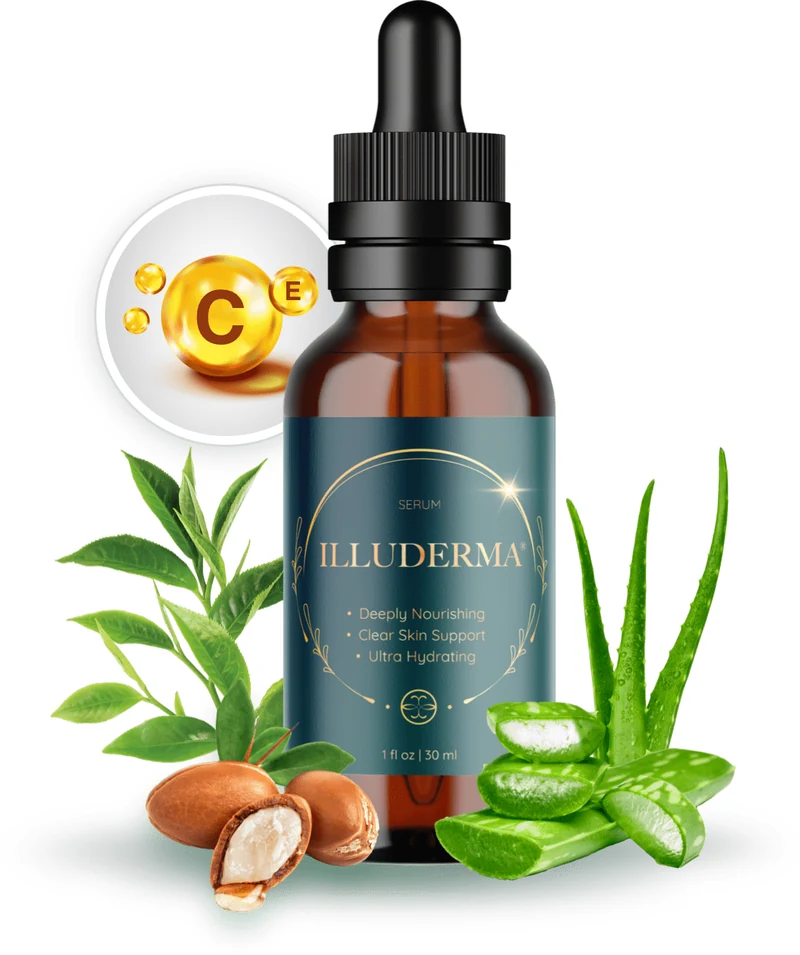
Illuderma
Illuderma is a 1 fl oz (30 mL) cosmetic face serum sold direct through DigiStore24 checkout at $69 for one bottle, $59 p...
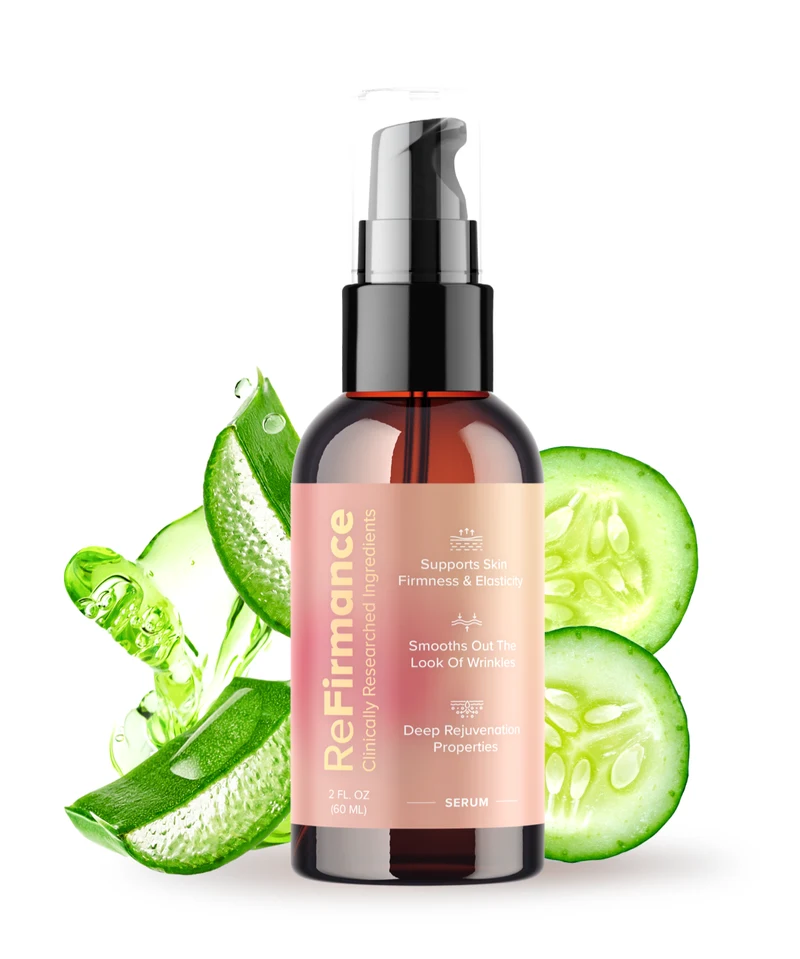
ReFirmance
ReFirmance is a 60 mL (2 fl oz) pump-bottle face and neck serum marketed as a natural 'lift serum' for sagging skin and ...
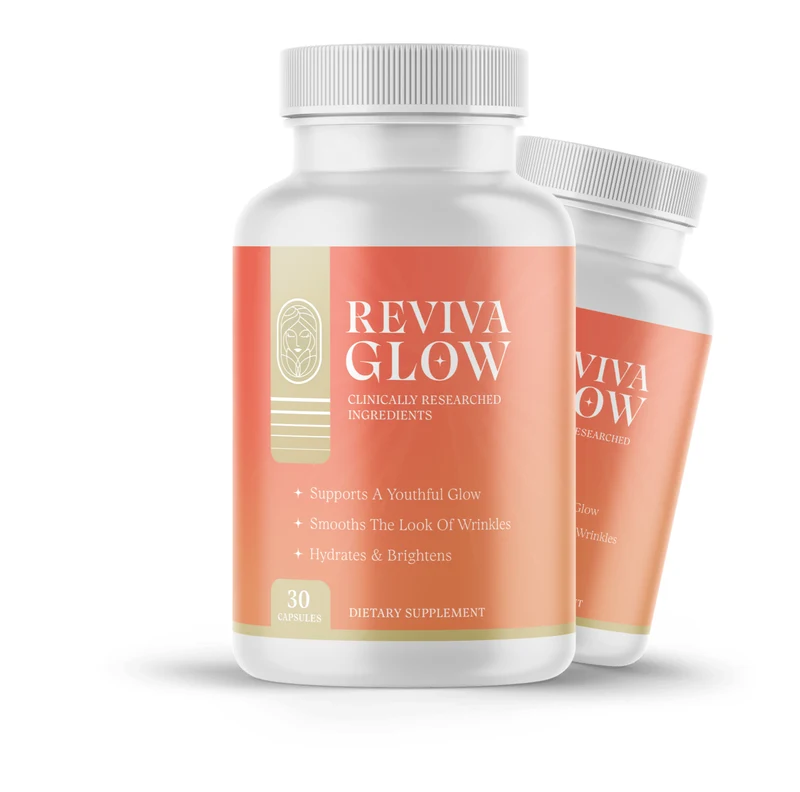
RevivaGlow
RevivaGlow is a one-capsule-a-day skin supplement sold direct through DigiStore24 checkout at $69 for one bottle, $59 pe...
Why we recommend Neotonics: Superior skin health targeting, clinically proven ingredients, and better value for money with money-back guarantee.
Neotonics vs Competitors
Detailed comparison of Neotonics against top skin health competitors in the market:
| Feature | Neotonics | Illuderma | ReFirmance |
|---|---|---|---|
| Price | From $49 | From $49 | From $49 |
| Money-Back Guarantee | 60 days | 60 days | 60 days |
| User Rating | 3.8/5 | 3.8/5 | 3.8/5 |
| Key Benefits | Bloating: The most common report is less post-meal distension by weeks 3-6, described as 'better' rather than 'gone', often after a gassier first fortnight, Regularity: Mildly constipated users report more predictable mornings, in line with what a small Bacillus coagulans dose might do | Hydration: the most consistent report by a wide margin, usually within the first week; the serum layers well under moisturizer and makeup, Radiance: users describe skin looking brighter or 'less tired', which is what better-hydrated, smoother skin does to reflected light | Hydration: The most consistent report is smoother, less tight skin on the neck within the first week, which is what a glycerin-and-aloe gel does on any dry skin, Texture: Users with crepey neck skin often describe it looking 'plumper' in the morning, plausibly from humectant water-binding rather than any structural change |
| Third-Party Testing | ✓ Yes | ? Unknown | ? Unknown |
Winner: Neotonics
Neotonics stands out with superior skin health support, longer money-back guarantee, and proven ingredients that specifically target skin health health.
Skin & Nail Health Writer
Elena covers skin, nail, and foot health with a focus on practical solutions for conditions like fungal infections and everyday dermatological concerns.
FAQ
Where can I buy Neotonics?
Neotonics is sold only through the vendor's site, where checkout runs through ClickBank (a parallel version of the site checks out through DigiStore24 at the same prices). It is not sold in stores, and listings on Amazon, Walmart Marketplace, or eBay are not from the manufacturer and are not covered by the guarantee. Buying direct is the only way to get the 3- and 6-bottle pricing, the two bonus guides on the 6-bottle order, and the 60-day money-back guarantee. The label lists the distributor as NeoTonics, 19655 E 35th Dr #100, Aurora, CO 80011, with product support at contact@neotonics-product.com; order support (receipts, address changes) goes through ClickBank's customer service. You can reach the vendor's order page through the links on this review.
How much does Neotonics cost?
At the time of this review, the vendor's site lists a single bottle (30 gummies, a 30-day supply) at $69. The 3-bottle package is $59 per bottle ($177 total) and the 6-bottle package is $49 per bottle ($294 total), with two bonus digital guides on the 6-bottle order. The vendor's shipping policy lists US delivery as free with 5-7 working-day transit, and the sales page highlights free shipping on the 6-bottle pack; check the total at checkout on 1- and 3-bottle orders. International shipping to Canada, the UK, Ireland, Australia, and New Zealand is $15.95 with 10-15 working-day transit. The discounts are framed against a $99-per-bottle 'regular' price that, as far as we can tell, has never been charged; the post-purchase upsell pages offer extra bottles at $29 each. Prices can change, so check the vendor's site before ordering.
Is Neotonics legit or a scam?
Neotonics is a real product with a printed Supplement Facts label, a physical distributor address in Aurora, Colorado, and checkout through ClickBank, an established payment processor with its own refund process. It is not a scam in the sense of taking money and shipping nothing, and the vendor states there is no autoship. It does have real problems: the probiotic is 500 million CFU of an unnamed strain when the trials used 1 to 2 billion CFU of named ones, the nine herbs share a 430 mg blend with no individual doses, the label lists 0 g fiber while the sales page calls it a strong prebiotic, no human trial supports the oral skin-turnover claim, the sales page says 'all ages and medical conditions' and 'FDA-approved facility' while the label says neither, and the '13,968 reviews' and '170,000 customers' figures cannot be verified. Treat it as a legitimate but low-dose supplement sold with an exaggerated pitch.
Is there a Neotonics discount or coupon code?
Neotonics does not use coupon codes at checkout. The only discounts are the package prices on the vendor's site: $69 for one bottle, $59 per bottle for three, and $49 per bottle for six, with two bonus digital guides ('Cellulite Be Gone' and 'The Great Hair Reset', listed at $79 and $89 'retail') included on the 6-bottle order. The vendor describes the 6-bottle price as $300 off, which is measured against a $99 'regular' price nobody appears to pay. Sites advertising Neotonics coupon codes, an 80% discount, or a 180-day guarantee are affiliate pages; the vendor's refund policy says 60 days.
Does Neotonics have a money-back guarantee?
Yes, 60 days from the day your package arrives, according to the refund policy on the vendor's site (the sales page says 'within the first 60 days of your purchase'; the policy's delivery-based count is the more generous one and is the one the vendor documents). To claim it you email contact@neotonics-product.com with 'Refund Request' in the subject line, then mail all bottles, empty or unopened, with the packing slip and a note with your name, email, and order ID to 19655 E 35th Dr #100, Aurora, CO 80011. Return shipping is at your cost. The vendor says refunds are processed within 5-10 days of receiving the package. Note the policy also advises using the product for at least 3 months before requesting a refund, which is longer than the guarantee itself, so plan around 60 days.
What are the ingredients in Neotonics?
The Supplement Facts label lists, per one 3.3 g gummy: 500 million CFU of Bacillus coagulans (no strain named) and a 430 mg 'Proprietary Gut Health Blend' of babchi, dandelion, fennel, fenugreek, inulin, lemon balm, organic Ceylon ginger, organic lion's mane, and slippery elm bark. Nutritionally it carries 10 calories, 7.5 mg sodium, 3 g carbohydrate, 0 g dietary fiber, and 2 g of added sugar. Other ingredients are corn syrup, sugar, purified water, pectin, citric acid, sodium citrate, medium-chain triglyceride oil, organic apple flavor, organic red color from vegetable juice, malic acid, and possibly trace carnauba wax. Per-ingredient amounts for the nine herbs are not disclosed, and there is no CFU-at-expiry guarantee for the probiotic.
How long before I notice results?
Expect a slightly gassier first one to two weeks; that is normal for any probiotic. In the Bacillus coagulans IBS trials, which used four times the Neotonics dose, changes in bloating and bowel pattern were measured at 8 to 12 weeks. People who report a change with Neotonics usually describe less post-meal bloating between weeks 3 and 6. For skin, the one probiotic trial that measured hydration and wrinkles ran 12 weeks at 10 billion CFU of a different species, so anything before two months is unlikely, and honestly, anything at all is uncertain. The vendor itself recommends 3 months of use. That is why the 60-day refund window is tight: decide by day 50 whether it is doing anything, and buy the 3-bottle pack if you want the evaluation and the guarantee to line up.
Is Neotonics safe? Who should not take it?
For most healthy adults the ingredients are common and the doses are small, which keeps everyday side effects mild: gas, loose stools, or mild stomach upset, plus a harmless maple-like odor from fenugreek. The exception is babchi (Psoralea corylifolia). Taken by mouth in traditional formulas it has published case reports of acute liver failure, including one death, and the label does not say how much is in the blend. Anyone with liver disease, elevated liver enzymes, or a past herb- or drug-induced liver injury should skip Neotonics, and anyone who develops dark urine, yellow eyes, or right-upper abdominal pain should stop and seek care. Fenugreek lowers blood glucose, so people with diabetes should check with their prescriber, and each gummy carries 2 g of added sugar. The label itself says pregnant or nursing women and anyone on medication or under a physician's care should consult a professional first, whatever the sales page says about 'all ages and medical conditions'.
Neotonics vs PrimeBiome: which is better?
They are, for practical purposes, the same product under two names: 500 million CFU of Bacillus coagulans, the same nine botanicals (babchi, dandelion, fennel, fenugreek, inulin, lemon balm, Ceylon ginger, lion's mane, slippery elm), the same gummy format, the same $69 / $59 / $49 price ladder, and the same 60-day guarantee. Neither names its probiotic strain or discloses per-herb doses. If you have decided you want this formula, choose the vendor page and checkout you trust and read our PrimeBiome review at /reviews/primebiome before you decide. If you want a probiotic with a named strain at a tested dose, or a skin product with real evidence, neither is the right buy; a 2 billion CFU Bacillus coagulans capsule and a bakuchiol or retinoid cream will each cost less and each has trials behind it.
What if Neotonics doesn't work for me?
Use the guarantee, and use it on time. Email contact@neotonics-product.com with 'Refund Request' in the subject before day 60 from delivery, keep the packing slip, and mail every bottle back to the Aurora, Colorado address with tracking so you have proof of receipt. Refunds are processed 5-10 days after the package arrives. If you have an order question rather than a product question, ClickBank's customer service handles receipts and order lookups, and ClickBank has its own buyer-protection process if the vendor does not respond.
Get honest health tips & reviews
Join our newsletter for science-backed supplement reviews and wellness advice.
No spam. Unsubscribe anytime.