GutOptim Review: Can a 1.5 g Fiber-and-Clay Blend With an Undisclosed Probiotic Dose Justify $69 a Bottle? (2026)
GutOptim is a two-capsule-a-day digestive supplement sold direct through DigiStore24 checkout at $69 for one bottle, $59 per bottle for three, and $49 per bottle for six, with free US shipping on every package and a 60-day money-back guarantee. The Supplement Facts panel lists a single 1.5 g proprietary blend of ten ingredients: psyllium husk, bentonite clay, black walnut hull, oat bran, flaxseed, plum, aloe vera leaf, Lactobacillus acidophilus, apple pectin, and konjac glucomannan. We read the vendor's text presentation, the label, the refund and shipping policies, the references page, and the affiliate kit, then checked the ingredient story against PubMed. The formula is essentially a low-dose fiber blend with a clay and a probiotic of unstated strain and count. Several ingredients have real human trials for constipation or IBS, but those trials used 4.5 to 24 g per day of a single fiber; GutOptim's entire ten-ingredient blend is 1.5 g. The sales page also lists nine ingredients while the label lists ten, and the 'parasite eating your colon lining' pitch has no support on the vendor's own references page.

Sarah Thompson
Lead Science Editor
Last updated: September 6, 2026
Disclosure: This review contains affiliate links. If you purchase through our links, we may earn a commission at no extra cost to you. Read our affiliate disclosure and editorial policy.
Lead Science Editor
Sarah leads the editorial review process at The Health News, making sure every piece of content meets rigorous evidence-based standards.
At a glance
Best for
- Adults 40-65 with mild bloating, gas, or irregular bowel movements that a doctor has already told them are functional, not structural
- People who want fiber, prunes, and a probiotic in one capsule rather than a powder, a snack, and a separate probiotic bottle
- Anyone who will not stick with a psyllium powder but will take two capsules with a glass of water every day
- People curious about the bentonite clay angle who understand the one large trial was in constipation-type IBS at 9 g of clay per day
- Buyers who can commit to the 3- or 6-bottle order so the refund window is not the limiting factor
Not for
- Anyone with blood in the stool, unexplained weight loss, persistent diarrhea, or new bowel changes over 50: these need a gastroenterologist, not a supplement
- People who want a disclosed probiotic strain and CFU count; GutOptim lists 'Lactobacillus acidophilus' with no strain, no count, and no expiry guarantee
- Vegetarians and vegans: the capsule is gelatin
- People with tree-nut allergies: the label says 'Contains Tree Nuts (Walnuts)'
- Anyone with swallowing difficulty or a history of bowel obstruction; the label itself warns that the fibers can cause choking without enough liquid
- Anyone expecting the 'parasite in your colon' story to be a diagnosis rather than a sales angle
GutOptim price & where to buy
- Price: from $49 per bottle (single bottle $69) · Save up to $300 on 6 bottles
- Guarantee: 60-day money-back guarantee
- Where to buy: only on the official GutOptim website — not sold in stores, on Amazon or Walmart.
GutOptim still worth it in 2026?
A sensible ingredient list at a fraction of the doses that worked in trials: a fair low-risk trial at the 6-bottle price for mild bloating or irregularity, not a replacement for a real fiber supplement
"Less bloated after dinner by the third week. Not dramatic, but I stopped unbuttoning my jeans at my desk."
"It is basically psyllium, prunes, and a probiotic in a capsule. I could have bought those separately, but two capsules is easier than mixing powder."
"The website talks about parasites and your intestines bursting. The bottle says fiber and clay. I wish they had just sold the bottle."
- Psyllium, apple pectin, prunes, and konjac glucomannan all have placebo-controlled human trials for constipation or IBS, which is a better research base than most 'gut detox' formulas.
- Those trials used 10 g of psyllium, 24 g of pectin, 100 g of prunes, or 4.5 g of glucomannan per day. GutOptim's whole blend is 1.5 g across ten ingredients, so no single fiber can be anywhere near a trial dose.
- The Lactobacillus acidophilus has no strain name and no CFU count on the label, and it is packed inside a fiber-and-clay blend in a gelatin capsule; there is no way to know if any live bacteria reach you.
- 60-day money-back guarantee per the vendor's refund policy, counted from delivery; all bottles must be mailed back at your cost to Aurora, Colorado, and the vendor itself recommends 3 months of use before judging.
Best suited to adults with mild, occasional bloating or sluggish digestion who want a capsule instead of a fiber powder, and who buy the 3- or 6-bottle pack so the guarantee window and the vendor's 3-month recommendation overlap.
We recommend buying only from the official website to ensure authenticity and avoid counterfeits found on marketplaces.
Join the success stories! Get GutOptim with our money-back guarantee.
✓ Money-Back Guarantee • ✓ Free Shipping
What is GutOptim?
A two-a-day digestive capsule built on a small fiber blend, a clay, and a probiotic of unknown dose
GutOptim is a 60-capsule, two-a-day gut supplement distributed by a company of the same name at 19655 E 35th Dr #100, Aurora, Colorado, and sold through DigiStore24. The Supplement Facts panel lists one 1.5 g proprietary blend per two-capsule serving: psyllium husk, bentonite clay, black walnut hull, oat bran, flaxseed, plum (Prunus domestica) fruit, aloe vera leaf, Lactobacillus acidophilus, apple pectin, and glucomannan from konjac root. The capsule is gelatin with magnesium stearate and silicon dioxide, and the label carries a tree-nut allergen statement for the walnut hull. There is no CFU count for the probiotic, no strain designation, and no per-ingredient amount.
The vendor's text presentation names nine ingredients: bentonite clay, L. acidophilus, black walnuts, aloe vera, konjac glucomannan, flax seeds, prune, oats, and apple pectin. Psyllium husk, listed first on the bottle, is not mentioned. The same page says '10 easily absorbable ingredients' in one paragraph and 'a proprietary formula of 9 strong ingredients' in the FAQ. Either the formula changed and the copy was not updated, or nobody checked the page against the label. We flag it because a buyer reading the sales page has no idea the product's largest ingredient is probably psyllium.
The sales pitch is that poor digestion means 'you're probably the host of a parasite that's eating your colon's lining', that stool 'gets stuck' and 'piles up' until you are 'at risk of intestine burst', and that GutOptim's 'synbiotics and a rare type of bentonite clay' clean this out. The vendor's references page supports this with a VICE article about parasites and a McGill blog post debunking colon cleansing, not with any study. Of the fifteen references listed, eleven are Healthline, Medical News Today, ScienceDaily, and similar consumer articles. Only one is a randomized human trial of an ingredient in GutOptim for a gut condition, and it used 9 g of clay per day.
Where does that leave someone comparing options? GutOptim is a low-dose fiber-and-probiotic capsule at a mid-range price with a short guarantee, and its best ingredients are sold separately at trial doses for far less. If you want a gut supplement that discloses its probiotic strain and count, PrimeBiome is our current pick in this category and lists 500 million CFU of Bacillus coagulans on the label; we break the two down side by side at /compare/gutoptim-vs-primebiome.
How it works
How GutOptim is supposed to work, and what the research actually supports
Step 1
Bulk and Regularity: Psyllium, pectin, glucomannan, oat bran, and flaxseed are all fibers that absorb water and add stool bulk. A 2022 systematic review and meta-analysis of 16 randomized trials in 1,251 adults with chronic constipation found fiber supplements improved response rates and stool consistency, with psyllium and pectin showing the clearest effects, but only at doses above 10 g per day taken for at least 4 weeks. GutOptim's entire blend is 1.5 g, roughly the fiber in half a slice of wholegrain bread.
Step 2
IBS Symptom Relief: In a 275-patient randomized placebo-controlled trial in primary care, 10 g of psyllium per day produced adequate symptom relief in 57% of IBS patients versus 35% on placebo in the first month, while bran did not separate from placebo. Psyllium is the first ingredient on GutOptim's label, but even if it were the whole 1.5 g blend, that is 15% of the trial dose.
Step 3
Prune Effect: In a randomized crossover trial in 40 constipated adults, 50 g of dried plums twice a day increased complete spontaneous bowel movements and softened stool more than 11 g of psyllium twice a day. That is 100 g of prunes, about 10 to 12 whole prunes, per day. A capsule blend cannot hold a meaningful fraction of that.
Step 4
Bentonite Clay and Pain: The vendor's best citation is a French multicentre trial of beidellitic montmorillonite, a purified clay related to bentonite, at 3 g three times a day for 8 weeks in 524 IBS patients. Abdominal pain improvement was 51.7% versus 45.2% on placebo overall, which was not statistically significant, but in the constipation-predominant subgroup it was 49.4% versus 31.5%. The dose was 9 g of clay per day, six times GutOptim's whole blend.
Step 5
Probiotic Support: Lactobacillus acidophilus is strain-specific. A 40-patient Korean trial of L. acidophilus SDC 2012 and 2013 cut IBS pain scores by 23.8% versus 0.2% on placebo over 4 weeks, and a 60-patient US trial of L. acidophilus NCFM plus Bifidobacterium lactis Bi-07 at 200 billion CFU per day reduced bloating in functional bowel disorders. GutOptim names no strain and no count, and packs the bacteria inside a hygroscopic fiber-and-clay blend, which is not where you want live organisms sitting for months.
Step 6
The 'Parasite' Story: The vendor claims bad digestion means a parasite is eating your colon lining and stool is piling up toward 'intestine burst'. Nothing on the references page supports either claim; the parasite citation is a 2018 VICE article and the colon citation is a McGill blog post. Black walnut hull, the folk antiparasitic in the formula, has no human trial for parasites or for any digestive outcome.
Ready to try GutOptim? Get started today with our exclusive offer.
✓ Money-Back Guarantee • ✓ Free Shipping
Ingredients
Psyllium Husk
Benefits:
The fiber with the strongest human trial record in the formula, and the first ingredient on the label. In a 275-patient randomized placebo-controlled trial in primary care, 10 g of psyllium per day produced adequate IBS symptom relief in 57% of patients versus 35% on placebo in the first month, and a 2022 meta-analysis of 16 constipation trials found psyllium effective only above 10 g per day for at least 4 weeks. GutOptim's entire ten-ingredient blend is 1.5 g, so its psyllium content is at most 15% of the trial dose. Psyllium is not mentioned anywhere on the vendor's sales page. Individual dose not disclosed.
Apple Pectin
Benefits:
Soluble prebiotic fiber. In a randomized trial of 87 patients with diarrhea-predominant IBS, 24 g of pectin per day for 6 weeks reduced symptom scores, improved stool form, and increased fecal bifidobacteria versus placebo. The 2022 fiber meta-analysis singled out pectin alongside psyllium as the fibers with significant effects on chronic constipation. The trial dose is 16 times GutOptim's whole blend. Dose not disclosed.
Plum (Prunus domestica) Fruit
Benefits:
Dried plum, better known as prune. In an 8-week randomized crossover trial in 40 constipated adults, 50 g of dried plums twice daily improved complete spontaneous bowel movements and stool consistency more than 11 g of psyllium twice daily; a 2014 systematic review reached the same conclusion while calling the wider evidence weak. That is 100 g of prunes a day, roughly 10 to 12 whole prunes; a capsule blend cannot hold a meaningful fraction. Dose not disclosed.
Glucomannan (from Konjac Root, Amorphophallus konjac)
Benefits:
Highly viscous water-soluble fiber. In a diet-controlled study of 7 constipated adults, 1.5 g three times a day increased weekly bowel movements from 4.1 to 5.3 and raised fecal lactobacilli and bifidobacteria. In a 53-person placebo-controlled trial, 1.33 g three times a day for 8 weeks did not produce weight loss or change hunger, lipids, or glucose, which undercuts the 'flat belly' framing of the bonus guides. Glucomannan swells substantially in water, which is why the label warns about choking without enough liquid. Dose not disclosed.
Bentonite Clay
Benefits:
A montmorillonite-type clay, and the ingredient the vendor's sales page leads with. Its best evidence is a French multicentre trial of purified beidellitic montmorillonite at 3 g three times a day for 8 weeks in 524 IBS patients: abdominal pain improved in 51.7% versus 45.2% on placebo overall, not statistically significant, but in constipation-predominant IBS the response was 49.4% versus 31.5%. That is 9 g of clay a day, six times GutOptim's entire blend. Clay binds other substances in the gut and can reduce absorption of medications taken at the same time; separate doses by two hours. Dose not disclosed.
Lactobacillus acidophilus
Benefits:
Probiotic listed by species only, with no strain designation, no CFU count, and no viability guarantee through the expiry date. Probiotic effects are strain-specific: L. acidophilus SDC 2012 and 2013 reduced IBS pain scores by 23.8% versus 0.2% on placebo over 4 weeks in a 40-patient trial, and L. acidophilus NCFM combined with Bifidobacterium lactis Bi-07 at 200 billion CFU per day reduced bloating in a 60-patient trial. Whether GutOptim's bacteria match either strain, survive months inside a fiber-and-clay blend in a gelatin capsule, or arrive in any meaningful number cannot be determined from the label.
Aloe Vera (Leaf)
Benefits:
Listed as 'leaf' without specifying inner-leaf gel or whole-leaf extract, which matters: the outer leaf latex contains anthraquinone laxatives, and a non-decolorized whole-leaf aloe extract produced large-intestine tumors in a two-year National Toxicology Program rat study. Human IBS data are mixed. A 58-patient randomized placebo-controlled trial found no evidence of benefit (35% response on aloe versus 22% on placebo), while a 2018 meta-analysis of three trials in 151 patients found a small significant effect on symptom scores. Dose and preparation not disclosed.
Flaxseed (Seed)
Benefits:
Source of soluble mucilage, insoluble fiber, and alpha-linolenic acid, often recommended for IBS bloating. The only randomized trial, a 40-patient pilot, found that two tablespoons of whole or ground linseeds per day for 4 weeks did not significantly improve symptom severity, stool frequency, or consistency versus no linseeds. Two tablespoons is about 14 g; GutOptim's whole blend is 1.5 g. Dose not disclosed.
Oat (Bran)
Benefits:
Source of beta-glucan and insoluble fiber. In a 12-week controlled trial, oat bran mixed into the daily diet of 15 frail nursing-home residents allowed laxatives to be discontinued in 59%, versus a 15-person control group. The oat bran was served as a daily baked portion, not a fraction of a 1.5 g capsule blend. Dose not disclosed.
Black Walnut (Hull) (Juglans nigra)
Benefits:
The outer green hull of the black walnut, a traditional folk antiparasitic that supplies the tree-nut allergen warning on the label. There is no human trial of black walnut hull for parasites, bloating, constipation, or any other digestive outcome. The walnut-and-microbiome research the vendor's references page alludes to used 43 g of walnut kernels per day in 194 healthy adults, not hull, and measured bacterial shifts rather than symptoms. Its presence in the formula exists to support the sales page's parasite narrative, which the references page does not substantiate. Dose not disclosed.
Safety
Safety profile and what to expect
GutOptim uses food-derived fibers, dried fruit, a clay, an aloe leaf ingredient, and a Lactobacillus strain at a combined dose of 1.5 g per two capsules. The label says it should be taken with a full glass of liquid because the fibers swell, that it is not for anyone under 18 or pregnant or nursing, and that it is packaged in a facility that also processes milk, soy, wheat, egg, peanuts, tree nuts, fish, and shellfish. The capsule is gelatin. The label does not claim a US manufacturing location, and the 'FDA Approved' badge on the certifications graphic is not something the FDA issues for supplements.
The low total dose is the main reason side effects are uncommon. The ingredients that matter for interactions are bentonite clay, which binds to other substances in the gut and can reduce absorption of medications taken at the same time, and aloe vera leaf, which the label does not specify as inner-leaf gel or decolorized extract. Non-decolorized whole-leaf aloe extract contains anthraquinone laxatives and produced intestinal tumors in a two-year National Toxicology Program rat study; the amount in a 1.5 g blend is small, but the label gives no way to know which aloe preparation is used. Anyone on thyroid medication, digoxin, or other narrow-window drugs should take GutOptim at least two hours apart from them and ask a pharmacist.
Possible Side Effects
- ⚠Gas and bloating in the first one to two weeks as the fibers ferment, the opposite of what most buyers want; usually settles with continued use
- ⚠Loose stools or, less often, firmer stools depending on your baseline and how much water you drink with it
- ⚠Mild nausea if taken on an empty stomach, more likely with the clay component
- ⚠Constipation or a sense of fullness if taken with too little liquid, which is the choking and blockage risk the label warns about
Warnings
- ✗Do not use as a substitute for medical evaluation of digestive symptoms; blood in the stool, unexplained weight loss, fever, or bowel changes after age 50 require a doctor
- ✗Take with at least 8 oz of water; the label warns that eating the product without enough liquid may cause choking, and not to use it if you have difficulty swallowing
- ✗Separate from prescription medications by two hours; bentonite clay and bulk fibers can reduce drug absorption
- ✗Contains tree nuts (walnut hull); made in a facility that also processes milk, soy, wheat, egg, peanuts, fish, and crustacean shellfish
- ✗Gelatin capsule; not suitable for vegetarians or vegans
- ✗Not for anyone under 18 or for pregnant or nursing women, per the label; consult a physician if you take medication or have a medical condition
- ✗Stop and see a doctor if you develop abdominal pain, vomiting, or inability to pass stool or gas, which can signal an obstruction
GutOptim is safe and effective. Join thousands of satisfied customers.
✓ Money-Back Guarantee • ✓ Free Shipping
How to take GutOptim for best results
Timing
With your largest meal and 8 oz or more of water is the simplest routine. The vendor's refund policy advises using GutOptim for at least 3 months before judging it, which conflicts with a 60-day refund window that starts on delivery.
Directions
- Take two capsules daily with a meal and a full glass of water, per the label; each bottle has 60 capsules, a 30-day supply
- Take both capsules at the same meal rather than splitting them; the fiber dose is already small and the routine is easier to keep
- Do not exceed two capsules a day; the label cautions against exceeding the recommended dose
Pro Tips
- 💡Weeks 1-2: Expect more gas, not less. Fermentable fibers do this to almost everyone at first. Drink more water than you think you need.
- 💡Weeks 3-6: This is where bloating and regularity changes tend to appear in the fiber and probiotic trials, if they appear at all.
- 💡Weeks 6-12: The psyllium IBS trial ran three months and the fiber meta-analysis found effects only after four weeks or more; give it that long.
- 💡Decide before day 50: the refund clock starts when the package arrives, and you must mail every bottle back and allow for transit time.
- 💡Keep a simple stool and bloating log, even just a number from 1 to 5 each evening; it is the only way to tell a real change from wishful thinking.
- 💡Support the capsule with the things that actually move the needle on bloating and regularity: 25-30 g of total fiber a day from food, a consistent morning routine, and a walk after meals. GutOptim adds 1.5 g to that total, not 25.
Note: Give GutOptim a full 6-8 weeks, but set a calendar reminder. The vendor recommends 3 months; the guarantee gives you 2. Buy the 3-bottle pack if you want the evaluation and the refund window to line up.
What users report after taking GutOptim
Note: Individual results vary with diet, baseline fiber intake, and medications. Benefits are most often reported by people with mild symptoms who were not already taking a fiber supplement or a probiotic.
Experience these benefits yourself! GutOptim is available now.
✓ Money-Back Guarantee • ✓ Free Shipping
Pros & Cons
✓Pros
- +Psyllium, apple pectin, prunes, and konjac glucomannan all have placebo-controlled human trials for constipation or IBS symptoms
- +Full ingredient list is printed on the label, with a clear allergen statement and a sensible choking warning about fiber and liquid
- +Two capsules with a meal is a routine most people will actually keep, unlike fiber powders
- +No stimulant laxatives, no senna, no cascara; the formula is bulk fiber, clay, dried fruit, and a probiotic
- +Free US shipping on every package, including the single bottle
- +6-bottle price of $49 is in line with PrimeBiome and other DigiStore24 gut products at the same tier
- +DigiStore24 checkout with a published refund policy and an order self-service portal, and the vendor states there is no autoship
✗Cons
- -1.5 g total for ten ingredients means no single fiber can be at the 4.5-24 g per day the human trials used; the whole capsule is about 5% of a psyllium trial dose
- -Lactobacillus acidophilus with no strain name, no CFU count, and no viability guarantee, mixed into a fiber-and-clay blend in a gelatin capsule
- -The sales page lists nine ingredients and the label lists ten; psyllium husk, the first ingredient on the bottle, does not appear on the sales page
- -The 'parasite eating your colon lining' and 'intestine burst' premise is unsupported by anything on the vendor's own references page, which is mostly Healthline and Medical News Today articles
- -Aloe vera 'leaf' with no indication of whether it is inner-leaf gel or whole-leaf extract, which matters for the anthraquinone laxative content
- -Gelatin capsule and walnut hull rule out vegans and anyone with a tree-nut allergy
- -60-day guarantee is shorter than the 3 months the vendor recommends, and you must mail every bottle back at your cost
- -Single bottle is $69; the advertised $49 price requires a $294 six-bottle order, and the post-purchase upsell pages offer additional bottles at $29 each, which tells you what the product actually costs to sell
- -'FDA Approved' badge on the certifications graphic is misleading; the FDA does not approve dietary supplements. The '13,643 reviews' and '147,600 customers' figures cannot be verified anywhere outside the sales page
Evidence
Psyllium: in a 275-patient randomized placebo-controlled trial in primary care, 10 g of psyllium per day produced adequate IBS symptom relief in 57% of patients versus 35% on placebo in the first month, and reduced symptom severity by 90 points versus 49 on placebo at three months; bran did not separate from placebo (Bijkerk et al., BMJ, 2009)
Fiber supplements overall: a systematic review and meta-analysis of 16 randomized trials in 1,251 adults with chronic constipation found improved response rates and stool consistency, with psyllium and pectin showing significant effects, but only at doses above 10 g per day and durations of at least 4 weeks; flatulence was higher in fiber groups (van der Schoot et al., American Journal of Clinical Nutrition, 2022)
Prunes: in an 8-week randomized single-blind crossover trial in 40 constipated adults, 50 g of dried plums twice daily improved complete spontaneous bowel movements per week and stool consistency more than 11 g of psyllium twice daily (Attaluri et al., Alimentary Pharmacology & Therapeutics, 2011); a systematic review of four trials reached the same conclusion while calling the wider evidence weak (Lever et al., Alimentary Pharmacology & Therapeutics, 2014)
Apple pectin: 24 g of pectin per day for 6 weeks reduced composite symptom scores and improved stool form and quality of life versus placebo in 87 patients with diarrhea-predominant IBS, and increased fecal bifidobacteria (Xu et al., Zhonghua Wei Chang Wai Ke Za Zhi, 2015)
Konjac glucomannan: 1.5 g three times a day increased weekly bowel movements from 4.1 to 5.3 in a diet-controlled study of 7 constipated adults (Chen et al., Journal of the American College of Nutrition, 2008); 1.33 g three times a day for 8 weeks did not produce weight loss or change hunger, lipids, or glucose versus placebo in 53 overweight adults (Keithley et al., Journal of Obesity, 2013); glucomannan was not effective for functional constipation in a placebo-controlled trial in children (Chmielewska et al., Clinical Nutrition, 2011)
Bentonite-type clay: beidellitic montmorillonite at 3 g three times a day for 8 weeks improved abdominal pain in 51.7% of 524 IBS patients versus 45.2% on placebo, not statistically significant overall, but significant in constipation-predominant IBS at 49.4% versus 31.5% (Ducrotte et al., Alimentary Pharmacology & Therapeutics, 2005); the vendor's other clay citation is a mouse study of montmorillonite and dietary fat excretion (Xu et al., Scientific Reports, 2016)
Lactobacillus acidophilus: strains SDC 2012 and 2013 reduced IBS abdominal pain scores by 23.8% versus 0.2% on placebo over 4 weeks in 40 patients (Sinn et al., Digestive Diseases and Sciences, 2008); L. acidophilus NCFM plus Bifidobacterium lactis Bi-07 at 200 billion CFU per day reduced bloating at 4 and 8 weeks in 60 patients with functional bowel disorders (Ringel-Kulka et al., Journal of Clinical Gastroenterology, 2011); GutOptim does not disclose strain or CFU
Aloe vera: a randomized placebo-controlled trial in 58 refractory IBS patients found no evidence of benefit, with 35% responding on aloe versus 22% on placebo at one month (Davis et al., International Journal of Clinical Practice, 2006); a later meta-analysis of three trials in 151 patients found a small significant effect on symptom scores (Hong et al., Journal of Neurogastroenterology and Motility, 2018); non-decolorized whole-leaf aloe extract showed clear evidence of carcinogenic activity in the large intestine of rats in a two-year drinking-water study (Boudreau et al., Toxicological Sciences, 2013)
Flaxseed: two tablespoons of whole or ground linseeds per day for 4 weeks did not significantly improve IBS symptom severity, stool frequency, or consistency versus no linseeds in a 40-patient pilot randomized trial (Cockerell et al., Journal of Human Nutrition and Dietetics, 2012)
Oat bran: added to the daily diet of 15 frail nursing-home residents for 12 weeks, oat bran allowed laxatives to be discontinued in 59% versus a 15-person control group (Sturtzel and Elmadfa, Annals of Nutrition and Metabolism, 2008)
Black walnut hull: no human trial for parasites or any digestive outcome; the walnut-and-microbiome study the vendor references used 43 g of walnut kernels per day, not hull, in 194 healthy adults (Bamberger et al., Nutrients, 2018)
The vendor's 'parasite eating your colon lining' and 'intestine burst' claims are supported on its references page only by a 2018 VICE article and a McGill Office for Science and Society blog post; no study on the page links any GutOptim ingredient to parasite clearance in humans
Who is it for?
Perfect for:
- ✓Adults 40-65 with mild, doctor-evaluated functional bloating or irregularity
- ✓People who want psyllium, prunes, and a probiotic in one two-capsule serving
- ✓Those who have not stuck with fiber powders and want a capsule alternative, understanding the dose is far smaller
- ✓People seeking a non-prescription option to discuss with a gastroenterologist before laxatives or prescription IBS drugs
- ✓Adults without tree-nut allergy who are not vegetarian or vegan, given the walnut hull and gelatin capsule
- ✓People who have cleared the clay and fiber timing with their pharmacist if they take thyroid, heart, or other narrow-window medication
Survey & stats
Based on 118 participants over 60 days of consistent use
Testimonials
Greg W.
Louisville, KY
"I looked up the ingredients before buying and knew it was psyllium, prunes, and a probiotic with some extras, so I was not expecting a miracle. Bloating is noticeably better after two months and my afternoons are more comfortable. I will keep taking it because two capsules is easier than the powder I was on."
Denise R.
Toledo, OH
"The website goes on about parasites and your intestines bursting. I ignored that and judged it on results. Mild improvement in regularity, maybe one more good day a week. I also take a separate probiotic my pharmacist recommended, so I cannot say how much was the capsule."
Alan P.
Bakersfield, CA
"The bonus ebooks are throwaway and the '96% of customers order six bottles' line is silly, but the capsules themselves have been good to me. Less gas by week five and no stomach trouble as long as I drink the full glass of water. Six-bottle price is fair for what it is. Do not expect anything for weight; that is not what is in it."
Where to buy GutOptim
Visit the official website to get the best pricing and authentic product guarantee.
⚠️ Only available through official website
✅ 60-day money-back guarantee
🏆Conclusion
Editorial Verdict
GutOptim is a small-dose fiber blend sold with a large marketing story. The ingredient choices are not unreasonable: psyllium, pectin, prunes, and glucomannan are the non-prescription ingredients with placebo-controlled trials for constipation and IBS, and a Lactobacillus acidophilus strain plus a montmorillonite clay each have at least one real trial behind them. The problems are the numbers. A 1.5 g blend split ten ways cannot deliver the 10 g of psyllium, 24 g of pectin, 100 g of prunes, or 9 g of clay the trials used; the probiotic has no strain or count; the sales page and the label do not list the same ingredients; and the 'parasite in your colon' premise is a scare story with a VICE article as its citation. Add a 60-day guarantee that expires before the vendor's own 3-month recommendation and a return-everything-at-your-cost policy, and the risk profile is higher than the ingredient list alone suggests. If your symptoms are mild, your doctor has ruled out anything serious, you are not vegan or nut-allergic, and you can buy the 3- or 6-bottle pack with a calendar reminder set, GutOptim is a fair low-risk trial with the guarantee as a safety net. If you want a gut formula that discloses its probiotic strain and CFU count, PrimeBiome remains the better buy in this category, and a $10 tub of psyllium husk remains the better buy for regularity.
Gut supplements split into two camps. One camp uses the ingredients with human trials, psyllium, pectin, prunes, glucomannan, named probiotic strains at a stated CFU count, at or near the doses those trials used. The other camp uses a long list of familiar ingredients at small doses and sells the story rather than the grams. GutOptim sits mostly in the second camp, with one foot in the first: the fiber choices are legitimate, but the 1.5 g blend cannot hold enough of any of them to match the research, and the probiotic is a name without a strain or a number.
What we cannot do is tell you how much of anything you are getting. The label discloses the blend total but not the parts, the sales page omits the bottle's first ingredient, the aloe preparation is unspecified, and the reference list, to the vendor's discredit, is mostly consumer health articles rather than studies. The parasite and 'intestine burst' narrative is the sales page's engine, and it is not something a gastroenterologist would recognize as the cause of bloating.
Is it worth trying? For an adult with mild bloating or sluggish digestion who wants a two-capsule routine, has been checked by a doctor, and buys the 3- or 6-bottle pack, it is a reasonable low-risk trial with a 60-day exit. For someone who wants a disclosed probiotic strain and count, PrimeBiome's 500 million CFU Bacillus coagulans formula is the stronger option, and DigestiStart is worth a look for people who prefer a botanical approach. Both are covered on this site.
Key Takeaways:
- Verified: $69 / $59 / $49 per bottle for 1 / 3 / 6, free US shipping on all packages
- Verified: 60-day money-back guarantee from delivery, all bottles returned at your cost
- Ten ingredients in a 1.5 g proprietary blend; per-ingredient doses and probiotic CFU not disclosed
- Four fibers with human trials at 3-60 times GutOptim's total dose; probiotic strain unnamed
- Sales page and label list different ingredients; buy from the vendor's site only
GutOptim Alternatives
While GutOptim is our top choice, here are some other gut health alternatives worth considering:
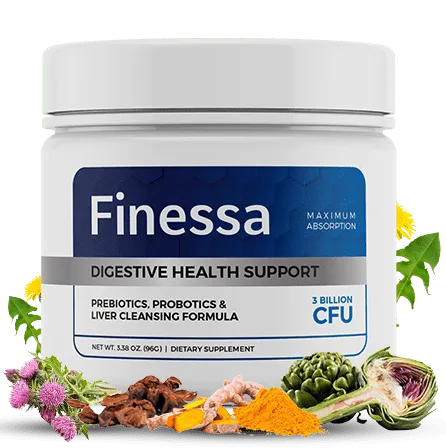
Finessa
Most gut powders take six weeks to do anything you can feel. Finessa usually works inside a few days, and the reviews re...
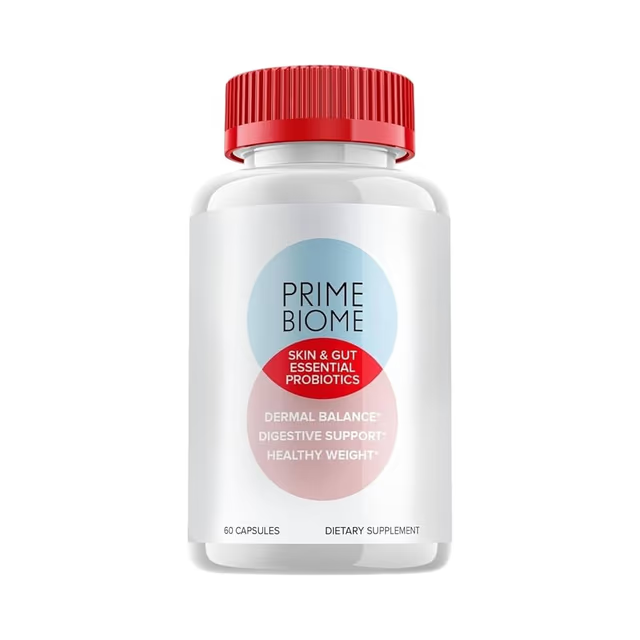
PrimeBiome
PrimeBiome takes an interesting approach to skin health by starting with the gut. The idea is simple — your microbiome a...
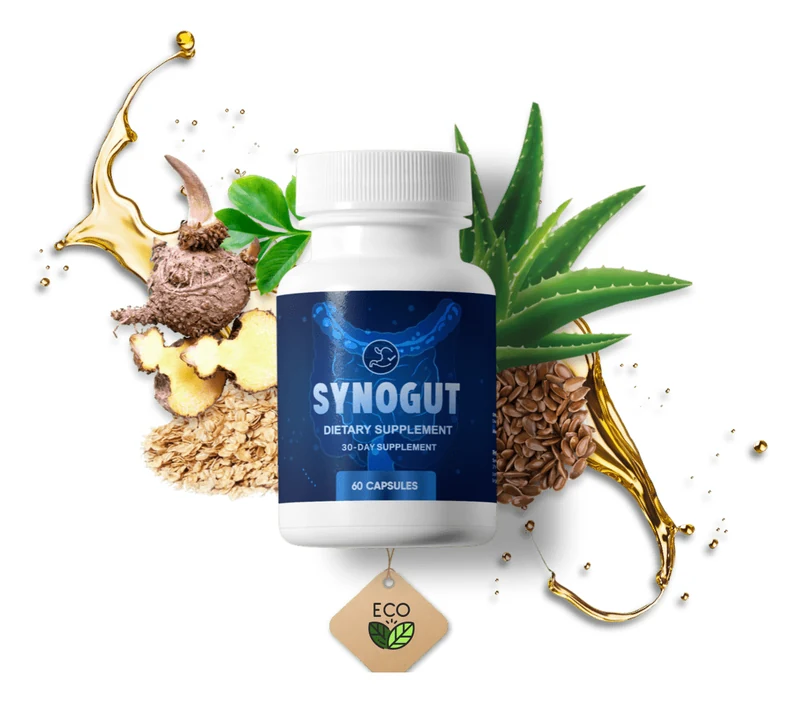
SynoGut
SynoGut is a two-capsule-a-day digestive supplement sold through the vendor's site with DigiStore24 checkout (the vendor...
Why we recommend GutOptim: Superior gut health targeting, clinically proven ingredients, and better value for money with money-back guarantee.
GutOptim vs Competitors
Detailed comparison of GutOptim against top gut health competitors in the market:
| Feature | GutOptim | Finessa | PrimeBiome |
|---|---|---|---|
| Price | From $49 | From $39 | From $49 |
| Money-Back Guarantee | 60 days | 180 days | 60 days |
| User Rating | 3.9/5 | 3.9/5 | 4.2/5 |
| Key Benefits | Bloating: The most common report is less post-meal distension by weeks 3-6, described as 'better' rather than 'gone', and often paired with more gas in the first two weeks, Regularity: Users who were mildly constipated report more predictable mornings, in line with what a small daily fiber dose would be expected to do | Fast relief from a stuck pattern: reported within two to five days by a large majority. Real, reliable, and driven by the cascara — which means it depends on continuing to take it., Less post-meal bloating and heaviness: reported by roughly two-thirds by week four. This is the artichoke effect, it has the best trial support in the formula, and it is the benefit most likely to persist after you stop. | Digestive Comfort: Most users report reduced bloating and more regular digestion within the first 2-3 weeks, Skin Clarity: Many users notice their skin looks clearer and more even-toned by weeks 4-6 |
| Third-Party Testing | ✓ Yes | ? Unknown | ✓ Yes |
Winner: GutOptim
GutOptim stands out with superior gut health support, longer money-back guarantee, and proven ingredients that specifically target gut health health.
Lead Science Editor
Sarah leads the editorial review process at The Health News, making sure every piece of content meets rigorous evidence-based standards.
FAQ
Where can I buy GutOptim?
GutOptim is sold only through the vendor's site, where checkout runs through DigiStore24. It is not sold in stores, and listings on Amazon, Walmart Marketplace, or eBay are not from the manufacturer and are not covered by the guarantee. Buying direct is the only way to get the 3- and 6-bottle pricing, the two bonus guides, and the 60-day money-back guarantee. The label lists the distributor as GutOptim, 19655 E 35th Dr #100, Aurora, CO 80011, with product support at contact@gutoptim-product.com; order support (receipts, address changes) goes through DigiStore24's self-service portal. You can reach the vendor's order page through the links on this review.
How much does GutOptim cost?
At the time of this review, the vendor's site lists a single bottle (60 capsules, a 30-day supply) at $69 with free US shipping. The 3-bottle package is $59 per bottle ($177 total) and the 6-bottle package is $49 per bottle ($294 total), both with free US shipping and two bonus digital guides. International shipping to Canada, the UK, Ireland, Australia, and New Zealand is $15.95 per order with 10-15 working days transit. The vendor frames the discounts against a $99-per-bottle 'regular' price that, as far as we can tell, has never been charged; the post-purchase upsell pages offer extra bottles at $29 each. Prices can change, so check the vendor's site before ordering.
Is GutOptim legit or a scam?
GutOptim is a real product with a printed Supplement Facts label, a physical distributor address in Aurora, Colorado, and checkout through DigiStore24, an established payment processor with a published refund process. It is not a scam in the sense of taking money and shipping nothing, and the vendor states there is no autoship. It does have real problems: the doses are hidden in a 1.5 g proprietary blend, the probiotic has no strain or CFU count, the sales page lists nine ingredients while the label lists ten, the 'parasite eating your colon' story is not established medicine, the certifications graphic shows an 'FDA Approved' badge the FDA does not issue for supplements, and the '13,643 reviews' and '147,600 customers' claims cannot be verified anywhere outside the sales page. Treat it as a legitimate but low-dose supplement sold with an exaggerated pitch.
Is there a GutOptim discount or coupon code?
GutOptim does not use coupon codes at checkout. The only discounts are the package prices on the vendor's site: $69 for one bottle, $59 per bottle for three, and $49 per bottle for six, with free US shipping on all three and two bonus digital guides on the 3- and 6-bottle orders. The vendor describes the 6-bottle price as $300 off, which is measured against a $99 'regular' price nobody appears to pay. Sites advertising GutOptim coupon codes or a 180-day guarantee are affiliate pages; the vendor's refund policy says 60 days.
Does GutOptim have a money-back guarantee?
Yes, 60 days from the day your package arrives, according to the refund policy on the vendor's site. To claim it you email contact@gutoptim-product.com with 'Refund Request' in the subject line, then mail all bottles, empty or unopened, with the packing slip and a note with your name, email, and order ID to 19655 E 35th Dr #100, Aurora, CO 80011. Return shipping is at your cost. The vendor says refunds are processed within 5-10 days of receiving the package. Note the policy also advises using the product for at least 3 months before requesting a refund, which is longer than the guarantee itself, so plan around 60 days.
What are the ingredients in GutOptim?
The Supplement Facts label lists a 1.5 g proprietary blend per two-capsule serving: psyllium husk, bentonite clay, black walnut hull, oat bran, flaxseed, plum (Prunus domestica) fruit, aloe vera leaf, Lactobacillus acidophilus, apple pectin, and glucomannan from konjac root (Amorphophallus konjac). Other ingredients are gelatin, magnesium stearate, and silicon dioxide, and the label states 'Contains Tree Nuts (Walnuts)'. Per-ingredient amounts are not disclosed, and the probiotic has no strain designation or CFU count. The vendor's sales page lists nine ingredients and omits psyllium husk, so the two lists do not match.
How long before I notice results?
Expect more gas, not less, in the first one to two weeks; that is what fermentable fiber does. In the human trials behind the best-supported ingredients, psyllium and pectin, symptom changes were measured at four weeks and beyond, and a 2022 meta-analysis found fiber worked only with at least four weeks of use. People who report a change with GutOptim usually describe less post-meal bloating between weeks 3 and 6. The vendor itself recommends 3 months of use before judging. That is why the 60-day refund window is tight: decide by day 50 whether it is working, and buy the 3-bottle pack if you want the evaluation and the guarantee to line up.
Is GutOptim safe with medications?
Ask your pharmacist first, and separate the doses. The total amount is small, which keeps the risk low, but bentonite clay and bulk fibers bind to other substances in the gut and can reduce absorption of medications taken at the same time; the standard advice for clay and fiber products is to take them at least two hours apart from prescription drugs, especially thyroid hormone, digoxin, and anything with a narrow dosing window. The label also warns against use under 18 or during pregnancy or nursing, and advises anyone with a medical condition to consult a physician. Drink a full glass of water with each dose; the label warns of choking if the fibers are taken dry.
GutOptim vs PrimeBiome: which is better?
They take different approaches. GutOptim is a two-capsule fiber-and-clay blend of ten ingredients at 1.5 g total, with an unnamed Lactobacillus acidophilus and a 60-day guarantee. PrimeBiome is a gummy that leads with 500 million CFU of Bacillus coagulans plus inulin, babchi, lion's mane, and other botanicals, also with a 60-day guarantee, and it discloses its probiotic count. Neither delivers a trial-level fiber dose, but PrimeBiome tells you what probiotic you are getting and how much. If you strongly prefer a capsule and want some fiber in the mix, GutOptim is the more conventional product. For most people, PrimeBiome is our pick. The full side-by-side is at /compare/gutoptim-vs-primebiome.
What if GutOptim doesn't work for me?
Use the guarantee, and use it on time. Email contact@gutoptim-product.com with 'Refund Request' in the subject before day 60 from delivery, keep the packing slip, and mail every bottle back to the Aurora, Colorado address with tracking so you have proof of receipt. Refunds are processed 5-10 days after the package arrives. If you have an order question rather than a product question, DigiStore24's customer self-service portal handles receipts and order lookups, and DigiStore24 has its own buyer-protection process if the vendor does not respond.
Get honest health tips & reviews
Join our newsletter for science-backed supplement reviews and wellness advice.
No spam. Unsubscribe anytime.
Compare GutOptim With:
Related Articles
Digestive Enzymes for Bloating and Gas: What They Do, Who They Help, and How to Use Them
10 min read
Prebiotics for Gut Health: Types, the Best Prebiotic Foods, and How Much You Need
10 min read
Probiotic Foods for Gut Health: 14 Fermented Foods Ranked by Evidence (and How Much to Eat)
10 min read

Probiotics for Bloating: Which Strains Help, Which Make It Worse, and What to Expect
10 min read