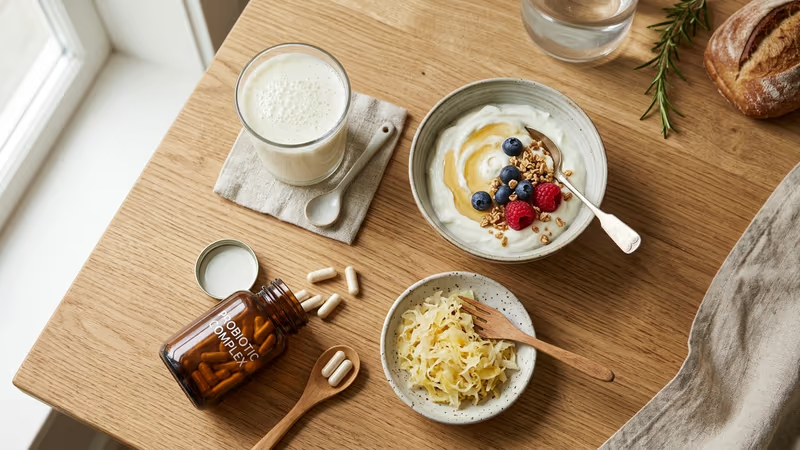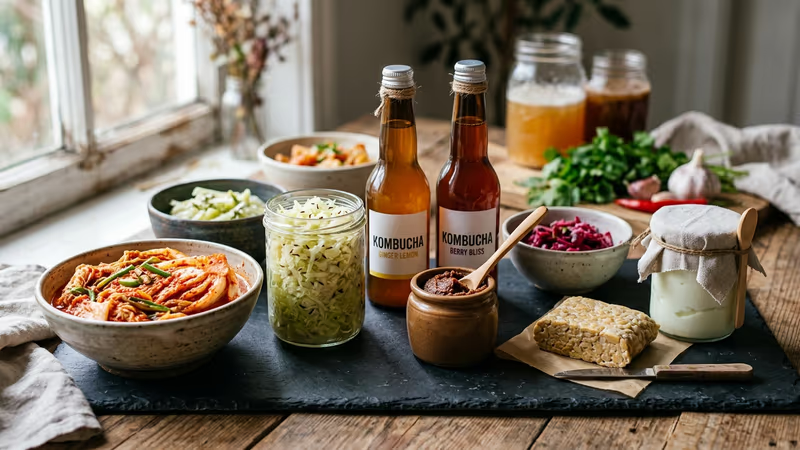

Walk down the refrigerated aisle of any grocery store and you'll find kombucha, kefir, kimchi, and half a dozen yogurts all promising to feed your gut. Some deliver. Others are pasteurized, sugar-heavy, or never contained live bacteria in the first place. This guide sorts the real probiotic foods for gut health from the ones riding the trend, ranks 14 fermented foods by the research behind them, and gives you practical serving sizes so you can put this to work at your next meal.
What You'll Learn
- What actually makes a food probiotic, and why fermented does not always mean live
- What the Stanford fermented-food study found about microbiome diversity and inflammation
- 14 probiotic rich foods ranked by evidence, with what's in each and a realistic serving
- How much fermented food per day is enough to matter
- How to shop for fermented vegetables for gut health, plus a simple sauerkraut method
- Who should be careful with sodium and histamine
- When food is enough and when a supplement makes more sense, with a 7-day sample plan
What Makes a Food Probiotic?
The word probiotic has a specific meaning: live microorganisms that, when consumed in adequate amounts, provide a health benefit. For a food to count, it must contain live cultures, those cultures must survive the trip through your stomach in meaningful numbers, and there should be evidence, ideally in people, that eating it does something useful.
That's a higher bar than simply being fermented. In a 2021 consensus statement in Nature Reviews Gastroenterology and Hepatology, Marco and colleagues from the International Scientific Association for Probiotics and Prebiotics defined fermented foods as foods made through desired microbial growth and enzymatic conversion of food components, and noted that many fermented foods are not probiotic. Beer, wine, most bread, chocolate, and coffee are fermented, but the microbes are killed by heat, alcohol, or filtering before you consume them. Even sauerkraut and pickles lose their live cultures when pasteurized, which is what happens to most shelf-stable jars.
So when we say probiotic foods for gut health, we mean fermented foods that still contain live microbes when they reach your plate: refrigerated, labeled live cultures or unpasteurized, and not heated during cooking.
The Stanford Study That Changed the Conversation
For years, the evidence for fermented foods was mostly observational. That changed in 2021 when Wastyk and colleagues at Stanford published a randomized trial in the journal Cell. They assigned 36 healthy adults to either a high-fiber diet or a high-fermented-food diet of yogurt, kefir, kimchi, sauerkraut, kombucha, and fermented vegetables, working up to about six servings a day over 10 weeks, and tracked stool samples and detailed blood measurements of immune activity.
The fermented-food group showed a steady increase in gut microbiome diversity over the 10 weeks, and the more servings a person ate, the bigger the change. At the same time, 19 inflammatory proteins in their blood decreased, including interleukin-6, a marker linked to conditions like type 2 diabetes and rheumatoid arthritis. The high-fiber group did not see a rise in diversity over the same period, though their microbes became better at breaking down complex carbohydrates.
This was a small study of healthy people that measured markers rather than disease outcomes, so it isn't proof that fermented foods prevent anything. But it was the first well-controlled trial to show that simply adding these foods measurably changed both the microbiome and the immune system.
14 Probiotic Rich Foods, Ranked by Evidence
We ranked these on three things: how many live organisms a typical serving contains, how consistent those numbers are across products, and how much human research exists. A 2018 review by Rezac and colleagues in Frontiers in Microbiology, which cataloged the live bacteria measured in commercial fermented foods, was our main reference for counts.
1. Yogurt With Live and Active Cultures
The most studied probiotic food by a wide margin. Standard yogurt is fermented with Streptococcus thermophilus and Lactobacillus bulgaricus, and many brands add Lactobacillus acidophilus or Bifidobacterium strains. Rezac's review found most commercial yogurts contain roughly 100 million to 1 billion live bacteria per gram, or tens of billions or more per cup. Look for live and active cultures on the label and choose plain to skip the added sugar. Serving: 6 to 8 ounces daily.
2. Kefir
Kefir is a drinkable fermented milk made with kefir grains, a mix of bacteria and yeasts. It typically contains 10 to 30 different species, more than yogurt, at comparable or higher counts. Because fermentation breaks down much of the lactose, many people who don't tolerate milk do fine with kefir. Serving: 1 cup daily, plain.
3. Sauerkraut (Raw, Refrigerated)
Raw sauerkraut is just cabbage and salt, fermented by the Lactobacillus and Leuconostoc bacteria that live naturally on the leaves. Measured counts run from about 10 million to 1 billion bacteria per gram, so even a small serving delivers plenty. The catch is that it must be raw; canned or shelf-stable sauerkraut is heat-treated and contains no live cultures. Serving: 2 to 4 tablespoons, eaten cold.
4. Kimchi
Korea's fermented cabbage and radish dish is similar to sauerkraut but seasoned with chili, garlic, and ginger, and it has more human research behind it. A 2011 randomized crossover trial by Kim and colleagues in Nutrition Research gave 22 overweight adults fresh or fermented kimchi for four weeks each. The fermented version led to greater improvements in blood pressure, body fat percentage, fasting glucose, and total cholesterol, suggesting the fermentation itself was doing part of the work. Serving: a quarter to half cup with a meal.
5. Miso
Miso is a paste of fermented soybeans, salt, and a starter culture called koji. Unpasteurized miso contains live Aspergillus oryzae and lactic acid bacteria. Stir it into soup after the pot comes off the heat, since boiling kills the cultures. Serving: 1 tablespoon in soup or a salad dressing.
6. Tempeh
Tempeh is a firm cake of soybeans bound together by the mold Rhizopus. Because it's nearly always cooked, its live-culture content on the plate is modest; its gut benefits come more from fiber and fermentation byproducts. Serving: 3 to 4 ounces as a protein swap.
7. Natto
Natto is soybeans fermented with Bacillus subtilis, a spore-forming bacterium that survives stomach acid far better than most, and it's the richest food source of vitamin K2. The flavor and stringy texture are an acquired taste, but it's one of the few foods delivering a robust, acid-resistant strain. Serving: a small 40-gram pack over rice.
8. Kombucha
Kombucha is sweetened tea fermented by a culture of bacteria and yeast. Raw versions contain live organisms, but counts vary widely between brands, human trials are scarce, and many bottles carry 10 to 20 grams of sugar. It's a reasonable soda swap, not a substitute for yogurt or kraut. Serving: 4 to 8 ounces, low-sugar.
9. Lassi and Skyr
Lassi is a yogurt-based drink from India; skyr is Iceland's thick, strained cultured dairy. Both carry the same live cultures as yogurt, so their evidence rides on the yogurt research. Serving: 1 cup of lassi or 6 ounces of plain skyr.
10. Aged Cheeses (Gouda, Cheddar, Swiss)
Cheese is often overlooked. Rezac's review noted that aged cheeses like gouda and cheddar can contain 100 million to 1 billion bacteria per gram, and the fat and dense matrix of cheese protects those bacteria from stomach acid better than most foods. Counts are highest in cheeses aged for months. Serving: 1 ounce, mindful of sodium.
11. Pickles (Brine-Fermented, Not Vinegar)
Here's the most common mistake in the category. Most grocery pickles are made with vinegar and heat-sealed, which means no live cultures at all. Real fermented pickles are cucumbers soured in salt brine over days or weeks, sold refrigerated with a cloudy brine and the word fermented on the label. Serving: 1 to 2 spears.
12. Buttermilk (Cultured)
Cultured buttermilk sold in the U.S. is low-fat milk fermented with lactic acid bacteria. It's a live-culture food many people already keep for cooking, though baking heat kills the bacteria. Serving: a half cup, cold.
13. Other Fermented Vegetables
Beets, carrots, green beans, and radishes can all be brine-fermented using the same method as sauerkraut, with bacterial counts in the same ballpark. Serving: 2 to 4 tablespoons as a condiment.
14. Sourdough Bread (Not Probiotic, but Worth Knowing)
Sourdough lands at the bottom for a specific reason: it is fermented, but baking kills every live organism in it, so it is not a probiotic food. We include it because a 2019 review by Dimidi and colleagues in Nutrients noted that the long fermentation still lowers the bread's glycemic impact and breaks down some compounds that bother sensitive stomachs. It's a good prebiotic-friendly choice, just not a source of live bacteria.
How Much Fermented Food Should You Eat?
The Stanford participants worked up to roughly six servings a day, and their results tracked with dose. That's a lot of kimchi, and the researchers noted it was more than most people would keep up long term. The good news is that a dose-response relationship means smaller amounts still move the needle, just less dramatically.
A realistic target is one to two servings a day from at least two different foods. A cup of yogurt at breakfast and a forkful of sauerkraut with dinner covers it. Variety matters because different foods carry different species: yogurt brings Streptococcus and Lactobacillus, kimchi brings Leuconostoc and Weissella, natto brings Bacillus. Start with one serving and add a second after a week or two; jumping straight to several a day is a reliable recipe for gas and bloating.
Feed the bacteria you're adding
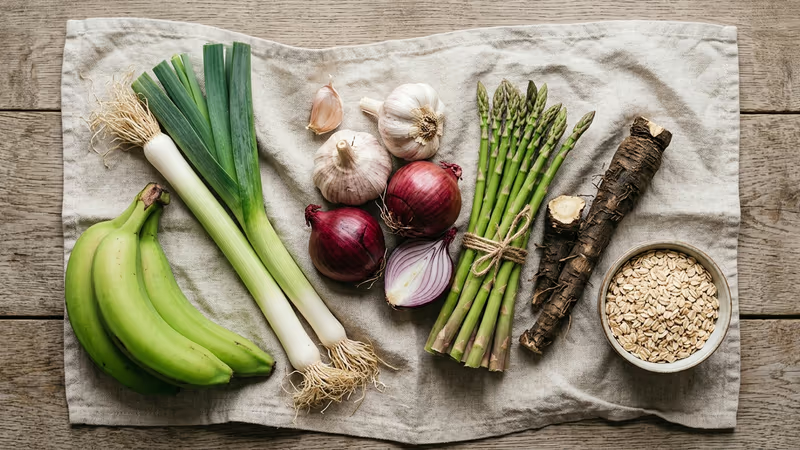
Probiotic foods introduce new microbes, but fiber is what keeps them fed. Pairing fermented foods with beans, oats, onions, and other prebiotic-rich foods is where the two approaches work together. Read: prebiotics for gut health.
Read: prebiotics for gut healthFermented Vegetables for Gut Health: How to Buy and How to Make Them
Fermented vegetables are the most affordable and lowest-sugar option on the list, but only if you buy the right jar.
- It's in the refrigerated section. Shelf-stable jars have almost always been pasteurized.
- The label says unpasteurized, raw, or live cultures. If it doesn't say, assume it isn't.
- The ingredient list is short: vegetables, salt, maybe spices. No vinegar, which signals a quick pickle rather than a fermentation.
- The brine is cloudy and the lid may hiss slightly when opened, both signs of active cultures.
- Sodium is listed. Most run 200 to 400 mg per 2-tablespoon serving.
Making sauerkraut at home costs about a dollar a jar. Shred one medium green cabbage and toss it with 1 tablespoon of non-iodized salt, about 2 percent of the cabbage's weight. Massage for five minutes until it releases enough liquid to cover itself. Pack it tightly into a clean quart jar so the brine rises above the cabbage, weigh it down with a small jar or a clean cabbage leaf, cover loosely, and leave it on the counter out of direct sun for 1 to 3 weeks, tasting every few days. When it's as sour as you like, move it to the fridge, where it keeps for months.
Sodium, Histamine, and Who Should Be Careful
Fermented foods have a few downsides. Sauerkraut, kimchi, miso, and pickles are salty by design, since salt keeps the wrong bacteria out during fermentation. If you've been told to limit sodium for blood pressure, kidney health, or heart failure, count these foods in your daily total and lean toward yogurt and kefir instead.
Fermentation also produces histamine and other biogenic amines, and aged cheese, sauerkraut, kimchi, and kombucha are among the highest-histamine foods there are. Most people clear histamine without noticing, but a minority get headaches, flushing, hives, or a stuffy nose after eating them; fresh yogurt and kefir tend to be lower-histamine options. People taking MAO inhibitor antidepressants should avoid aged and fermented foods because of the tyramine content. And anyone who is immunocompromised or on chemotherapy should ask a doctor before adding live-culture foods, since the safety data comes mostly from healthy adults.
Probiotic Foods for Gut Health vs. Supplements: When Each Makes Sense
Food and supplements answer different questions. Fermented foods deliver a wide, changing mix of species along with fiber, protein, vitamins, and fermentation byproducts that a capsule can't reproduce. A 2022 review by Leeuwendaal and colleagues in Nutrients concluded that fermented foods can shift the gut microbiome in both the short and long term and belong in the regular diet. For everyday digestion, food is the better tool.
Supplements shine when you need a specific, studied strain at a known dose: a course of antibiotics, a targeted strain for a particular complaint, or a situation where you won't eat fermented foods. The mistake is treating a capsule as a replacement for a diet with no fermented food at all. Even the well-known 2013 study by Tillisch and colleagues in Gastroenterology, which found that four weeks of a probiotic fermented milk product changed how healthy women's brains responded to emotional images, was a food study, not a pill study.
If you do want a supplement
We compared the most popular gut health formulas on strain selection, dose, and value. See our roundup of the best digestive health supplements to find one that fits alongside, not instead of, the foods above.
See the best digestive health supplementsA 7-Day Sample Plan
Here's what one to two servings a day looks like in practice.
- Monday: Plain yogurt with berries at breakfast; sauerkraut on a turkey sandwich at lunch.
- Tuesday: Kefir blended with banana; kimchi alongside chicken and rice at dinner.
- Wednesday: Skyr with honey; miso stirred into vegetable soup off the heat.
- Thursday: Yogurt at breakfast; a fermented pickle spear with dinner.
- Friday: Kefir smoothie; an ounce of aged gouda with apple slices.
- Saturday: Tempeh stir-fry for lunch; a small glass of low-sugar kombucha.
- Sunday: Lassi with brunch; fermented carrots or beets on a salad.
Our Take
The best probiotic foods for gut health are the ones you'll eat consistently. Plain yogurt, kefir, raw sauerkraut, and kimchi have the strongest combination of live-culture counts and human evidence, and they're cheap and easy to fit into a normal American diet. Aim for one to two servings a day from at least two different foods, buy refrigerated products labeled live or unpasteurized, keep them away from heat, and watch sodium if that's a concern for you. The Stanford trial showed this simple habit can shift both your microbiome and your inflammatory markers within weeks. Supplements have their place, but a fork is still the most reliable delivery system we know of.
Frequently Asked Questions
What foods have the most probiotics?
By live-culture count and research support, the top choices are yogurt with live and active cultures, kefir, raw sauerkraut, and kimchi. Kefir usually contains the widest range of species, while yogurt has the most human studies. Natto is worth a mention because its Bacillus subtilis strain survives stomach acid unusually well. Aged cheeses like gouda and cheddar are an underrated source too. Whatever you choose, it has to be unpasteurized and unheated to count, so check the label and shop the refrigerated section.
Is sauerkraut a good probiotic?
Yes, if it's raw. Properly fermented sauerkraut contains Lactobacillus and Leuconostoc bacteria in the range of tens of millions to a billion per gram, so a couple of tablespoons is a meaningful dose. The problem is that most canned and shelf-stable sauerkraut has been pasteurized, which kills all of the live cultures. Look for a refrigerated jar labeled raw, unpasteurized, or live cultures, with only cabbage and salt in the ingredients. Eat it cold rather than cooking it, since heat destroys the bacteria.
How much fermented food should I eat per day?
The 2021 Stanford trial that found increased microbiome diversity and lower inflammatory markers had participants working up to about six servings a day, which is more than most people can sustain. Because the benefit tracked with dose, smaller amounts still help. A practical target is one to two servings daily from at least two different foods, such as a cup of yogurt or kefir plus a few tablespoons of sauerkraut or kimchi. Start with one serving and add a second after a week to avoid gas and bloating.
Are probiotic foods better than supplements?
For everyday gut support, foods usually win. They deliver a wider variety of species plus fiber, protein, vitamins, and fermentation byproducts a capsule can't match, and reviews of the research suggest they can shift the microbiome over both the short and long term. Supplements make more sense when you need a specific, well-studied strain at a known dose, such as during a course of antibiotics, or when you simply won't eat fermented foods. The two work best together rather than as substitutes.
Does cooking kill probiotics?
Yes. Most probiotic bacteria die at temperatures above roughly 115 to 120 degrees Fahrenheit, well below simmering. That's why sourdough bread, cooked tempeh, and miso that has been boiled contain no live cultures even though they're fermented. To keep the bacteria alive, add miso after soup comes off the heat, put sauerkraut and kimchi on top of hot food rather than into it, and use yogurt and kefir cold. Cooked fermented foods still offer fiber and fermentation byproducts, just not live microbes.
Get honest health tips & reviews
Join our newsletter for science-backed supplement reviews and wellness advice.
No spam. Unsubscribe anytime.