
Maria Rodriguez
Metabolic Health & Nutrition Writer
The Health News
Credentials
- 10+ years covering metabolic health and diabetes prevention
- Member, Association of Health Care Journalists
- Specializes in blood sugar management and nutritional interventions
About
Maria writes about blood sugar management, diabetes prevention, and metabolic health — topics she got into after watching family members struggle with these issues.
She focuses on translating clinical research into lifestyle strategies that help people take control of their metabolic wellness.
Areas of Expertise
Articles (8)

Digestive Enzymes for Bloating and Gas: What They Do, Who They Help, and How to Use Them
Digestive enzymes for bloating work when the right enzyme meets the right food. Learn which ones have evidence, how to dose by FCC units, and who should skip them.

Probiotics for Bloating: Which Strains Help, Which Make It Worse, and What to Expect
Probiotics for bloating can help, but only certain strains have real evidence. See which ones reduce gas, why some worsen it at first, and how to run a fair 4-week trial.
Probiotics for Constipation: Strains That Improve Regularity, Plus Psyllium and What Else Helps
Probiotics for constipation: the strains with real evidence for regularity, how psyllium compares, what else helps, and the red flags that need a doctor.

Probiotics for Diarrhea: What Works for Antibiotic-Associated, Traveler's, and Occasional Diarrhea
Probiotics for diarrhea: which strains have real evidence for antibiotic-associated and traveler's diarrhea, when to take them, and when to call a doctor.

The Low-FODMAP Diet: A Beginner's Guide to Reducing Digestive Distress
Around 75% of people with IBS see meaningful symptom relief on a low-FODMAP diet, according to Monash University research. But this protocol is often misunderstood and misapplied. Here's how the three-phase approach actually works, which foods to swap, and why working with a dietitian matters more than most people think.

Insulin Resistance Explained: What It Is, Why It Matters, and How to Reverse It
Insulin resistance is the hidden driver behind prediabetes, type 2 diabetes, and a range of metabolic problems. Understanding how it develops — and what you can do about it — could be one of the most important things you learn about your health.

Leaky Gut Syndrome: Symptoms, Causes, and What Actually Helps
Leaky gut is one of the most discussed — and most misunderstood — topics in digestive health. Here's what the science actually says about intestinal permeability, the symptoms it may cause, and what evidence-based steps you can take.

Blood Sugar Spikes: What They Are, Why They Matter, and How to Prevent Them
Blood sugar instability isn't just a diabetes concern. It affects energy, cravings, mood, and long-term health — even in people with normal blood sugar levels.
Product Reviews (5)
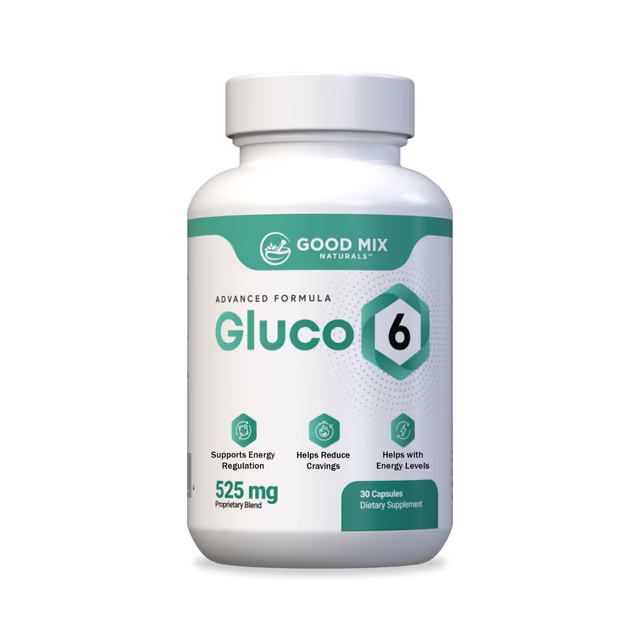
Gluco6 Review: Does This Tea-Based Formula Actually Support Healthy Blood Sugar?
Gluco6 combines tea-derived compounds with traditional botanical extracts to support healthy blood sugar levels already within normal range. We looked into the ingredient research and gathered real user feedback to see if this approach is worth your money.
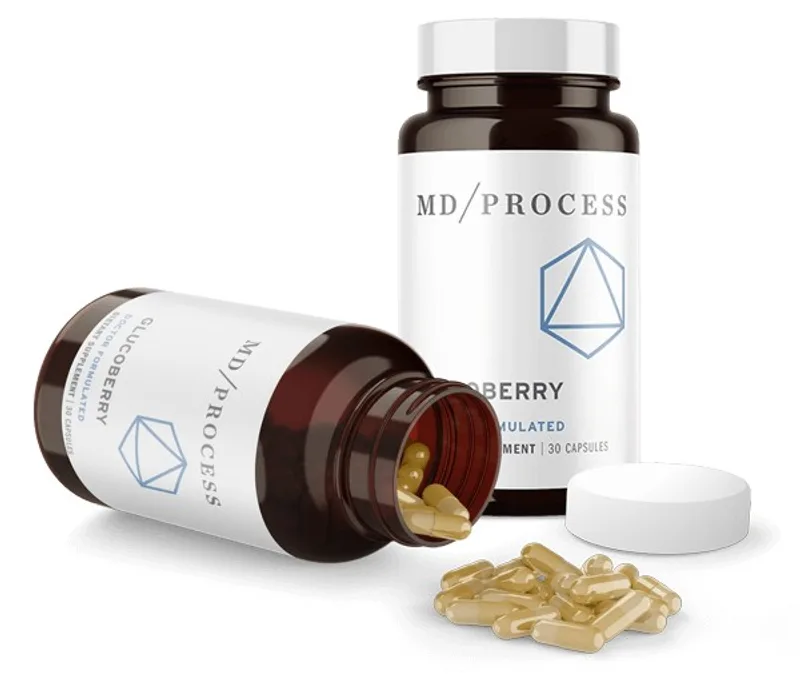
GlucoBerry Review: Four Ingredients, Every Dose on the Label. Does the Maqui Berry Formula Hold Up?
GlucoBerry is a one-capsule-a-day blood sugar supplement from MD/PROCESS, the brand fronted by Dr. Mark Weis, sold through ClickBank. Each capsule holds 180 mg of maqui berry extract, 600 mcg of chromium picolinate, 2 mg of biotin, and 400 mg of gymnema leaf powder, all printed on the label. Pricing is $138 for 2 bottles, $177 for 3, and $234 for 6 ($39 each, free US shipping), with a 180-day guarantee on unopened bottles. We read the sales page, label, refund policy, and checkout, then checked each ingredient against PubMed. The chromium-biotin pairing matches a 447-person trial to the milligram, and the maqui dose matches a 3-month study. The kidney 'Blood Sugar Drain' story is much bigger than the evidence.
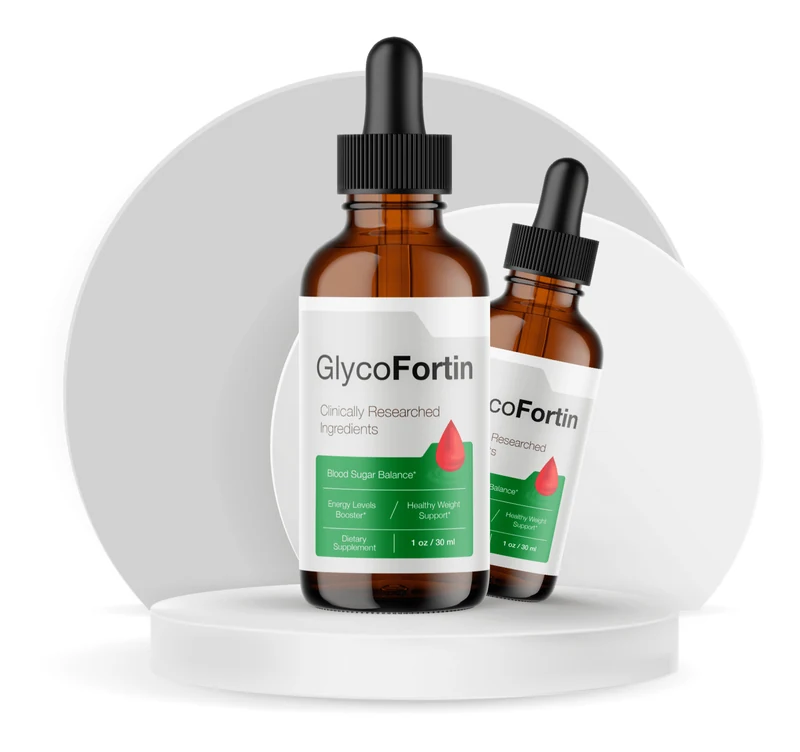
GlycoFortin Review: 0.7 mcg of Chromium and a 200 mg Blend Split 22 Ways. Can Drops This Dilute Justify $69 a Bottle?
GlycoFortin is a 1 mL-a-day liquid blood sugar supplement sold direct through ClickBank checkout at $69 for one bottle, $59 per bottle for three, and $49 per bottle for six, with free US shipping on every package and a 60-day money-back guarantee. The Supplement Facts panel lists 0.7 mcg of chromium picolinate (2% of the Daily Value) and a single 200 mg proprietary blend of 22 ingredients: maca, grape seed, guarana, African mango, Siberian ginseng, astragalus, green tea, gymnema, coleus forskohlii, capsicum, grapefruit, American ginseng aerial parts, raspberry ketones, and nine amino acids and related compounds. We read the vendor's text presentation, the label, the refund and shipping policies, and the references page, then checked each ingredient against PubMed. Several of the botanicals have real human trials for glucose or weight, but those trials used 400 mg of gymnema, 3 g of ginseng root, 600 mg of grape seed, 30 g of glutamine, or 200 to 1,000 mcg of chromium per day. GlycoFortin's entire blend is 200 mg across 22 ingredients, and its chromium is roughly one-fourteen-hundredth of the dose that improved A1c in the largest trial. The sales page also says 'No Stimulants' while the label lists guarana and green tea.

Nervogen Pro Review: The Sales Page Says Corydalis Yanhusuo, the Label Says Corydalis Lutea, and the Refund Clock Starts the Day It Ships
Nervogen Pro is a two-capsule-a-day nerve support supplement sold through DigiStore24 checkout at $69 for one bottle, $177 for three ($59 each), and $294 for six ($49 each), against a $99-per-bottle 'regular' price the vendor says it decided not to charge. The 60-day money-back guarantee is real but starts the day the order ships, not the day it arrives, and you mail every bottle back at your own cost. We decoded the vendor's own pricing configuration, read the label, the refund and shipping policies, and all three items on the references page, then checked each ingredient on PubMed. The Supplement Facts panel discloses every dose: passion flower herb powder 290 mg, marshmallow root powder 220 mg, Corydalis lutea 4:1 extract 200 mg, prickly pear 20:1 extract 100 mg, and California poppy seed 90 mg, 900 mg per serving. That transparency is genuinely above category average. Everything around the label is weaker. The sales copy names 'Corydalis Yanhuosuo' while the label lists Corydalis lutea, a different plant. The serving line says 'Veggie Capsules' while the Other Ingredients line says gelatin. The label address is Englewood, Colorado; the refund address is Aurora. The references page has three entries, one of which is a 2002 review of the neurobiology of fear and anxiety that mentions no ingredient in the bottle. And the copy at one point promises to support your 'healthy hearing', while the footer of every page still carries a leftover 'MYCOSYN PRO' marker from another product.
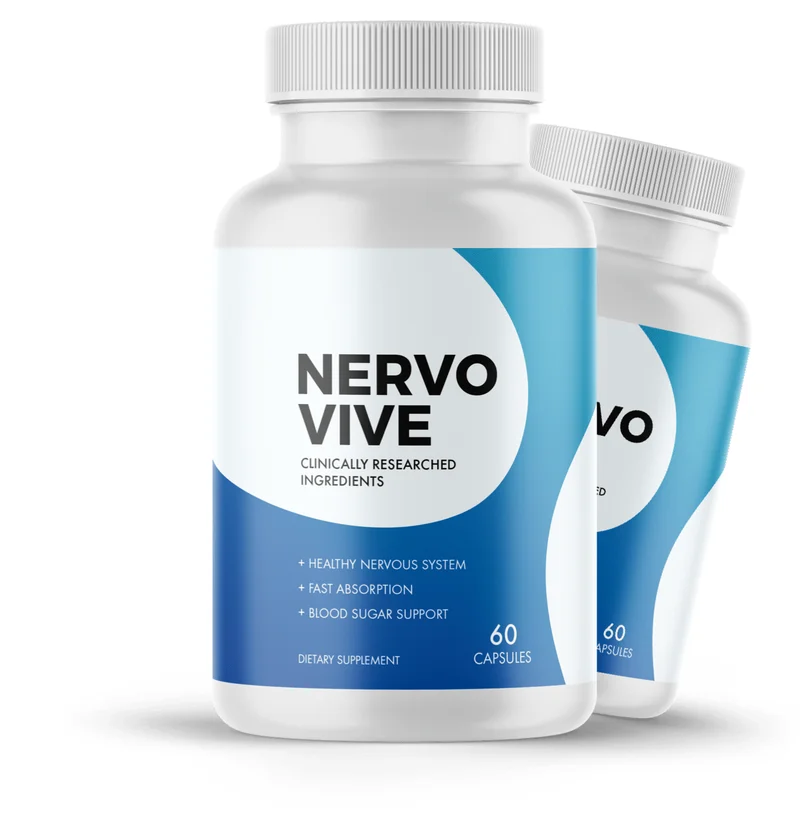
NervoVive Review: Five Calming Botanicals, No Alpha-Lipoic Acid, No B Vitamins, and a Corydalis Species That Does Not Match Its Own References
NervoVive is a two-capsule-a-day nerve support supplement sold direct through DigiStore24 checkout (the product is also listed on ClickBank) at $69 for one bottle, $59 per bottle for three, and $49 per bottle for six, with a 60-day money-back guarantee. The Supplement Facts panel discloses every dose, which is more than most products in this category do: 290 mg passion flower herb, 220 mg marshmallow root, 200 mg Corydalis lutea 4:1 extract, 100 mg prickly pear 20:1 extract, and 90 mg California poppy seed, 900 mg in total. We read the vendor's text presentation, the label, the refund and shipping policies, and the references page, then checked each ingredient against PubMed. The formula is a sedative-and-analgesic herb blend, not a neuropathy formula: the two ingredients with real randomized trials in diabetic neuropathy, alpha-lipoic acid and vitamin B12, are absent. None of the five botanicals has a human trial for nerve pain, numbness, or tingling. The references page cites Corydalis yanhusuo, a Chinese analgesic herb, but the label lists Corydalis lutea, a European garden plant with a different alkaloid profile. The sales page also says the product helps 'manage neuropathy', a disease claim a dietary supplement is not allowed to make, and one of the bonus ebook descriptions is copy-pasted from a women's libido product.