GlycoFortin Review: 0.7 mcg of Chromium and a 200 mg Blend Split 22 Ways. Can Drops This Dilute Justify $69 a Bottle? (2026)
GlycoFortin is a 1 mL-a-day liquid blood sugar supplement sold direct through ClickBank checkout at $69 for one bottle, $59 per bottle for three, and $49 per bottle for six, with free US shipping on every package and a 60-day money-back guarantee. The Supplement Facts panel lists 0.7 mcg of chromium picolinate (2% of the Daily Value) and a single 200 mg proprietary blend of 22 ingredients: maca, grape seed, guarana, African mango, Siberian ginseng, astragalus, green tea, gymnema, coleus forskohlii, capsicum, grapefruit, American ginseng aerial parts, raspberry ketones, and nine amino acids and related compounds. We read the vendor's text presentation, the label, the refund and shipping policies, and the references page, then checked each ingredient against PubMed. Several of the botanicals have real human trials for glucose or weight, but those trials used 400 mg of gymnema, 3 g of ginseng root, 600 mg of grape seed, 30 g of glutamine, or 200 to 1,000 mcg of chromium per day. GlycoFortin's entire blend is 200 mg across 22 ingredients, and its chromium is roughly one-fourteen-hundredth of the dose that improved A1c in the largest trial. The sales page also says 'No Stimulants' while the label lists guarana and green tea.

Maria Rodriguez
Metabolic Health & Nutrition Writer
Last updated: September 6, 2026
Disclosure: This review contains affiliate links. If you purchase through our links, we may earn a commission at no extra cost to you. Read our affiliate disclosure and editorial policy.
Metabolic Health & Nutrition Writer
Maria writes about blood sugar management, diabetes prevention, and metabolic health — topics she got into after watching family members struggle with these issues.
At a glance
Best for
- Adults 40-65 with fasting glucose in the normal or prediabetic range who have been evaluated by a doctor and want a botanical add-on to diet and walking, not a treatment
- People who cannot or will not swallow capsules and prefer a dropper in their morning coffee or water
- Buyers who already take a proper chromium or gymnema product and understand GlycoFortin is not a replacement for either
- People curious about American ginseng, green tea, and grape seed who accept that the doses here are a small fraction of the trial doses
- Buyers who can commit to the 3- or 6-bottle order so the refund window is not the limiting factor
Not for
- Anyone on metformin, insulin, sulfonylureas, or any prescribed glucose-lowering drug who has not cleared the product with their prescriber; stacking glucose-lowering botanicals with these drugs can cause hypoglycemia
- Anyone with type 1 diabetes, or type 2 diabetes with an A1c above the target their prescriber set; the target and the treatment plan come from the prescriber, not from a dropper
- People with high blood pressure or a heart rhythm problem: the formula contains guarana, green tea, and monoammonium glycyrrhizinate, a licorice derivative, despite the 'No Stimulants' claim on the sales page
- People who want disclosed per-ingredient doses; the label gives one 200 mg number for 22 ingredients
- Pregnant or nursing women and anyone under 18, per the label
- Anyone expecting the 'fat over-spills from the liver into the pancreas' story to be something GlycoFortin has been shown to reverse
GlycoFortin price & where to buy
- Price: from $49 per bottle (single bottle $69) · Save up to $300 on 6 bottles
- Guarantee: 60-day money-back guarantee
- Where to buy: only on the official GlycoFortin website — not sold in stores, on Amazon or Walmart.
GlycoFortin still worth it in 2026?
A long, familiar ingredient list at doses far below anything in the research: a low-risk but low-expectation trial at the 6-bottle price, never a substitute for diabetes medication
"Tastes like lemon and stevia, easy to take in coffee. My morning readings did not move in two months, but I did snack less mid-afternoon."
"I looked at the label after ordering. Twenty-two ingredients in 200 milligrams. My chromium tablet from the pharmacy has more chromium in one pill than this has in a whole bottle."
"The website says no stimulants. The bottle says guarana and green tea. I have a heart condition, so I checked, and I am glad I did."
- Gymnema, American ginseng, green tea, grape seed, chromium, glutamine, and L-arginine all have randomized human trials for fasting glucose, post-meal glucose, or A1c, which is a better research base than most 'pancreas support' formulas.
- Those trials used 400 mg of gymnema, 3 g of ginseng root, 600 mg of grape seed, 30 g of glutamine, 9 g of arginine, or 200 to 1,000 mcg of chromium per day. GlycoFortin's whole blend is 200 mg across 22 ingredients, and its chromium is 0.7 mcg, so no single ingredient can be anywhere near a trial dose.
- The label lists 'Panax Ginseng (Panax quinquefolius) Aerial Extract'. Panax quinquefolius is American ginseng, not Panax ginseng, and the postprandial-glucose trials used 3 g of the root, not the leaves and stems.
- 60-day money-back guarantee per the vendor's refund policy, counted from delivery; all bottles must be mailed back at your cost to Largo, Florida, and the vendor itself recommends 3 months of use before judging.
Best suited to adults whose blood sugar is already in the normal range or is well managed by a prescriber, who want a low-dose botanical liquid rather than a pill, and who buy the 3- or 6-bottle pack so the guarantee window and the vendor's 3-month recommendation overlap. It is not for anyone hoping to reduce or replace metformin, insulin, or any other prescribed glucose-lowering drug.
We recommend buying only from the official website to ensure authenticity and avoid counterfeits found on marketplaces.
Join the success stories! Get GlycoFortin with our money-back guarantee.
✓ Money-Back Guarantee • ✓ Free Shipping
What is GlycoFortin?
A one-dropper-a-day liquid built on a trace of chromium and a small blend of 22 botanicals and amino acids
GlycoFortin is a 1 oz (30 mL) liquid supplement taken as one full dropper (1 mL) per day, distributed by a company of the same name at 11870 62nd St N, Largo, Florida, and sold through ClickBank. The Supplement Facts panel (label revision 04/24) lists two things: chromium as chromium picolinate at 0.7 mcg, which is 2% of the Daily Value, and a 200 mg proprietary blend of maca root, grape seed, guarana seed, African mango seed, Siberian ginseng root, astragalus root, green tea leaf, gymnema leaf, coleus forskohlii root, capsicum annuum fruit, grapefruit fruit, 'Panax Ginseng (Panax quinquefolius)' aerial extract, raspberry ketones, L-glutamine, L-tyrosine, L-arginine base, beta-alanine, monoammonium glycyrrhizinate, GABA, L-ornithine HCl, L-tryptophan, and L-carnitine base. The base is glycerin, water, organic lemon extract, stevia, xylitol, sodium benzoate, potassium sorbate, citric acid, and natural flavors. The label says 'Made in the USA using foreign and U.S. ingredients'.
The arithmetic matters more than the list. Two hundred milligrams divided among 22 ingredients is an average of about 9 mg each. Even if the first ingredient took half the blend, it would be 100 mg. The chromium figure is stranger still: 0.7 mcg is not a rounding error on the label, it is what the label says, and it is about one-fiftieth of the 35 mcg Daily Value and one-fourteen-hundredth of the 1,000 mcg per day used in the best-known chromium picolinate trial in type 2 diabetes. A 30 mL bottle contains 21 mcg of chromium in total, less than a single 200 mcg pharmacy tablet.
The sales pitch is that GlycoFortin 'supports the health of your pancreas and liver' so you can 'enjoy your favorite foods while maintaining blood sugar at optimum levels'. The references page backs the pancreas-and-liver angle with a Medscape UK article, a News Medical article, and a UChicago Medicine blog post about fat spilling from the liver into the pancreas in type 2 diabetes. That is a real research idea, associated with Roy Taylor's weight-loss remission work, but nothing on the references page links any GlycoFortin ingredient to liver or pancreas fat in humans. The page's ingredient citations include an in-vitro guarana study, a review of L-arginine in hypertension, and a meta-analysis of tryptophan for sleep quality.
Two labeling problems are worth naming. The sales page's checklist says 'No Stimulants', but the label lists guarana seed extract and green tea leaf extract, both of which contain caffeine; the amount in a 200 mg blend is almost certainly too small to feel, but the claim is still inaccurate. And the label calls one ingredient 'Panax Ginseng (Panax quinquefolius) Aerial Extract'. Panax quinquefolius is American ginseng; Panax ginseng is the Asian species, and the two behave differently on post-meal glucose in head-to-head testing. Whichever plant is in the bottle, the human trials used the root at 3 g, not the aerial parts. If you want a blood sugar formula that discloses each ingredient's dose, Gluco6 remains our pick in this category; we compare the two at /compare/gluco6-vs-glycofortin.
How it works
How GlycoFortin is supposed to work, and what the research actually supports
Step 1
Insulin Sensitivity and Chromium: Chromium is the one ingredient with a stated dose, and it is the clearest problem. In a 180-patient randomized trial in China, 1,000 mcg per day of chromium picolinate for 4 months brought A1c to 6.6% versus 8.5% on placebo and lowered fasting glucose from 8.8 to 7.1 mmol/L; the 200 mcg group improved less. A 2014 meta-analysis of 25 randomized trials found an average A1c reduction of 0.55% and noted that benefit appeared mainly above 200 mcg per day, and a 2007 systematic review of 41 studies found no benefit at all in people without diabetes. GlycoFortin provides 0.7 mcg, about 0.07% of the 1,000 mcg dose.
Step 2
Sugar Craving and Gymnema: Gymnema sylvestre is the most traditional glucose botanical in the blend. In the best-known trial, 22 patients with type 2 diabetes on oral drugs took 400 mg per day of a standardized leaf extract for 18-20 months and showed lower glucose, lower A1c, and, in several cases, reduced drug doses; there was no placebo group. A 2021 meta-analysis of 10 studies in 419 people found lower fasting glucose. If gymnema were the whole 200 mg blend, it would still be half the trial dose; as one of 22, it is a small fraction.
Step 3
Post-Meal Glucose and Ginseng: In a randomized trial, 3 g of American ginseng root taken before a 25 g glucose load reduced the glucose curve by 19-22% in 9 people with type 2 diabetes and by 18% in 10 nondiabetic adults. The same group later tested eight ginseng types at 3 g in 12 healthy adults: American ginseng tended to lower post-meal glucose, while Asian ginseng and Siberian ginseng raised it. GlycoFortin lists both Siberian ginseng root and a 'Panax Ginseng (Panax quinquefolius)' aerial extract in a 200 mg blend, which is 6.7% of one trial dose for everything combined.
Step 4
Green Tea and Grape Seed: A 2013 meta-analysis of 17 randomized trials in 1,133 people found green tea lowered fasting glucose by 0.09 mmol/L and A1c by 0.30%, real but modest effects at cups-per-day or extract-capsule doses. A 4-week crossover trial of 600 mg per day of grape seed extract in 32 people with type 2 diabetes lowered fructosamine from 282 to 273 and C-reactive protein from 3.2 to 2.0 mg/L, with no change in insulin resistance. Neither can be present at anything like those doses here.
Step 5
Weight Support: The weight ingredients are the same ones that appear in most fat-burner drops. A 10-week trial of 150 mg of a standardized African mango seed extract twice daily in 102 overweight adults reported lower weight, waist, and glucose. A 12-week trial of 250 mg of 10% forskolin extract twice daily in 30 overweight men lowered body fat percentage but not weight. A 2012 systematic review of 20 capsaicinoid trials in 563 people estimated about 50 extra calories burned per day. Half a fresh grapefruit before meals produced 1.6 kg of weight loss over 12 weeks versus 0.3 kg on placebo in 91 obese adults, and the capsule form did less. Raspberry ketones have no human trial as a single ingredient. All of these used hundreds of milligrams to whole fruits.
Step 6
Amino Acids: L-glutamine at 30 g per day for 6 weeks lowered fasting glucose and body fat in a 66-patient trial in type 2 diabetes, and L-arginine at 3 g three times a day for one month raised glucose disposal by 34% in 12 lean patients. A 2024 dose-response meta-analysis of 21 L-carnitine trials in 2,041 people with type 2 diabetes found small glucose and BMI reductions per gram per day. Beta-alanine's evidence is a sports meta-analysis in which the median total supplemented was 179 g. Oral GABA with malic acid raised GLP-1 in 22 healthy adults without changing glucose or insulin. These are gram-scale compounds; GlycoFortin's whole blend is one-fifth of a gram.
Step 7
The 'Liver and Pancreas' Story: The vendor claims GlycoFortin supports the health of the pancreas and liver. Its references page supports this with three news articles about fat accumulating in the liver and pancreas in type 2 diabetes, a mechanism studied through low-calorie-diet weight loss, and with papers on pancreatic stent clogging and pancreas toxicology that have nothing to do with the formula. No study on the page tests any GlycoFortin ingredient on liver or pancreas fat in humans.
Ready to try GlycoFortin? Get started today with our exclusive offer.
✓ Money-Back Guarantee • ✓ Free Shipping
Ingredients
Chromium (as Chromium Picolinate) 0.7 mcg
Benefits:
The only ingredient with a stated dose, and the clearest problem on the label. Chromium picolinate has the best trial record of any non-prescription blood sugar ingredient: in a 180-patient randomized trial in type 2 diabetes, 1,000 mcg per day for 4 months brought A1c to 6.6% versus 8.5% on placebo, and a 2014 meta-analysis of 25 trials found an average A1c reduction of 0.55% with benefit mainly above 200 mcg per day. A 2007 review of 41 trials found no benefit in people without diabetes. GlycoFortin provides 0.7 mcg, 2% of the Daily Value, about 0.07% of the 1,000 mcg trial dose and one-285th of 200 mcg; a whole 30 mL bottle holds 21 mcg, less than one pharmacy tablet.
Gymnema (Gymnema sylvestre) Leaf Extract
Benefits:
The traditional 'sugar destroyer' and the most established glucose botanical in the blend. In the best-known trial, 22 patients with type 2 diabetes on oral drugs took 400 mg per day of a standardized leaf extract for 18-20 months and showed lower glucose and A1c, with no placebo group; a 2021 meta-analysis of 10 studies in 419 people found lower fasting glucose. Because it lowers glucose, it is also one of the ingredients that can add to the effect of insulin or sulfonylureas. If gymnema were the entire 200 mg blend it would be half the trial dose; as one of 22 ingredients it is a small fraction. Dose not disclosed.
Panax Ginseng (Panax quinquefolius) Aerial Extract
Benefits:
A self-contradicting label entry: Panax quinquefolius is American ginseng, while Panax ginseng is the Asian species. American ginseng root has the real data: 3 g before a glucose load cut the post-meal glucose curve by 19-22% in 9 people with type 2 diabetes and 18% in 10 nondiabetic adults, and the investigators warned nondiabetic users to take it with a meal to avoid hypoglycemia. In a head-to-head test of eight ginseng types at 3 g, Asian ginseng and Siberian ginseng raised post-meal glucose. GlycoFortin uses the aerial parts (leaves and stems), which were not what the trials tested, at an undisclosed share of a 200 mg blend that is 6.7% of one trial dose in total.
Green Tea (Camellia sinensis) Leaf Extract
Benefits:
A 2013 meta-analysis of 17 randomized trials in 1,133 people found green tea lowered fasting glucose by 0.09 mmol/L and A1c by 0.30%, modest but real effects at cups-per-day or extract-capsule doses. It is also a caffeine source, which contradicts the sales page's 'No Stimulants' claim, and high-dose green tea extract has been linked to rare liver injury, a reason to keep track of the total extract you take across products. Dose not disclosed.
Grape (Vitis vinifera) Seed Extract
Benefits:
Flavonoid-rich antioxidant extract. In a 4-week double-blind crossover trial in 32 people with type 2 diabetes, 600 mg per day lowered fructosamine from 282 to 273 and C-reactive protein from 3.2 to 2.0 mg/L, with no change in insulin resistance or blood vessel function. The trial dose is three times GlycoFortin's entire blend. The vendor's own citation is a small study of grape seed extract for liver enzymes in fatty liver, which is where the 'liver support' language likely comes from. Dose not disclosed.
African Mango (Irvingia gabonensis) Seed Extract
Benefits:
A weight-loss ingredient rather than a glucose one. In a 10-week trial of 102 overweight adults, 150 mg of the standardized IGOB131 extract twice daily before meals improved weight, waist, blood glucose, and cholesterol versus placebo. That is 300 mg per day of a standardized extract, one and a half times GlycoFortin's whole blend. Dose not disclosed.
Coleus Forskohlii (Plectranthus barbatus) Root Extract
Benefits:
Source of forskolin, a weight-management ingredient. In a 12-week randomized trial in 30 overweight and obese men, 250 mg of a 10% forskolin extract twice daily lowered body fat percentage and fat mass and raised free testosterone, without significant weight loss. That is 500 mg per day of extract, two and a half times GlycoFortin's entire blend. Dose not disclosed.
Capsicum Annuum Fruit Extract
Benefits:
Chili pepper extract, present for its thermogenic reputation. A 2012 systematic review of 20 trials in 563 participants estimated that capsaicinoids raise energy expenditure by about 50 kcal per day and modestly reduce appetite, with the authors calling them 'not a magic bullet'. It can cause stomach upset on an empty stomach, one reason to take the dropper with breakfast. Dose not disclosed.
Grapefruit (Citrus paradisi) Fruit Extract
Benefits:
Half a fresh grapefruit before each meal for 12 weeks produced 1.6 kg of weight loss versus 0.3 kg on placebo in 91 obese adults, with grapefruit capsules doing less and only the fresh fruit improving post-glucose insulin. Grapefruit also inhibits the CYP3A4 enzyme that clears statins and some blood pressure drugs; the amount here is almost certainly too small to matter, but it is undisclosed. Dose not disclosed.
Guarana (Paullinia cupana) Seed Extract
Benefits:
An Amazonian seed whose main active compound is caffeine, which is why it appears in energy and fat-burner products. Its presence contradicts the sales page's 'No Stimulants' checklist. The vendor's references for it are an in-vitro study of cholesterol absorption in cultured cells and a paper on anti-platelet factors, neither a human glucose trial. Whether the caffeine in a fraction of a 200 mg blend is enough to feel is doubtful; whether the label claim is accurate is not. Dose not disclosed.
Siberian Ginseng (Eleutherococcus senticosus) Root Extract
Benefits:
An adaptogen with no fasting-glucose trial. In an 8-week crossover study of 9 recreationally trained men, 800 mg per day improved endurance time by 23% and lowered glucose during exercise. In the head-to-head test of eight ginseng types at 3 g before a glucose load, Siberian ginseng raised post-meal glucose rather than lowering it. Dose not disclosed.
Astragalus (Astragalus membranaceus) Root Extract
Benefits:
A traditional Chinese herb with a real research base in diabetic kidney disease, where it is studied as an add-on decoction in open-label trials at gram-scale doses. No randomized trial supports it for fasting glucose or A1c on its own, and the kidney-disease trials have nothing to do with the milligrams that can fit in this blend. Dose not disclosed.
L-Glutamine, L-Arginine Base, L-Carnitine Base
Benefits:
Three amino acids and related compounds that are sold by the gram and have gram-scale trials: 30 g per day of glutamine for 6 weeks lowered fasting glucose and body fat in 66 people with type 2 diabetes; 3 g of L-arginine three times a day for a month raised glucose disposal by 34% in 12 lean patients; and a 2024 meta-analysis of 21 L-carnitine trials in 2,041 people with type 2 diabetes found small glucose and BMI reductions per gram per day. GlycoFortin's entire blend is one-fifth of a gram for 22 ingredients, so none of the three can be present at more than a token amount. Doses not disclosed.
Monoammonium Glycyrrhizinate
Benefits:
A licorice-root derivative used mainly as a sweetener and flavor enhancer. Glycyrrhizin and its active metabolite glycyrrhetinic acid raise blood pressure and lower potassium by mimicking aldosterone; in a dose-response study, daily intakes equivalent to as little as 75 mg of glycyrrhetinic acid for 2 weeks raised systolic blood pressure significantly, up to 14 mm Hg at higher intakes. The amount in a 200 mg blend is almost certainly far below that, but the label gives no number, and it is an odd inclusion in a product aimed at people who frequently already have hypertension. Dose not disclosed.
Raspberry Ketones, Maca Root, L-Tyrosine, Beta-Alanine, GABA, L-Ornithine HCl, L-Tryptophan
Benefits:
Seven filler ingredients with no human evidence for blood sugar. Raspberry ketones have no single-ingredient human trial at all; maca's trials are for physical performance and libido; beta-alanine's evidence is a sports meta-analysis in which the median total supplemented was 179 g; oral GABA with malic acid raised GLP-1 without changing glucose or insulin in 22 healthy adults; L-tryptophan's citation on the vendor's own references page is a sleep-quality meta-analysis; L-tyrosine and L-ornithine have no glucose data. They lengthen the ingredient list and support the 'energy' and 'weight' badges on the label. Doses not disclosed.
Safety
Safety profile and what to expect
GlycoFortin delivers 0.7 mcg of chromium and 200 mg of a botanical-and-amino-acid blend per 1 mL dropper in a glycerin, water, stevia, and xylitol base with sodium benzoate and potassium sorbate as preservatives. The label says not to exceed the recommended dose, that pregnant or nursing mothers, children under 18, and anyone with a known medical condition should consult a physician, and that it should be stored away from heat and light. The low total dose is the main reason side effects are uncommon. The label does not claim a US manufacturing location beyond 'Made in the USA using foreign and U.S. ingredients', and the 'FDA Approved' badge on the certifications graphic is not something the FDA issues for supplements.
The interactions that matter are the ones the sales page does not mention. Gymnema, American ginseng, green tea, chromium, and grape seed all lower glucose in trials; the American ginseng investigators themselves warned that nondiabetic subjects should take it with a meal to prevent hypoglycemia. Anyone on metformin, insulin, a sulfonylurea such as glipizide or glimepiride, or a GLP-1 drug should not add GlycoFortin without telling their prescriber, and should never lower a prescribed dose on the strength of a supplement. Monoammonium glycyrrhizinate is a licorice derivative; in a dose-response study, as little as 75 mg per day of the active glycyrrhetinic acid for 2 weeks raised systolic blood pressure by 3 to 14 mm Hg. The amount in a 200 mg blend is almost certainly far smaller, but the label gives no number, and people with hypertension, low potassium, or heart failure should know it is there. Guarana and green tea contribute caffeine; the sales page's 'No Stimulants' claim is wrong even if the dose is trivial. Green tea extract has also been linked to rare cases of liver injury at high extract doses, which is a reason to keep the total green tea extract you take in mind if you stack products.
Possible Side Effects
- ⚠Mild stomach upset or nausea if taken on an empty stomach, more likely with the capsicum and grapefruit components; taking it in a morning drink with food helps
- ⚠Lightheadedness, shakiness, or sweating between meals in people who also take glucose-lowering medication, which can be a sign of hypoglycemia and should be checked with a meter
- ⚠Restlessness or a faster heartbeat in caffeine-sensitive users, from the guarana and green tea, despite the sales page's claim
- ⚠Loose stools from the xylitol and glycerin base in sensitive users, usually at the start
Warnings
- ✗Never stop, reduce, or replace metformin, insulin, sulfonylureas, or any prescribed diabetes medication because of this product; A1c and glucose targets are set by your prescriber
- ✗Hypoglycemia risk: gymnema, ginseng, green tea, chromium, and grape seed lower glucose in trials; combined with insulin or sulfonylureas the effect can be additive; monitor and tell your prescriber
- ✗Contains guarana and green tea leaf extract, both caffeine sources, despite the 'No Stimulants' claim; avoid if you have a heart rhythm disorder or are caffeine-sensitive
- ✗Contains monoammonium glycyrrhizinate, a licorice derivative that can raise blood pressure and lower potassium; avoid with hypertension, heart failure, or diuretics unless cleared by a doctor
- ✗Grapefruit extract can interfere with the metabolism of statins, some blood pressure drugs, and other CYP3A4 medications; the amount here is small but undisclosed
- ✗Not for anyone under 18 or for pregnant or nursing women, per the label; consult a physician if you take medication or have a medical condition
- ✗Stop and see a doctor if you develop palpitations, persistent dizziness, or a resting glucose reading that is unusually low or high for you
GlycoFortin is safe and effective. Join thousands of satisfied customers.
✓ Money-Back Guarantee • ✓ Free Shipping
How to take GlycoFortin for best results
Timing
With breakfast is the simplest routine. The vendor's refund policy advises using GlycoFortin for at least 3 months before judging it, which conflicts with a 60-day refund window that starts on delivery.
Directions
- Take one full dropper (1 mL) once a day, placed in the mouth and swallowed, or added to a warm drink, water, or juice, per the label; each bottle has 30 servings, a 30-day supply
- The vendor suggests first thing in the morning, in your coffee or tea; taking it with breakfast rather than on an empty stomach reduces the chance of stomach upset and, for anyone on medication, keeps the dose paired with food
- Do not exceed one dropper a day; the label cautions against exceeding the recommended dose
Pro Tips
- 💡Weeks 1-2: Expect nothing on the meter. None of the ingredients acts within days at this dose; the only thing to watch for is caffeine or stomach sensitivity.
- 💡Weeks 3-8: This is where the green tea and gymnema trials measured changes in fasting glucose, at doses many times higher than this; if anything is going to show, it shows here.
- 💡Weeks 8-12: The chromium and gymnema trials ran 4 months to 20 months; the vendor's own advice is 3 months.
- 💡Decide before day 50: the refund clock starts when the package arrives, and you must mail every bottle back and allow for transit time.
- 💡If you own a glucose meter, log a fasting reading and a 2-hour post-breakfast reading three mornings a week; it is the only way to tell a real change from wishful thinking, and it is the first thing your doctor will ask for.
- 💡If you take any glucose-lowering drug, tell your prescriber before you start and bring the log to your next visit; do not adjust your medication yourself.
- 💡Support the dropper with the things that actually move A1c: a 5-7% weight loss if you carry extra weight, a walk after meals, and fiber and protein at breakfast. GlycoFortin adds 200 mg of botanicals to that, not a treatment.
Note: Give GlycoFortin a full 8 weeks, but set a calendar reminder. The vendor recommends 3 months; the guarantee gives you 2. Buy the 3-bottle pack if you want the evaluation and the refund window to line up.
What users report after taking GlycoFortin
Note: Individual results vary with diet, weight change, and medications. Benefits are most often reported by people with mild concerns who were not already taking a chromium or gymnema product, and who changed their breakfast at the same time.
Experience these benefits yourself! GlycoFortin is available now.
✓ Money-Back Guarantee • ✓ Free Shipping
Pros & Cons
✓Pros
- +Gymnema, American ginseng, green tea, grape seed, and chromium all have randomized human trials for fasting glucose, post-meal glucose, or A1c
- +Full ingredient list is printed on the label, with the chromium amount stated and the blend total stated, and the distributor's street address and email are on the bottle
- +One dropper in a morning drink is a routine most people will actually keep, and the lemon-stevia flavor is mild
- +No sugar in the base; sweetened with stevia and xylitol
- +Free US shipping on every package, including the single bottle
- +6-bottle price of $49 is in line with Gluco6, Sugar Defender, and other ClickBank blood sugar products at the same tier
- +ClickBank checkout with a published refund policy, a toll-free order line, and the vendor's statement that there is no autoship
✗Cons
- -0.7 mcg of chromium is 2% of the Daily Value and about 0.07% of the 1,000 mcg per day that improved A1c in the largest chromium picolinate trial; the whole bottle holds less chromium than one pharmacy tablet
- -200 mg total for 22 ingredients means an average of 9 mg each; no botanical can be at the 400 mg to 3 g per day the human trials used
- -The sales page says 'No Stimulants' while the label lists guarana seed extract and green tea leaf extract, both caffeine sources
- -The label names 'Panax Ginseng (Panax quinquefolius)', which is American ginseng, and uses the aerial parts; the glucose trials used 3 g of the root, and Siberian ginseng raised post-meal glucose in a head-to-head test
- -Monoammonium glycyrrhizinate, a licorice derivative that raises blood pressure at low doses, is in a product aimed at people who often already have hypertension, with no dose stated
- -The 'supports the health of your pancreas and liver' pitch is backed on the references page by news articles and unrelated pancreas papers, not by any trial of the formula or its ingredients
- -Raspberry ketones, maca, L-tyrosine, L-ornithine, beta-alanine, GABA, and L-tryptophan have no human evidence for blood sugar and appear to exist for the length of the ingredient list
- -60-day guarantee is shorter than the 3 months the vendor recommends, and you must mail every bottle back at your cost
- -Single bottle is $69; the advertised $49 price requires a $294 six-bottle order, and the post-purchase upsell pages offer additional bottles at $29 each, which tells you what the product actually costs to sell
- -'FDA Approved' badge on the certifications graphic is misleading; the FDA does not approve dietary supplements. The '13,643 reviews' and '96% of customers order 6 bottles' figures cannot be verified anywhere outside the sales page
Evidence
Chromium picolinate: in a 180-patient randomized placebo-controlled trial in type 2 diabetes, 1,000 mcg of chromium per day for 4 months brought A1c to 6.6% versus 8.5% on placebo and fasting glucose to 7.1 versus 8.8 mmol/L; the 200 mcg group improved less (Anderson et al., Diabetes, 1997); a systematic review and meta-analysis of 25 randomized trials found chromium lowered A1c by 0.55% and fasting glucose by 1.15 mmol/L in diabetes, with benefit mainly above 200 mcg per day (Suksomboon et al., Journal of Clinical Pharmacy and Therapeutics, 2014); a systematic review of 41 trials found A1c down 0.6% in diabetes and no benefit in people without diabetes, with larger effects in poorer-quality studies (Balk et al., Diabetes Care, 2007); GlycoFortin provides 0.7 mcg
Gymnema sylvestre: 400 mg per day of the GS4 leaf extract for 18-20 months as an add-on to oral drugs lowered blood glucose and glycosylated hemoglobin in 22 patients with type 2 diabetes, with no placebo group (Baskaran et al., Journal of Ethnopharmacology, 1990); a systematic review and meta-analysis of 10 studies in 419 participants found gymnema lowered fasting blood glucose (Devangan et al., Phytotherapy Research, 2021); a second meta-analysis of 6 randomized trials found lower fasting glucose, triglycerides, and LDL while noting low study quality (Zamani et al., Phytotherapy Research, 2023)
American ginseng: 3 g of Panax quinquefolius root taken before a 25 g glucose load reduced the postprandial glucose area under the curve by 19-22% in 9 subjects with type 2 diabetes and by 18% in 10 nondiabetic subjects, and the authors warned that nondiabetic users should take it with a meal to prevent hypoglycemia (Vuksan et al., Archives of Internal Medicine, 2000); in a randomized crossover test of eight ginseng types at 3 g in 12 healthy adults, American ginseng tended to lower 90-minute glucose while Asian ginseng and Siberian ginseng raised postprandial glucose (Sievenpiper et al., Journal of the American College of Nutrition, 2004); GlycoFortin lists the aerial parts, not the root, and also lists Siberian ginseng
Green tea: a meta-analysis of 17 randomized controlled trials in 1,133 subjects found green tea lowered fasting glucose by 0.09 mmol/L and A1c by 0.30%, with lower fasting insulin in the higher-quality trials (Liu et al., American Journal of Clinical Nutrition, 2013); green tea extract at high doses has been linked to rare cases of liver injury (Teschke et al., Expert Opinion on Drug Metabolism & Toxicology, 2014)
Grape seed extract: 600 mg per day for 4 weeks in a double-blind crossover trial in 32 patients with type 2 diabetes lowered fructosamine from 282 to 273 and C-reactive protein from 3.2 to 2.0 mg/L, with no change in HOMA insulin resistance or endothelial function (Kar et al., Diabetic Medicine, 2009)
African mango: 150 mg of the IGOB131 seed extract twice daily before meals for 10 weeks improved body weight, waist circumference, blood glucose, and cholesterol versus placebo in 102 overweight adults (Ngondi et al., Lipids in Health and Disease, 2009)
Coleus forskohlii: 250 mg of a 10% forskolin extract twice daily for 12 weeks lowered body fat percentage and fat mass and raised free testosterone versus placebo in 30 overweight and obese men, with a trend but no significant change in lean mass (Godard et al., Obesity Research, 2005)
Capsicum: a systematic review of 20 trials in 563 participants estimated capsaicinoids raise energy expenditure by about 50 kcal per day and reduce appetite, with the authors calling them 'not a magic bullet' (Whiting et al., Appetite, 2012)
Grapefruit: half a fresh grapefruit before each meal for 12 weeks produced 1.6 kg of weight loss versus 0.3 kg on placebo in 91 obese adults, with grapefruit capsules producing 1.1 kg; 2-hour post-glucose insulin improved only in the fresh grapefruit group (Fujioka et al., Journal of Medicinal Food, 2006)
L-glutamine: 30 g per day for 6 weeks lowered fasting glucose, body fat, and waist circumference versus placebo in a 66-patient randomized trial in type 2 diabetes, with no change in insulin resistance indices (Mansour et al., Nutrition, 2015); the vendor's own citation is a systematic review of glutamine in diabetes (Jafari-Vayghan et al., Nutrition & Metabolism, 2020)
L-arginine: 3 g three times a day for one month increased glucose disposal by 34% and reduced endogenous glucose production by 29% in 12 lean patients with type 2 diabetes, without fully normalizing insulin sensitivity (Piatti et al., Diabetes Care, 2001)
L-carnitine: a dose-response meta-analysis of 21 randomized trials in 2,041 patients with type 2 diabetes found small reductions in BMI and plasma glucose per gram per day, with high heterogeneity (Mirrafiei et al., Clinical Therapeutics, 2024)
Beta-alanine: a meta-analysis of 15 studies in 360 participants found a median 2.85% improvement in exercise lasting 60-240 seconds when a median total of 179 g was supplemented; no glucose outcome (Hobson et al., Amino Acids, 2012)
GABA: 400 mg of GABA with 400 mg of malic acid before a meal raised GLP-1 secretion but did not change postprandial glucose or insulin in 22 healthy adults (Noguchi et al., Molecular Nutrition & Food Research, 2024)
Siberian ginseng: 800 mg per day for 8 weeks improved endurance time by 23% in a crossover study of 9 recreationally trained men; the glucose finding was lower plasma glucose during exercise, not fasting glucose (Kuo et al., Chinese Journal of Physiology, 2010)
Monoammonium glycyrrhizinate: in a dose-response study of liquorice in healthy volunteers, daily intakes corresponding to 75-540 mg of glycyrrhetinic acid for 2-4 weeks raised systolic blood pressure by 3.1-14.4 mm Hg, with a significant rise even at the lowest dose (Sigurjonsdottir et al., Journal of Human Hypertension, 2001)
L-tryptophan: the vendor's own citation is a systematic review and meta-analysis of tryptophan supplementation for sleep quality, not for blood sugar (Sutanto et al., Nutrition Reviews, 2022)
Raspberry ketones, maca, L-tyrosine, L-ornithine, astragalus: no randomized human trial of any of these as a single ingredient for fasting glucose, post-meal glucose, or A1c was found on PubMed; astragalus trials are open-label add-on decoctions in diabetic kidney disease, not glycemic control
The vendor's 'supports the health of your pancreas and liver' claim is supported on its references page only by news articles from Medscape UK, News Medical, The Health Site, and UChicago Medicine about liver-to-pancreas fat in type 2 diabetes, plus unrelated papers on pancreatic stent clogging and pancreas toxicology; no study on the page tests any GlycoFortin ingredient on liver or pancreas fat in humans
Who is it for?
Perfect for:
- ✓Adults 40-65 with normal or prediabetic fasting glucose that a doctor has already evaluated, who want a botanical add-on to diet and walking
- ✓People who prefer a dropper in a morning drink to a capsule routine
- ✓Those who have tried multi-capsule blood sugar products and quit, and want something they will actually take daily, understanding the dose is far smaller
- ✓People seeking a non-prescription option to discuss with their doctor at a prediabetes visit, before or alongside lifestyle changes, never instead of prescribed medication
- ✓Adults without hypertension, heart rhythm problems, or caffeine sensitivity, given the guarana, green tea, and licorice derivative in the blend
- ✓People who have cleared the product with their prescriber if they take metformin, insulin, sulfonylureas, statins, or blood pressure medication
Survey & stats
Based on 94 participants over 60 days of consistent use
Testimonials
Ray T.
Toledo, OH
"I looked up the ingredients before buying and knew it was gymnema, green tea, chromium and a lot of extras at a small dose, so I was not expecting a miracle. Fewer sugar cravings after lunch by week four and a slightly steadier afternoon. I will keep taking it because a dropper is easier than the four capsules I was on. Would not tell a diabetic to use it instead of their pills."
Sandra K.
Spokane, WA
"The website says no stimulants. I have an irregular heartbeat, so I read the label, saw guarana and green tea, and asked my cardiologist. He said the amount was probably tiny but to take it in the morning and stop if I felt anything. I did not feel anything, good or bad. Fasting readings the same as before. Neutral on it."
Harold B.
Lincoln, NE
"The bonus ebooks are throwaway and the '96% order six bottles' line is silly, but the drops themselves have been fine. Tastes like lemon, no stomach trouble, and my post-breakfast reading two hours out is a few points lower on average since I started, though I also switched to eggs instead of cereal. Six-bottle price is fair for what it is. Do not expect anything for weight; that is not what is in it."
Where to buy GlycoFortin
Visit the official website to get the best pricing and authentic product guarantee.
⚠️ Only available through official website
✅ 60-day money-back guarantee
🏆Conclusion
Editorial Verdict
GlycoFortin is a trace-dose liquid sold with a large ingredient list and a larger story. The ingredient choices are not unreasonable on their face: gymnema, American ginseng, green tea, grape seed, and chromium are the non-prescription ingredients with randomized trials for glucose or A1c, and glutamine, arginine, and carnitine each have at least one real trial behind them. The problems are the numbers. A 200 mg blend split 22 ways cannot deliver the 400 mg of gymnema, 3 g of ginseng root, 600 mg of grape seed, or 30 g of glutamine the trials used; the chromium is 0.7 mcg against trial doses of 200 to 1,000 mcg; the ginseng is the wrong species name and the wrong plant part; the sales page says stimulant-free while the label lists two caffeine sources and a licorice derivative; and the 'pancreas and liver' premise is a news-article citation, not a study. Add a 60-day guarantee that expires before the vendor's own 3-month recommendation and a return-everything-at-your-cost policy, and the risk profile is higher than the ingredient list alone suggests. If your blood sugar is in the normal or prediabetic range, your doctor knows you are trying it, you are not on glucose-lowering medication or have cleared it with your prescriber, and you buy the 3- or 6-bottle pack with a calendar reminder set, GlycoFortin is a low-risk, low-expectation trial with the guarantee as a safety net. If you want a blood sugar formula that discloses each ingredient's dose, Gluco6 remains the better buy in this category, and a $10 bottle of 200 mcg chromium picolinate remains the better buy for chromium.
Blood sugar supplements split into two camps. One camp uses the ingredients with human trials, gymnema, chromium, cinnamon, American ginseng root, berberine, at or near the doses those trials used, and says so on the label. The other camp uses a long list of familiar names at small doses and sells the story rather than the milligrams. GlycoFortin sits squarely in the second camp: the botanical choices are legitimate, but the 200 mg blend cannot hold enough of any of them to match the research, and the one ingredient with a stated dose, chromium, is stated at 0.7 mcg.
What we cannot do is tell you how much of anything you are getting. The label discloses the blend total but not the parts, the ginseng entry contradicts itself, the sales page contradicts the label on stimulants, the licorice derivative has no dose, and the reference list, to the vendor's discredit, is mostly news articles and papers about unrelated pancreas topics. The liver-and-pancreas narrative is the sales page's engine, and it is not something an endocrinologist would recognize as a claim a dropper of botanicals can make.
Is it worth trying? For an adult with normal or mildly elevated glucose who wants a dropper in their coffee, has told their doctor, is not on glucose-lowering drugs, and buys the 3- or 6-bottle pack, it is a low-risk trial with a 60-day exit. For anyone on metformin, insulin, or a sulfonylurea, the conversation starts with the prescriber, not the order form, and the A1c target stays where the prescriber set it. For someone who wants disclosed doses, Gluco6's per-ingredient label is the stronger option, and Sugar Defender is worth a look for people who specifically prefer a liquid. Both are covered on this site.
Key Takeaways:
- Verified: $69 / $59 / $49 per bottle for 1 / 3 / 6, free US shipping on all packages
- Verified: 60-day money-back guarantee from delivery, all bottles returned at your cost
- 0.7 mcg chromium (2% DV) plus a 200 mg proprietary blend of 22 ingredients; per-ingredient doses not disclosed
- Seven ingredients with human glucose trials at 2-1,400 times GlycoFortin's possible dose; ginseng species and plant part mislabeled
- 'No Stimulants' on the sales page, guarana and green tea on the label; buy from the vendor's site only
GlycoFortin Alternatives
While GlycoFortin is our top choice, here are some other blood sugar alternatives worth considering:
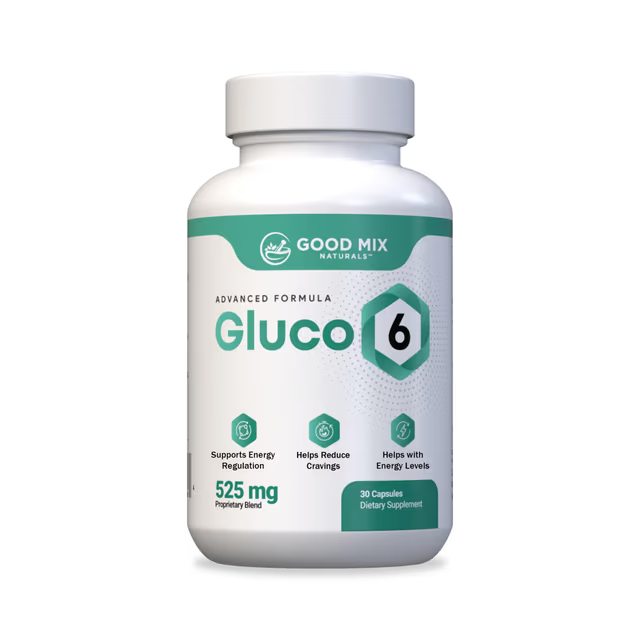
Gluco6
Gluco6 combines tea-derived compounds with traditional botanical extracts to support healthy blood sugar levels already ...
GlucoBerry
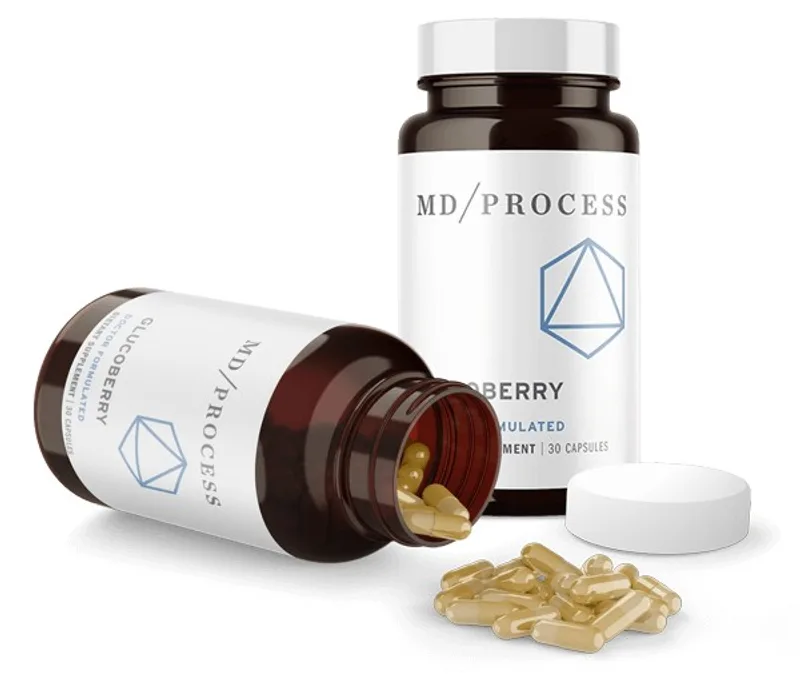
GlucoBerry is a one-capsule-a-day blood sugar supplement from MD/PROCESS, the brand fronted by Dr. Mark Weis, sold throu...
Sugar Defender
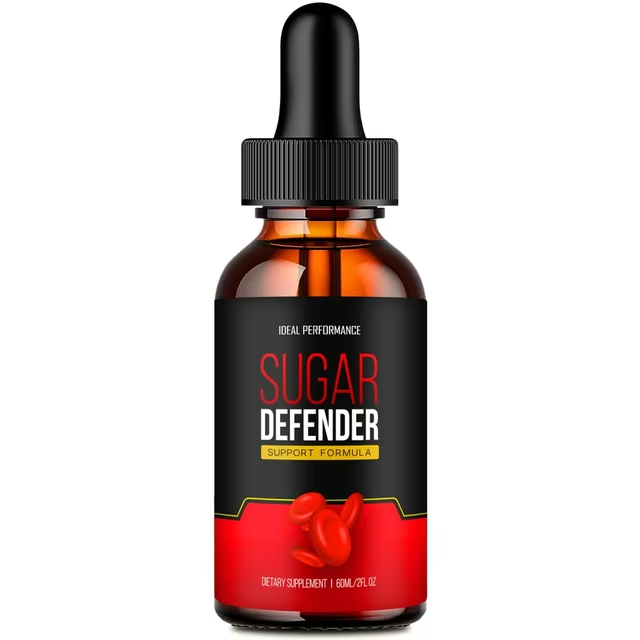
Sugar Defender is a liquid drop formula containing 24 natural ingredients designed to support healthy blood sugar levels...
Why we recommend GlycoFortin: Superior blood sugar targeting, clinically proven ingredients, and better value for money with money-back guarantee.
GlycoFortin vs Competitors
Detailed comparison of GlycoFortin against top blood sugar competitors in the market:
| Feature | GlycoFortin | Gluco6 | GlucoBerry |
|---|---|---|---|
| Price | From $49 | From $39 | From $39 |
| Money-Back Guarantee | 60 days | 60 days | 180 days |
| User Rating | 3.8/5 | 4.2/5 | 3.9/5 |
| Key Benefits | Cravings: The most common report is fewer afternoon sweet cravings by weeks 3-6, described as 'less pull' rather than 'gone', which is consistent with gymnema's traditional sugar-blocking reputation, Energy: Users who had a post-lunch slump report it is milder, which may be the small caffeine content the sales page says is not there as much as any glucose effect | Steadier Energy: Many users say the afternoon slumps and energy dips become less frequent over time, Reduced Cravings: A common report is fewer cravings for sweets and sugary snacks, which helps with healthier eating | Cravings: The most common comment is a quieter sweet tooth within two to four weeks, Post-Meal Comfort: Some describe less of a sleepy slump after carb-heavy lunches |
| Third-Party Testing | ✓ Yes | ✓ Yes | ? Unknown |
Winner: GlycoFortin
GlycoFortin stands out with superior blood sugar support, longer money-back guarantee, and proven ingredients that specifically target blood sugar health.
Metabolic Health & Nutrition Writer
Maria writes about blood sugar management, diabetes prevention, and metabolic health — topics she got into after watching family members struggle with these issues.
FAQ
Where can I buy GlycoFortin?
GlycoFortin is sold only through the vendor's site, where checkout runs through ClickBank. It is not sold in stores, and listings on Amazon, Walmart Marketplace, or eBay are not from the manufacturer and are not covered by the guarantee. Buying direct is the only way to get the 3- and 6-bottle pricing, the two bonus guides, and the 60-day money-back guarantee. The label lists the distributor as GlycoFortin, 11870 62nd St N, Largo, FL 33773, with product support at contact@glycofortin-product.com; order support (receipts, address changes, refunds on the payment side) goes through ClickBank at clkbank.com or 1-800-390-6035. You can reach the vendor's order page through the links on this review.
How much does GlycoFortin cost?
At the time of this review, the vendor's site lists a single bottle (30 mL, a 30-day supply) at $69 with free US shipping. The 3-bottle package is $59 per bottle ($177 total) and the 6-bottle package is $49 per bottle ($294 total), both with free US shipping; the 6-bottle package adds two bonus digital guides. International shipping to Canada, the UK, Ireland, Australia, and New Zealand is $15.95 per order with 10-15 working days transit. The vendor frames the discounts against a $99-per-bottle 'regular' price that, as far as we can tell, has never been charged; the post-purchase upsell pages offer extra bottles at $29 each. Prices can change, so check the vendor's site before ordering.
Is GlycoFortin legit or a scam?
GlycoFortin is a real product with a printed Supplement Facts label, a physical distributor address in Largo, Florida, and checkout through ClickBank, an established retailer with a published refund process and a toll-free order line. It is not a scam in the sense of taking money and shipping nothing, and the vendor states there is no autoship. It does have real problems: the chromium is 0.7 mcg, 2% of the Daily Value; the other 22 ingredients share a 200 mg blend with no individual doses; the sales page says 'No Stimulants' while the label lists guarana and green tea; the ginseng entry names one species and the botanical name of another; the 'supports your pancreas and liver' story is backed by news articles rather than trials; the certifications graphic shows an 'FDA Approved' badge the FDA does not issue for supplements; and the '13,643 reviews' claim cannot be verified anywhere outside the sales page. Treat it as a legitimate but very low-dose supplement sold with an exaggerated pitch, and never as a replacement for diabetes medication.
Is there a GlycoFortin discount or coupon code?
GlycoFortin does not use coupon codes at checkout. The only discounts are the package prices on the vendor's site: $69 for one bottle, $59 per bottle for three, and $49 per bottle for six, with free US shipping on all three and two bonus digital guides on the 6-bottle order. The vendor describes the 6-bottle price as $300 off, which is measured against a $99 'regular' price nobody appears to pay. Sites advertising GlycoFortin coupon codes, a 180-day guarantee, or a '$39 per bottle' price are affiliate pages; the vendor's checkout says $49 at best and the refund policy says 60 days.
Does GlycoFortin have a money-back guarantee?
Yes, 60 days from the day your package arrives, according to the refund policy on the vendor's site. To claim it you email contact@glycofortin-product.com with 'Refund Request' in the subject line, then mail all bottles, empty or unopened, with the packing slip and a note with your name, email, and order ID to 11870 62nd St N, Largo, FL 33773. Return shipping is at your cost. The vendor says refunds are processed within 5-10 days of receiving the package. Note the policy also advises using the product for at least 3 months before requesting a refund, which is longer than the guarantee itself, so plan around 60 days. If the vendor does not respond, ClickBank's own customer service can process the refund on the payment side.
What are the ingredients in GlycoFortin?
The Supplement Facts label (revision 04/24) lists, per 1 mL dropper: chromium (as chromium picolinate) 0.7 mcg, 2% of the Daily Value, and a 200 mg proprietary blend of maca (Lepidium meyenii) root extract, grape (Vitis vinifera) seed extract, guarana (Paullinia cupana) seed extract, African mango (Irvingia gabonensis) seed extract, Siberian ginseng (Eleutherococcus senticosus) root extract, astragalus (Astragalus membranaceus) root extract, green tea (Camellia sinensis) leaf extract, gymnema (Gymnema sylvestre) leaf extract, coleus forskohlii (Plectranthus barbatus) root extract, capsicum annuum fruit extract, grapefruit (Citrus paradisi) fruit extract, 'Panax Ginseng (Panax quinquefolius)' aerial extract, raspberry ketones, L-glutamine, L-tyrosine, L-arginine base, beta-alanine, monoammonium glycyrrhizinate, GABA, L-ornithine HCl, L-tryptophan, and L-carnitine base. Other ingredients are glycerin, water, organic lemon extract, stevia extract 97% Reb A, xylitol, sodium benzoate, potassium sorbate, citric acid, and natural flavors. Per-ingredient amounts inside the blend are not disclosed. The sales page lists the same 23 ingredients in the same order, but its checklist says 'No Stimulants', which the guarana and green tea contradict.
Can I take GlycoFortin with metformin or insulin?
Not without your prescriber's knowledge, and never as a replacement. Gymnema, American ginseng, green tea, chromium, and grape seed all lowered glucose in human trials, and the investigators who ran the American ginseng trials specifically warned about hypoglycemia. Combined with insulin, a sulfonylurea (glipizide, glimepiride, glyburide), or metformin, the effect can be additive, and the result is shakiness, sweating, confusion, or worse between meals. The doses in GlycoFortin are small, which lowers the risk, but the blend amounts are not disclosed, so nobody can say how small. If your prescriber agrees to a trial, check your glucose more often for the first few weeks, take the dropper with breakfast rather than on an empty stomach, and bring your log to your next visit. Your A1c target and any change to your medication come from your prescriber, not from a supplement label.
How long before I notice results?
Expect nothing on the meter in the first two weeks; none of the ingredients works that fast at this dose. In the human trials behind the best-supported ingredients, the green tea meta-analysis pooled trials of several weeks to months, the gymnema trial ran 18-20 months, and the chromium picolinate trial measured A1c at 2 and 4 months, all at doses many times higher than GlycoFortin's. People who report a change usually describe fewer afternoon sugar cravings between weeks 3 and 6, and a minority who log readings see a few points off their fasting average. The vendor itself recommends 3 months of use before judging. That is why the 60-day refund window is tight: decide by day 50 whether it is doing anything, and buy the 3-bottle pack if you want the evaluation and the guarantee to line up.
GlycoFortin vs Gluco6: which is better?
They take different approaches. GlycoFortin is a 1 mL liquid with 0.7 mcg of chromium and a 200 mg proprietary blend of 22 botanicals and amino acids, none with a stated dose, sold with a 60-day guarantee. Gluco6 is a capsule built around gymnema, chromium, cinnamon, alpha-lipoic acid, and bitter melon with each ingredient's amount on the label, also with a 60-day guarantee. Neither replaces medication, and neither delivers ginseng-root or glutamine trial doses, but Gluco6 tells you how much of each ingredient you are getting and its chromium is a meaningful amount rather than a trace. If you strongly prefer a dropper over capsules, GlycoFortin is the liquid option; Sugar Defender is the other liquid in this category. For most people, Gluco6 is our pick; our full Gluco6 review is at /reviews/gluco6 and the side-by-side is at /compare/gluco6-vs-glycofortin.
What if GlycoFortin doesn't work for me?
Use the guarantee, and use it on time. Email contact@glycofortin-product.com with 'Refund Request' in the subject before day 60 from delivery, keep the packing slip, and mail every bottle back to the Largo, Florida address with tracking so you have proof of receipt. Refunds are processed 5-10 days after the package arrives. If you have an order question rather than a product question, ClickBank's customer service at clkbank.com or 1-800-390-6035 handles receipts, order lookups, and refunds on the payment side, and ClickBank has its own buyer-protection process if the vendor does not respond. Whatever the outcome, take your glucose log to your doctor; if your readings are climbing, the fix is a treatment plan, not another bottle.
Get honest health tips & reviews
Join our newsletter for science-backed supplement reviews and wellness advice.
No spam. Unsubscribe anytime.