
Laura Whitfield
Vision Health & Eye Care Writer
The Health News
Credentials
- 9+ years covering vision health and nutrition science
- Member, Association of Health Care Journalists
- Certified Health Content Specialist
About
Laura has spent the better part of a decade writing about eyesight and how it changes with age, a beat she picked up while helping her father navigate a stack of confusing supplement labels after his first retinal exam.
She reads the primary trials rather than the press releases, and her goal is simple: help readers tell the difference between an eye formula built on real nutrition research and one built on a good story.
Areas of Expertise
Articles (3)
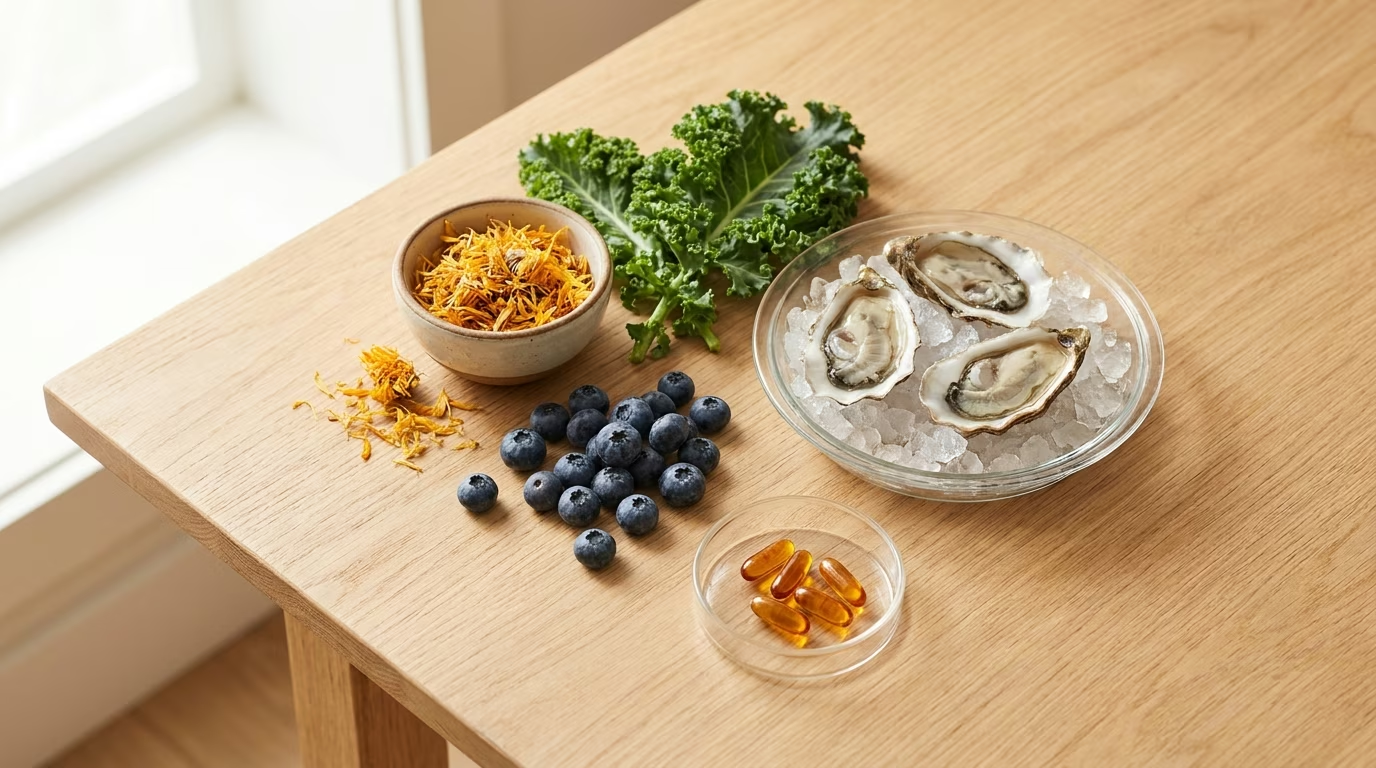
Best Supplements for Eye Health in 2026: What the Research Actually Supports
One nutrient combination in eye health has landmark randomised evidence behind it, and most of what gets sold has nothing to do with it. We go through AREDS2, the four ingredients with their own trials, and how to judge whether a formula is worth your money.

Best Supplements for Eye Strain and Night Vision (2026 Guide)
Screen fatigue and night driving difficulty are different problems with different nutrients and very different timelines. Here is which ingredients have randomised trials behind each, and how long to give them.

Do Eye Vitamins Actually Work? What the Trials Say (2026)
One eye supplement combination has landmark randomised evidence behind it — for one narrow purpose. We go through what AREDS2 found, what Cochrane declined to endorse, and the four-question test to run on any label before you buy.
Product Reviews (3)
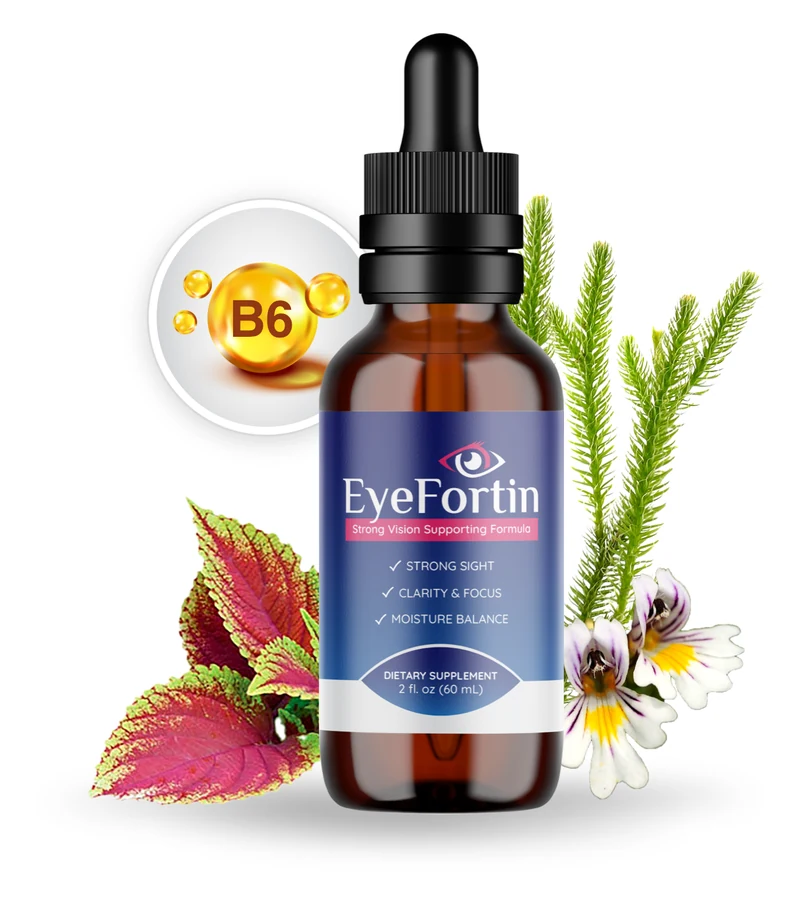
EyeFortin Review: Can a 500 mg Amino-Acid Dropper With No Lutein Justify $69 a Bottle?
EyeFortin is a 2 fl oz liquid dropper sold direct through the vendor's ClickBank checkout at $69 for one bottle, $59 per bottle for three, and $49 per bottle for six, with free US shipping on every package and a 60-day money-back guarantee counted from delivery. The Supplement Facts panel shows 16 mg of niacin, 2.5 mg of vitamin B6, and a 500 mg proprietary blend of L-glutamic acid, L-tyrosine, taurine, alpha-GPC, D-aspartic acid, Coleus forskohlii root extract, eyebright, and Huperzia serrata standardized to 1% huperzine A. We read the vendor's text presentation, the label, the refund and shipping policies, the references page, and the affiliate kit, then checked each ingredient against PubMed. The pitch is that artificial light damages 'glutamate receptors in the brain' and the drops rebuild them. What is actually in the bottle is a low-dose nootropic-style amino-acid blend with two B vitamins, no lutein, no zeaxanthin, and no AREDS2 nutrient of any kind. Two ingredients have human glaucoma data, both at doses EyeFortin cannot match, and the label itself carries the line 'the safety of this product has not been determined'.
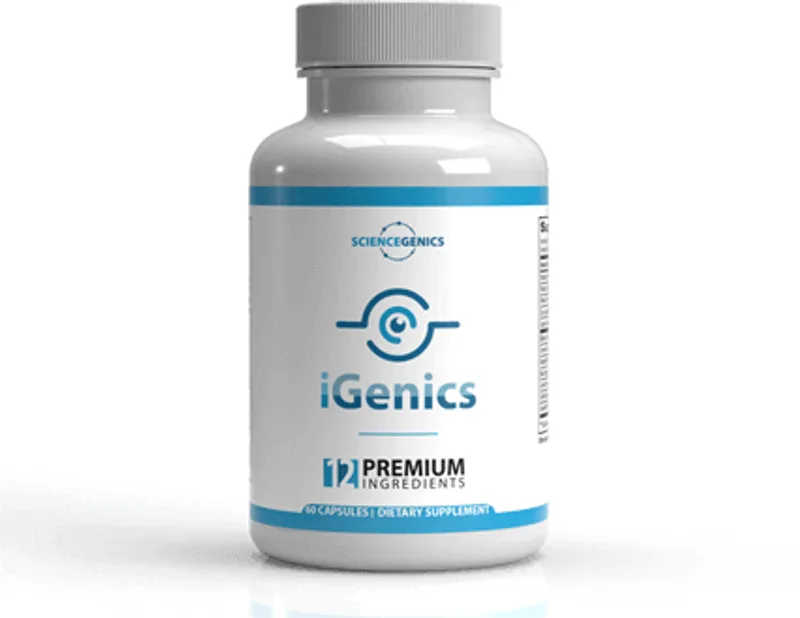
iGenics Review: A Short AREDS2 Label With a Six-Month Return Window
iGenics is a twelve-ingredient vision capsule built around ginkgo biloba and the AREDS2 nutrient core, with bilberry, saffron and turmeric filling out the label. It has been on the market since 2022, which in this category counts as a long track record, and it carries a six-month return window. Its weakness is the same one that dogs the whole shelf: not a single milligram amount is published.
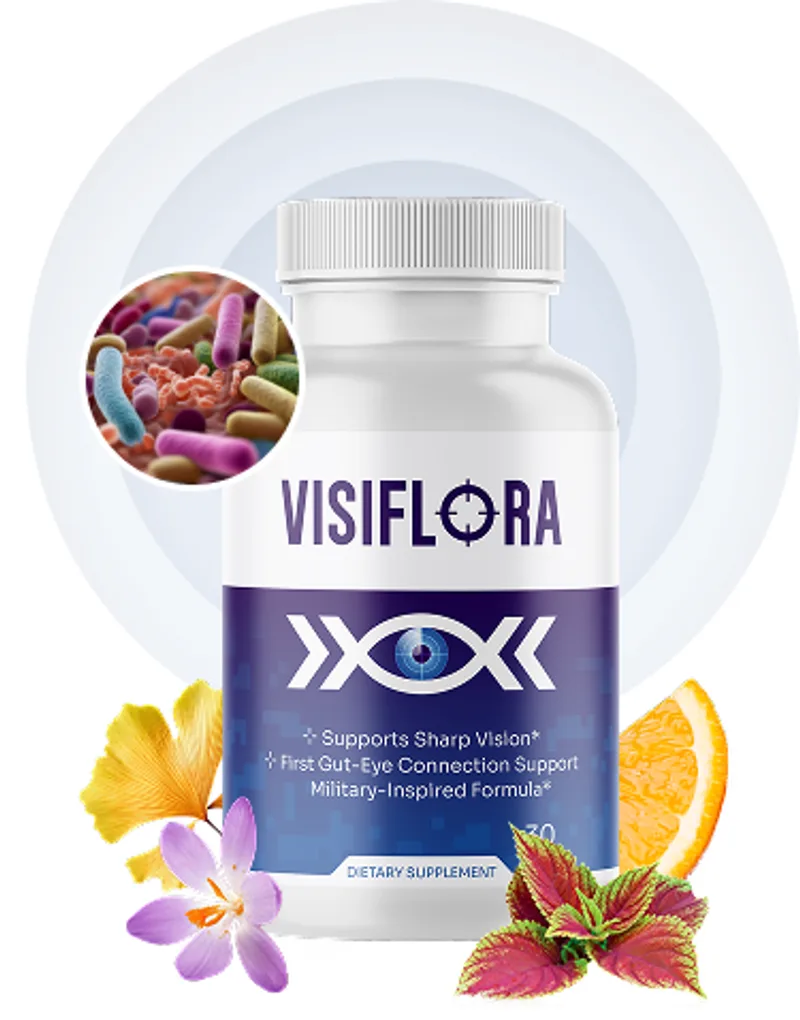
VisiFlora Review: Does the Gut-Eye Angle Hold Up Under the Research?
VisiFlora is a once-daily vision capsule built on an unusual premise: that gut barrier health influences what reaches your retina. Behind the story is a 22-ingredient label that includes every component of the AREDS2 formula plus astaxanthin, bilberry and saffron — three of the better-evidenced eye nutrients outside AREDS2. The open question is whether 22 ingredients fit into one capsule at doses that matter.