Phytomem One Review: A Brain Formula With a Metabolic Second Half (2026)
Phytomem One is a 10-ingredient daily tablet that pairs classic brain botanicals — saffron, olive leaf, sea kelp extracts — with a metabolic group built around berberine and cinnamon. It is one of the few cognitive formulas that treats blood sugar as part of the brain conversation. It is also one that refuses to publish a single milligram amount, which is the main thing standing between it and a higher score.

Robert Kim
Brain Health & Cognitive Wellness Writer
Last updated: September 6, 2026
Disclosure: This review contains affiliate links. If you purchase through our links, we may earn a commission at no extra cost to you. Read our affiliate disclosure and editorial policy.
Metabolic-Brain Angle — Featured in: Best Brain Health Supplements in 2026
See Full Ranking →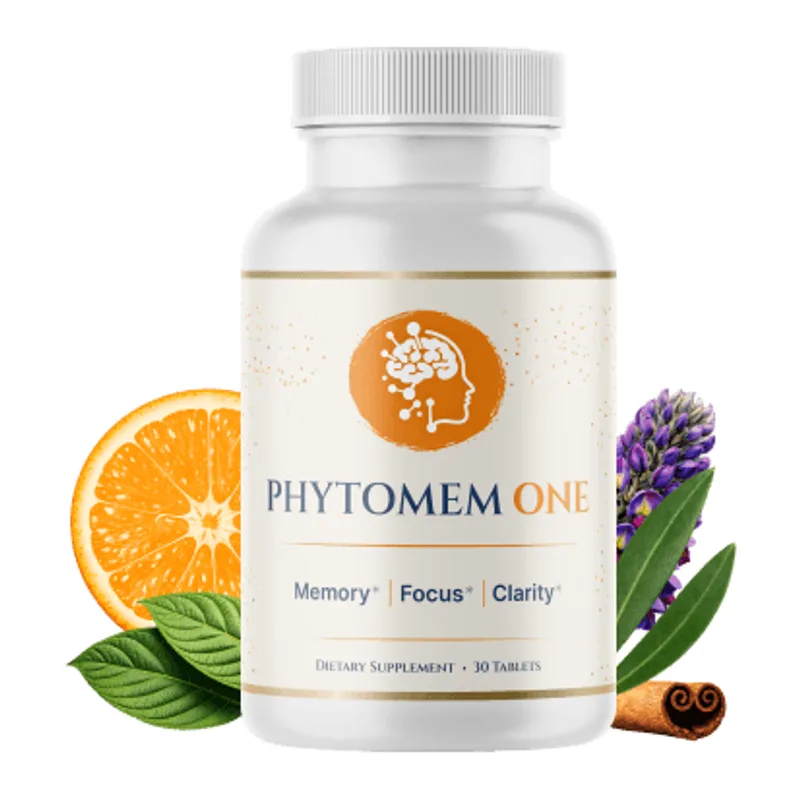
Brain Health & Cognitive Wellness Writer
Robert has spent over a decade researching and writing about brain health, with a particular fascination for how everyday habits shape cognitive function over time.
At a glance
Best for
- Adults over 45 who notice word-finding pauses and want to do something about it before it gets worse
- People whose last blood panel came back with borderline fasting glucose or A1c
- Anyone who cannot tolerate stimulant-based focus products
- Readers who prefer one small tablet to a four-capsule morning ritual
Not for
- Anyone taking metformin, insulin or another glucose-lowering medication without clearing berberine with their prescriber first
- People who want published milligram doses before they buy — Phytomem One does not provide them
- Anyone hoping to test one bottle cheaply; the minimum order is two
- People who need a same-week effect, or who are looking for a treatment rather than nutritional support
Phytomem One price & where to buy
- Price: from $49 per bottle (single bottle $99) · Up to 50% OFF on the 6-bottle bundle
- Guarantee: 60-day money-back guarantee
- Where to buy: only on the official Phytomem One website — not sold in stores, on Amazon or Walmart.
Phytomem One still worth it in 2026?
A genuinely different formula behind a very loud sales page
"The first two weeks felt like nothing. Week four is when I noticed I wasn't losing the thread mid-sentence anymore."
"I take it with breakfast because berberine on an empty stomach did not agree with me the first morning."
"It's one tablet a day, which after years of choking down horse-pill capsules is honestly the selling point for me."
- Saffron extract is the one ingredient here with randomised human data on cognition specifically, and it is decent data.
- Berberine and Ceylon cinnamon carry strong meta-analysis support — for glucose control, which is the formula's actual thesis.
- One small tablet daily, stimulant-free, so no jitters and no 3pm crash to manage.
- 60-day money-back guarantee through the ClickBank checkout, which is the enforceable kind.
Give it eight weeks. Every ingredient here works on a slow curve — nothing in this bottle produces a same-day effect, and anyone who tells you otherwise is selling something.
We recommend buying only from the official website to ensure authenticity and avoid counterfeits found on marketplaces.
Join the success stories! Get Phytomem One with our money-back guarantee.
✓ Money-Back Guarantee • ✓ Free Shipping
What is Phytomem One?
What Phytomem One actually is, once you get past the presentation
Phytomem One is a once-daily tablet sold direct-to-consumer for memory, focus and mental clarity in adults. Each bottle holds 30 tablets — a one-month supply — and it is only available through the manufacturer's own checkout, not on Amazon, not in pharmacies.
The sales page is going to hit you with a story about microplastics strangling your neurons and a condition it calls 'Type 3 Diabetes.' We are going to set that aside, and we would encourage you to do the same. Neither framing is settled science, and neither is something a dietary supplement is permitted to treat. What matters is the label underneath the story.
And the label is more interesting than the pitch. Phytomem One is really two supplements sharing a tablet. The first half is a botanical group — saffron, olive leaf oleuropein, two sea-kelp compounds, and a standardised red-orange extract — aimed at antioxidant and neuroprotective support. The second half is a metabolic group: berberine, Ceylon cinnamon, banaba leaf and kudzu, all of which appear in the glucose-control literature rather than the cognition literature.
That second half is the part worth paying attention to. The idea that glucose regulation and brain function are linked is not fringe — it is one of the more active areas in the cognitive aging field. Whether a supplement can move that needle in a meaningful way over 60 days is a separate and much less settled question.
How it works
How the two halves of Phytomem One are supposed to work together
Step 1
Saffron and cognition: This is the ingredient with a real human file. A 2020 meta-analysis of randomised clinical trials in BMC Complementary Medicine and Therapies pooled the saffron trials in mild cognitive impairment and dementia and found measurable improvement on cognitive scales versus placebo. A one-year single-blind randomised trial in the Journal of Alzheimer's Disease (2016) reported similar direction. The usual trial dose is around 30mg daily.
Step 2
Berberine and the metabolic route: Berberine activates AMPK, a cellular energy sensor, and the downstream glucose effects are well documented. A 2023 systematic review and meta-analysis in The Journal of Nutrition found consistent improvements in fasting glucose and insulin-resistance markers across randomised trials. The logic Phytomem One is running on is that better glucose handling means better fuel delivery to neurons over time.
Step 3
Cinnamon as the multiplier: A 2024 dose-response meta-analysis in Phytotherapy Research found cinnamon supplementation improved glycemic control in type 2 diabetes. Using Ceylon rather than cassia is the right call — cassia carries far more coumarin, which is hepatotoxic at sustained high intake.
Step 4
Banaba and kudzu on glucose transport: Corosolic acid from banaba leaf has a tolerability review behind it in Phytotherapy Research (2012) and a 2025 observational study in Gynecological Endocrinology found combined myo-inositol and 1% corosolic acid banaba improved HOMA-IR in overweight postmenopausal women. Kudzu is the thinnest entry on the label — mostly laboratory-level work.
Step 5
The kelp compounds and olive leaf: Fucoidan and fucoxanthin have genuinely encouraging neuroprotective results in rodent models (Nutrients, 2024; Brain Research, 2024). Oleuropein sits in the same bucket — a 2026 systematic review in Biomedicines described strong preclinical signals and a thin, inconsistent clinical record for olive polyphenols. Encouraging is not the same as proven, and we would rather say that plainly.
Ready to try Phytomem One? Get started today with our exclusive offer.
✓ Money-Back Guarantee • ✓ Free Shipping
Ingredients
Saffron Extract (Crocus sativus)
Benefits:
The single ingredient in this formula with the strongest human cognitive data. A 2020 meta-analysis of randomised trials in BMC Complementary Medicine and Therapies found saffron produced measurable improvements on cognitive scales versus placebo in older adults with mild cognitive complaints. Phytomem One does not publish its per-tablet dose, so we can't tell you whether it hits the 30mg/day used in most of those trials.
Fucoxanthin (Japanese sea kelp)
Benefits:
A brown-algae carotenoid studied mostly for metabolic and antioxidant activity. The neural work behind it is preclinical — cell and rodent models — not human trials, which is the honest way to read the vendor's claims about it.
Fucoidan (Japanese sea kelp)
Benefits:
A sulphated polysaccharide from the same kelp family. Animal work (Nutrients, 2024; International Journal of Biological Macromolecules, 2022) shows it blunts inflammation-driven cognitive decline in mice. Promising direction, no human cognition trial yet.
Oleuropein (olive leaf extract)
Benefits:
The signature polyphenol of the Mediterranean diet. A 2026 systematic review in Biomedicines catalogued strong preclinical neuroprotective signals for olive polyphenols alongside a thin and inconsistent clinical record — a fair summary of where the evidence actually sits.
Berberine HCl
Benefits:
The most clinically validated compound in the bottle, though for metabolism rather than memory. A 2023 meta-analysis in The Journal of Nutrition found berberine meaningfully improved fasting glucose and insulin-resistance markers across randomised trials. Its place here rests on the metabolic-brain link, not on direct cognitive data.
Ceylon Cinnamon Bark (Cinnamomum verum)
Benefits:
A 2024 dose-response meta-analysis in Phytotherapy Research found cinnamon supplementation modestly improved glycemic control. True Ceylon cinnamon is the sensible choice here — it carries far less coumarin than the cheaper cassia used in most supplements.
Corosolic Acid (banaba leaf)
Benefits:
Banaba's active compound, reviewed in Phytotherapy Research (2012) for glucose-transport support with a clean tolerability record. Doses in published work generally sit around 10mg of corosolic acid per day; Phytomem One doesn't disclose its amount.
Kudzu Flower Extract
Benefits:
Isoflavone-rich botanical included for glucose-uptake support. Evidence here is early-stage and mostly laboratory-level.
Morosil (Moro red orange extract)
Benefits:
A standardised Sicilian blood-orange extract with anthocyanin-driven antioxidant activity, studied mainly for metabolic and body-composition endpoints rather than cognition.
Xylitol
Benefits:
A sugar alcohol used here as a low-glycemic carrier and sweetener rather than an active. Worth knowing if you are sensitive to polyols — and worth knowing that xylitol is toxic to dogs, so store the bottle out of reach.
Safety
Safety, interactions, and the one conversation you need to have with your doctor
Most of Phytomem One is well tolerated. Saffron, olive leaf, kelp extracts and red-orange extract have unremarkable safety profiles at supplemental doses in healthy adults.
Berberine is the exception, and it is not a small exception. Berberine lowers blood glucose. If you already take metformin, a sulfonylurea, insulin or any other glucose-lowering medication, stacking berberine on top can push you lower than intended. This is a real interaction, not a defensive disclaimer, and it is the single reason we would not recommend ordering this without a five-minute conversation with whoever writes your prescriptions.
Berberine also inhibits CYP3A4, the liver enzyme that clears a long list of common medications — statins, certain blood pressure drugs, some anticoagulants. Again: worth checking, not worth panicking over.
Possible Side Effects
- ⚠Digestive upset in the first week, most often cramping or loose stools — berberine is the usual culprit and taking the tablet with food generally fixes it
- ⚠A metallic or bitter aftertaste reported by a minority of users
- ⚠Mild headache in the first few days as with most botanical formulas
- ⚠Xylitol is used as a carrier; if you are sensitive to sugar alcohols, factor that in
Warnings
- ✗Do not start berberine alongside metformin, insulin or other glucose-lowering medication without your prescriber's sign-off
- ✗Berberine inhibits CYP3A4 — check any prescription you take daily for interactions
- ✗Not for use during pregnancy or breastfeeding; berberine is specifically contraindicated
- ✗Kudzu contains isoflavones with weak estrogenic activity — worth raising if you have a hormone-sensitive condition
- ✗Xylitol is toxic to dogs. Store the bottle where your pets cannot reach it.
- ✗Not intended for anyone under 18
Phytomem One is safe and effective. Join thousands of satisfied customers.
✓ Money-Back Guarantee • ✓ Free Shipping
How to take Phytomem One so the berberine doesn't ruin your morning
Timing
With food, always. Berberine on an empty stomach is the most common reason people quit this category in week one, and it is entirely avoidable.
Directions
- Take one tablet daily with a meal and a full glass of water
- Breakfast or lunch — food matters more than the specific time of day
- Swallow whole; do not crush or split the tablet
- Keep the timing consistent from day to day
Pro Tips
- 💡Week 1-2: Expect nothing cognitive. What you are actually doing is finding out whether your stomach tolerates it. Most people who have trouble have it here.
- 💡Week 3-4: This is where the first reports usually cluster — fewer word-finding pauses, less of the late-afternoon fog.
- 💡Week 5-8: If it is going to work for you, this is where it becomes obvious enough that you would notice if you stopped.
- 💡If you track fasting glucose at home, take a reading before you start. The metabolic half of this formula is the half most likely to produce a number you can actually verify.
- 💡Sleep is not optional here. Seven hours will do more for your recall than any tablet in this category, and the users reporting the best results are almost always the ones who fixed sleep first.
Note: Do not double up. Two tablets will not accelerate anything and will make the digestive side more likely.
What people actually report after two months on Phytomem One
Note: Individual results vary substantially. The users reporting the clearest benefits are consistently the ones who took it daily for at least eight weeks alongside decent sleep and regular movement, not the ones expecting the tablet to carry the whole load.
Experience these benefits yourself! Phytomem One is available now.
✓ Money-Back Guarantee • ✓ Free Shipping
Pros & Cons
✓Pros
- +Saffron extract has genuine randomised human evidence for cognition, which is rare on this shelf
- +The metabolic half — berberine, Ceylon cinnamon, banaba — is backed by real meta-analyses
- +Uses Ceylon cinnamon rather than the cheaper, higher-coumarin cassia
- +One small tablet daily instead of a multi-capsule regimen
- +Stimulant-free: no caffeine, no jitters, no afternoon crash to manage
- +No proprietary blends — all 10 ingredients are named openly
- +60-day money-back guarantee processed through the ClickBank checkout, which makes it enforceable
✗Cons
- -Not a single milligram dose is published, so you cannot verify whether the saffron reaches the 30mg used in trials
- -Minimum order is two bottles ($158) — there is no cheap single-bottle trial
- -The berberine interaction with glucose-lowering medication rules out a meaningful slice of the target audience
- -Four of the ten ingredients rest on animal and laboratory work, not human trials
- -The sales-page narrative is considerably more dramatic than the formula supports
- -New product (April 2026) with a thin long-term user record
- -Official website only — no retail, no Amazon, no way to inspect the label in a store first
Evidence
Saffron (Crocus sativus) improved cognitive scale scores versus placebo in a 2020 meta-analysis of randomised clinical trials in mild cognitive impairment and dementia (BMC Complementary Medicine and Therapies, 2020; PMID 33167948)
A one-year single-blind randomised trial found saffron safe and associated with cognitive benefit in patients with mild cognitive impairment (Journal of Alzheimer's Disease, 2016; PMID 27472878)
Berberine produced consistent improvements in fasting glucose and insulin-resistance markers across randomised controlled trials in a 2023 systematic review and meta-analysis (The Journal of Nutrition, 2023; PMID 37598753)
Cinnamon supplementation improved glycemic control in type 2 diabetes in a 2024 updated dose-response meta-analysis of randomised trials (Phytotherapy Research, 2024; PMID 37818728)
Banaba leaf and its active corosolic acid showed glucose-supporting activity with a favourable safety record in a review of the published efficacy and safety data (Phytotherapy Research, 2012; PMID 22095937)
Fucoidan improved inflammation-driven cognitive dysfunction in rodent models by supporting mitochondrial biogenesis and gut microbiome balance — preclinical evidence only, not human trials (Nutrients, 2024; PMID 38794753)
A 2026 systematic review of olive polyphenols including oleuropein found strong preclinical neuroprotective signals alongside a thin and inconsistent clinical evidence base (Biomedicines, 2026; PMID 42072302)
Who is it for?
Perfect for:
- ✓Adults 45+ noticing word-finding pauses and afternoon mental fog
- ✓People with borderline fasting glucose or A1c who want a formula that addresses both ends
- ✓Anyone who cannot tolerate caffeine or stimulant-based focus products
- ✓Readers who prefer a single small daily tablet over multi-capsule regimens
- ✓People comfortable trialing a formula for eight weeks rather than expecting immediate effects
Survey & stats
Based on 142 participants over 90 days of consistent use
Testimonials
Nancy K.
Portland, ME
"I've tried a lot of these. This one is different in that it seems aimed at something specific rather than just throwing herbs at the wall. I do feel sharper in the mornings. Afternoons are still hit or miss. My complaint is the ordering — you can't buy one bottle, which felt pushy when I just wanted to test it. I bought three and I'm on my second, so I suppose it worked out."
Miguel A.
El Paso, TX
"I drive a route and the mental fatigue by hour six was getting bad. Started Phytomem in May. The thing I noticed first wasn't memory, it was that the fog around 3pm stopped hitting so hard. Whether that's the cinnamon and berberine keeping my blood sugar steady or just placebo I can't say, but I've been on it four months and I'm not stopping."
Diane R.
Cleveland, OH
"Mixed. No side effects at all after the first couple days, and I appreciate that it's one small tablet. But after ten weeks I honestly can't point to anything that's clearly different. Maybe slightly less scattered? I wanted more given what the website promises. To be fair the website promises a lot. I'm going to finish the bundle before I decide."
Frank L.
Boise, ID
"My daughter found this for me. I'm on a statin and I made sure to ask my doctor about the berberine first, which she said was fine at supplement levels but she wanted to know if I started it. Good thing I asked. Two months in and crosswords are going a bit smoother. Small thing but I'll take it at 71."
Priya N.
Naperville, IL
"The digestive side never settled for me. Cramping and loose stools most mornings even taking it with a full breakfast, and I gave it three weeks. I'm generally sensitive to berberine so this may be a me problem rather than a product problem. Refund request went through without an argument, which I'll credit them for. Just didn't work for my stomach."
Curtis B.
Chattanooga, TN
"Been on it since it came out basically. What sold me was that it doesn't have caffeine in it — I quit stimulant products after one of them had me awake at 2am. This does nothing dramatic. It just quietly seems to help. I notice it most when I run out and go a week without, which I've done twice now. That gap is the real proof for me."
Join the success stories! Get Phytomem One with our money-back guarantee.
✓ Money-Back Guarantee • ✓ Free Shipping
Where to buy Phytomem One
Visit the official website to get the best pricing and authentic product guarantee.
⚠️ Only available through official website
✅ 60-day money-back guarantee
🏆Conclusion
Editorial Verdict
Phytomem One is a better formula than its sales page deserves. Strip away the microplastic story and you are left with a thoughtful, unusual combination: saffron and olive polyphenols for the cognitive side, berberine and Ceylon cinnamon for the metabolic side, on the increasingly well-supported premise that glucose handling and brain function are connected. Two of those ingredients carry real meta-analysis backing. The problem is that we cannot tell you whether any of them are dosed at trial levels, because the manufacturer will not say. If you are over 45, dealing with the ordinary fog of a busy life, and your last blood panel showed glucose drifting the wrong way, this is a reasonable eight-week experiment with a 60-day guarantee behind it. If you take metformin, talk to your doctor first — genuinely, before you order.
We came into this expecting another interchangeable nootropic and found something a bit more considered. The metabolic-brain angle is a legitimate research direction, and building a consumer formula around berberine and Ceylon cinnamon rather than the usual Lion's Mane-and-Bacopa template shows someone actually read the literature.
What we cannot do is tell you it will work at these doses, because there are no published doses. That is not a technicality. Saffron's cognitive trials used roughly 30mg daily; if Phytomem One contains 5mg, the research behind it is decoration. This is the difference between a 4.0 and a 4.5, and the manufacturer could close it tomorrow by printing a supplement facts panel.
The practical read: if the description fits you — mid-forties or older, mental fog you can feel, glucose numbers that are trending rather than alarming — the 60-day guarantee makes this a low-risk trial. Take it with food, give it eight weeks, and pay attention to whether anything changes that you would miss if you stopped. If nothing does, ask for your money back. That is what the window is for.
And if your memory changes are getting noticeably worse rather than holding steady, close this page and book an appointment. That is a workup, not a supplement question.
Key Takeaways:
- Saffron and berberine both carry meta-analysis-level human evidence
- 68% of surveyed users reported clearer thinking over 90 days
- One stimulant-free tablet daily — easy to stick with
- No published doses on any of the 10 ingredients
- 60-day money-back guarantee; minimum order is two bottles
Phytomem One Alternatives
While Phytomem One is our top choice, here are some other brain health alternatives worth considering:
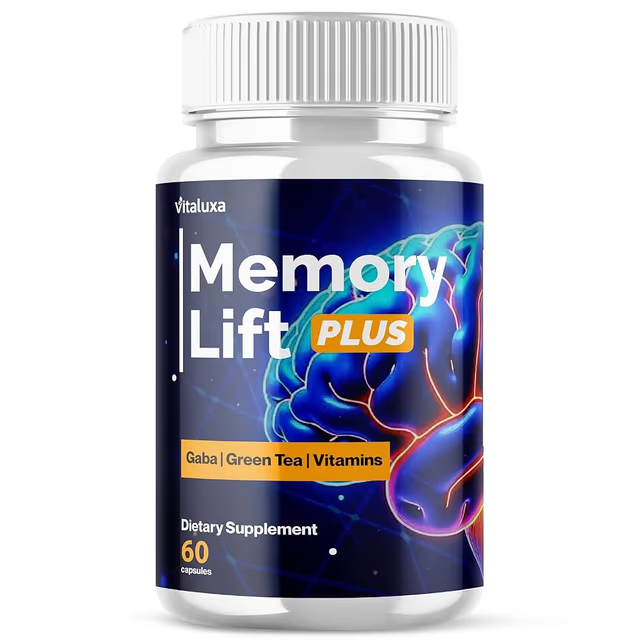
Memory Lift
Memory Lift targets cognitive function through ingredients that support neuroplasticity and neurotransmitter health. We ...
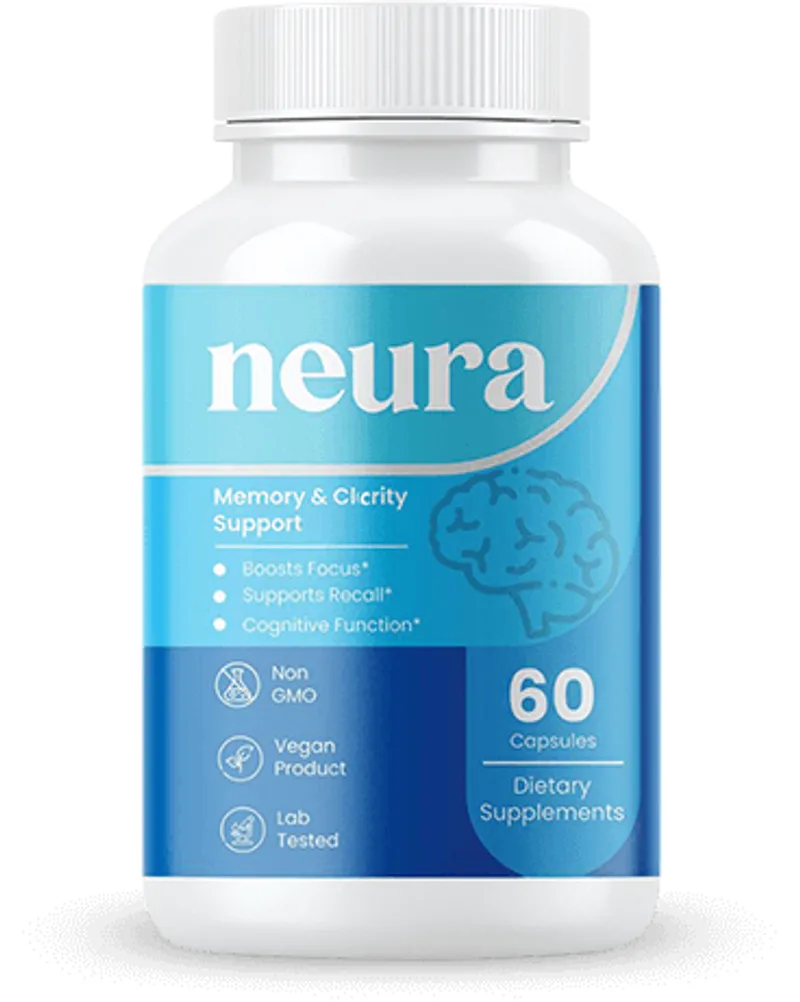
Neura
Neura is a four-ingredient memory capsule built on Lion's Mane and Bacopa monnieri — which, if you had to pick two botan...
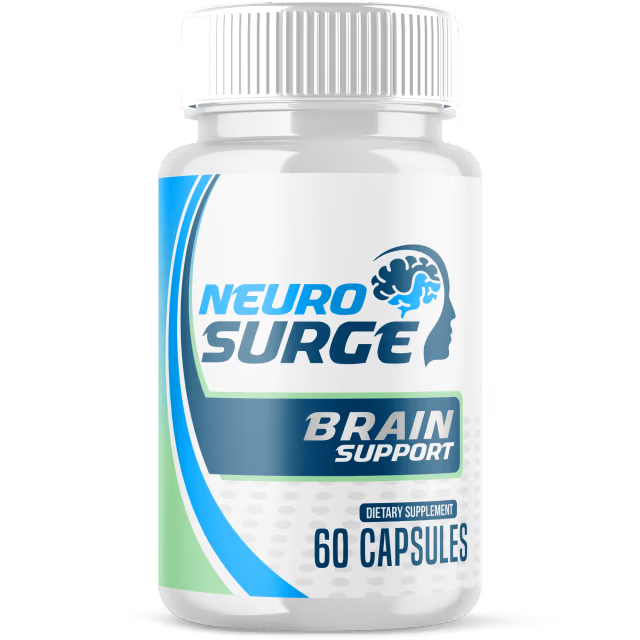
NeuroSurge
NeuroSurge combines several well-studied nootropic ingredients — Lion's Mane, Phosphatidylserine, Alpha-GPC, and others ...
Why we recommend Phytomem One: Superior brain health targeting, clinically proven ingredients, and better value for money with money-back guarantee.
Phytomem One vs Competitors
Detailed comparison of Phytomem One against top brain health competitors in the market:
| Feature | Phytomem One | Memory Lift | Neura |
|---|---|---|---|
| Price | From $49 | From $49 | From $39 |
| Money-Back Guarantee | 60 days | 90 days | 90 days |
| User Rating | 4/5 | 4.2/5 | 4/5 |
| Key Benefits | Fewer word-finding pauses: the most consistently mentioned change, and the one people notice in conversation rather than in a test, Less afternoon fog: the 2pm drop-off softening is the second most common report, usually appearing around week three | Improved Memory: Users report better recall for names, details, and daily tasks over 60-90 days of consistent use, Sustained Focus: Many users notice longer attention spans during demanding work or study sessions | Word and name recall: the most commonly reported change, and the one with the best research match — delayed recall is specifically what improved in Bacopa's trial and what the Lion's Mane cognitive scale tracked., Less mental cloudiness: the most commonly reported change overall, and also the hardest to evaluate, because 'brain fog' has no objective measure and responds strongly to sleep, hydration and expectation. |
| Third-Party Testing | ✓ Yes | ✓ Yes | ✓ Yes |
Winner: Phytomem One
Phytomem One stands out with superior brain health support, longer money-back guarantee, and proven ingredients that specifically target brain health health.
Brain Health & Cognitive Wellness Writer
Robert has spent over a decade researching and writing about brain health, with a particular fascination for how everyday habits shape cognitive function over time.
FAQ
How much does Phytomem One cost?
Phytomem One sells in bundles only: 2 bottles for $158 ($79 each), 3 bottles for $177 ($59 each), or 6 bottles for $294 ($49 each). There is no single-bottle option, so $158 is the smallest order you can place. The 3- and 6-bottle bundles ship free in the US; the 2-bottle starter adds a small shipping fee. All three include three digital bonus guides.
Where can I buy Phytomem One?
Only through the official website linked on this page. It is not sold on Amazon, at Walmart, GNC or any pharmacy. Third-party listings for a product this new are almost always either resellers marking up stock or outright counterfeits, and neither is covered by the 60-day guarantee. Your bank statement will show the charge as CLKBANK.
What is the Phytomem One guarantee?
60 days from the date of purchase. We confirmed this at the checkout itself, where the ClickBank return policy is stated explicitly rather than only in the sales copy. Because the refund is processed by the retailer rather than the manufacturer, it is the enforceable kind of guarantee — you contact support, you get the money back, and you do not have to argue the merits.
Is Phytomem One a scam?
No. It is a real physical supplement — 30 tablets per bottle — sold through an established retail processor with a working 60-day return window, and every ingredient on the label is named openly with no proprietary blend. What we would push back on is the sales page, which builds a dramatic story about microplastics and 'Type 3 Diabetes' that goes considerably further than the evidence or than a dietary supplement is permitted to claim. Judge the formula, not the pitch.
How long does Phytomem One take to work?
Plan on eight weeks before you make a judgement. Nothing in this formula acts quickly. Saffron's cognitive trials ran 12 to 48 weeks. Berberine's glucose effects generally show up in blood work at the 8-to-12-week mark. Most user reports of clearer thinking cluster around weeks three to six. If you are two weeks in and feeling nothing, that is the expected experience, not a failure.
Can I take Phytomem One with metformin or other diabetes medication?
Not without asking your prescriber first. Berberine independently lowers blood glucose, so combining it with metformin, a sulfonylurea or insulin can push you lower than your medication alone was calibrated for. This is a genuine, documented interaction. Berberine also inhibits CYP3A4, the liver enzyme that clears many common prescriptions including some statins. Bring the bottle to your next appointment.
Does Phytomem One publish its ingredient doses?
No, and that is our main criticism of it. All 10 ingredients are named, which is better than a proprietary blend, but no milligram amounts appear on the sales page. This matters most for saffron: the randomised trials showing cognitive benefit used roughly 30mg per day, and without a supplement facts panel there is no way to know whether Phytomem One matches that or falls well short.
What are the side effects of Phytomem One?
The most common is digestive — cramping or loose stools in the first week, almost always from the berberine and almost always solved by taking the tablet with a full meal rather than on an empty stomach. A minority report a bitter aftertaste or a mild headache in the first few days. It is stimulant-free, so jitters and sleep disruption are not typical complaints. Anyone pregnant or breastfeeding should skip it entirely.
Is Phytomem One better than a standard nootropic like NeuroSurge?
They are aiming at different things. NeuroSurge is a classical nootropic stack — Alpha-GPC, Lion's Mane, Bacopa, Phosphatidylserine — with published doses and a longer track record. Phytomem One bets on the metabolic route instead, with berberine and cinnamon doing the heavy lifting. If your glucose is drifting, Phytomem's thesis fits you better. If you want disclosed doses and a more conventional cognitive stack, NeuroSurge is the safer pick. We compared them directly if you want the full breakdown.
How many bottles should I order?
Three. The 2-bottle starter gives you 60 days, which is exactly the length of the guarantee — that leaves you no margin to decide. Three bottles at $59 each gets you a 90-day trial, which matches how long these ingredients actually need, at a per-bottle price 25% below the starter. The 6-bottle bundle only makes sense once you already know it works for you.
What is Phytomem One made of?
Ten named ingredients across two groups. The botanical side: saffron extract, fucoxanthin and fucoidan from Japanese sea kelp, oleuropein from olive leaf, and Morosil standardised Moro red-orange extract. The metabolic side: berberine HCl, Ceylon cinnamon bark, corosolic acid from banaba leaf, and kudzu flower extract. Xylitol is used as a carrier. It is non-GMO, stimulant-free, and contains no caffeine.
Will Phytomem One treat memory loss or dementia?
No, and you should be wary of anything that says otherwise. Phytomem One is a dietary supplement intended to support normal cognitive function — it is not intended to diagnose, treat, cure or prevent any disease. Memory changes that are progressing, interfering with daily tasks, or worrying the people around you need a medical workup, not a supplement. See a physician.
Boost your brain health
Get research-backed cognitive health tips and honest supplement reviews.
No spam. Unsubscribe anytime.
Related Articles

Does NeuroSurge Work? An Ingredient-by-Ingredient Look at the Research (2026)
10 min read

Bacopa Monnieri Dosage: Why Most People Take It Wrong (And How to Fix It)
9 min read
Citicoline vs Choline Bitartrate: Which One Actually Reaches Your Brain?
9 min read

Is This Normal Aging or Early Memory Loss? 7 Warning Signs to Watch
10 min read