Head-to-Head Comparison · 2026
NeuroSurge vs Phytomem One (2026): Two Different Theories of Brain Fog
NeuroSurge and Phytomem One are not competing formulas so much as competing hypotheses. One builds a classical nootropic stack with published doses; the other bets that your brain's problem is a fuel problem. We checked both against the trials.
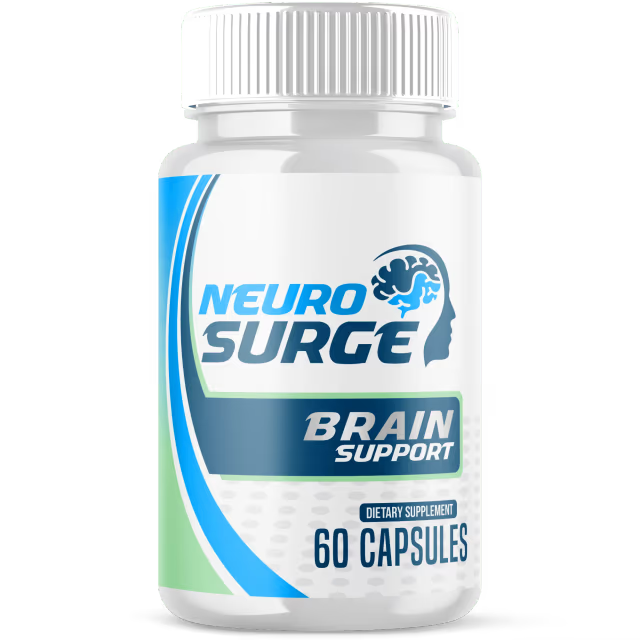
NeuroSurge
4.2/5
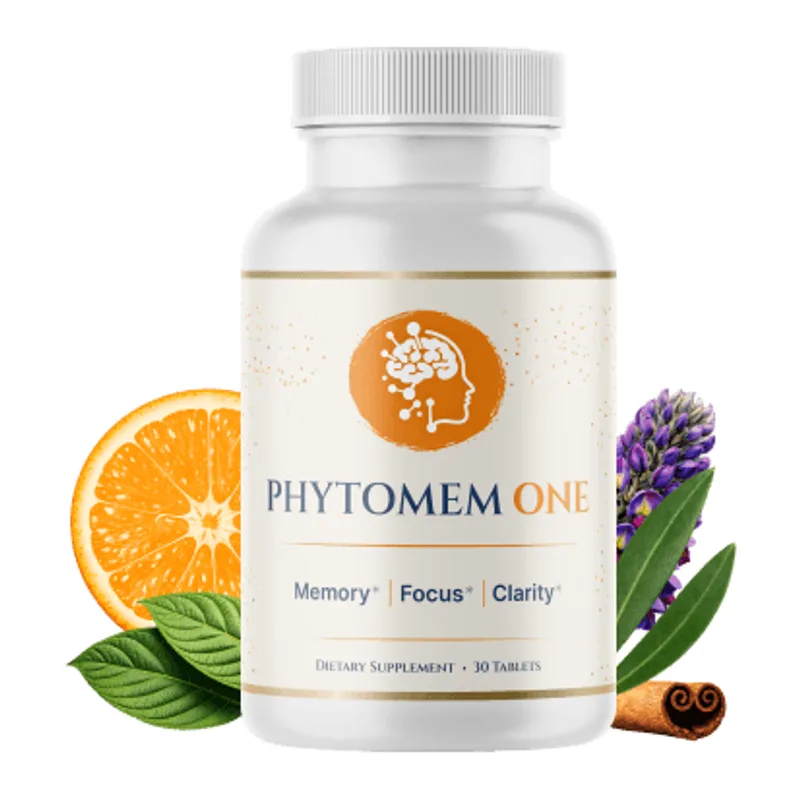
Phytomem One
4/5
In 60 seconds
NeuroSurge is a conventional nootropic stack — Alpha-GPC, Lion's Mane, Phosphatidylserine, Bacopa, Huperzine A — built to support neurotransmitters and neuroplasticity directly, with milligram amounts published on the label. Phytomem One takes an entirely different route: half its formula is botanical antioxidant support (saffron, olive leaf, sea kelp) and the other half is metabolic (berberine, Ceylon cinnamon, banaba, kudzu), on the premise that glucose handling is upstream of cognition. Neither approach is wrong. They are answering different questions.
NeuroSurge approach
Alpha-GPC 300mg, Phosphatidylserine 100mg, Bacopa Monnieri 300mg at 50% bacosides, Lion's Mane 250mg, Huperzine A 200mcg, Ginkgo 120mg, N-Acetyl L-Carnitine, DHA and B vitamins. Doses published. Directly cholinergic and neuroplastic.
Phytomem One approach
Saffron extract, fucoxanthin, fucoidan, oleuropein, Morosil red orange, berberine HCl, Ceylon cinnamon, corosolic acid from banaba, kudzu flower, xylitol. Ten ingredients, named openly, no doses published. Antioxidant and metabolic rather than cholinergic.
The 60-Second Honest Take
If you want the short version: NeuroSurge is the safer buy and Phytomem One is the more interesting one. NeuroSurge does what a brain supplement is supposed to do. It contains the compounds with the longest research histories in cognitive nutrition — Alpha-GPC for acetylcholine, Phosphatidylserine for membrane health, Bacopa Monnieri for memory consolidation, Lion's Mane for nerve growth factor — and, unusually for this category, it publishes how much of each you are getting. Alpha-GPC at 300mg. Bacopa at 300mg standardised to 50% bacosides. Those are real clinical amounts, not label decoration. Phytomem One does not publish a single milligram. What it does instead is ask a different question. Roughly half of its formula has nothing to do with neurotransmitters at all — berberine, Ceylon cinnamon, banaba leaf and kudzu are glucose-handling ingredients, and the argument is that a brain with poor fuel delivery will feel foggy no matter how much choline you throw at it. That argument has real research behind it. It just is not the argument most people in the aisle think they are buying.
What NeuroSurge Actually Gets Right
Dose transparency is rarer than it should be, and NeuroSurge has it. That single fact does more work than any ingredient on the label, because it lets you check the formula against the literature instead of trusting a sales page. Alpha-GPC at 300mg is a real choline dose. Bacopa at 300mg standardised to 50% bacosides matches the material used in the memory trials rather than a cheaper unstandardised extract. Phosphatidylserine at 100mg is in the range studied for cognitive support. Huperzine A at 200mcg is a sensible amount of a compound that is easy to overdo. The underlying research is also more mature. Bacopa has been studied for memory consolidation across multiple randomised trials. Phosphatidylserine has a long file in cognitive aging. Ginkgo has decades of work on cerebral blood flow. None of these are miracle compounds, and the effect sizes are modest, but they are measured effect sizes in humans. The stimulant-free formulation is also the right call for the demographic. Nobody over 50 needs a caffeine crash at 3pm on top of the fog they were already trying to fix.
The Gap Phytomem One Is Aiming At
Here is the thing conventional nootropics do not address: if the problem is that your neurons are not getting fuel efficiently, supporting acetylcholine production does not fix it. The link between glucose regulation and cognitive function is one of the more active areas in the aging literature. Insulin signalling in the brain, glucose transport across the blood-brain barrier, the metabolic profile of people who go on to develop cognitive problems — this is not a fringe theory that a supplement company invented for a sales page. And the metabolic ingredients Phytomem One uses are the well-evidenced ones. Berberine has a 2023 systematic review and meta-analysis in The Journal of Nutrition behind it, finding consistent improvements in fasting glucose and insulin-resistance markers across randomised trials. Cinnamon has a 2024 dose-response meta-analysis in Phytotherapy Research. Corosolic acid from banaba leaf has a tolerability and efficacy review in Phytotherapy Research from 2012. On the cognitive side, saffron is the strongest entry: a 2020 meta-analysis of randomised clinical trials in BMC Complementary Medicine and Therapies found measurable improvement on cognitive scales versus placebo in mild cognitive impairment. So the thesis is defensible and the ingredient selection is thoughtful. The problem is what comes next.
The Dose Question, Which Only Goes One Way
Saffron's cognitive trials used roughly 30mg per day. Berberine's glucose meta-analyses generally pooled studies using 500mg to 1500mg daily, usually split across doses. Corosolic acid work sits around 10mg. Phytomem One is one small tablet, once a day, containing ten ingredients. Do the arithmetic and you will see the difficulty. Even a generous tablet cannot hold 1000mg of berberine plus 30mg of saffron plus meaningful amounts of eight other compounds. Something is being spread thin, and without a supplement facts panel there is no way to know what. This is not a hypothetical objection. It is the difference between a formula that might work and one that definitely cannot, and it is entirely within the manufacturer's power to resolve. NeuroSurge does not have this problem. You can look at 300mg of Alpha-GPC, compare it to the literature, and form your own view. That is what dose disclosure buys you, and it is why NeuroSurge wins a comparison that its ingredient list alone would not decide.
The Berberine Conversation Nobody Mentions
There is a practical consideration that materially narrows who should buy Phytomem One, and the sales page does not raise it. Berberine lowers blood glucose. That is the point of it. But it means anyone already taking metformin, a sulfonylurea or insulin is stacking two glucose-lowering agents, and the combined effect can go further than intended. Berberine also inhibits CYP3A4, the liver enzyme responsible for clearing a long list of common prescriptions including several statins. This is a genuine, documented interaction rather than a defensive footnote. It does not make Phytomem One dangerous — it makes it a product you should mention to your prescriber before you start, which is a five-minute conversation rather than a reason to avoid it. NeuroSurge has its own caution in the ginkgo, which interacts with anticoagulant and antiplatelet medication. Both products need a doctor's ear if you take daily prescriptions. Phytomem One's interaction is simply more likely to be relevant, because the people most drawn to a metabolic brain formula are disproportionately the people already on metformin.
Format, Price and the Practical Stuff
NeuroSurge is two capsules a day and sells single bottles at $79. Phytomem One is one small tablet a day but has no single-bottle option at all — the smallest order is two bottles at $158. That matters more than it sounds. The 2-bottle starter covers exactly 60 days, which is exactly the length of the guarantee, leaving you no margin to decide. Anyone buying Phytomem One should skip the starter and take the 3-bottle bundle at $59 each, which gets a 90-day trial at a lower per-bottle price than the entry pack. On tablet size, Phytomem One wins clearly. NeuroSurge's capsules are large enough that several users mention struggling with them, and adherence is the quiet variable that decides whether either product does anything at all. A small tablet you take every morning beats a large capsule you skip twice a week. Both carry 60-day money-back guarantees processed through the same retail channel, which makes them the enforceable kind.
Who Should Buy Which
Buy NeuroSurge if you want a conventional cognitive stack and you want to know the amounts. If your complaint is focus during long work sessions, recall in conversation, or the general sense that your mind is not as sharp as it was, this is the formula with the more mature research behind it and the transparency to let you verify it. Buy Phytomem One if your picture has a metabolic component. Fasting glucose creeping up. An A1c your doctor described as 'something to watch.' Afternoon fog that tracks suspiciously well with what you ate at lunch. The metabolic half of this formula is genuinely well evidenced, and no conventional nootropic addresses that pathway at all. And if you are on metformin or another glucose-lowering medication, the answer is NeuroSurge unless your prescriber tells you otherwise. One more possibility worth naming: these two are not mutually exclusive. Nothing in either formula conflicts with the other. Whether stacking them is worth roughly $110 a month is a different question, and we would want dose disclosure from Phytomem One before recommending it.
The Verdict, Without the Drama
NeuroSurge takes this comparison, and the deciding factor is not really the ingredients — it is that you can check them. A published label lets you compare 300mg of Alpha-GPC against the literature and reach your own conclusion. An unpublished label asks you to take the manufacturer's word for it, and in a category with this much marketing, that is a lot to ask. But we would rather not leave you with the impression that Phytomem One is the lesser product. It is the more original one. The metabolic-brain thesis is a legitimate research direction, the ingredients chosen to serve it are the well-evidenced ones, and it does something no other formula on the brain shelf attempts. If it published a supplement facts panel tomorrow and the numbers were respectable, this comparison would look very different. For now: NeuroSurge if you want certainty, Phytomem One if your problem is a fuel problem and you are willing to accept some uncertainty about the amounts. Both come with 60 days to change your mind, and both need eight weeks before you can fairly judge them.
Quick Verdict
Choose NeuroSurge if you want:
- ✓Working professionals who need sustained focus during long days
- ✓Adults 35+ noticing occasional forgetfulness or mental fatigue
- ✓Students looking for a non-stimulant study aid
May not be ideal for:
People under 18 without healthcare provider supervision
Choose Phytomem One if you want:
- ✓Adults over 45 who notice word-finding pauses and want to do something about it before it gets worse
- ✓People whose last blood panel came back with borderline fasting glucose or A1c
- ✓Anyone who cannot tolerate stimulant-based focus products
May not be ideal for:
Anyone taking metformin, insulin or another glucose-lowering medication without clearing berberine with their prescriber first
Side-by-Side Comparison
| Feature | NeuroSurge | Phytomem One |
|---|---|---|
| Our Rating | 4.2/5 | 4/5 |
| Starting Price | $49 | $49 |
| Guarantee | 60-day money-back | 60-day money-back |
| Key Ingredients | 10 active ingredients | 10 active ingredients |
| Best For | Working professionals who need sustained focus during long days | Adults over 45 who notice word-finding pauses and want to do something about it before it gets worse |
Pros & Cons
NeuroSurge
Pros
- ✓Combines several well-researched nootropic ingredients in one formula
- ✓Includes Lion's Mane, Phosphatidylserine, and Alpha-GPC — compounds with real published research
- ✓Stimulant-free — no caffeine jitters, no energy crashes
- ✓Benefits tend to build over time rather than wearing off
- ✓60-day money-back guarantee lets you try it with low risk
Cons
- ✗Only available through the official website — not sold in stores
- ✗Takes 2-4 weeks before most people notice clear improvements
- ✗Priced higher than basic single-ingredient nootropics
- ✗Capsules are on the larger side — some people find them hard to swallow
Phytomem One
Pros
- ✓Saffron extract has genuine randomised human evidence for cognition, which is rare on this shelf
- ✓The metabolic half — berberine, Ceylon cinnamon, banaba — is backed by real meta-analyses
- ✓Uses Ceylon cinnamon rather than the cheaper, higher-coumarin cassia
- ✓One small tablet daily instead of a multi-capsule regimen
- ✓Stimulant-free: no caffeine, no jitters, no afternoon crash to manage
Cons
- ✗Not a single milligram dose is published, so you cannot verify whether the saffron reaches the 30mg used in trials
- ✗Minimum order is two bottles ($158) — there is no cheap single-bottle trial
- ✗The berberine interaction with glucose-lowering medication rules out a meaningful slice of the target audience
- ✗Four of the ten ingredients rest on animal and laboratory work, not human trials
Pricing Comparison
NeuroSurge
Phytomem One
Frequently Asked Questions
Which is better, NeuroSurge or Phytomem One?
Both NeuroSurge (rated 4.2/5) and Phytomem One (rated 4/5) are solid brain health supplements. NeuroSurge is best for Working professionals who need sustained focus during long days, while Phytomem One excels at Adults over 45 who notice word-finding pauses and want to do something about it before it gets worse. The best choice depends on your specific goals and preferences.
What is the price difference between NeuroSurge and Phytomem One?
NeuroSurge starts at $49 per bottle while Phytomem One starts at $49 per bottle. Both offer multi-bottle discounts that reduce the per-unit cost. NeuroSurge comes with a 60-day money-back guarantee and Phytomem One offers a 60-day money-back guarantee.
Which has better ingredients, NeuroSurge or Phytomem One?
NeuroSurge features 10 key ingredients while Phytomem One contains 10 active compounds. Both formulas are manufactured in FDA-registered, GMP-certified facilities. The ingredient profiles target brain health from different angles, so the better formula depends on which specific benefits matter most to you.
Can I take NeuroSurge and Phytomem One together?
We recommend choosing one supplement at a time so you can accurately assess its effects. Taking both simultaneously makes it difficult to determine which product is contributing to your results. If one doesn't meet your needs, you can switch to the other. Always consult your healthcare provider before combining supplements.
Final Verdict
NeuroSurge wins on transparency rather than on ingredients. Its stack — Alpha-GPC 300mg, Bacopa 300mg at 50% bacosides, Phosphatidylserine 100mg, Lion's Mane, Huperzine A — is conventional, well researched and, crucially, published, which lets you check it against the trials instead of trusting a sales page. Phytomem One is the more original product: it bets that cognitive fog has a metabolic component and builds half its formula from berberine, Ceylon cinnamon and banaba, all of which carry real meta-analysis support for glucose control. That thesis deserves more respect than the category usually gets. It loses this comparison because ten undisclosed ingredients in one small daily tablet leave no way to verify that anything reaches a working amount. Choose NeuroSurge for a conventional stack with known doses; choose Phytomem One if your fasting glucose is drifting and you want to attack the problem from that end — after clearing the berberine with your prescriber.