NeuroPrime Review: Nine Botanicals, One Drop a Day, and the Arithmetic Nobody Shows You (2026)
NeuroPrime is a liquid memory formula you take one drop of, once a day. It names nine botanicals, three of them — Bacopa monnieri, Lion's Mane and pine bark extract — among the better-evidenced ingredients on the cognitive shelf. The format is the easiest thing to live with in this category: nothing to swallow, no stimulant, no timing to get right. What NeuroPrime will not give you is a single number. There is no supplement facts panel, no bottle volume, no milligram amount for anything — and one item on the vendor's own reference list we had to check twice.

Robert Kim
Brain Health & Cognitive Wellness Writer
Last updated: November 5, 2026
Disclosure: This review contains affiliate links. If you purchase through our links, we may earn a commission at no extra cost to you. Read our affiliate disclosure and editorial policy.
Easiest Format — Featured in: Best Brain Health Supplements in 2026
See Full Ranking →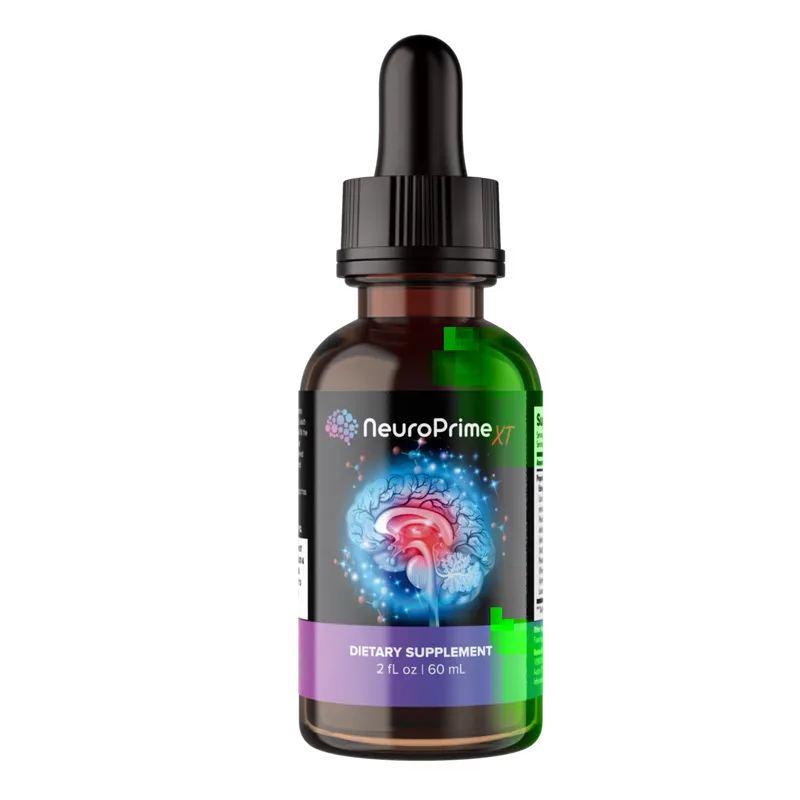
Brain Health & Cognitive Wellness Writer
Robert has spent over a decade researching and writing about brain health, with a particular fascination for how everyday habits shape cognitive function over time.
At a glance
Best for
- Adults 45+ who have abandoned capsule supplements because they kept forgetting them
- People who want a plant-based, stimulant-free daily habit rather than a stack to manage
- Anyone who finds pills genuinely difficult to swallow — this is the easiest format here
- Buyers happy to start with one bottle and judge it on their own ten-week experience
Not for
- Anyone who will not buy a supplement without a published supplement facts panel
- People who want clinical-trial doses, which a single drop cannot physically deliver
- Anyone on thyroid medication, sedatives, blood thinners or anticholinergic drugs who has not cleared it with a prescriber
- Anyone being evaluated for a diagnosed cognitive condition; your doctor should be steering
NeuroPrime price & where to buy
- Price: from $39 per bottle (single bottle $59) · Down to $39 a bottle on the six-bottle order
- Guarantee: 365-day money-back guarantee
- Where to buy: only on the official NeuroPrime website — not sold in stores, on Amazon or Walmart.
NeuroPrime still worth it in 2026?
The simplest format in brain health, and the least information on the shelf
"A drop in my coffee and I'm done. I've quit three capsule products because I kept forgetting them, so for me the format is the whole point."
"Six weeks before I'd say anything changed, and what changed was small — names coming back a beat faster. Not a transformation."
"I wanted to see the milligrams before I bought six bottles. They're not printed anywhere, so I bought one."
- Bacopa monnieri, Lion's Mane and pine bark extract all have randomised, placebo-controlled trials in adults over 60 — more than most of this shelf can say.
- One drop a day, neat or in coffee, tea or juice. Adherence is the biggest reason supplements fail, and this removes almost every excuse.
- Stimulant-free and plant-based per the label, with nothing that will touch your sleep.
- All nine ingredients are named, with no proprietary blend wrapper — but no amount is published for any of them.
Buy the single bottle first. A one-drop serving cannot carry the trial doses behind its headline ingredients, so treat this as a low-dose daily botanical, not a clinical-strength stack.
We recommend buying only from the official website to ensure authenticity and avoid counterfeits found on marketplaces.
Join the success stories! Get NeuroPrime with our money-back guarantee.
✓ Money-Back Guarantee • ✓ Free Shipping
What is NeuroPrime?
A nine-botanical liquid sold on one idea: make it impossible to forget
NeuroPrime is a daily liquid marketed as memory function support for adults whose recall has slowed down. It arrives as a dropper bottle sold as a one-month supply, and the instruction is one drop each morning, neat or stirred into whatever you already drink. The sales page is unusually short for this category — no 90-minute video, no doctor in a lab coat, no countdown timer. It names nine plants, puts six badges under them, lists three prices and stops.
That restraint is refreshing, and the format behind it is the product's strongest real argument. Supplements almost never fail on pharmacology; they fail as a bottle at the back of a cupboard with forty capsules still in it. A drop in your morning coffee attaches itself to a habit you already have. The ingredient list is better chosen than the category average too: Bacopa monnieri, Lion's Mane and pine bark extract are three of perhaps five botanicals in consumer cognition with randomised trials in older adults, and ginkgo biloba is a fourth with a complicated record covered below.
Then there is the gap. NeuroPrime publishes no supplement facts panel — not a milligram, not even the bottle volume. We checked the homepage, the FAQ, the shipping page and the affiliate materials. There is nothing, and it matters more here than in a capsule product, because a drop is a small vehicle. We run that arithmetic below rather than leaving it as an insinuation.
How it works
What each mechanism is supposed to do, and which ones survive scrutiny
Step 1
Bacopa and acetylcholine: bacosides are studied for cholinergic activity and for modulating acetylcholinesterase. Acetylcholine is the neurotransmitter most tied to memory consolidation, which is why Bacopa's wins in trials appear on delayed recall rather than reaction time. The most plausible mechanism in the bottle.
Step 2
Lion's Mane and nerve growth factor: hericenones and erinacines are studied for their effect on nerve growth factor expression. The read-out is slow — trial scores climbed from week 8 through week 16, then fell again a month after people stopped. A rebuilding ingredient, not a stimulant.
Step 3
Pine bark and blood flow: proanthocyanidins are studied for endothelial function and nitric-oxide-mediated vasodilation, plus direct antioxidant activity. In the Pycnogenol trial the working-memory gain came with a measurable fall in an oxidative stress marker — a cleaner mechanism-to-outcome link than most botanicals manage.
Step 4
Ginkgo and circulation: ginkgo's flavone glycosides and terpene lactones do affect platelet aggregation and microcirculation, but the largest trial ever run on it found no effect on cognitive decline, so treat it as circulatory support. Moringa, spirulina and chlorella sit alongside it as a carotenoid and polyphenol base — defensible, but not the part doing memory work.
Step 5
Timing, which most buyers get wrong: nothing here acts acutely. Bacopa's benefit was measured at 12 weeks, Lion's Mane's separated at week 8, pine bark's appeared in months two to three. Judging this at day 21 means judging it before anything has read out.
Ready to try NeuroPrime? Get started today with our exclusive offer.
✓ Money-Back Guarantee • ✓ Free Shipping
Ingredients
Bacopa monnieri — amount not disclosed
Benefits:
The best-studied botanical on this list and the one most likely to be doing useful work. Calabrese and colleagues randomised 54 adults aged 65 and over, with no clinical signs of dementia, to 300 mg a day of a standardised dried extract or placebo for 12 weeks after a six-week placebo run-in; the Bacopa group showed enhanced delayed word recall on the Rey Auditory Verbal Learning Test relative to placebo (Journal of Alternative and Complementary Medicine, 2008; PMID 18611150). The counterweight is recent and important: Lopresti and Smith randomised 101 adults aged 40 to 70 with self-reported memory and attention complaints to the same 300 mg daily dose for 12 weeks and found no greater improvement than placebo, with digestive complaints and headaches more frequent on Bacopa (Clinical Drug Investigation, 2025; PMID 41091332). NeuroPrime does not publish how much Bacopa a drop contains.
Lion's Mane mushroom (Hericium erinaceus) — amount not disclosed
Benefits:
The ingredient that sells this category, and the one where the format matters most. Mori and colleagues gave 30 Japanese adults aged 50 to 80 with mild cognitive impairment four 250 mg tablets of 96% dried Yamabushitake powder three times daily — 3 grams a day — or placebo for 16 weeks; the supplemented group scored significantly higher on a Hasegawa-based cognitive scale at weeks 8, 12 and 16, and the scores fell again four weeks after they stopped (Phytotherapy Research, 2009; PMID 18844328). Three grams of mushroom powder is not deliverable in a single drop of liquid, and we would rather say that plainly than imply otherwise.
Pine bark extract — amount not disclosed
Benefits:
A proanthocyanidin-rich extract with the most interesting trial on this list. Ryan and colleagues gave 101 adults aged 60 to 85 either 150 mg a day of Pycnogenol — a specific branded, standardised French maritime pine bark extract — or placebo for three months in a matched-pair, double-blind design, and measured improved working memory alongside lower F2-isoprostane levels, a marker of oxidative stress (Journal of Psychopharmacology, 2008; PMID 18701642). The distinction that matters: NeuroPrime's label says 'Pine Bark Extract', not Pycnogenol, and standardisation is what the trial tested. Treat the two as related rather than interchangeable.
Ginkgo biloba — amount not disclosed
Benefits:
The most-tested botanical in cognitive health, and the one where the largest trial came back negative. The Ginkgo Evaluation of Memory study randomised 3,069 older adults to 120 mg of standardised ginkgo extract twice daily or placebo and found no difference in the annual rate of cognitive decline in any domain (Snitz and colleagues, JAMA, 2009; PMID 20040554). That is a far larger and better-powered study than anything supporting ginkgo, and it is the reason we treat ginkgo as a circulatory-support inclusion rather than a memory ingredient.
Tamarind (Tamarindus indica) — amount not disclosed
Benefits:
Worth reading carefully, because NeuroPrime's own reference list points here. The only PubMed-indexed citation the vendor publishes is Elmaidomy and colleagues on the anti-cognitive-decline potential of Tamarindus indica (RSC Advances, 2022; PMID 35481086) — a rodent study supported by in vitro and in silico work. The Royal Society of Chemistry issued an expression of concern over duplicated panels in two figures in January 2024 and fully retracted the paper in January 2025, stating that the findings are no longer reliable. We checked this twice because it is unusual. Tamarind is a food with a real polyphenol profile; it has no reliable human cognitive evidence behind it.
Moringa (Moringa oleifera) — amount not disclosed
Benefits:
A genuinely nutrient-dense leaf — vitamin A and C, calcium, iron, and a polyphenol load including quercetin and chlorogenic acid. Its antioxidant chemistry is well characterised. What it does not have is a randomised human trial measuring memory or recall outcomes, so we file it as general nutritional support rather than a cognitive active.
Spirulina (Arthrospira platensis) — amount not disclosed
Benefits:
A blue-green algae used as a whole-food protein and micronutrient source, carrying phycocyanin and beta-carotene. Reasonable as a nutritional base in a liquid formula. We found no randomised human trial testing spirulina against a memory or recall endpoint, and we are not going to borrow an animal result and present it as one.
Chlorella — amount not disclosed
Benefits:
A freshwater algae, usually included for its chlorophyll, carotenoid and B-vitamin content and marketed on a general detoxification rationale. It is a food-grade ingredient with a long safety record in Japan. Its human cognitive evidence is absent rather than weak, and buyers should price it as filler-with-nutrients rather than as a reason to choose this formula.
Neem (Azadirachta indica) — amount not disclosed
Benefits:
The one inclusion we would ask the formulator about. Neem has a long traditional-medicine history and well-studied antimicrobial and anti-inflammatory chemistry, but no human cognitive trial and a safety literature that warrants respect: neem oil in particular is not appropriate for children or in pregnancy, and extracts have documented effects on fertility in animal work. The vendor gives no part, extract type or amount, which makes the inclusion impossible to assess.
Safety
Safety profile: mostly food-grade ingredients, two worth a conversation
Most of what is in NeuroPrime is food. Moringa, spirulina, chlorella and tamarind are eaten across large parts of the world with long safety records at dietary intakes, and Lion's Mane is an edible mushroom that came through a 16-week trial with no adverse-effect signal in laboratory testing. A liquid taken one drop at a time is almost certainly a very low total daily intake of everything on the list — the flip side of the dosing problem, and the reason we expect most people to tolerate it without incident.
Two ingredients deserve a closer look. Bacopa has documented, predictable side effects: across trials, gastrointestinal complaints turn up more often on Bacopa than placebo, and the 2025 trial added headaches. They arrive in the first fortnight and are uncomfortable rather than dangerous. Neem is the one we would actually ask about — long traditional use and well-studied antimicrobial chemistry, but also the most cautionary safety literature here, since neem oil is inappropriate for children and in pregnancy and neem extracts have documented reproductive effects in animal work. NeuroPrime states no plant part, extract type or amount, which makes it the one inclusion you cannot assess from the label. Start with a single bottle, take it with food, and treat any reaction in the first two weeks as information rather than a verdict.
Possible Side Effects
- ⚠Mild digestive upset, looser stools or cramping in the first one to two weeks — the documented Bacopa pattern, likely mild at this dose
- ⚠Headache, reported more often than placebo in the 2025 Bacopa trial
- ⚠Mild nausea if taken on an empty stomach, which food largely solves
- ⚠An earthy, grassy taste if you take the drop neat rather than in a drink
Warnings
- ✗Bacopa has documented potential interactions with thyroid medication, sedatives and anticholinergic drugs — clear it with your prescriber first
- ✗Ginkgo biloba can affect platelet aggregation; if you take warfarin, aspirin, clopidogrel or another blood thinner, have that conversation before you start
- ✗Not for anyone under 18, pregnant or nursing — neem in particular is a reason to take that seriously
- ✗People with mushroom allergies should avoid it: Lion's Mane is a mushroom
- ✗Spirulina and chlorella are not appropriate for people with phenylketonuria or autoimmune conditions without medical advice
- ✗Memory changes that are sudden, rapidly worsening or interfering with daily life are a reason to see a doctor, not to order a supplement
NeuroPrime is safe and effective. Join thousands of satisfied customers.
✓ Money-Back Guarantee • ✓ Free Shipping
How to take NeuroPrime without wasting the first month
Timing
Morning with breakfast is the easiest habit to hold and the one the vendor recommends. There is no stimulant in the formula, so an evening dose will not affect sleep if that suits you better.
Directions
- Shake the bottle well before each use — the vendor specifies this, and in a multi-botanical liquid it is not a throwaway instruction
- Take one drop per day, preferably in the morning, as printed on the bottle
- Take it neat or add it to coffee, tea, juice or any drink you already have every morning
- Take it with food if your stomach is sensitive; the Bacopa side-effect pattern is digestive
- Keep it next to the kettle, not in a cupboard — the advantage of this format is adherence, and you only get it if the bottle is visible
Pro Tips
- 💡Weeks 1-2: expect nothing cognitive. This is when digestive side effects show up if they are going to. Take it with food and keep going.
- 💡Weeks 3-5: still mostly nothing on memory. Some people report steadier attention; treat that as encouraging rather than conclusive.
- 💡Weeks 6-8: where Lion's Mane's trial curve started separating from placebo. Watch word-finding and name recall, because that is what improved in the research.
- 💡Weeks 9-12: Bacopa's and pine bark's trials both read out here. If NeuroPrime is going to do anything for you, this is where you will know.
- 💡Write down three lapses that frustrate you now — a name you keep losing, the thread of a conversation, the second half of a shopping list. Vague impressions of 'clarity' cannot be evaluated honestly; specific lapses can be counted.
- 💡Do not stack it with a separate Bacopa, Lion's Mane or ginkgo product. You cannot dose-manage what you cannot measure, and ginkgo plus a blood thinner is a real interaction.
Note: The guarantee runs 365 days, so the refund window is not the constraint — your patience is. Give it ten weeks, and put that decision in your calendar.
What people report, and how confident we are in each
Note: The ceiling matters. A one-drop serving is a low-dose format, and none of the trials behind these ingredients used low doses. Expect a modest change you notice in specific situations, not a step-change in how your memory works.
Experience these benefits yourself! NeuroPrime is available now.
✓ Money-Back Guarantee • ✓ Free Shipping
Pros & Cons
✓Pros
- +The easiest format in the category — one drop in a drink you already make, nothing to swallow, no timing to manage
- +Bacopa monnieri, Lion's Mane and pine bark extract all have randomised, placebo-controlled trials in adults over 60
- +All nine ingredients are named, with no proprietary blend wrapper
- +Stimulant-free and plant-based per the label; nothing that touches sleep
- +Mostly food-grade botanicals at a low total daily intake, which makes a comfortable tolerance profile likely
- +Free shipping from three bottles up, and $39 a bottle on the six-bottle order is competitive for this shelf
- +365-day refund window processed through ClickBank, which is the part of this category that reliably works
- +A short, calm sales page with no 90-minute video and no fake countdown clock — rarer here than it should be
✗Cons
- -No supplement facts panel anywhere — no amount for any of the nine ingredients, and no bottle volume either. The single biggest mark against it
- -A one-drop serving cannot carry the trial doses: Lion's Mane's trial used 3 grams a day, Bacopa's 300 mg, Pycnogenol's 150 mg. This is a low-dose botanical, not a clinical-strength formula
- -Four of the five references on the vendor's page are about melatonin, which is not an ingredient; one carries a DOI prefix that does not resolve to a real registrant
- -The fifth reference — the tamarind paper — was retracted by the Royal Society of Chemistry in January 2025 after an expression of concern about duplicated figure panels
- -Six of the nine ingredients have no randomised human trial against a memory endpoint, and neem is an odd daily inclusion with no plant part, extract type or amount stated
- -The '19,651 reviews' figure on the sales page is vendor-stated and we could not verify it independently
- -A 365-day guarantee reads as generous and usually signals a refund-heavy funnel rather than a confident one; we would rather see a tighter window and a published label
- -Almost no verifiable independent review history to check our read against, and the single bottle adds a shipping charge on top of the highest per-bottle price
Evidence
Bacopa monnieri is the ingredient most likely doing useful work here, and its evidence cuts both ways. Calabrese and colleagues randomised 54 adults aged 65 and over to 300 mg a day of a standardised whole-plant extract or placebo for 12 weeks; the Bacopa group showed enhanced delayed word recall on the Rey Auditory Verbal Learning Test relative to placebo (Journal of Alternative and Complementary Medicine, 2008; PMID 18611150). A systematic review of randomised trials found Bacopa improved 9 of 17 tests of memory free recall, with little evidence of enhancement in any other domain (Pase and colleagues, 2012; PMID 22747190). The most recent and best-powered trial is negative: Lopresti and Smith randomised 101 adults aged 40 to 70 with self-reported memory complaints to the same 300 mg dose for 12 weeks and found no greater improvement than placebo, with digestive complaints and headaches significantly more frequent on Bacopa (Clinical Drug Investigation, 2025; PMID 41091332). The honest summary: the positive signal is real but narrow — older adults, delayed recall — and it did not replicate in a younger, larger sample.
Lion's Mane carries the most quoted trial in this category, and the dose is the detail that matters. Mori and colleagues ran a double-blind, placebo-controlled trial in 30 Japanese adults aged 50 to 80 with mild cognitive impairment, in two groups of 15 (Phytotherapy Research, 2009; PMID 18844328). The supplemented group took four 250 mg tablets of 96% Yamabushitake dry powder three times daily — 3 grams a day — for 16 weeks, and scored significantly higher on a Hasegawa-based cognitive scale at weeks 8, 12 and 16. Four weeks after stopping, scores fell significantly, suggesting the effect depends on continued intake. Laboratory testing showed no adverse effects. Two caveats: the sample was 30 people, and the study ran out of a mushroom company's laboratory.
Pine bark has the cleanest mechanism-to-outcome link in this formula; ginkgo has the category's largest negative trial. Ryan and colleagues ran a double-blind, placebo-controlled, matched-pair trial in 101 adults aged 60 to 85, giving 150 mg a day of Pycnogenol — a branded, standardised French maritime pine bark extract — or placebo for three months, and measured improved working memory alongside reduced F2-isoprostane levels, a validated oxidative stress marker (Journal of Psychopharmacology, 2008; PMID 18701642). The asterisk: NeuroPrime's label says 'Pine Bark Extract', not Pycnogenol, and standardisation is exactly what the trial tested. Ginkgo runs the other way — the Ginkgo Evaluation of Memory study randomised 3,069 older adults to 120 mg of standardised extract twice daily or placebo, found no difference in annual rates of cognitive decline in any domain, and concluded there was no evidence ginkgo slows decline in older adults (Snitz and colleagues, JAMA, 2009; PMID 20040554).
The vendor's own reference list is where we spent the most time. NeuroPrime publishes five 'scientific references'. Four concern melatonin and sleep — two Harvard Health blog posts and two entries attributed to Kyoto University and the University of Pittsburgh, one carrying a DOI prefix that does not resolve to a real registrant — and melatonin is not an ingredient in NeuroPrime. The fifth is a genuine indexed paper: Elmaidomy and colleagues on the anti-cognitive-decline potential of Tamarindus indica, a rodent study supported by in vitro and in silico work (RSC Advances, 2022; PMID 35481086). The Royal Society of Chemistry issued an expression of concern over duplicated panels in Figures 2 and 4 in January 2024, then retracted the paper in full in January 2025, stating the findings are no longer reliable. We checked twice. As for moringa, spirulina, chlorella and neem — all four have well-characterised phytochemistry and laboratory or animal literature behind them, but we could find no randomised human trial on any of them against a memory endpoint, so a nine-ingredient label should not be read as nine cognitive actives.
Who is it for?
Perfect for:
- ✓Adults 45+ who have abandoned capsule supplements because they forgot to take them
- ✓People who find pills difficult or unpleasant to swallow
- ✓Anyone who wants a plant-based, stimulant-free daily routine rather than a multi-bottle stack
- ✓Readers who will give a supplement a full ten to twelve weeks before judging it
Survey & stats
Based on 34 participants over 90 days of consistent use
Testimonials
Stan W.
Burlington, VT
"Retired engineer, so forgive me for doing the arithmetic. A drop is not much volume and nine ingredients is a lot of ingredients, and the company will not publish a panel, so I went in expecting very little. What I got was mild and real — afternoons are less foggy, and I am reading in the evening again instead of giving up by eight. I would rate it higher if they printed the label. The format itself I cannot fault."
Yolanda B.
Macon, GA
"First ten days my stomach was unsettled, and taking it with breakfast instead of before fixed it completely. Three months in and word-finding is better. What I would tell someone considering it is buy one bottle, not six. I bought six because the price was better and spent the first month convinced I had wasted $234. I had not — but I did not need to put myself through that."
Curtis A.
Pueblo, CO
"Mixed, and I will try to be fair. Eleven weeks. The format is excellent and I never once forgot it, which is more than I can say for the capsules I tried before. But if I am honest, my memory is about where it was — slightly better focus in the mornings, maybe. No side effects whatsoever. It just was not the change I was after. Asked for the refund and got it without an argument."
Marianne T.
Saginaw, MI
"Did not work for me, and I want to say why rather than just complain. I went the full three bottles. No side effects, no improvement I could point to, and what bothered me most was never finding out what I was actually taking. I asked support for a supplement facts panel twice and got a friendly non-answer both times. The refund went through fine. Two stars for my own result, not for how I was treated."
Join the success stories! Get NeuroPrime with our money-back guarantee.
✓ Money-Back Guarantee • ✓ Free Shipping
Where to buy NeuroPrime
Visit the official website to get the best pricing and authentic product guarantee.
⚠️ Only available through official website
✅ 365-day money-back guarantee
🏆Conclusion
Editorial Verdict
NeuroPrime is the most frictionless product in this category and the least verifiable, and which matters more depends on who you are. The format is a genuine advantage that reviews like ours habitually undervalue: a drop in your morning coffee gets taken every day, and the supplement graveyard is full of excellent capsules nobody finished. The shortlist is good too — Bacopa monnieri, Lion's Mane and pine bark extract are three of the few botanicals here with placebo-controlled trials in older adults. What that same literature says is that those trials used 300 mg, 3 grams and 150 mg a day, and a single drop is not a 300 mg vehicle. So: this is a low-dose daily botanical with a strong adherence story, not a clinical-strength nootropic, and the undisclosed label means we recommend it on the strength of what is in the bottle while unable to tell you how much. If that trade sounds acceptable — and for someone who has failed at capsules three times, it reasonably might — buy one bottle at $59, take it every morning for ten weeks, and judge it on evidence you collected yourself. If you want to check milligrams against trials first, NeuroSurge at the top of this list prints every one of them.
There is a version of this review that dismisses NeuroPrime on the dose arithmetic and moves on, and we thought about writing it. We decided against it, because compliance is the most underrated variable in supplementation. A formula at 40% of its trial dose that you take 300 days a year is not obviously worse than one at 100% that you take for 60 days and then abandon in a drawer — and anyone who has watched a family member try three memory products knows which failure mode is more common.
Where it loses marks is the paperwork, and it loses them fairly. A nine-ingredient formula with no published amounts asks for more trust than a four-ingredient one, not less, and a reference list where four of five entries concern an ingredient the product does not contain — the fifth retracted for duplicated figure panels — undermines the one thing a reference list exists to establish. None of that makes the bottle unsafe or the botanicals worthless. It does mean the burden of proof sits with your own ten-week trial rather than with the sales page.
That is why this sits at 3.9 and eighth in our brain health ranking: NeuroVera offers Lion's Mane and Bacopa in capsules at $29 a bottle, and NeuroSurge at the top publishes every milligram of ten actives with a 60-day window — the length we prefer, because a tight guarantee from a seller with a published label tells you more than a year-long one from a seller without. Who should still buy NeuroPrime? Someone who has genuinely failed at capsules and knows it, wants a plant-based stimulant-free habit rather than a stack, and is realistic that the likely result is modest. Start with the single bottle at $59, write down the three lapses that annoy you most, take the drop every morning for ten weeks, then look at your list again.
Key Takeaways:
- One drop a day, neat or in any drink — the highest-adherence format in brain health
- Bacopa monnieri at 300 mg a day improved delayed word recall at 12 weeks in adults 65+ (PMID 18611150); a 2025 trial at the same dose found no benefit (PMID 41091332)
- No supplement facts panel and no bottle volume published — the formula's central weakness
- The only PubMed-indexed citation on the vendor's own reference list was retracted in January 2025
- $59 for one bottle, $49 a bottle for three, $39 a bottle for six; free shipping from three bottles up
NeuroPrime Alternatives
While NeuroPrime is our top choice, here are some other brain health alternatives worth considering:
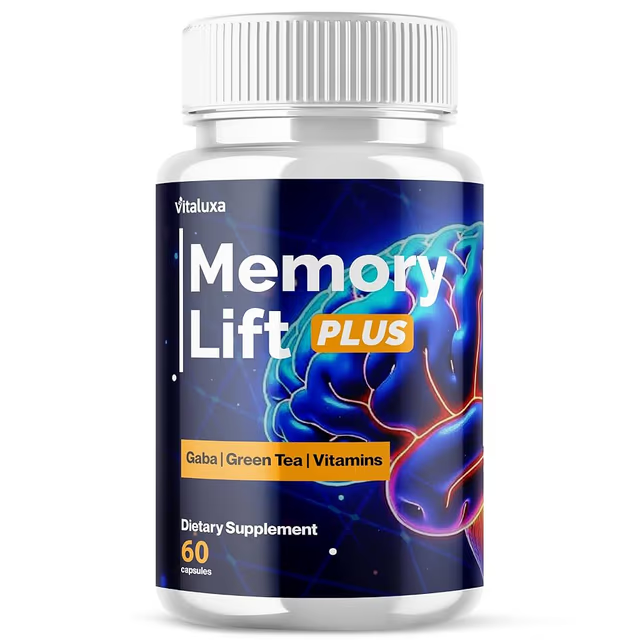
Memory Lift
Memory Lift targets cognitive function through ingredients that support neuroplasticity and neurotransmitter health. We ...
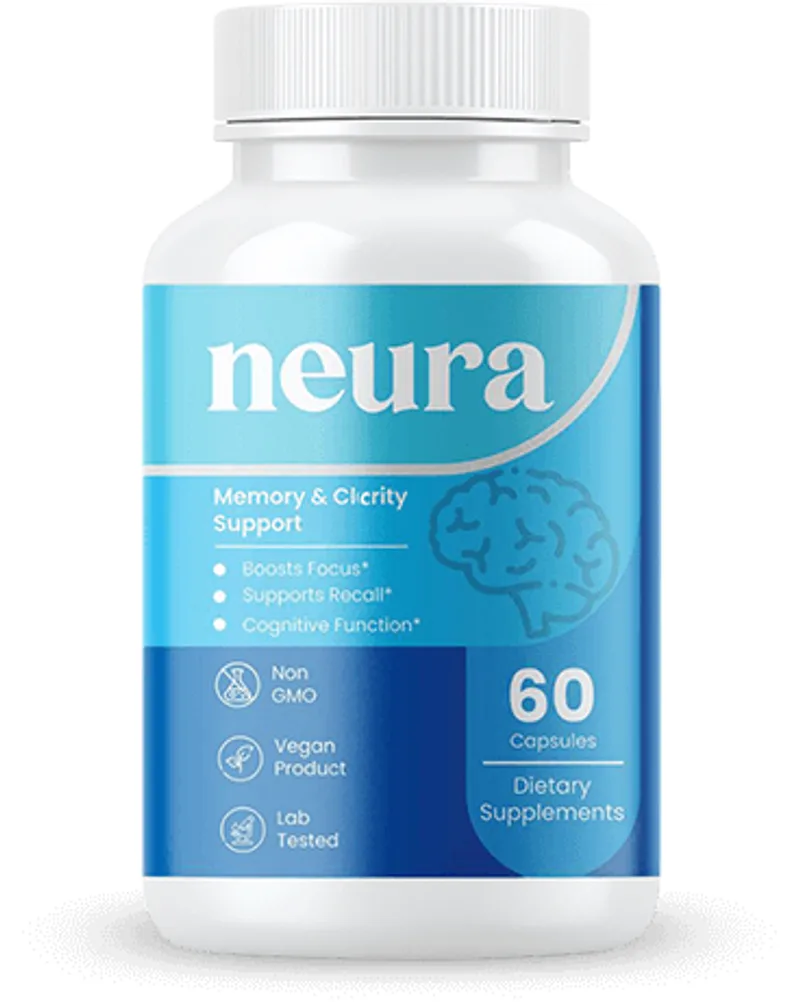
Neura
Neura is a four-ingredient memory capsule built on Lion's Mane and Bacopa monnieri — which, if you had to pick two botan...
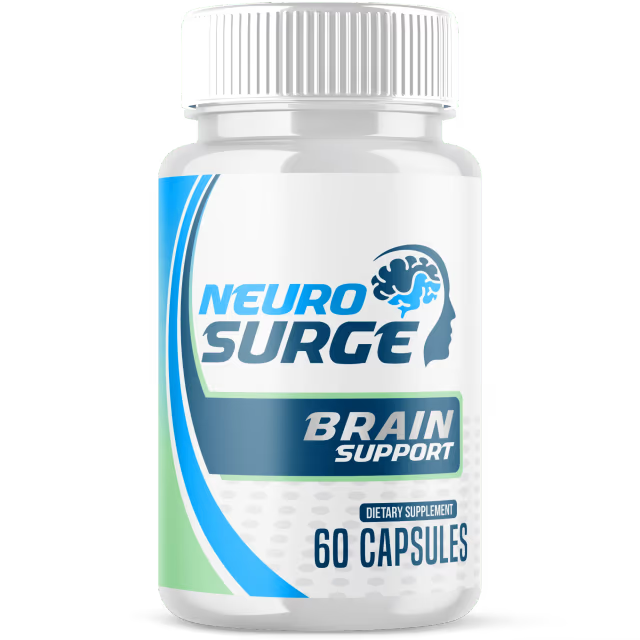
NeuroSurge
NeuroSurge combines several well-studied nootropic ingredients — Lion's Mane, Phosphatidylserine, Alpha-GPC, and others ...
Why we recommend NeuroPrime: Superior brain health targeting, clinically proven ingredients, and better value for money with money-back guarantee.
NeuroPrime vs Competitors
Detailed comparison of NeuroPrime against top brain health competitors in the market:
| Feature | NeuroPrime | Memory Lift | Neura |
|---|---|---|---|
| Price | From $39 | From $49 | From $39 |
| Money-Back Guarantee | 365 days | 90 days | 90 days |
| User Rating | 3.9/5 | 4.2/5 | 4/5 |
| Key Benefits | Adherence, which sounds boring and is actually the main one: a drop in your morning drink gets taken. Our reader reports put daily compliance higher here than for any capsule product we track, and a supplement you take beats a better supplement you forget., Word and name recall: the most commonly reported change, and the one with the best research match — delayed recall is what improved in the Bacopa trial and what the Lion's Mane cognitive scale tracked. | Improved Memory: Users report better recall for names, details, and daily tasks over 60-90 days of consistent use, Sustained Focus: Many users notice longer attention spans during demanding work or study sessions | Word and name recall: the most commonly reported change, and the one with the best research match — delayed recall is specifically what improved in Bacopa's trial and what the Lion's Mane cognitive scale tracked., Less mental cloudiness: the most commonly reported change overall, and also the hardest to evaluate, because 'brain fog' has no objective measure and responds strongly to sleep, hydration and expectation. |
| Third-Party Testing | ✓ Yes | ✓ Yes | ✓ Yes |
Winner: NeuroPrime
NeuroPrime stands out with superior brain health support, longer money-back guarantee, and proven ingredients that specifically target brain health health.
Brain Health & Cognitive Wellness Writer
Robert has spent over a decade researching and writing about brain health, with a particular fascination for how everyday habits shape cognitive function over time.
FAQ
Where can I buy NeuroPrime?
Only through the official NeuroPrime checkout, linked from this page, with ClickBank as the retailer of record. It is not stocked on Amazon, Walmart, GNC or in pharmacies. Buying through a third-party listing puts you outside the refund policy with no way to verify what is in the bottle.
How much does NeuroPrime cost?
One bottle at $59, three bottles at $147 ($49 each), six bottles at $234 ($39 each). Shipping is free from three bottles up; the single bottle adds a shipping charge, and international orders pay a fee. Each bottle is a one-month supply at one drop per day, though the bottle volume is not published.
What is actually in NeuroPrime?
Nine named botanicals: moringa, pine bark extract, ginkgo biloba, tamarind, Lion's Mane mushroom, chlorella, Bacopa monnieri, spirulina and neem. No proprietary blend wrapper hides the names — but there is no supplement facts panel either, so no amount is published and the bottle volume is not stated. That is the main reason this review sits at 3.9 rather than higher.
Does NeuroPrime actually work?
Three of its nine ingredients have randomised, placebo-controlled trials in adults over 60: Bacopa at 300 mg a day improved delayed word recall over 12 weeks, Lion's Mane at 3 grams a day improved cognitive scale scores over 16 weeks, and Pycnogenol-standardised pine bark at 150 mg a day improved working memory over three months. Whether NeuroPrime reproduces any of that depends on amounts it does not publish — and a single drop is a small vehicle for doses measured in hundreds of milligrams and grams. Expect a modest effect rather than a trial-grade one, which is why we recommend one bottle for ten weeks before a bundle.
Is NeuroPrime legit?
Yes, in the sense that matters first: a real physical supplement, shipped from a real fulfilment operation, sold through ClickBank with a working refund route. Orders run through ClickBank rather than the seller, which is why refunds here usually process without a fight. Where it falls short is transparency — no published supplement facts panel, a vendor-stated review count of 19,651 we could not verify independently, and a reference list whose only indexed paper was retracted in January 2025.
How long before I notice anything?
Longer than you want. Lion's Mane's trial scores only separated from placebo at week 8, Bacopa's recall benefit was measured at week 12, and the pine bark result appeared in months two to three. Plan on ten weeks. People who quit at week three are quitting before any ingredient in the bottle has had a chance to do anything.
What are the side effects of NeuroPrime?
At one drop a day we would expect most people to have nothing to report, and that matches what our readers told us. The predictable one is digestive and comes from Bacopa: looser stools, cramping or mild nausea in the first fortnight, and food helps considerably. The 2025 Bacopa trial also recorded more headaches than placebo. Avoid it if you have a mushroom allergy, and clear the ginkgo with a prescriber if you take a blood thinner.
Why is the 365-day guarantee not a selling point?
Because a very long refund window is usually a funnel decision rather than a confidence signal. In this category, year-long guarantees tend to go with high refund rates and heavy bundle pushing, and the practical risk is that the seller is harder to reach in month eleven than in month two. We would rather see a tight 60-day window alongside a published supplement facts panel. The guarantee here is real and processed through ClickBank, so treat it as insurance — not as a substitute for evaluating the product. Decide at week ten either way.
How does NeuroPrime compare to NeuroSurge?
Opposite answers to the same question. NeuroSurge is our number-one brain health pick and publishes every milligram of ten actives — Alpha-GPC 300 mg, Bacopa 300 mg standardised to 50% bacosides, Lion's Mane 250 mg, Huperzine A 200 mcg — in capsules, with a 60-day guarantee. NeuroPrime counters with nine botanicals in a format you will actually remember to take, and publishes nothing. Pick NeuroPrime if adherence is your real problem; pick NeuroSurge if you want to check doses against the trials first. Our full side-by-side is linked from this page.
Will NeuroPrime help with dementia or serious memory loss?
No. NeuroPrime is a dietary supplement intended to support normal cognitive function in healthy adults, and it is not intended to diagnose, treat, cure or prevent any disease. If your memory changes are sudden, getting rapidly worse, or interfering with daily life, see a doctor promptly. An evaluation can identify causes such as thyroid problems, B12 deficiency, medication side effects, depression or sleep apnoea that no drop addresses.
How do I get a refund if it does not work?
Contact ClickBank's customer service, which handles the transaction as retailer of record, within 365 days of your order date, and keep your order confirmation. Our practical advice is not to use the full window: the research timelines for these ingredients run out at twelve weeks, so set a reminder for week ten and decide then.
Boost your brain health
Get research-backed cognitive health tips and honest supplement reviews.
No spam. Unsubscribe anytime.
Related Articles

Does NeuroSurge Work? An Ingredient-by-Ingredient Look at the Research (2026)
10 min read

Bacopa Monnieri Dosage: Why Most People Take It Wrong (And How to Fix It)
9 min read
Citicoline vs Choline Bitartrate: Which One Actually Reaches Your Brain?
9 min read

Is This Normal Aging or Early Memory Loss? 7 Warning Signs to Watch
10 min read