NanoDefense Pro Review: A 'Nanotechnology' Nail Serum Whose Label Lists No Nanoparticles, at $49 to $79 a Bottle (2026)
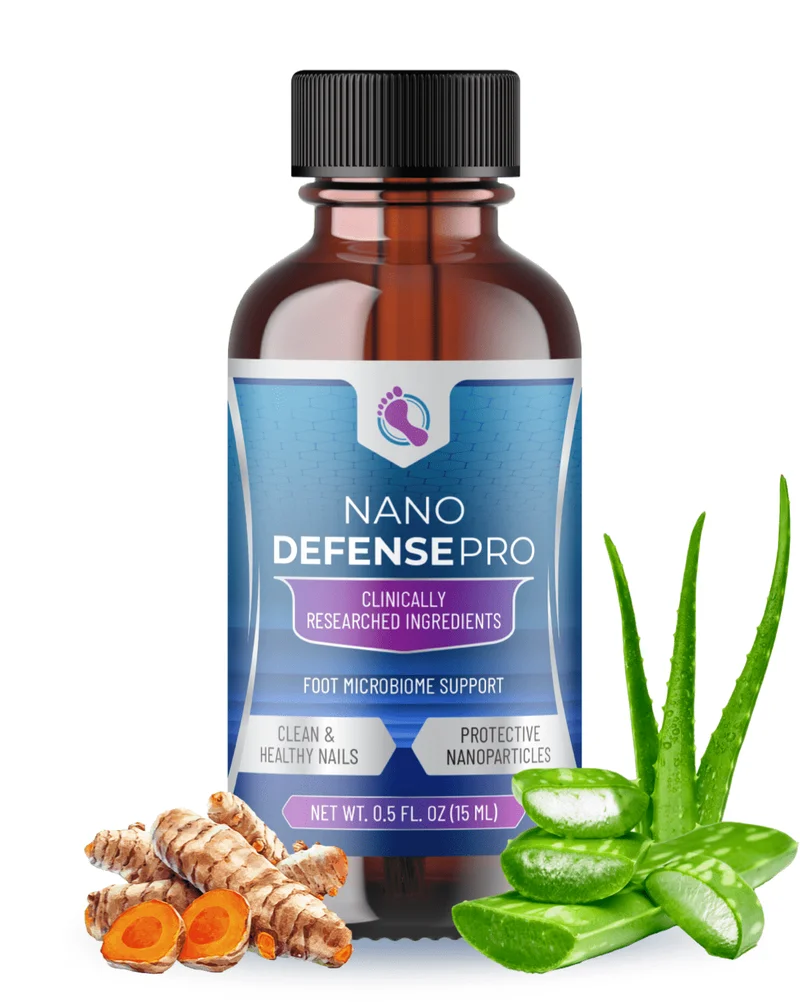
NanoDefense Pro is a 15 mL topical serum for toenail fungus and the skin around it, sold direct through DigiStore24 checkout at $158 for two bottles ($79 each), $207 for three ($69 each), and $294 for six ($49 each), with free US shipping on the 3- and 6-bottle packages and a 180-day money-back guarantee. There is no single-bottle option. The sales page sells 'nanotechnology': molecules '1000 times smaller' than in regular creams, built around 'nano-silver', 'nano-curcumin', 'nano-quercetin', luteolin, deoxyribonuclease, and Cape aloe. The label tells a different story. It lists colloidal silver (not nano-silver), CELLg8 liposomal turmeric and quercetin extracts (a supplement-industry delivery brand, not nanoparticles), luteolin from Sophora japonica, serratiopeptidase (not deoxyribonuclease), and Aloe barbadensis (not Cape aloe), all sitting on top of a water, aloe, glycerin, cucumber, chrysin, and cosmetic-peptide base that is ingredient-for-ingredient identical to KeraBiotics, a different nail serum from the same Tallmadge, Ohio distributor. We read the vendor's text presentation, the label, the refund and shipping policies, the references page, and the DigiStore24 checkout, then checked each active against PubMed. Silver nanoparticles and quercetin do have laboratory data against Trichophyton rubrum, the dermatophyte behind most toenail infections, which puts this formula a notch above a pure probiotic story. But no concentration is disclosed, no nail or human trial exists for any of it, the label carries 'The safety of this product has not been determined', and the prescription options it competes with have published cure rates it makes no attempt to match.

Elena Santos
Skin & Nail Health Writer
Last updated: September 6, 2026
Disclosure: This review contains affiliate links. If you purchase through our links, we may earn a commission at no extra cost to you. Read our affiliate disclosure and editorial policy.
Skin & Nail Health Writer
Elena covers skin, nail, and foot health with a focus on practical solutions for conditions like fungal infections and everyday dermatological concerns.
At a glance
Best for
- Adults with early, mild toenail discoloration or athlete's-foot-type scaling around the nail who want a gentle daily serum rather than an essential-oil product that stings
- People who have reacted to tea tree oil, undecylenic acid, or alcohol-based nail lacquers and want a water-based formula with no essential oils
- Anyone who wants a topical with silver and quercetin, the two ingredients here with laboratory data against the dermatophyte that actually causes toenail fungus
- People who can commit to the 6-bottle order so the per-bottle price drops to $49 and the 180-day guarantee overlaps with the months a nail needs to regrow
- Anyone who has read the label, understands it is a cosmetic serum, and is willing to treat it as an experiment with a refund as the safety net
Not for
- Anyone with thick, crumbling, painful, or spreading nails, or more than two nails involved: these need a culture and a prescription conversation, not a serum
- People with diabetes, neuropathy, or poor circulation; foot infections in this group need medical supervision, and the label says not to apply the serum to cracked or damaged skin
- Anyone who wants a product with a recognized antifungal active such as undecylenic acid, tolnaftate, ciclopirox, or efinaconazole
- Anyone buying because of the 'nanotechnology' pitch; the label lists colloidal silver and liposomal extracts, not nanoparticles, and gives no particle size or concentration
- People who want to try one bottle first; the smallest package is two bottles for $158 plus a $9.99 shipping line the sales page adds only to that package
NanoDefense Pro price & where to buy
- Price: from $49 per bottle (single bottle $79) · Save up to $780 on 6 bottles
- Guarantee: 180-day money-back guarantee
- Where to buy: only on the official NanoDefense Pro website — not sold in stores, on Amazon or Walmart.
NanoDefense Pro still worth it in 2026?
A gently formulated serum with two ingredients that have real dermatophyte data in a dish, sold under a 'nano' story the label does not support and at a price with no single-bottle entry point: a defensible 6-bottle trial for mild cases, not a treatment for confirmed onychomycosis
"The skin between my toes stopped peeling in about two weeks. The nail is maybe a little less yellow at the base after three months, but I have also been filing it thin."
"I bought it for the nanotechnology and then read the bottle. It says colloidal silver and turmeric extract. That is not what the video described."
"The 180-day guarantee is the reason I tried it. I have not needed it, but it is nice to know the clock is long enough to actually see new nail grow."
- Water-and-aloe base with no alcohol, no essential oils, and no fragrance, so it does not sting on cracked skin; the actives are dissolved into a soothing gel, which is why the first thing users notice is calmer skin, not a clearer nail.
- Silver nanoparticles and quercetin have both inhibited Trichophyton rubrum in laboratory studies (minimum inhibitory concentrations of 128 and 125 micrograms per mL respectively), and a green-synthesized silver nanoparticle cream cleared T. rubrum from infected rat skin in 7 days. That is more relevant evidence than most products in this category can point to. None of it involves a human nail, and the label gives no concentration for either.
- The label does not say 'nano' anywhere in the ingredient list. It says colloidal silver and CELLg8 turmeric and quercetin; CELLg8 is a liposomal delivery trademark used by a US supplement ingredient supplier. Liposomes are lipid bubbles, not the 'molecules 1000 times smaller' the sales page describes, and the claim that a particle can be smaller than a molecule is not physically coherent.
- 180-day money-back guarantee per the vendor's refund policy, long enough to actually watch a toenail grow out; all bottles must be mailed back at your cost, and the policy contradicts itself on whether the clock starts at order or at delivery.
Best suited to adults with one or two mildly discolored toenails and irritated, flaky skin around them, who want a no-sting daily serum and are buying the 6-bottle pack, where the per-bottle price is lowest and the 180-day window covers a real evaluation. Anyone with thick, crumbling, or spreading nails, or with diabetes, should get a culture and see a podiatrist first.
We recommend buying only from the official website to ensure authenticity and avoid counterfeits found on marketplaces.
Join the success stories! Get NanoDefense Pro with our money-back guarantee.
✓ Money-Back Guarantee • ✓ Free Shipping
What is NanoDefense Pro?
A water-based nail serum that adds silver, liposomal turmeric and quercetin, luteolin, and a protease enzyme to the same aloe-and-peptide base as KeraBiotics
NanoDefense Pro is a 15 mL topical serum distributed by a company of the same name at 285 Northeast Ave, Tallmadge, Ohio, and sold through DigiStore24. The label lists, in order: deionized water, aloe barbadensis leaf juice, glycerin, cucumber fruit extract, chrysin, palmitoyl oligopeptide, N-hydroxysuccinimide, palmitoyl tetrapeptide-7, palmitoyl pentapeptide-3, steareth-20, polysorbate-20, carbomer, phenoxyethanol and caprylyl glycol (Optiphen), CELLg8 turmeric root extract powder 70%, CELLg8 quercetin 70%, luteolin from Sophora japonica bud, colloidal silver, serratiopeptidase, BioFresh Clean Complex (S), and potassium sorbate. The bottle reads 'Clinically Researched Ingredients', 'Foot Microbiome Support', and 'Protective Nanoparticles', and the fine print reads 'The safety of this product has not been determined'.
The first thirteen ingredients, from water through the Optiphen preservative, are identical in name and order to the label of KeraBiotics, a probiotic nail serum sold by the same distributor from the same address. That base is a soothing cosmetic gel: aloe, glycerin, and cucumber as humectants, chrysin plus three palmitoyl peptides and N-hydroxysuccinimide (a complex cosmetic suppliers sell for under-eye dark circles), palmitoyl pentapeptide-3 (an anti-wrinkle peptide), and a standard preservative system. What makes NanoDefense Pro a different product is the six ingredients that follow the preservative, which on a cosmetic label usually means they are present at low concentration. The label discloses no percentage for any of them.
Those six are where the marketing and the label part ways. The sales page lists nano-silver, nano-curcumin, nano-quercetin, luteolin, deoxyribonuclease, and Cape aloe, and explains that the molecules are 'about 1000 times smaller than those in regular topicals'. The label lists colloidal silver, not nano-silver; CELLg8 turmeric and quercetin, which is a liposomal delivery trademark from a US contract ingredient manufacturer, not a nanoparticle; serratiopeptidase, a bacterial protease, not deoxyribonuclease, which is a DNA-cutting enzyme; and Aloe barbadensis, which is ordinary aloe vera, not Cape aloe (Aloe ferox), the plant in the sales page's ingredient photo. Colloidal silver does consist of suspended silver particles, some of which can be in the nanometer range, so the 'protective nanoparticles' claim is not strictly false; but no particle size, silver concentration in parts per million, or liposome size appears anywhere, and 'smaller than a molecule' is not something a particle can be.
The references page is more honest than the sales page. It cites laboratory papers on silver nanoparticles against plant fungi, curcumin against Candida and Paracoccidioides, quercetin against fluconazole-resistant Candida, a review of serratiopeptidase, and two NASA spacecraft water-disinfection papers on silver biocide, along with a news article about a Turkish company. None of the citations tests the product, a nail, or a person. If you want a natural topical with a recognized antifungal agent instead, Kerassentials' undecylenic acid and tea tree oil have some human data behind them, and we compare the two at /compare/kerassentials-vs-nano-defense-pro.
How it works
How NanoDefense Pro is supposed to work, and what the research actually supports
Step 1
The 'Nano' Delivery Claim: The sales page says the ingredients are '1000 times smaller than a regular molecule' so they can reach 'the deeper layers'. The label does not describe a nanoparticle formulation; it lists colloidal silver and CELLg8 liposomal extracts. Liposomes are lipid vesicles typically tens to hundreds of nanometers across, far larger than a molecule, and the CELLg8 trademark belongs to a supplement ingredient manufacturer whose delivery system was developed for oral liposomal nutrients. A 2021 podiatry review describes drug penetration from the nail plate to the nail bed as the central unsolved problem in topical onychomycosis therapy, even for small prescription molecules like efinaconazole. The label's own directions, 'massage into the skin until absorbed', describe skin application, not delivery under a nail.
Step 2
Silver Against Dermatophytes: This is the formula's best-supported idea. In a 2023 study, silver nanoparticles synthesized with Achillea santolina extract inhibited Trichophyton rubrum at 128 micrograms per mL, suppressed conidial germination by 55.3% and hyphal growth by 84.6%, damaged the fungal cell wall and membrane, and, applied topically to infected rat skin, cleared fungal conidia after 7 days with low toxicity to human dermal fibroblasts. A 2024 study built a nail lacquer with oregano oil and biogenic silver nanoparticles that permeated an ex vivo nail and reduced dermatophyte hyphae after 5 days. The vendor cites neither; it cites a 2012 study of silver nanoparticles at 10-100 ppm against 18 plant-pathogenic fungi, and two NASA papers on silver biocide in spacecraft drinking water. Whether the colloidal silver in this bottle is at a comparable concentration or particle size is not disclosed.
Step 3
Curcumin and Quercetin: Curcumin inhibited 23 fungal strains in a 2009 study, with Paracoccidioides brasiliensis most susceptible and Aspergillus unaffected, and it blocked Candida adhesion to human cheek cells better than fluconazole. Against T. rubrum, the published inhibition comes from photodynamic protocols in which curcumin is activated by light, which a serum under a sock does not provide. Quercetin has the more relevant result: in a 2013 study it inhibited T. rubrum at 125 micrograms per mL (fluconazole managed 63) and cut the fungus's ergosterol content by down-regulating fatty acid synthase. It also worked with fluconazole against biofilms of resistant Candida albicans at 64 micrograms per mL and triggered yeast apoptosis in another study. All in vitro; no nail, no person, no concentration on this label.
Step 4
Luteolin and Serratiopeptidase: Luteolin inhibited planktonic Candida albicans at 32 micrograms per mL and disrupted preformed Candida and mixed-species biofilms in a 2021 study; it was among six flavonoids screened against T. rubrum in the 2013 quercetin paper, where quercetin and trans-chalcone were the effective ones. Serratiopeptidase is a bacterial protease sold orally as an anti-inflammatory; a 2020 review found its anti-inflammatory and anti-biofilm evidence promising but its safety and mechanism data thin, and its anti-biofilm work is against bacterial biofilms. Topical serratiopeptidase gels have been formulated experimentally for inflammation, but the enzyme is degradation-sensitive and there is no antifungal or nail study. The sales page calls this ingredient 'deoxyribonuclease', which is a different enzyme entirely.
Step 5
The Inherited Base: Chrysin reduced Candida albicans biofilm activity in vitro and fungal burden in a mouse oral-candidiasis model in a 2026 study. Palmitoyl pentapeptide-3 improved fine lines in a 12-week split-face study of 93 women. Aloe vera gel produced 8 to 11.7 mm zones of inhibition against pathogenic fungi in a 2021 agar study and was synergistic or indifferent when combined with over-the-counter antifungal creams. These are the KeraBiotics ingredients, here to make the serum feel like skincare and to calm the skin around the nail.
Step 6
What Actually Has Cure-Rate Data: Oral terbinafine achieved mycological cure in 75.7% to 80.8% of patients at 72 weeks in the 496-patient LION trial. Topical efinaconazole 10% achieved complete cure in 17.8% and 15.2% of patients versus 3.3% and 5.5% for vehicle after 48 weeks of daily use in two phase III trials, with mycologic cure of 55.2% and 53.4%. Tavaborole managed 6.5% and 9.1% complete cure, ciclopirox lacquer 29% to 36% mycological cure. Those are the numbers any 'nail fungus formula' should be measured against, and they are sobering even for prescription drugs. NanoDefense Pro has no number at all.
Ready to try NanoDefense Pro? Get started today with our exclusive offer.
✓ Money-Back Guarantee • ✓ Free Shipping
Ingredients
Colloidal Silver
Benefits:
The ingredient the sales page calls 'nano-silver'. Silver nanoparticles have the most relevant data in this formula: a green-synthesized preparation inhibited Trichophyton rubrum, the dermatophyte behind most toenail infections, at 128 micrograms per mL, cut conidial germination by 55.3% and hyphal growth by 84.6%, and, applied topically, cleared the fungus from infected rat skin in 7 days with low toxicity to human dermal fibroblasts. A 2024 nail lacquer combining oregano oil with biogenic silver nanoparticles permeated an ex vivo nail. The vendor's own citation is a 2012 study of nano-silver colloids at 10-100 ppm against 18 plant-pathogenic fungi. Colloidal silver is a suspension of silver particles that can include nanoparticles, but this label gives no silver concentration and no particle size, and a 2022 cosmetics review notes that skin penetration and toxicity of silver nanoparticles depend on exactly those properties. No nail or human trial. Do not ingest: swallowed colloidal silver causes argyria, a permanent blue-grey skin discoloration.
CELLg8 Turmeric Root Extract Powder 70% (Curcumin)
Benefits:
The 'nano-curcumin' of the sales page. CELLg8 is a liposomal delivery trademark from a US supplement ingredient manufacturer; liposomes are lipid vesicles, not nanoparticles smaller than a molecule. Curcumin inhibited 23 fungal strains in a 2009 broth microdilution study, with Paracoccidioides brasiliensis the most susceptible and Aspergillus unaffected, and it blocked Candida adhesion to human cheek cells better than fluconazole. Against T. rubrum specifically, the published inhibition comes from photodynamic protocols in which curcumin is activated by light, which a serum under a sock does not replicate. Turmeric is also the reason some users report yellow staining on light socks. Concentration in the finished product not disclosed.
CELLg8 Quercetin 70%
Benefits:
The 'nano-quercetin' of the sales page, in the same liposomal delivery form. This flavonoid has the second-most relevant result in the bottle: in a 2013 study it inhibited T. rubrum at 125 micrograms per mL (63 for a drug-efflux mutant; fluconazole control 63) and reduced the fungus's ergosterol by down-regulating fatty acid synthase. At 64 micrograms per mL it was synergistic with fluconazole against biofilms of resistant Candida albicans and reduced fungal burden in a mouse vaginal model, and it triggers apoptosis in C. albicans through mitochondrial dysfunction. All in vitro or murine, none on a nail, and the label does not say how much quercetin reaches the skin.
Luteolin (Sophora japonica bud)
Benefits:
A flavonoid extracted from Japanese pagoda tree buds. In a 2021 study it inhibited planktonic Candida albicans at 32 micrograms per mL and broke down single- and mixed-species Candida biofilms, stripping polysaccharide and protein from the biofilm matrix. It was among six flavonoids screened against T. rubrum in the 2013 quercetin study, where quercetin and trans-chalcone were the ones reported effective. No dermatophyte, nail, or human data for luteolin itself. Concentration not disclosed.
Serratiopeptidase
Benefits:
A bacterial protease enzyme from Serratia marcescens, sold orally in enteric-coated tablets as an anti-inflammatory; the sales page calls this ingredient 'deoxyribonuclease', which is a different enzyme that cuts DNA. A 2020 review found supportive but incomplete evidence for anti-inflammatory and anti-biofilm effects and asked for more safety data; its anti-biofilm action is against bacterial biofilms and comes from its proteolytic domain. Experimental topical gels have been made for inflammation, with the enzyme noted as degradation-sensitive. There is no antifungal or nail study, and whether an active protease survives in a preserved water-based gel is not something the label addresses. Concentration not disclosed.
Chrysin, Palmitoyl Oligopeptide, N-Hydroxysuccinimide, Palmitoyl Tetrapeptide-7, Palmitoyl Pentapeptide-3
Benefits:
The skincare actives inherited unchanged from KeraBiotics, the same distributor's probiotic nail serum. Chrysin plus the first three peptides form a cosmetic complex sold for under-eye dark circles; chrysin also reduced Candida albicans biofilm activity in vitro and fungal burden in a mouse oral-candidiasis model in a 2026 study. Palmitoyl pentapeptide-3 improved fine lines versus placebo at 3 ppm in a 12-week split-face study of 93 women. These make the serum feel like premium skincare; none has nail or dermatophyte data. Concentrations not disclosed.
Aloe Barbadensis Leaf Juice, Glycerin, Cucumis Sativus (Cucumber) Fruit Extract
Benefits:
The humectant base that makes up most of the bottle after water and the reason users describe softer, less cracked skin within two weeks. The sales page shows Cape aloe (Aloe ferox); the label lists ordinary aloe vera. Aloe vera gel produced 8.0 to 11.7 mm zones of inhibition against pathogenic fungi on agar in a 2021 study and was synergistic or indifferent alongside over-the-counter antifungal creams, at extract concentrations a cosmetic serum does not state. These are moisturizer ingredients doing moisturizer work.
Phenoxyethanol, Caprylyl Glycol (Optiphen), BioFresh Clean Complex (S), Potassium Sorbate, Carbomer, Steareth-20, Polysorbate-20
Benefits:
A standard cosmetic preservative-and-texture system: phenoxyethanol and caprylyl glycol are broad-spectrum preservatives, potassium sorbate targets yeast and mold, carbomer thickens the gel, and the two surfactants keep the extracts dispersed. BioFresh Clean Complex (S) is an undisclosed trade-name blend that appears nowhere on the sales page. All are widely used and well tolerated on intact skin; the label nonetheless states 'The safety of this product has not been determined'.
Safety
Safety profile and what to expect
NanoDefense Pro is a water-based, aloe-and-glycerin gel with a conventional cosmetic preservative system and no essential oils, alcohol, or acids, which makes it well tolerated on paper and is why users describe it as soothing rather than stinging. The label says 'for external use only', warns against contact with eyes or mucous membranes, and says not to apply to wounds, damaged, or irritated skin, not to bandage the area, not to use with a heating pad, and to keep it away from excessive heat or flame.
Three things deserve attention. First, the label states 'The safety of this product has not been determined', a cosmetic-regulation disclosure that means the manufacturer has not substantiated safety data; it is common on small-brand cosmetics but it is not what the sales page's 'proven to be safe in clinical trials' line implies. Second, colloidal silver applied to intact skin at cosmetic concentrations is generally regarded as low risk, but silver is the ingredient here with a real toxicology literature: ingested colloidal silver causes argyria, a permanent blue-grey skin discoloration, with new case reports still appearing, and a 2022 review of silver nanoparticles in cosmetics notes that skin penetration and toxicity depend on particle morphology, which this label does not disclose. Do not let children or pets lick treated feet, and do not take it by mouth. Third, the label tells you not to apply the serum to cracked or fissured skin, which describes the skin around most fungal toenails, and people with diabetes, neuropathy, or peripheral vascular disease should not self-treat foot infections with any over-the-counter product.
Possible Side Effects
- ⚠Mild redness or itching around the nail fold in the first days, usually in people whose skin was already cracked
- ⚠A tacky or filmy feel if too much is applied, which is the carbomer gel drying; use less
- ⚠Yellow staining of light-colored socks or nail edges from the turmeric extract, reported by some users; it washes out
- ⚠Rare contact sensitivity to phenoxyethanol or polysorbate-20 in people with known cosmetic preservative allergies
Warnings
- ✗For external use only; avoid eyes and mucous membranes; do not ingest, and keep treated feet away from children and pets
- ✗Do not apply to open wounds, cracked, bleeding, or damaged skin, per the label
- ✗Do not bandage the area or use with a heating pad or heating device after application; keep away from excessive heat or flame
- ✗People with diabetes, neuropathy, or poor circulation should have foot and nail infections evaluated by a clinician before using any topical
- ✗Stop and see a dermatologist if the nail becomes painful, lifts from the bed, or the discoloration spreads to other nails during use
- ✗Keep out of reach of children; contact Poison Control if ingested
NanoDefense Pro is safe and effective. Join thousands of satisfied customers.
✓ Money-Back Guarantee • ✓ Free Shipping
How to apply NanoDefense Pro for best results
Timing
Evening after a shower is the simplest routine. A 15 mL bottle is sold as a 30-day supply, roughly 0.5 mL a day; on more than two nails, daily use will run out faster than that. The vendor's refund policy advises using the product for at least 3 months before judging it, and the 180-day guarantee, unlike most in this category, actually leaves room to do that and still return the bottles.
Directions
- After showering, dry the feet thoroughly and apply a small amount of serum to the affected nail and surrounding skin, massaging in until absorbed, per the label
- The sales page FAQ says to 'apply to the problem area for 60 seconds a day'; the label gives no frequency. Once daily after bathing is the sensible reading
- Put on clean cotton socks after applying so the serum stays on the nail rather than the floor, and to keep the turmeric off your bedding
Pro Tips
- 💡Weeks 1-2: Expect a change in how the skin around the nail feels (softer, less flaky), which is the aloe and glycerin. Do not expect any change in the nail itself.
- 💡Weeks 3-8: If the product is doing anything to the nail, it would show as clear growth at the base as new nail emerges. Toenails grow about 1.6 mm a month, so even a perfect treatment shows only a few millimeters of clear nail in this window.
- 💡Months 3-6: This is where the 180-day guarantee earns its keep. By month five you should see a centimeter or so of new nail; if it is coming in clear, keep going; if it is coming in yellow, stop and get a culture, and file the refund before day 170.
- 💡Months 6-18: A big toenail takes 12-18 months to replace itself. This is the honest timeline for any topical, prescription or not.
- 💡Photograph the nail at the same angle under the same light every two weeks; memory is a poor judge of slow change.
- 💡Do the things that actually move nail fungus: keep nails trimmed and filed thin, rotate shoes so they dry, wear moisture-wicking socks, treat athlete's foot on the surrounding skin, and disinfect clippers between nails.
Note: Give NanoDefense Pro 12 weeks, then set a calendar reminder for day 160 from delivery so the return package is on its way before the window closes. If a nail has not been cultured, get that done in parallel: a positive dermatophyte culture is the point at which a serum stops being a reasonable experiment and a prescription conversation should start.
What users report after using NanoDefense Pro
Note: Individual results vary with nail thickness, number of nails involved, and whether a dermatophyte was actually the cause. Benefits are most often reported on the skin around the nail rather than on the nail itself.
Experience these benefits yourself! NanoDefense Pro is available now.
✓ Money-Back Guarantee • ✓ Free Shipping
Pros & Cons
✓Pros
- +Colloidal silver and quercetin both have published laboratory activity against Trichophyton rubrum, the dermatophyte behind most toenail infections; that is more targeted evidence than KeraBiotics' probiotics can claim
- +Gentle water-and-aloe base with no essential oils, alcohol, or acids; well tolerated on irritated skin
- +Full ingredient list printed on the label in standard cosmetic format, including the exact preservative system
- +180-day money-back guarantee, the longest in this category, and long enough to watch a toenail actually grow out before deciding
- +Once-a-day application with socks is the easiest routine in the category
- +6-bottle price of $49 matches Kerassentials and KeraBiotics at the same tier, with free US shipping and three bonus guides
- +DigiStore24 checkout with a published refund policy and an order self-service portal, and the vendor states there is no autoship
✗Cons
- -The sales page names nano-silver, nano-curcumin, nano-quercetin, deoxyribonuclease, and Cape aloe; the label lists colloidal silver, CELLg8 liposomal turmeric and quercetin, serratiopeptidase, and Aloe barbadensis, and never uses the word 'nano' in the ingredient list
- -No concentration, silver ppm, or particle size for any active; the six actives sit below the preservatives on the label, which usually means low percentages
- -No recognized antifungal ingredient with human cure-rate data: no undecylenic acid, tolnaftate, ciclopirox, or efinaconazole
- -The first thirteen ingredients are identical to KeraBiotics from the same distributor; this is a base gel with six actives added, not a ground-up formulation
- -No single-bottle option; the entry price is $158 for two bottles, and the sales page adds a $9.99 shipping line to that package while saying 'every order comes with free shipping'
- -The label carries 'The safety of this product has not been determined' while the sales page claims ingredients 'proven to be safe in clinical trials'
- -The refund policy says the 180 days start 'from the moment you place your order' and, one step later, 'the day the order has been delivered'; all bottles must be mailed back at your cost
- -The '$1,074 regular price', the '12,396 reviews', and the '96% of customers order 6 bottles' figures cannot be verified outside the sales page, and two of the three bonus e-books are described with copy about cellulite and hair growth that has nothing to do with their titles
Evidence
Silver nanoparticles versus Trichophyton rubrum: green-synthesized silver nanoparticles (Achillea santolina extract) inhibited T. rubrum at a MIC of 128 micrograms/mL, suppressed conidial germination by 55.3% and hyphal growth by 84.6%, reduced ergosterol synthesis and cell-wall enzyme activity, showed low toxicity to human dermal fibroblasts, and, applied topically, cleared fungal conidia from infected rat skin after 7 days (Abdallah and Rajendran, Molecules, 2023); a skin model, not a nail, and not this product's silver
Silver nanoparticles in a nail lacquer: a lacquer combining oregano essential oil and biogenic silver nanoparticles permeated an ex vivo nail and reduced dermatophyte hyphae and spores after 5 days (Scandorieiro et al., Antibiotics, 2024); the vendor's own silver citation tested nano-silver colloids at 10-100 ppm against 18 plant-pathogenic fungi on agar (Kim et al., Mycobiology, 2012), and a 2023 review covers inorganic nanoparticles as antifungal candidates (Huang et al., Acta Biomaterialia, 2023)
Silver safety: skin penetration and toxicity of silver nanoparticles in cosmetics depend on particle morphology and application method (Ong et al., Saudi Journal of Biological Sciences, 2022); ingested colloidal silver continues to produce case reports of argyria, a permanent blue-grey skin discoloration (Browne and Fairhall, Internal Medicine Journal, 2025)
Curcumin: inhibited 23 fungal strains in vitro with Paracoccidioides brasiliensis most susceptible and Aspergillus unaffected, and blocked Candida adhesion to human buccal epithelial cells more effectively than fluconazole (Martins et al., Journal of Antimicrobial Chemotherapy, 2009); against T. rubrum the published inhibition uses photodynamic activation of curcumin with light (Brasch et al., Medical Mycology, 2017; Mycoses, 2018 and 2020)
Quercetin: inhibited T. rubrum at 125 micrograms/mL (63 micrograms/mL for an ABC-transporter mutant; fluconazole control 63 micrograms/mL) and reduced ergosterol content by down-regulating fatty acid synthase, in a screen of six flavonoids that also included luteolin (Bitencourt et al., BMC Complementary and Alternative Medicine, 2013); 64 micrograms/mL quercetin was synergistic with fluconazole against biofilms of fluconazole-resistant Candida albicans and reduced fungal burden in a mouse vaginal model (Gao et al., Cellular Physiology and Biochemistry, 2016); quercetin induces apoptosis in C. albicans via mitochondrial dysfunction (Kwun and Lee, Fungal Biology, 2020). All in vitro or murine
Luteolin: MIC of 32 micrograms/mL against planktonic Candida albicans, with disruption of single- and dual-species biofilms and loss of biofilm matrix polysaccharides and proteins (Fu et al., Frontiers in Microbiology, 2021); no dermatophyte or nail study identified
Serratiopeptidase: a review of in-vitro, animal, and clinical data found supportive evidence for anti-inflammatory, anti-edema, and anti-biofilm effects but called for more safety and mechanism data (Jadhav et al., Biotechnology Reports, 2020); its anti-biofilm action against bacterial biofilms is driven by the proteolytic N-terminal domain (Srivastava et al., BBA Proteins and Proteomics, 2025); topical gel and ointment formulations have been developed experimentally for inflammation, with the enzyme noted as degradation-sensitive (Nirale and Menon, Indian Journal of Pharmaceutical Sciences, 2010); no antifungal or nail data
Aloe vera gel: produced 8.0 to 11.7 mm zones of inhibition against pathogenic fungi on agar (MIC range 1.25 to 10 mg/mL) and was synergistic or indifferent when combined with over-the-counter antifungal creams (Ogidi et al., BMC Complementary Medicine and Therapies, 2021); a cosmetic serum does not state its aloe concentration
Inherited base: chrysin reduced Candida albicans biofilm activity in vitro and fungal burden in a mouse oral-candidiasis model (Wang et al., Biofouling, 2026); palmitoyl pentapeptide-3 (pal-KTTKS) at 3 ppm improved fine lines versus placebo in a 12-week double-blind split-face study of 93 women (Robinson et al., International Journal of Cosmetic Science, 2005); neither has nail data
Nail penetration and growth: the thickness and keratin binding of the nail plate remain the central obstacle to topical onychomycosis therapy even for small prescription molecules (Phan et al., Clinics in Podiatric Medicine and Surgery, 2021); toenails grow an average of 1.62 mm per month (Yaemsiri et al., Journal of the European Academy of Dermatology and Venereology, 2010)
Prescription benchmarks: continuous oral terbinafine achieved mycological cure in 75.7% (12 weeks) and 80.8% (16 weeks) of 496 toenail onychomycosis patients at week 72 versus 38.3% and 49.1% for intermittent itraconazole (Evans and Sigurgeirsson, BMJ, 1999); topical efinaconazole 10% achieved complete cure in 17.8% and 15.2% of patients versus 3.3% and 5.5% for vehicle, and mycologic cure in 55.2% and 53.4%, after 48 weeks in two phase III trials of 870 and 785 patients (Elewski et al., Journal of the American Academy of Dermatology, 2013); tavaborole 5% achieved 6.5% and 9.1% complete cure (Elewski et al., JAAD, 2015); ciclopirox 8% lacquer achieved 29% and 36% mycological cure versus 11% and 9% for vehicle in two 48-week trials (Gupta et al., JAAD, 2000)
Natural-topical comparison and diabetes: 100% tea tree oil produced an 18% culture cure and 60% clinical improvement versus 11% and 61% for 1% clotrimazole after 6 months of twice-daily use in 117 patients with culture-proven distal subungual onychomycosis (Buck et al., Journal of Family Practice, 1994); onychomycosis was mycologically confirmed in 26% of 550 diabetic patients surveyed (Gupta et al., British Journal of Dermatology, 1998)
Who is it for?
Perfect for:
- ✓Adults with mild, early toenail discoloration who want a gentle daily serum
- ✓People whose main complaint is dry, cracked, itchy skin around the nail or between the toes
- ✓Those who reacted to tea tree oil, undecylenic acid, or alcohol-based lacquers and want a formula with no essential oils
- ✓People who want silver and quercetin in a topical and understand the evidence is laboratory-only
- ✓Anyone who prefers a once-daily dab-and-socks routine to twice-daily oils
- ✓People who have had a clinician rule out diabetes-related foot risk, psoriasis, and trauma as the cause of the nail change
Survey & stats
Based on 61 participants over 90 days of consistent use
Testimonials
Angela P.
Jacksonville, FL
"I reacted badly to an undecylenic acid product, red and burning around every toe. This has nothing harsh in it and my skin calmed down within a week. I am at month four on the six-pack and the nail is growing out clearer. I cannot say whether it is the silver or the clean socks and filing, but the routine is easy and I have stuck with it, which I never managed with the oils."
Walter H.
Tulsa, OK
"I have diabetes so I showed the bottle to my podiatrist first. She said it was basically a moisturizer with a little silver in it and to keep using the prescription lacquer too. It does make the skin softer and the between-the-toes itch is gone. Two bottles for $158 plus shipping is a lot for that. At the six-pack price it is a decent foot gel, nothing more."
Steven R.
Boise, ID
"The whole 'smaller than a molecule' thing made me laugh, and the bonus books are described wrong on the page, cellulite tips for an eczema guide. So I went in skeptical. The serum itself is fine, absorbs fast, no smell, no residue. After ten weeks my nail is about the same, the skin is better. Three stars, it did what a good aloe gel with some silver in it does."
Where to buy NanoDefense Pro
Visit the official website to get the best pricing and authentic product guarantee.
⚠️ Only available through official website
✅ 180-day money-back guarantee
🏆Conclusion
Editorial Verdict
NanoDefense Pro is a better-armed product than its sibling KeraBiotics and a worse-described one. The base is the same soothing aloe, glycerin, cucumber, and skincare-peptide gel, and it does what that gel does: calms the skin around the nail within a couple of weeks. On top of it the vendor has added colloidal silver, liposomal turmeric and quercetin, luteolin, and a protease enzyme, and two of those, silver and quercetin, have real laboratory data against Trichophyton rubrum, including a rat skin model in which a silver nanoparticle cream cleared the fungus in a week. That is a legitimate reason to prefer this formula over a probiotic story. The problem is everything the sales page says about it. The 'nanotechnology' framing is not on the label; the ingredient names in the pitch do not match the ingredient names on the bottle; no concentration or particle size is disclosed; the safety line on the label contradicts the safety line on the page; and the refund policy cannot decide when its own clock starts. The 180-day guarantee is the strongest thing about the offer, because it is the only one in this category long enough to see a nail regrow before you have to decide. If your nails are mildly discolored, the skin around them is dry and itchy, and you buy the 6-bottle pack with a reminder set for day 160, NanoDefense Pro is a defensible low-risk experiment. If you have confirmed onychomycosis, thick or crumbling nails, or diabetes, the money is better spent on a culture and a prescription, and Kerassentials remains the natural topical in this category with at least some human data behind its actives.
Toenail fungus products split into three camps. Prescription drugs (terbinafine, efinaconazole, tavaborole, ciclopirox) have randomized trials with cure rates that are honest and modest. Over-the-counter and natural topicals with recognized antifungal actives (undecylenic acid, tea tree oil) have small older studies and a plausible mechanism. And then there are formulas that sell a story. NanoDefense Pro sits between the second and third camps: its silver and quercetin have dermatophyte data in a dish and on rat skin, which is more than most story products can offer, but its label discloses no dose, its delivery claim is not what the ingredient list describes, and no nail or human trial exists.
What we cannot do is tell you how much silver, curcumin, or quercetin is in the bottle, whether any of it is actually in nanoparticle form, or whether it reaches the nail bed rather than the skin around it. The sales page's '1000 times smaller than a molecule' line is marketing physics, the ingredient names in the pitch differ from the ones on the bottle, and the base gel is a straight copy of another product from the same address. The references page, to the vendor's credit, links real papers; read them and you will find silver against plant molds and spacecraft water, curcumin against Candida, and quercetin against yeast biofilms, not toenails.
Is it worth trying? For someone with mild discoloration, irritated skin at the nail fold, and a bad experience with stinging tea tree products, it is a reasonable trial with a 180-day exit if bought as the 6-bottle pack, and its actives are at least pointed at the right organism. For anyone with a confirmed dermatophyte infection, thick or crumbling nails, or diabetes, the money is better spent on a culture and a prescription conversation, and if you want a natural topical in the meantime, Kerassentials is the better-supported choice.
Key Takeaways:
- Verified: $158 / $207 / $294 for 2 / 3 / 6 bottles ($79 / $69 / $49 each); free US shipping on 3 and 6, a $9.99 shipping line on the 2-bottle package; no single bottle
- Verified: 180-day money-back guarantee, all bottles returned at your cost, refund 5-10 days after receipt; the policy is inconsistent on whether the clock starts at order or delivery
- Twenty listed ingredients; no concentrations, no particle size, no 'nano' in the ingredient list; silver and quercetin have in-vitro T. rubrum data, nothing has nail or human data
- Sales page ingredient names (nano-silver, deoxyribonuclease, Cape aloe) do not match the label (colloidal silver, serratiopeptidase, Aloe barbadensis); base identical to KeraBiotics
- Label and sales page disagree on safety testing; buy from the vendor's site only
NanoDefense Pro Alternatives
While NanoDefense Pro is our top choice, here are some other nail health alternatives worth considering:
KeraBiotics
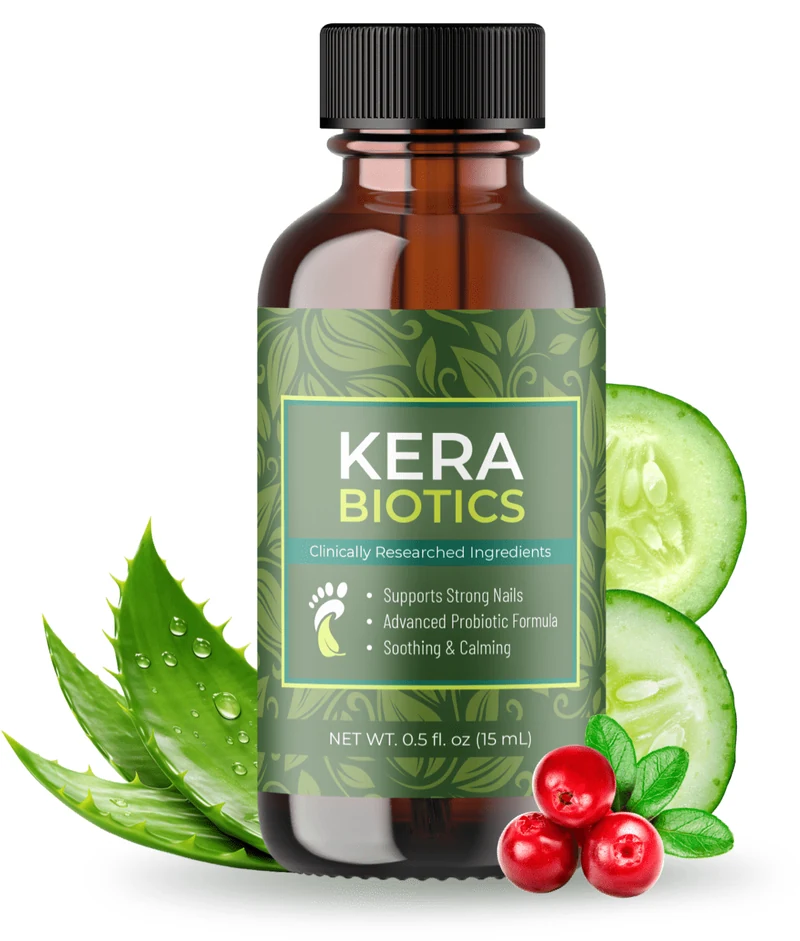
KeraBiotics is a 15 mL topical serum for toenail fungus sold direct through DigiStore24 checkout at $69 for one bottle, ...
Kerassentials
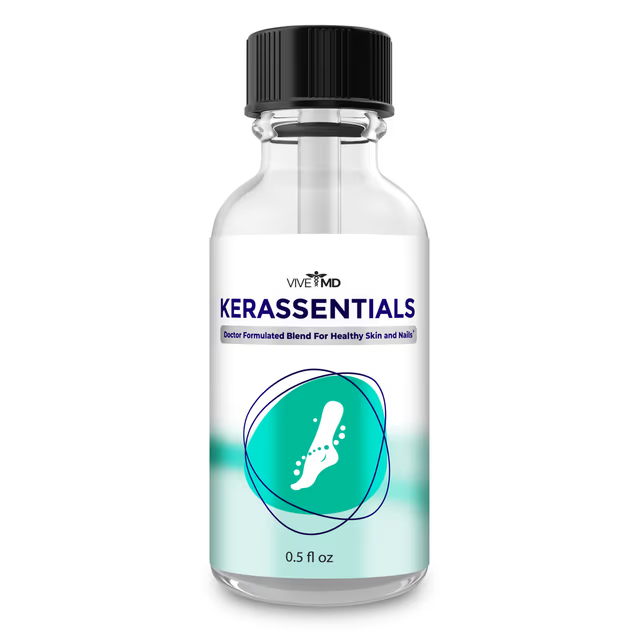
Kerassentials is a topical oil blend that targets nail fungus using natural antifungal ingredients like Tea Tree Oil and...
ProNail Complex
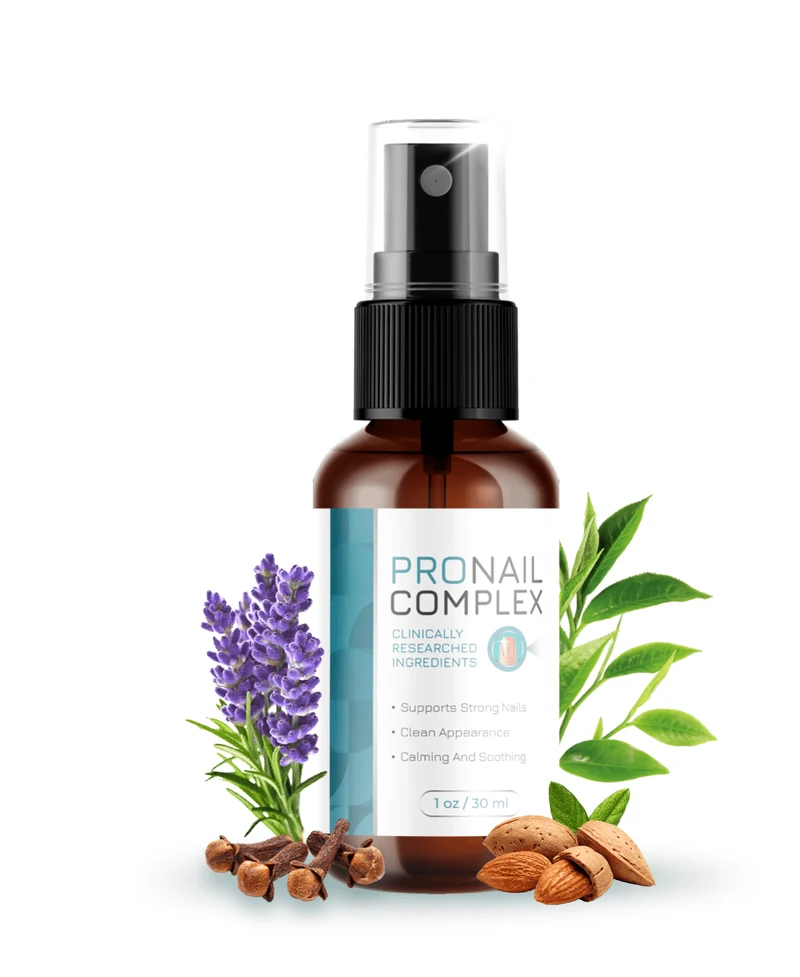
ProNail Complex is a 1 oz (30 ml) topical mist spray for toenails and the surrounding skin, sold direct through DigiStor...
Why we recommend NanoDefense Pro: Superior nail health targeting, clinically proven ingredients, and better value for money with money-back guarantee.
NanoDefense Pro vs Competitors
Detailed comparison of NanoDefense Pro against top nail health competitors in the market:
| Feature | NanoDefense Pro | KeraBiotics | Kerassentials |
|---|---|---|---|
| Price | From $49 | From $49 | From $49 |
| Money-Back Guarantee | 180 days | 60 days | 60 days |
| User Rating | 3.8/5 | 3.8/5 | 4.2/5 |
| Key Benefits | Skin Comfort: The most consistent report is softer, less cracked skin around the nail within two weeks, which is what a glycerin-and-aloe gel does on any dry skin, Less Itch Between the Toes: Users with athlete's-foot-type scaling often describe less itch, plausibly from the humectant base and the silver and quercetin, which have real activity against the same dermatophyte on skin | Skin Comfort: The most consistent report is softer, less cracked skin around the nail within two weeks, which is what a glycerin-and-aloe gel does on any dry skin, Less Flaking and Itch: Users with athlete's-foot-type scaling at the nail fold often describe less itch, plausibly from the humectant base and copper | Clearer Nails: Most users see a noticeable reduction in discolouration and cloudiness over 8-12 weeks, Reduced Thickening: Nails gradually return to a more normal thickness as healthy tissue grows in |
| Third-Party Testing | ✓ Yes | ? Unknown | ✓ Yes |
Winner: NanoDefense Pro
NanoDefense Pro stands out with superior nail health support, longer money-back guarantee, and proven ingredients that specifically target nail health health.
Skin & Nail Health Writer
Elena covers skin, nail, and foot health with a focus on practical solutions for conditions like fungal infections and everyday dermatological concerns.
FAQ
Where can I buy NanoDefense Pro?
NanoDefense Pro is sold only through the vendor's site, where checkout runs through DigiStore24. It is not sold in pharmacies or stores, and listings on Amazon, Walmart Marketplace, or eBay are not from the manufacturer and are not covered by the guarantee. Buying direct is the only way to get the 3- and 6-bottle pricing, the three bonus guides, and the 180-day money-back guarantee. The label lists the distributor as NanoDefense Pro, 285 Northeast Ave, Tallmadge, OH 44278, with product support at contact@nanodefensepro-product.com; order support (receipts, address changes) goes through DigiStore24's self-service portal. You can reach the vendor's order page through the links on this review.
How much does NanoDefense Pro cost?
At the time of this review, the DigiStore24 checkout lists three packages and no single bottle. Two bottles (a 60-day supply) cost $158, or $79 per bottle; the sales page adds a $9.99 shipping line to this package only. Three bottles ('2+1', 90-day supply) cost $207, or $69 per bottle, with free US shipping and three bonus e-books. Six bottles ('3+3', 180-day supply) cost $294, or $49 per bottle, with free US shipping and the same three e-books. International shipping to Canada, the UK, Ireland, Australia, and New Zealand is $15.95 per order with 10-15 working days transit. The vendor frames the discounts against crossed-out 'regular' prices of $358, $537, and $1,074 that, as far as we can tell, have never been charged. Prices can change, so check the vendor's site before ordering.
Is NanoDefense Pro legit or a scam?
NanoDefense Pro is a real product with a printed ingredient label, a physical distributor address in Tallmadge, Ohio, and checkout through DigiStore24, an established payment processor with a published refund process. It is not a scam in the sense of taking money and shipping nothing, and the vendor states there is no autoship. It does have real problems: the sales page's ingredient names (nano-silver, nano-curcumin, nano-quercetin, deoxyribonuclease, Cape aloe) do not match the label (colloidal silver, CELLg8 turmeric and quercetin, serratiopeptidase, Aloe barbadensis); no concentration or particle size is disclosed; the label says 'the safety of this product has not been determined' beneath a sales page claiming clinical safety trials; two of the three bonus e-books are described with copy about cellulite and hair that belongs to other products; and the '12,396 reviews' and '96% order 6 bottles' figures cannot be verified anywhere outside the sales page. We found no Better Business Bureau profile under the NanoDefense Pro name. Treat it as a legitimate cosmetic serum sold with an exaggerated and, in places, inaccurate pitch.
Is there a NanoDefense Pro discount or coupon code?
NanoDefense Pro does not use coupon codes at checkout. The only discounts are the package prices on the vendor's site: $79 per bottle for two, $69 per bottle for three, and $49 per bottle for six, with free US shipping and three bonus digital guides ('The Skin Fix Files', 'At Your Expense', and 'Post-Fungus Full Body Cleanse') on the 3- and 6-bottle orders. The vendor describes the 6-bottle price as $780 off, which is measured against a $1,074 'regular' price nobody appears to pay; against the vendor's own 2-bottle rate of $79, six bottles at $294 saves $180. Sites advertising NanoDefense Pro coupon codes or a 'lifetime' guarantee are affiliate pages; the vendor's refund policy says 180 days.
Does NanoDefense Pro have a money-back guarantee?
Yes, 180 days, according to the refund policy on the vendor's site, which is the longest in this category. To claim it you email contact@nanodefensepro-product.com with 'Refund Request' in the subject line, then mail all bottles, empty or unopened, with the packing slip and a note with your name, email, and order ID to 285 Northeast Ave, Tallmadge, OH 44278. Return shipping is at your cost. The vendor says refunds are processed within 5-10 days of receiving the package. Note the policy says the 180 days run 'from the moment you place your order' in its opening paragraph and 'starting with the day the order has been delivered' in step one; plan around the earlier date to be safe. The policy also advises using the product for at least 3 months before requesting a refund, which the 180-day window actually accommodates.
What are the ingredients in NanoDefense Pro?
The label lists: deionized water, aloe barbadensis leaf juice, glycerin, Cucumis sativus (cucumber) fruit extract, chrysin, palmitoyl oligopeptide, N-hydroxysuccinimide, palmitoyl tetrapeptide-7, palmitoyl pentapeptide-3, steareth-20, polysorbate-20, carbomer, phenoxyethanol and caprylyl glycol (Optiphen), CELLg8 turmeric root extract powder 70%, CELLg8 quercetin 70%, luteolin (Sophora japonica bud), colloidal silver, serratiopeptidase, BioFresh Clean Complex (S), and potassium sorbate. No amounts, silver ppm, or particle sizes are given. CELLg8 is a liposomal delivery trademark from a US supplement ingredient manufacturer; BioFresh Clean Complex is an undisclosed trade-name blend. The first thirteen ingredients are identical to KeraBiotics from the same distributor. There is no undecylenic acid, tea tree oil, tolnaftate, clotrimazole, or any other recognized antifungal drug.
Does NanoDefense Pro actually kill toenail fungus?
There is no direct evidence that it does. Two of its ingredients have laboratory activity against Trichophyton rubrum, the dermatophyte behind most toenail infections: silver nanoparticles inhibited it at 128 micrograms per mL and cleared it from infected rat skin in 7 days in a 2023 study, and quercetin inhibited it at 125 micrograms per mL and reduced its ergosterol in a 2013 study. Neither study applied the ingredient to a nail, neither involved a person, and the NanoDefense Pro label does not say how much of either it contains. For comparison, oral terbinafine achieved mycological cure in 75.7% to 80.8% of patients at 72 weeks in the LION trial, and topical efinaconazole 10% achieved complete cure in 17.8% and 15.2% of patients after 48 weeks in two phase III trials. Those are the published benchmarks. NanoDefense Pro has no cure-rate data of any kind, and its label describes application to the skin, not under the nail.
How long before I notice results?
Skin around the nail typically feels softer within one to two weeks, which is the aloe and glycerin working as a moisturizer; users with itch or peeling between the toes often report that settling in the same window. Any real change in the nail itself can only appear as clear new growth at the base, and toenails grow about 1.6 mm a month, so a big toenail takes 12-18 months to fully replace itself. That is true for prescription treatments too: efinaconazole trials ran 48 weeks and measured at 52. Users who report a change with NanoDefense Pro usually describe a clearer band at the cuticle between weeks 8 and 12. The vendor recommends 3 months; the guarantee gives you 6, which is the one place this product is more generous than its competitors. Decide by month five and file the return before day 170.
NanoDefense Pro vs Kerassentials: which is better?
They take different approaches. NanoDefense Pro is a water-based serum with colloidal silver, liposomal turmeric and quercetin, luteolin, and serratiopeptidase on an aloe-and-peptide base, applied once daily under socks, with a 180-day guarantee and no recognized antifungal drug; silver and quercetin have in-vitro data against T. rubrum but no concentration is disclosed. Kerassentials is an oil blend built around undecylenic acid, an over-the-counter antifungal agent, and tea tree oil, which had an 18% culture cure rate and around 60% clinical improvement over 6 months in a 117-patient randomized comparison against 1% clotrimazole; it is applied twice daily with a 60-day guarantee. Kerassentials has a plausible mechanism and some human data; NanoDefense Pro has a longer guarantee and a gentler base. For most people with a confirmed or suspected dermatophyte infection, Kerassentials is our pick, and it is reviewed in full at /reviews/kerassentials. The side-by-side is at /compare/kerassentials-vs-nano-defense-pro.
Is NanoDefense Pro safe if I have diabetes?
Ask your doctor first. The ingredients themselves are mild at cosmetic concentrations, but the label tells you not to apply the serum to cracked, damaged, or irritated skin, which describes the skin around most fungal toenails, and foot infections in people with diabetes or neuropathy can progress in ways that are not obvious from the surface. A 550-patient survey found mycologically confirmed onychomycosis in 26% of people with diabetes, so the condition is common in this group, and it is also the group where a self-treated toenail can become a real problem. The sales page says the product 'has been designed for all ages and medical conditions'; we would say the opposite, that people with diabetes are the group most in need of a clinician's look before trying any over-the-counter foot product.
What if NanoDefense Pro doesn't work for me?
Use the guarantee, and use it on time. Email contact@nanodefensepro-product.com with 'Refund Request' in the subject before day 180, counted from the order date to be safe, keep the packing slip, and mail every bottle back to the Tallmadge, Ohio address with tracking so you have proof of receipt. Refunds are processed 5-10 days after the package arrives. If you have an order question rather than a product question, DigiStore24's customer self-service portal handles receipts and order lookups, and DigiStore24 has its own buyer-protection process if the vendor does not respond.
Get honest health tips & reviews
Join our newsletter for science-backed supplement reviews and wellness advice.
No spam. Unsubscribe anytime.