
If you're trying to manage blood sugar — whether you have prediabetes, type 2 diabetes, or you simply want to avoid the energy crashes that come with glucose spikes — your diet is the most powerful lever you have. Medications and supplements can help, but nothing replaces the foundation of what you put on your plate every day. The good news: you don't need exotic superfoods or restrictive diets. The 15 foods on this list are widely available, backed by research, and genuinely effective at supporting healthy blood sugar levels. Here's what to eat more of in 2026, and why each food works.
A Quick Note on Glycemic Index vs. Glycemic Load
Before we dive in, it helps to understand two terms you'll see referenced throughout this article. The glycemic index (GI) ranks foods on a scale of 0-100 based on how quickly they raise blood sugar. Pure glucose is 100. Foods below 55 are considered low GI, 56-69 is medium, and 70+ is high. The glycemic load (GL) is a more practical measure — it accounts for the actual portion size you'd eat. A food can have a high GI but a low GL if you typically eat small amounts. Watermelon, for example, has a high GI but a low GL because a normal serving contains relatively little carbohydrate. For real-world blood sugar management, glycemic load matters more.
The 15 Best Foods for Blood Sugar Control
1. Leafy Greens (Spinach, Kale, Swiss Chard)
Leafy greens are as close to a free food as it gets for blood sugar. They're extremely low in carbohydrates and calories while being dense in magnesium — a mineral that plays a critical role in insulin sensitivity. A large meta-analysis in Diabetes Care found that higher magnesium intake was associated with a 22% lower risk of developing type 2 diabetes. Spinach, in particular, provides about 157 mg of magnesium per cooked cup. Aim for at least one generous serving of leafy greens daily.
2. Fatty Fish (Salmon, Sardines, Mackerel)
Fatty fish provides high-quality protein and omega-3 fatty acids (EPA and DHA), which reduce inflammation — a key driver of insulin resistance. A 2021 systematic review in Nutrients found that omega-3 supplementation improved insulin sensitivity in people with metabolic disorders. Beyond the omega-3s, the protein in fish helps blunt post-meal glucose spikes by slowing digestion. Two to three servings per week is the standard recommendation.
3. Berries (Blueberries, Strawberries, Raspberries)
Despite being sweet, berries have a remarkably low glycemic impact thanks to their high fiber content and polyphenol compounds called anthocyanins. A study in the Journal of Nutrition found that consuming blueberries improved insulin sensitivity in obese, insulin-resistant participants. Berries also have one of the highest antioxidant capacities of any fruit, helping combat the oxidative stress that accompanies chronically elevated blood sugar. A half-cup serving has only about 10-12 grams of net carbohydrates.
4. Nuts (Almonds, Walnuts, Pistachios)
Nuts are a near-perfect blood sugar food: high in healthy fats, protein, and fiber, with very low net carbohydrates. Almonds have been particularly well-studied — a trial published in Metabolism showed that eating almonds before a carb-heavy meal reduced the post-meal glucose spike by 30%. Walnuts offer alpha-linolenic acid (an omega-3 precursor), and pistachios have been shown to reduce post-meal glucose responses in multiple studies. A small handful (about 1 oz) makes an ideal snack.
5. Legumes (Lentils, Chickpeas, Black Beans)
Legumes are one of the most underrated blood sugar foods. They're rich in soluble fiber, resistant starch, and plant protein — a combination that produces a slow, steady glucose release rather than a spike. Lentils have a GI of just 32, and they also have what researchers call the "second meal effect": eating legumes at one meal improves glucose response at the next meal, even hours later. A study in the Archives of Internal Medicine found that incorporating legumes daily significantly improved glycemic control and reduced coronary heart disease risk in people with type 2 diabetes.
6. Cinnamon
Cinnamon isn't just a spice — it's one of the most studied natural compounds for blood sugar. A 2019 meta-analysis of 16 clinical trials found that cinnamon supplementation reduced fasting blood glucose by an average of 24 mg/dL. The active compounds (cinnamaldehyde and type-A procyanidins) appear to improve insulin receptor sensitivity and slow carbohydrate digestion. Ceylon cinnamon is preferred over cassia cinnamon for regular use, as cassia contains higher levels of coumarin. Adding 1-2 teaspoons to meals, smoothies, or coffee is an easy habit.
7. Apple Cider Vinegar
The evidence for apple cider vinegar (ACV) and blood sugar is surprisingly strong. A study in Diabetes Care found that consuming 2 tablespoons of ACV before a high-carb meal reduced post-meal glucose by 34% in insulin-resistant subjects. The acetic acid in vinegar appears to slow gastric emptying and inhibit starch-digesting enzymes. The most practical approach: dilute 1-2 tablespoons in water and drink before meals, or use it as a salad dressing base.
8. Eggs
Eggs are virtually carbohydrate-free and rich in protein, making them one of the best breakfast choices for blood sugar stability. A study in the British Journal of Nutrition found that starting the day with eggs instead of a carb-heavy breakfast resulted in lower blood sugar levels throughout the entire day. The protein and fat in eggs slow digestion and promote satiety, helping prevent the mid-morning energy crash that leads to sugar cravings.
9. Avocado
Avocados are high in monounsaturated fats, fiber, and potassium — all of which support metabolic health. A study published in Nutrients found that adding half an avocado to a meal reduced both insulin and glucose responses in overweight adults. The healthy fats slow glucose absorption, and the fiber (about 10 grams per avocado) feeds beneficial gut bacteria linked to improved insulin sensitivity.
10. Greek Yogurt (Unsweetened)
Unsweetened Greek yogurt offers a powerful combination of protein (about 15-20 grams per serving), probiotics, and relatively low carbohydrates compared to regular yogurt. A large Harvard study following over 100,000 participants found that consuming one serving of yogurt daily was associated with an 18% lower risk of type 2 diabetes. The key is choosing unsweetened varieties — many flavored yogurts contain as much sugar as candy.
11. Oats (Steel-Cut or Rolled)
Oats are rich in beta-glucan, a soluble fiber that forms a gel-like substance in your digestive tract, slowing glucose absorption significantly. A meta-analysis in Nutrients confirmed that beta-glucan from oats reduced both fasting glucose and post-meal glucose responses. Steel-cut and rolled oats are best — instant oats are more processed and have a higher glycemic impact. Adding nuts, seeds, or protein powder to oatmeal further flattens the glucose curve.
12. Chia Seeds
Chia seeds absorb up to 12 times their weight in water, forming a gel that dramatically slows digestion. Two tablespoons provide about 10 grams of fiber with virtually no net carbs. A study in the European Journal of Clinical Nutrition found that adding chia to bread reduced the post-meal glucose spike by 39% compared to chia-free bread. They're also rich in omega-3s and magnesium. Easy to add to smoothies, yogurt, or overnight oats.
13. Broccoli
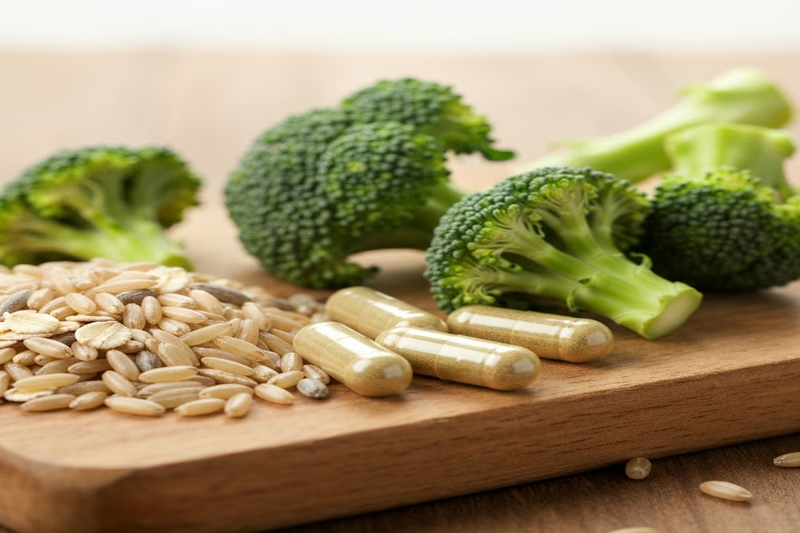
Broccoli contains sulforaphane, a compound that has shown remarkable effects on blood sugar in research. A 2017 study in Science Translational Medicine found that concentrated broccoli sprout extract reduced fasting blood glucose by 10% in people with type 2 diabetes. Broccoli is also one of the best food sources of chromium, a trace mineral essential for insulin function. Eating broccoli lightly steamed preserves more sulforaphane than boiling.
14. Olive Oil (Extra Virgin)
Extra virgin olive oil is a cornerstone of the Mediterranean diet, which consistently outperforms other dietary patterns for diabetes prevention. The polyphenols in olive oil — particularly oleocanthal and oleuropein — have anti-inflammatory effects that improve insulin sensitivity. A study in Annals of Internal Medicine found that participants following a Mediterranean diet with extra olive oil had a 40% lower risk of developing diabetes. Use it as your primary cooking oil and salad dressing.
15. Sweet Potatoes
Sweet potatoes may seem like an unlikely blood sugar food, but they have a significantly lower glycemic impact than white potatoes — especially when eaten with the skin on and prepared without excessive processing (baked rather than mashed or fried). They're rich in fiber, beta-carotene, and have a GI of about 44-61 depending on variety and preparation. The fiber and resistant starch content slow glucose release. They're a smart swap for anyone who loves potatoes but wants to keep blood sugar in check.
How to Build Blood-Sugar-Friendly Meals
Individual foods matter, but how you combine them matters even more. The most effective strategy for blood sugar management is to build every meal around three components: protein (at least 20-30 grams), healthy fat, and fiber. When carbohydrates are paired with protein and fat, the glucose spike is significantly blunted. Some practical tips: eat your vegetables and protein before your carbohydrates (studies show this ordering alone can reduce glucose spikes by 30-40%), never eat refined carbohydrates on their own, and take a 10-15 minute walk after meals — it's one of the simplest and most effective glucose-lowering strategies known.
Looking for Additional Blood Sugar Support?
Diet is the foundation, but some people benefit from targeted supplementation alongside their food choices. We've reviewed the top blood sugar support supplements to help you evaluate your options.
See Our Blood Sugar Supplement ReviewsThe Bottom Line
Managing blood sugar through food isn't about deprivation — it's about choosing foods that work with your metabolism instead of against it. The 15 foods on this list are all widely available, affordable, and genuinely enjoyable. You don't need to eat all of them every day. Start by adding 3-4 to your regular rotation and building from there. Combined with regular physical activity and adequate sleep, these dietary changes can produce meaningful improvements in fasting glucose, post-meal spikes, and overall metabolic health. Your blood sugar is the result of thousands of small daily decisions — every good one counts.
Looking for Blood Sugar supplements?
Our experts have reviewed and compared the top blood sugar supplements to help you find the right one.
See our expert comparisonFrequently Asked Questions
What is the single best food for lowering blood sugar?
There's no single 'magic' food, but if forced to choose one, leafy greens (especially spinach) would be a top pick. They're extremely low in carbohydrates, rich in magnesium (which directly supports insulin sensitivity), and you can eat virtually unlimited amounts without any blood sugar impact. They also pair well with everything and are easy to add to any meal.
Can I eat fruit if I have high blood sugar?
Yes, but choose wisely. Berries (blueberries, strawberries, raspberries) have the lowest glycemic impact among fruits due to their high fiber and polyphenol content. Whole citrus fruits, apples, and pears are also reasonable choices. Avoid fruit juice (which strips out the fiber), dried fruit (concentrated sugar), and very ripe bananas. Always pair fruit with protein or fat — like berries with Greek yogurt or apple slices with almond butter.
How quickly can dietary changes lower blood sugar?
Some effects are almost immediate. Changing what you eat at a single meal can reduce your post-meal glucose spike by 30-40%, especially if you prioritize protein and fiber before carbohydrates. Fasting blood sugar and HbA1c take longer — most people see measurable improvements in fasting glucose within 2-4 weeks and in HbA1c within 2-3 months of consistent dietary changes.
Is the glycemic index reliable for choosing foods?
It's a useful starting point, but it has limitations. The GI of a food changes depending on ripeness, cooking method, and what you eat it with. A baked potato has a high GI, but eating it with butter and protein significantly reduces the actual blood sugar impact. Glycemic load is more practical because it accounts for real serving sizes. The best approach is to focus on whole, minimally processed foods with plenty of fiber, protein, and healthy fats — this naturally keeps glycemic load low without having to memorize numbers.
Get honest health tips & reviews
Join our newsletter for science-backed supplement reviews and wellness advice.
No spam. Unsubscribe anytime.