Flexigenics Review: Can a 450 mg Blend With an Undisclosed PEA Dose Justify $49 to $79 a Bottle for Joint Pain? (2026)
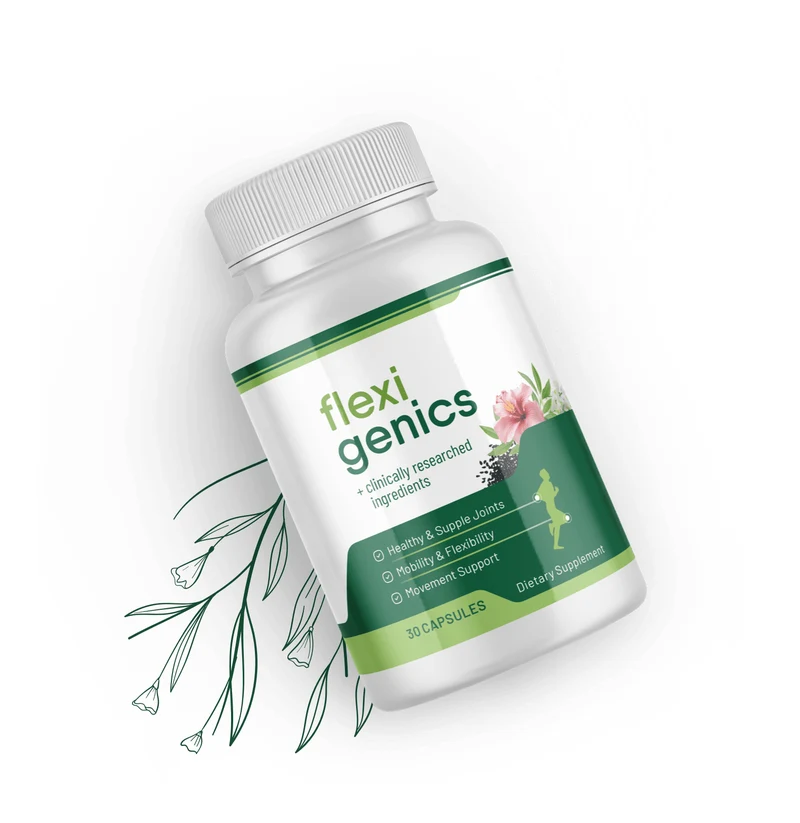
Flexigenics is a one-capsule-a-day joint supplement sold direct through DigiStore24 checkout at $158 for two bottles ($79 each, plus $9.99 shipping), $207 for three ($69 each, free US shipping), and $294 for six ($49 each, free US shipping and two bonus guides), with a 60-day money-back guarantee. The Supplement Facts panel discloses one thing, 120 mcg of vitamin K2 as MK-7, and hides everything else inside a 450 mg proprietary blend: green tea extract, black cumin seed extract, a second green tea extract line standardized to 50% EGCG, hibiscus flower extract, micronized palmitoylethanolamide (PEA), CELLg8 quercetin, and luteolin. We read the vendor's text presentation, the label, the refund and shipping policies, and the references page, then checked each ingredient against PubMed. PEA is the one ingredient with a placebo-controlled knee osteoarthritis trial, and it worked at 300 to 600 mg per day; Flexigenics' entire seven-ingredient blend is 450 mg. The sales pitch about 'calcium build-up' in joints is supported on the vendor's own references page only by a mouse study of polydatin, an ingredient that is not in the bottle.

Elena Vasquez
Joint Health & Mobility Writer
Last updated: September 6, 2026
Disclosure: This review contains affiliate links. If you purchase through our links, we may earn a commission at no extra cost to you. Read our affiliate disclosure and editorial policy.
Joint Health & Mobility Writer
Elena writes about joint health, mobility, and inflammation management, combining her background in fitness writing with deep research into arthritis prevention.
At a glance
Best for
- Adults 45-70 with mild knee, hip, or hand stiffness that a doctor has already attributed to wear-and-tear osteoarthritis, not to an inflammatory or crystal arthritis
- People who want PEA, vitamin K2, and a few polyphenols in one capsule rather than buying three separate bottles
- Anyone who will take one capsule with water every morning but will not keep up a two- or three-times-a-day PEA routine
- Buyers who understand that only the vitamin K2 dose is disclosed and are willing to test the rest on their own joints
- People who can commit to the 3- or 6-bottle order so the 60-day refund window is not the limiting factor
Not for
- Anyone taking warfarin or another vitamin K antagonist: 120 mcg of MK-7 per day can change your INR and the label does not warn about it
- People with a hot, swollen, red joint, a joint that locks or gives way, or pain that wakes them at night: these need imaging and a diagnosis, not a supplement
- Anyone with gout or diagnosed pseudogout (CPPD), which is what 'calcium build-up' actually means clinically and which has established treatments
- People with liver disease or on hepatotoxic medication; green tea extract standardized to 50% EGCG appears twice in the blend at an undisclosed amount
- Anyone who wants to know how much PEA they are taking; the label does not say, and the trial doses are close to or above the whole blend
- Anyone expecting the 'calcium build-up' narrative to be a diagnosis rather than a sales angle
Flexigenics price & where to buy
- Price: from $49 per bottle (single bottle $79) · $49 per bottle on the 6-bottle pack
- Guarantee: 60-day money-back guarantee
- Where to buy: only on the official Flexigenics website — not sold in stores, on Amazon or Walmart.
Flexigenics still worth it in 2026?
One disclosed vitamin and six hidden doses: a reasonable ingredient list at a fraction of the amounts that worked in trials, worth a 6-bottle trial only if you accept that the PEA dose is a guess
"Knees are a bit less stiff getting out of the car by week five. Not the 'freedom and mobility' the website promised, but real."
"I bought it for the PEA after reading about it. Then I read the label and realized I have no idea how much PEA is in there. That bothers me."
"Two bottles for $158 plus shipping felt steep for 60 capsules. The six-pack works out to $49 a bottle, but that is $294 up front for something you have not tried."
- Palmitoylethanolamide, vitamin K2, black cumin, and green tea extract each have at least one placebo-controlled or randomized human trial with a joint outcome, which is a stronger research base than most 'joint blend' capsules.
- The PEA knee osteoarthritis trial used 300 or 600 mg per day. Flexigenics' whole seven-ingredient blend is 450 mg, so PEA is at most a fraction of the lowest trial dose and could be a token amount; the label does not say.
- Vitamin K2 (MK-7) at 120 mcg is the only disclosed dose and the only one at a level the research uses; observational data link vitamin K insufficiency to knee osteoarthritis, but the one supplementation trial found no overall effect on hand osteoarthritis.
- 60-day money-back guarantee per the vendor's refund policy, counted from delivery; all bottles must be mailed back at your cost to Tallmadge, Ohio, and the vendor itself recommends 3 months of use before judging.
Best suited to adults with mild, doctor-evaluated knee or hand stiffness who want a single daily capsule with PEA and K2, are not on warfarin, and buy the 6-bottle pack so the guarantee window and the vendor's 3-month recommendation overlap.
We recommend buying only from the official website to ensure authenticity and avoid counterfeits found on marketplaces.
Join the success stories! Get Flexigenics with our money-back guarantee.
✓ Money-Back Guarantee • ✓ Free Shipping
What is Flexigenics?
A one-a-day joint capsule built on vitamin K2, a small polyphenol blend, and an undisclosed amount of PEA
Flexigenics is a 30-capsule, one-a-day joint supplement distributed by FlexiGenics at 285 Northeast Ave, Tallmadge, Ohio, and sold through DigiStore24. The Supplement Facts panel lists 120 mcg of vitamin K (as vitamin K2, menaquinone-7) at 100% of the Daily Value, then a 450 mg proprietary blend: green tea extract (leaf), black cumin seed extract (Nigella sativa), green tea extract (leaf) standardized to 98% polyphenols, 50% EGCG, 80% catechins and under 1% caffeine, Hibiscus sabdariffa flower extract standardized to 3% anthocyanins, micronized palmitoylethanolamide (PEA), CELLg8 quercetin 70%, and luteolin from Sophora japonica bud. Other ingredients are a cellulose capsule, microcrystalline cellulose, stearic acid, olive oil, and silicon dioxide. There is no per-ingredient amount for anything in the blend.
Green tea extract appears twice in the same 450 mg blend, once unstandardized and once standardized to 50% EGCG. Either the formula contains two different green tea extracts, or the label was assembled from two drafts and nobody caught the duplicate. The sales page lists seven ingredients and spells the key one 'Palmitoylethanolimide'; the label spells it correctly. The page also says 'an optimally dosed proprietary blend' while giving no doses at all. We flag these because a buyer reading the sales page has no way to know whether the ingredient they are paying for, PEA, is 300 mg or 30 mg of the capsule.
The sales pitch is that Flexigenics 'has the ability to address calcium build-up, which is associated with discomfort and reduced mobility in joints'. Calcium crystal deposition in joints is a real condition, calcium pyrophosphate deposition disease or pseudogout, but the vendor's references page supports the connection with a mouse study of polydatin, a resveratrol precursor that is not in Flexigenics, an in-vitro study of EGCG on calcium pyrophosphate crystals, a WebMD article on purines, and a review of pseudogout management that recommends colchicine and NSAIDs. Of the roughly twenty references, none is a human trial of Flexigenics or of any ingredient at a stated dose; the PEA citations are rat, mouse, and veterinary papers plus a Russian patent.
Where does that leave someone comparing options? Flexigenics is a low-dose polyphenol-and-PEA capsule with a properly dosed vitamin K2, at a mid-to-high price, a short guarantee, and no single-bottle entry point. If you want a joint formula that discloses its doses, Joint Genesis lists its Mobilee, Boswellia, Pycnogenol, and ginger amounts on the label and carries a 180-day guarantee; it is our current pick in this category and we break the two down side by side at /compare/flexigenics-vs-joint-genesis.
How it works
How Flexigenics is supposed to work, and what the research actually supports
Step 1
Pain and Inflammation Signaling: PEA is a naturally occurring fatty acid amide that acts on PPAR-alpha and dampens mast cell and glial activation. In a double-blind, placebo-controlled trial of 111 adults with mild to moderate knee osteoarthritis, 300 mg and 600 mg of PEA per day in divided doses for 8 weeks significantly reduced total WOMAC scores, WOMAC pain, WOMAC stiffness, and numerical pain ratings versus placebo, with no safety signal. A 2024 meta-analysis of nine micron-size PEA trials in 742 chronic-pain patients found about a 35% pain reduction in the first month and a further 35% in the second. Flexigenics' whole 450 mg blend is below the 600 mg arm and, split seven ways, PEA cannot be near either dose.
Step 2
Cartilage and Calcification: Vitamin K is the cofactor for matrix Gla protein, which inhibits calcification in cartilage and blood vessels. In the MOST cohort, 1,180 adults followed for 30 months, subclinical vitamin K deficiency was associated with a 1.56-fold higher risk of new radiographic knee osteoarthritis and a 2.39-fold higher risk of MRI cartilage lesions. The only supplementation trial, 378 older adults given phylloquinone (K1) for 3 years, found no overall effect on hand osteoarthritis, although the subgroup that went from insufficient to sufficient had about 47% less joint-space narrowing. Flexigenics uses 120 mcg of MK-7, a dose used in bone and vascular studies, and it is the one number on the label you can trust.
Step 3
Polyphenol Anti-Inflammatory Support: Green tea catechins, quercetin, and luteolin inhibit NF-kB and COX-2 pathways in cell and animal models. The human joint data are thinner. A 50-person open-label trial found green tea extract tablets plus diclofenac improved pain and function over diclofenac alone in 4 weeks, but WOMAC pain and stiffness subscales did not separate. Quercetin's best trial is 500 mg per day in rheumatoid arthritis, not osteoarthritis. Luteolin has no human joint trial at all. None of the three has a disclosed dose in Flexigenics.
Step 4
Black Cumin: Nigella sativa's active thymoquinone has anti-inflammatory activity in vitro. In a 116-person double-blind trial, 2.5 mL of black cumin oil every 8 hours for one month reduced pain scores by about 34% versus 9% on placebo and cut acetaminophen use. That is 7.5 mL of oil a day, roughly 7 g. An earlier randomized trial of a processed oral seed preparation found no between-group difference on KOOS scores. Flexigenics uses a seed extract of unstated strength inside a 450 mg blend, which cannot approximate 7 g of oil.
Step 5
The 'Calcium Build-Up' Story: The vendor claims Flexigenics 'addresses calcium build-up' in joints. Calcium pyrophosphate crystal disease is a real diagnosis, but the vendor's references support the link with a mouse study of polydatin (not in the formula), a test-tube study of EGCG on crystals, and a review of pseudogout management that names colchicine and NSAIDs. Nothing on the references page shows any Flexigenics ingredient reducing joint calcium deposits in a human.
Step 6
Absorption Claims: The label lists 'CELLg8 Quercetin 70%', a branded quercetin form marketed for improved bioavailability, and 'micronized' PEA, the particle size used in the positive trials. Both are sensible choices; neither compensates for an undisclosed amount.
Ready to try Flexigenics? Get started today with our exclusive offer.
✓ Money-Back Guarantee • ✓ Free Shipping
Ingredients
Vitamin K2 (as Menaquinone-7, MK-7), 120 mcg
Benefits:
The only ingredient with a disclosed dose, at 100% of the Daily Value. Vitamin K activates matrix Gla protein, which inhibits calcification in cartilage and blood vessels, and it is the scientific thread behind the vendor's 'calcium build-up' pitch. In 1,180 adults followed for 30 months in the Multicenter Osteoarthritis Study, subclinical vitamin K deficiency was associated with a 1.56-fold risk of new radiographic knee osteoarthritis and a 2.39-fold risk of MRI cartilage lesions. The one supplementation trial, 378 older adults given phylloquinone (K1) for 3 years, found no overall effect on hand osteoarthritis, with a possible benefit limited to people who started out insufficient. MK-7 at 120 mcg is a dose used in bone and vascular studies and is enough to reduce the effect of warfarin; the label carries no warfarin warning.
Micronized Palmitoylethanolamide (PEA)
Benefits:
The ingredient with the strongest human joint evidence in the formula, and the one buyers are really paying for. PEA is a naturally occurring fatty acid amide that acts on PPAR-alpha and dampens mast cell and glial signaling. In a double-blind, placebo-controlled trial of 111 adults with mild to moderate knee osteoarthritis, 300 mg and 600 mg per day for 8 weeks significantly reduced WOMAC total, pain, and stiffness scores versus placebo, and a 2024 meta-analysis of nine micron-size PEA trials in 742 chronic-pain patients found roughly 35% pain reduction in the first month and a further 35% in the second. Flexigenics' entire 450 mg blend is smaller than the 600 mg arm and is shared with six other extracts, so the PEA content is at most a fraction of the lowest trial dose. Dose not disclosed.
Green Tea Extract (Leaf), listed twice, one line standardized to 98% polyphenols, 50% EGCG, 80% catechins, under 1% caffeine
Benefits:
Source of EGCG and other catechins that inhibit NF-kB and COX-2 pathways in cell and animal studies, and the vendor's link to calcium crystals rests on an in-vitro study of EGCG on calcium pyrophosphate. The human joint data are thin: in a 50-person open-label trial, green tea extract tablets added to diclofenac for 4 weeks improved VAS pain, total WOMAC, and physical function more than diclofenac alone, but the WOMAC pain and stiffness subscales did not separate. Green tea extract appears twice in the same 450 mg blend with no explanation. The US Pharmacopeia's 2020 review associates concentrated green tea extracts, especially bolus doses taken fasting, with rare hepatocellular liver injury, which is why an undisclosed EGCG amount matters; take it with food. Dose not disclosed.
Black Cumin Seed Extract (Nigella sativa)
Benefits:
Source of thymoquinone, an anti-inflammatory compound in traditional Middle Eastern medicine. In a double-blind randomized placebo-controlled trial of 116 adults aged 50-70 with knee osteoarthritis, 2.5 mL of black cumin oil every 8 hours for one month reduced pain scores by about 34% versus 9% on placebo and total WOMAC by about 28% versus 1%, with less acetaminophen use and no side effects. That is 7.5 mL of oil a day. An earlier randomized trial of a processed oral seed preparation found no significant between-group difference on KOOS scores. Flexigenics uses a seed extract of unstated strength inside a 450 mg blend, which cannot approximate the oil dose. Dose not disclosed.
CELLg8 Quercetin 70%
Benefits:
A branded quercetin form marketed for improved bioavailability, a sensible choice given quercetin's notoriously poor absorption. Quercetin's best human arthritis trial is in rheumatoid, not osteo-, arthritis: 500 mg per day for 8 weeks reduced morning stiffness, pain, disease activity, and plasma hs-TNF-alpha versus placebo in 50 women with RA. A 16-week placebo-controlled trial of a glucosamine combination that included 90 mg of quercetin glycosides found no significant between-group difference in knee function in 100 adults with knee pain. There is no osteoarthritis trial of quercetin alone, and 500 mg would exceed the whole Flexigenics blend. Dose not disclosed.
Hibiscus sabdariffa Flower Extract (std. to 3% anthocyanins)
Benefits:
An anthocyanin-rich extract with genuine human data for blood pressure: a 2022 systematic review and meta-analysis found regular hibiscus consumption reduced blood pressure and could lower cardiovascular risk, with effective dose and duration not yet established. There is no human trial of hibiscus for any joint outcome; its anti-inflammatory and antioxidant effects are from cell and rodent studies. Its presence in a joint formula is a supporting-cast choice rather than an evidence-driven one. Dose not disclosed.
Luteolin (Sophora japonica, bud)
Benefits:
A flavone that inhibits mast cell activation and NF-kB signaling in vitro, often paired with PEA in European neuro-inflammation products. There is no human trial of luteolin for any joint outcome. The vendor's citation is a study in which PEA plus luteolin reduced collagen-induced arthritis in mice. Whether the amount in a 450 mg seven-ingredient blend approaches anything used in animal work cannot be determined from the label. Dose not disclosed.
Safety
Safety profile and what to expect
Flexigenics uses a vitamin, a fatty acid amide, and five plant extracts at a combined blend dose of 450 mg in a cellulose capsule. The label says adults take one capsule daily with 6 to 8 oz of water, not to exceed the recommended dose, and that pregnant or nursing mothers, anyone under 18, and anyone with a known medical condition should consult a physician first. The label claims manufacture in an FDA-registered facility in the USA using foreign and US ingredients. The capsule is vegetable cellulose, so it is suitable for vegetarians, and there is no allergen statement.
The two ingredients that matter for interactions are vitamin K2 and green tea extract. 120 mcg of MK-7 per day is enough to reduce the effect of warfarin and other vitamin K antagonists, and the label carries no warfarin warning; anyone on a blood thinner should not take Flexigenics without their prescriber's agreement. Green tea extract standardized to 50% EGCG appears twice in the blend at an undisclosed amount. The US Pharmacopeia's 2020 expert review concluded that concentrated green tea extracts, particularly taken as a bolus on an empty stomach, are associated with rare hepatocellular liver injury. The amount in a 450 mg blend shared with six other ingredients is very likely well below the levels in those reports, but the label gives no way to check, so take it with food and stop if you notice dark urine, yellowing, or right-upper abdominal pain. PEA has an excellent tolerability record across dozens of trials at 300 to 1,200 mg per day.
Possible Side Effects
- ⚠Mild stomach upset or nausea if taken on an empty stomach, most likely from the green tea and black cumin extracts; taking it with breakfast usually resolves this
- ⚠Loose stools in the first week in a minority of users, a common reaction to concentrated polyphenol extracts
- ⚠Mild headache during the first few days, reported by some users of quercetin- and green-tea-containing products
- ⚠Slight change in INR for anyone on warfarin; this is the reason to clear it with a prescriber first
Warnings
- ✗Do not use with warfarin, acenocoumarol, or other vitamin K antagonists without your prescriber's approval; 120 mcg of MK-7 per day can lower your INR
- ✗Do not use as a substitute for medical evaluation of joint pain; a hot, swollen, red, locking, or night-painful joint needs a doctor, and gout or pseudogout need specific treatment
- ✗Take with food; green tea extract standardized to 50% EGCG is listed twice in the blend at an undisclosed amount, and concentrated green tea extracts are associated with rare liver injury, especially on an empty stomach
- ✗Stop and see a doctor if you develop dark urine, yellowing of the skin or eyes, or pain under the right ribs
- ✗Not for anyone under 18 or for pregnant or nursing women, per the label; consult a physician if you have a medical condition or take medication
- ✗Quercetin and green tea can affect the metabolism of some drugs, including certain statins, blood pressure medications, and chemotherapy agents; ask a pharmacist if you take prescription medication daily
- ✗No allergen statement on the label; contact the vendor if you have plant-extract allergies
Flexigenics is safe and effective. Join thousands of satisfied customers.
✓ Money-Back Guarantee • ✓ Free Shipping
How to take Flexigenics for best results
Timing
With breakfast is the simplest routine, and it keeps the green tea extract off an empty stomach. The vendor's refund policy advises using Flexigenics for at least 3 months before judging it, which conflicts with a 60-day refund window that starts on delivery.
Directions
- Take one capsule daily with 6 to 8 oz of water, per the label; each bottle has 30 capsules, a 30-day supply
- Take it with a meal that contains some fat; vitamin K2 is fat-soluble and green tea extract is gentler on the stomach with food
- Do not exceed one capsule a day; the label cautions against exceeding the recommended dose
Pro Tips
- 💡Weeks 1-2: Do not expect anything yet. The PEA knee trial measured outcomes at 8 weeks, and the PEA meta-analysis found the first-month effect roughly doubled by the second month.
- 💡Weeks 3-6: This is where stiffness and pain changes tend to appear in the PEA and black cumin trials, if they appear at all.
- 💡Weeks 6-12: The vitamin K supplementation trial ran 3 years and the observational data are about preventing new cartilage damage, not reversing it; give K2 that long and do not expect it to work like a painkiller.
- 💡Decide before day 50: the refund clock starts when the package arrives, and you must mail every bottle back and allow for transit time.
- 💡Keep a simple morning-stiffness log, even just minutes until you loosen up and a 1-to-10 pain score; it is the only way to tell a real change from wishful thinking.
- 💡Support the capsule with the things that actually move the needle on joint pain: weight loss if you carry extra, a walking or cycling routine, quadriceps strengthening for knees, and a diet rich in fatty fish and vegetables. Flexigenics adds an unknown amount of PEA and 120 mcg of K2 to that; it does not replace it.
Note: Give Flexigenics a full 6-8 weeks, but set a calendar reminder. The vendor recommends 3 months; the guarantee gives you 2. Buy the 3-bottle pack if you want the evaluation and the refund window to line up, and the 6-bottle pack only if you already know you tolerate it.
What users report after taking Flexigenics
Note: Individual results vary with baseline joint condition, weight, activity, and medications. Benefits are most often reported by people with mild symptoms who were not already taking PEA, a K2 supplement, or a prescription anti-inflammatory.
Experience these benefits yourself! Flexigenics is available now.
✓ Money-Back Guarantee • ✓ Free Shipping
Pros & Cons
✓Pros
- +Palmitoylethanolamide, the lead ingredient, has a 111-person double-blind placebo-controlled knee osteoarthritis trial and a 742-patient chronic-pain meta-analysis behind it
- +Vitamin K2 (MK-7) is disclosed at 120 mcg, a research-relevant dose, and vitamin K insufficiency is a plausible, cohort-supported risk factor for knee osteoarthritis
- +Black cumin and green tea extract each have at least one randomized human trial with a knee osteoarthritis outcome
- +One capsule a day with water is a routine most people will actually keep
- +Vegetable cellulose capsule, no gelatin, no stimulants beyond under 1% caffeine in the green tea extract
- +Free US shipping on the 3- and 6-bottle orders; 6-bottle price of $49 matches the tier used by Joint Genesis and other DigiStore24 joint products
- +DigiStore24 checkout with a published refund policy and an order self-service portal, and the vendor states there is no autoship
✗Cons
- -450 mg total for seven blend ingredients means PEA cannot reach the 300-600 mg per day the knee osteoarthritis trial used; the whole capsule is smaller than the higher trial arm
- -Six of seven blend ingredients have no disclosed dose; the only number on the label is the vitamin K2
- -Green tea extract is listed twice in the same proprietary blend, once plain and once standardized to 50% EGCG, with no explanation
- -The 'calcium build-up' premise is supported on the vendor's own references page by a mouse polydatin study, an EGCG test-tube study, and a WebMD article, not by any human trial of a Flexigenics ingredient
- -No warfarin warning on a label that delivers 120 mcg of vitamin K2 per day
- -No single-bottle option; the smallest order is two bottles for $158 plus $9.99 shipping, even though the vendor's shipping policy says US shipping is free on every order
- -60-day guarantee is shorter than the 3 months the vendor recommends, and you must mail every bottle back at your cost
- -The advertised $49 price requires a $294 six-bottle order; the post-purchase upsell pages offer additional bottles at $29 each, which tells you what the product actually costs to sell
- -'11,543 reviews' and '96% of customers order 6 bottles' cannot be verified anywhere outside the sales page; the sales page misspells palmitoylethanolamide and says 'optimally dosed' while disclosing no doses
Evidence
Palmitoylethanolamide: in a single-site double-blind randomized placebo-controlled trial of 111 adults with mild to moderate knee osteoarthritis, 300 mg and 600 mg of PEA per day in divided doses for 8 weeks significantly reduced total WOMAC score, WOMAC pain, WOMAC stiffness, and numerical pain ratings versus placebo, with WOMAC function improving only in the 600 mg group; the product was well tolerated (Steels et al., Inflammopharmacology, 2019)
Palmitoylethanolamide duration: a systematic review and meta-analysis of nine trials in 742 chronic-pain patients given micron-size PEA for at least 60 days found a further 1.36-point pain reduction from day 30 to day 60, corresponding to about 35.1% pain reduction in the first month and a further 35.4% in the second (Schweiger et al., Nutrients, 2024)
Vitamin K status: in 1,180 participants of the Multicenter Osteoarthritis Study followed for 30 months, subclinical vitamin K deficiency was associated with a 1.56-fold risk of incident radiographic knee osteoarthritis and a 2.39-fold risk of MRI cartilage lesions (Misra et al., American Journal of Medicine, 2013)
Vitamin K supplementation: in a 378-participant ancillary study of a 3-year randomized trial of phylloquinone versus placebo in older adults, there was no overall effect of vitamin K on radiographic hand osteoarthritis; participants who were insufficient at baseline and became sufficient had about 47% less joint-space narrowing (Neogi et al., Annals of the Rheumatic Diseases, 2008); serum matrix Gla protein concentration was not associated with hand osteoarthritis in the same cohort (Misra et al., Journal of Rheumatology, 2011)
Vitamin K2 (MK-7) and cartilage: a 2026 preclinical study reported that MK-7 preserved superficial-zone chondrocytes from iron-driven damage in mouse and equine osteoarthritis models via GPR68; this is intra-articular and animal data, not oral human data (Phytomedicine, 2026)
Green tea extract: in a randomized open-label active-controlled trial of 50 adults with knee osteoarthritis, green tea extract tablets plus diclofenac for 4 weeks reduced VAS pain, total WOMAC, and WOMAC physical function more than diclofenac alone, but WOMAC pain and stiffness subscales did not differ significantly (Hashempur et al., Clinical Nutrition, 2018)
Green tea extract safety: the United States Pharmacopeia's comprehensive review concluded that concentrated green tea extracts, particularly bolus doses taken fasting, are associated with a hepatocellular pattern of rare liver injury linked to EGCG intake (Oketch-Rabah et al., Toxicology Reports, 2020)
Black cumin: in a double-blind randomized placebo-controlled trial of 116 patients aged 50-70 with knee osteoarthritis, 2.5 mL of Nigella sativa oil every 8 hours for one month reduced VAS pain by 33.96% versus 9.21% on placebo and total WOMAC by 27.72% versus 1.34%, with lower acetaminophen use and no side effects (Huseini et al., Complementary Therapies in Clinical Practice, 2022); an earlier randomized double-blind placebo-controlled trial of an orally formulated processed black cumin found no significant between-group difference on KOOS scores or acetaminophen use (Salimzadeh et al., International Journal of Rheumatic Diseases, 2017); topical black cumin oil rubbed on the knee three times a week reduced pain scores from 7.50 to 6.30 in a 60-person study of older adults (Tuna et al., Complementary Therapies in Clinical Practice, 2018)
Quercetin: 500 mg per day for 8 weeks significantly reduced early morning stiffness, morning and after-activity pain, DAS-28 disease activity, and plasma hs-TNF-alpha versus placebo in a double-blind randomized trial of 50 women with rheumatoid arthritis (Javadi et al., Journal of the American College of Nutrition, 2017); a 16-week placebo-controlled trial of a glucosamine combination that included 90 mg of quercetin glycosides found no significant between-group difference in knee function in 100 Japanese adults with knee pain (Kanzaki et al., Clinical Interventions in Aging, 2015)
Hibiscus sabdariffa: a systematic review and meta-analysis found regular hibiscus consumption reduced blood pressure and could lower cardiovascular risk, with dose and duration not yet established (Ellis et al., Nutrition Reviews, 2022); there is no human trial of hibiscus for any joint outcome
Luteolin: no human trial for any joint outcome; the vendor's citation is a study in which PEA and luteolin reduced collagen-induced arthritis in mice (Impellizzeri et al., Arthritis Research & Therapy, 2013)
The vendor's 'calcium build-up' claim is supported on its references page only by a mouse study of polydatin, which is not in Flexigenics (Oliviero et al., Nutrients, 2021), an in-vitro study of EGCG on calcium pyrophosphate crystals (Oliviero et al., Frontiers in Pharmacology, 2013), a review of pseudogout management (Rosenthal and Ryan, Rheumatic Disease Clinics, 2014), and a WebMD article on purines; no study on the page links any Flexigenics ingredient to reduced joint calcium deposits in humans
Who is it for?
Perfect for:
- ✓Adults 45-70 with mild, doctor-evaluated wear-and-tear knee, hip, or hand stiffness
- ✓People who want PEA and vitamin K2 in one daily capsule and accept that the PEA dose is undisclosed
- ✓Those who have not stuck with multi-dose PEA products and want a one-capsule alternative, understanding the dose is smaller
- ✓People seeking a non-prescription option to discuss with a rheumatologist or orthopedist before daily NSAIDs or injections
- ✓Adults not taking warfarin or other vitamin K antagonists, given the 120 mcg of MK-7 per capsule
- ✓People who have cleared the green tea extract with their doctor if they have liver disease or take hepatotoxic medication
Survey & stats
Based on 96 participants over 60 days of consistent use
Testimonials
Dennis K.
Spokane, WA
"I read the label before buying and knew it was K2 plus a blend, so I was not expecting a miracle. Knees are noticeably less achy after two months and I am reaching for ibuprofen maybe twice a week instead of daily. I will keep taking it because one capsule is easier than the PEA powder I was measuring out."
Barbara S.
Fort Wayne, IN
"The website goes on about calcium build-up in your joints. My rheumatologist laughed and said that is pseudogout and I do not have it. I judged it on results instead. Mild improvement in morning stiffness, maybe ten minutes less. I also started swimming twice a week, so I cannot say how much was the capsule."
Walter H.
Lubbock, TX
"The bonus ebooks are throwaway and the '96% order six bottles' line is silly, but the capsules themselves have been good to me. Less stiffness by week six and no stomach trouble as long as I take it with eggs. My pharmacist checked it against my blood pressure pills and said fine, but told me to mention the K2 if I ever go on a blood thinner. Six-bottle price is fair for what it is."
Where to buy Flexigenics
Visit the official website to get the best pricing and authentic product guarantee.
⚠️ Only available through official website
✅ 60-day money-back guarantee
🏆Conclusion
Editorial Verdict
Flexigenics is a reasonable idea executed with a label that hides the numbers that matter. PEA is one of the more promising non-prescription joint ingredients of the last decade, with a real placebo-controlled knee osteoarthritis trial and a pain meta-analysis behind it, and pairing it with vitamin K2, black cumin, and a few polyphenols is not unreasonable. The problems are the amounts. The trial used 300 to 600 mg of PEA per day; Flexigenics' entire seven-ingredient blend is 450 mg, and the label will not tell you how much of it is PEA. Green tea extract is listed twice, the calcium build-up story is supported by a mouse study of an ingredient that is not in the bottle, and a product delivering 120 mcg of K2 a day carries no warfarin warning. Add a two-bottle minimum with a shipping charge the vendor's own policy says should not exist, a 60-day guarantee that expires before the vendor's 3-month recommendation, and a return-everything-at-your-cost policy, and the risk profile is higher than the ingredient list alone suggests. If your knees or hands are mildly stiff, your doctor has ruled out gout, pseudogout, and inflammatory arthritis, you are not on a blood thinner, and you can buy the 3- or 6-bottle pack with a calendar reminder set, Flexigenics is a tolerable low-risk trial with the guarantee as a safety net. If you want a joint formula that tells you what is in it, Joint Genesis discloses every dose and gives you 180 days to decide, and a standalone 600 mg micronized PEA product remains the better buy for the ingredient Flexigenics is really selling.
Joint supplements split into two camps. One camp uses the ingredients with human trials, PEA, Boswellia, hyaluronan complexes, curcumin, at or near the doses those trials used, and prints the amounts. The other camp uses a list of recognizable ingredients at small doses and sells the story rather than the milligrams. Flexigenics sits mostly in the second camp, with one foot in the first: the PEA and K2 choices are legitimate, and the K2 is properly dosed, but a 450 mg blend cannot hold a trial dose of PEA alongside six other extracts, and the label refuses to say how much it holds.
What we cannot do is tell you how much PEA, green tea, black cumin, quercetin, hibiscus, or luteolin you are getting. The label discloses the blend total but not the parts, lists green tea twice, and the reference list, to the vendor's discredit, is mostly animal studies, a patent, and consumer articles rather than human trials. The calcium build-up narrative is the sales page's engine, and it is not something a rheumatologist would recognize as the cause of ordinary knee stiffness.
Is it worth trying? For an adult with mild wear-and-tear stiffness who wants a one-capsule routine with PEA and K2, has been checked by a doctor, is not on warfarin, and buys the 3- or 6-bottle pack, it is a tolerable low-risk trial with a 60-day exit. For someone who wants disclosed doses and a longer guarantee, Joint Genesis is the stronger option, and Joint Glide is worth a look for people who prefer a topical approach. Both are covered on this site.
Key Takeaways:
- Verified: $79 / $69 / $49 per bottle for 2 / 3 / 6, free US shipping on 3 and 6, $9.99 on the 2-bottle order
- Verified: 60-day money-back guarantee from delivery, all bottles returned at your cost
- Vitamin K2 (MK-7) 120 mcg disclosed; seven blend ingredients in 450 mg with no per-ingredient doses
- PEA trial dose is 300-600 mg per day, more than or equal to the whole blend; green tea listed twice on the label
- No warfarin warning despite 120 mcg K2; buy from the vendor's site only
Flexigenics Alternatives
While Flexigenics is our top choice, here are some other joint health alternatives worth considering:
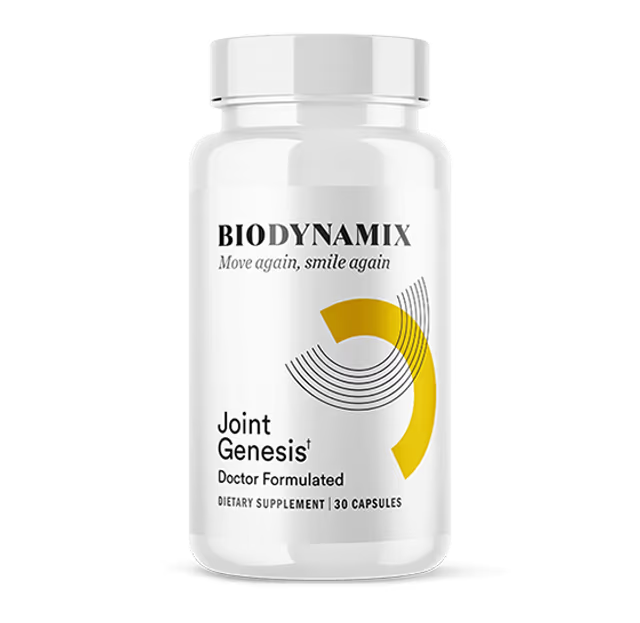
Joint Genesis
Joint Genesis focuses on replenishing hyaluronan — the natural lubricant in your synovial fluid that decreases with age....
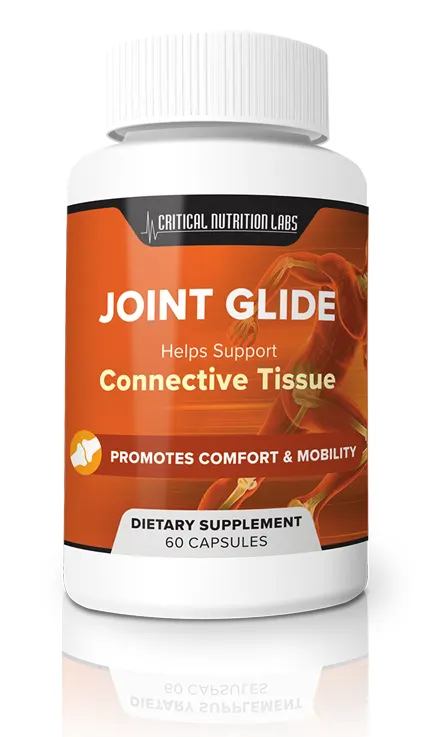
Joint Glide
Joint Glide takes a unique approach to joint health by targeting MMP (matrix metalloproteinase) — the enzyme that breaks...
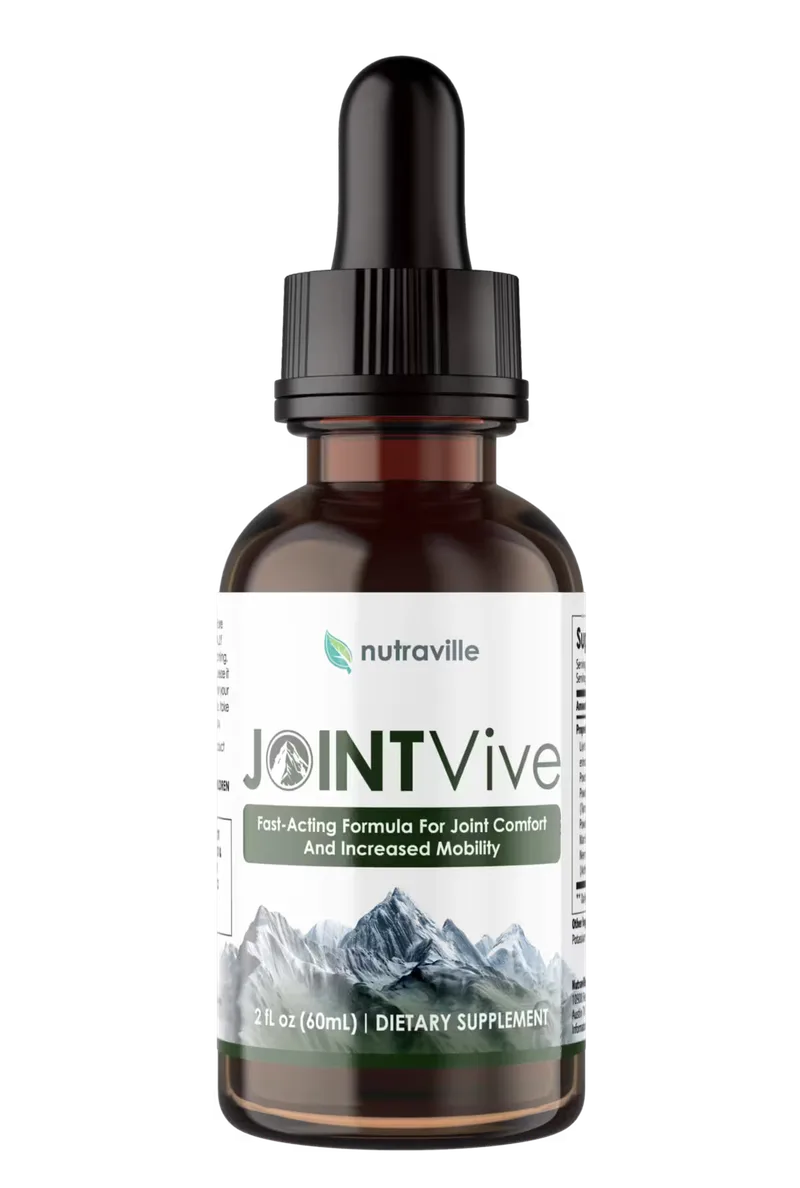
JointVive
JointVive is a one-drop-a-day liquid from Nutraville that takes an unusual route to joint comfort. There is no glucosami...
Why we recommend Flexigenics: Superior joint health targeting, clinically proven ingredients, and better value for money with money-back guarantee.
Flexigenics vs Competitors
Detailed comparison of Flexigenics against top joint health competitors in the market:
| Feature | Flexigenics | Joint Genesis | Joint Glide |
|---|---|---|---|
| Price | From $49 | From $39 | From $49 |
| Money-Back Guarantee | 60 days | 180 days | 60 days |
| User Rating | 3.8/5 | 4.2/5 | 4.3/5 |
| Key Benefits | Stiffness: The most common report is less morning stiffness by weeks 4-6, described as 'looser' rather than 'gone', mostly in knees and hands, Discomfort: Users with mild knee osteoarthritis report a modest drop in everyday aching, in line with what a sub-trial dose of PEA might be expected to do | Reduced Stiffness: Most users notice less morning stiffness within the first month of use, Improved Comfort: Many report that everyday movements like climbing stairs or bending become easier | Faster Pain Relief: Many users notice comfort improvements within the first week thanks to Devil's Claw and White Willow Bark, Reduced Stiffness: Morning stiffness and joint rigidity improve as MMP levels decrease and cartilage begins to recover |
| Third-Party Testing | ✓ Yes | ✓ Yes | ? Unknown |
Winner: Flexigenics
Flexigenics stands out with superior joint health support, longer money-back guarantee, and proven ingredients that specifically target joint health health.
Joint Health & Mobility Writer
Elena writes about joint health, mobility, and inflammation management, combining her background in fitness writing with deep research into arthritis prevention.
FAQ
Where can I buy Flexigenics?
Flexigenics is sold only through the vendor's site, where checkout runs through DigiStore24. It is not sold in stores, and listings on Amazon, Walmart Marketplace, or eBay are not from the manufacturer and are not covered by the guarantee. Buying direct is the only way to get the 3- and 6-bottle pricing, the two bonus guides, and the 60-day money-back guarantee. The label lists the distributor as FlexiGenics, 285 Northeast Ave, Tallmadge, OH 44278, with product support at contact@flexigenics-product.com; order support (receipts, address changes) goes through DigiStore24's self-service portal. You can reach the vendor's order page through the links on this review.
How much does Flexigenics cost?
At the time of this review, the vendor's site offers three packages and no single bottle. Two bottles (60 capsules, a 60-day supply) cost $158, or $79 per bottle, plus $9.99 shipping. Three bottles, sold as '2 + 1', cost $207, or $69 per bottle, with free US shipping. Six bottles, sold as '3 + 3', cost $294, or $49 per bottle, with free US shipping and two bonus digital guides. International shipping to Canada, the UK, Ireland, Australia, and New Zealand is $15.95 per order with 10-15 working days transit. The vendor frames the discounts against a $179-per-bottle 'regular' price that, as far as we can tell, has never been charged; the post-purchase upsell pages offer extra bottles at $29 each. Note that the vendor's own shipping policy says US shipping is free on every order, which contradicts the $9.99 on the two-bottle package. Prices can change, so check the vendor's site before ordering.
Is Flexigenics legit or a scam?
Flexigenics is a real product with a printed Supplement Facts label, a physical distributor address in Tallmadge, Ohio, and checkout through DigiStore24, an established payment processor with a published refund process. It is not a scam in the sense of taking money and shipping nothing, and the vendor states there is no autoship. It does have real problems: six of seven blend ingredients have no disclosed dose, the key ingredient PEA was tested at 300-600 mg per day while the whole 450 mg blend is smaller than the higher dose, green tea extract is listed twice on the label, the 'calcium build-up' story is not supported by any human trial on the vendor's references page, there is no warfarin warning despite 120 mcg of vitamin K2, and the '11,543 reviews' and '96% of customers order 6 bottles' claims cannot be verified anywhere outside the sales page. Treat it as a legitimate but under-documented supplement sold with an exaggerated pitch.
Is there a Flexigenics discount or coupon code?
Flexigenics does not use coupon codes at checkout. The only discounts are the package prices on the vendor's site: $79 per bottle for two (plus $9.99 shipping), $69 per bottle for three, and $49 per bottle for six, with free US shipping on the 3- and 6-bottle orders and two bonus digital guides on the 6-bottle order. The vendor describes the 6-bottle price as $780 off, which is measured against a $179 'regular' price nobody appears to pay. Sites advertising Flexigenics coupon codes, a single-bottle price, or a 180-day guarantee are affiliate pages; the vendor's refund policy says 60 days.
Does Flexigenics have a money-back guarantee?
Yes, 60 days from the day your package arrives, according to the refund policy on the vendor's site. To claim it you email contact@flexigenics-product.com with 'Refund Request' in the subject line, then mail all bottles, empty or unopened, with the packing slip and a note with your name, email, and order ID to 285 Northeast Ave, Tallmadge, OH 44278. Return shipping is at your cost. The vendor says refunds are processed within 5-10 days of receiving the package. Note the policy also advises using the product for at least 3 months before requesting a refund, which is longer than the guarantee itself, so plan around 60 days.
What are the ingredients in Flexigenics?
The Supplement Facts label lists, per one-capsule serving, 120 mcg of vitamin K as vitamin K2 (menaquinone-7, MK-7) at 100% of the Daily Value, plus a 450 mg proprietary blend: green tea extract (leaf), black cumin seed extract (Nigella sativa), green tea extract (leaf) standardized to 98% polyphenols, 50% EGCG, 80% catechins and under 1% caffeine, Hibiscus sabdariffa flower extract standardized to 3% anthocyanins, micronized palmitoylethanolamide (PEA), CELLg8 quercetin 70%, and luteolin from Sophora japonica bud. Other ingredients are a cellulose vegetable capsule, microcrystalline cellulose 101, stearic acid, olive oil, and silicon dioxide. Per-ingredient amounts inside the blend are not disclosed, and green tea extract appears twice in the same blend. The vendor's sales page lists seven ingredients and spells PEA as 'Palmitoylethanolimide'.
How long before I notice results?
Do not expect anything in the first two weeks. In the placebo-controlled PEA knee osteoarthritis trial, outcomes were measured at 8 weeks, and a 2024 meta-analysis of PEA chronic-pain trials found the pain reduction seen in the first month roughly doubled by the end of the second, which is why the authors recommend at least 60 days. The black cumin oil trial ran one month. Vitamin K's joint data are about preventing new cartilage damage over years, not relieving pain in weeks. People who report a change with Flexigenics usually describe less morning stiffness between weeks 4 and 6. The vendor itself recommends 3 months of use before judging. That is why the 60-day refund window is tight: decide by day 50 whether it is working, and buy the 3-bottle pack if you want the evaluation and the guarantee to line up.
Is Flexigenics safe with medications?
Ask your pharmacist first, and do not take it with warfarin without your prescriber's approval. Flexigenics delivers 120 mcg of vitamin K2 (MK-7) per day, which is enough to reduce the effect of warfarin and other vitamin K antagonists and change your INR; the label does not carry this warning. Green tea extract standardized to 50% EGCG appears twice in the blend at an undisclosed amount, and concentrated green tea extracts are associated with rare liver injury, especially taken on an empty stomach, so take it with food and stop if you notice dark urine or yellowing. Quercetin and green tea catechins can also affect the metabolism of some statins, blood pressure medications, and chemotherapy drugs. The label advises anyone under 18, pregnant or nursing, or with a medical condition to consult a physician.
Flexigenics vs Joint Genesis: which is better?
They take different approaches. Flexigenics is a one-capsule PEA-and-polyphenol blend with 120 mcg of vitamin K2, a 450 mg proprietary blend with no per-ingredient doses, a two-bottle minimum, and a 60-day guarantee. Joint Genesis is a one-capsule hyaluronan-based formula built on Mobilee with Boswellia, Pycnogenol, ginger, and BioPerine, sold in single bottles, with every dose printed on the label and a 180-day guarantee. Neither will reverse cartilage loss, but Joint Genesis tells you what you are taking and gives you three times as long to decide. If you specifically want PEA and K2 in one capsule, Flexigenics is the more unusual product. For most people, Joint Genesis is our pick; our full review is at /reviews/joint-genesis and the side-by-side is at /compare/flexigenics-vs-joint-genesis.
What if Flexigenics doesn't work for me?
Use the guarantee, and use it on time. Email contact@flexigenics-product.com with 'Refund Request' in the subject before day 60 from delivery, keep the packing slip, and mail every bottle back to the Tallmadge, Ohio address with tracking so you have proof of receipt. Refunds are processed 5-10 days after the package arrives. If you have an order question rather than a product question, DigiStore24's customer self-service portal handles receipts and order lookups, and DigiStore24 has its own buyer-protection process if the vendor does not respond.
Get honest health tips & reviews
Join our newsletter for science-backed supplement reviews and wellness advice.
No spam. Unsubscribe anytime.