
If you've been reading about leaky gut, you've probably seen probiotics for leaky gut pitched as the obvious fix. The reality is more nuanced. Certain probiotic strains can influence the gut barrier in measurable ways, but the strength of that evidence depends heavily on which strain you're talking about, and many of the most cited studies were done in lab dishes, in animals, or in small groups of people. This guide walks through what has actually been shown, where L-glutamine fits in, which other supports have real data, and how to put it all together in a realistic eight-week plan.
What You'll Learn
- What the gut barrier is and what "leaky gut" really means
- How probiotics may strengthen tight junctions, mucus, and short-chain fatty acids
- Which strains have human evidence for barrier function, and which mostly have animal data
- What L-glutamine studies show, including the doses researchers used
- Other supports with evidence: zinc carnosine, butyrate, fiber, polyphenols
- Habits that quietly undermine the gut lining
- A practical 8-week protocol: probiotic, glutamine, diet, and sleep
- When to talk with a doctor before starting
A Quick Recap: What Leaky Gut Actually Is
Your small intestine is lined by a single layer of cells. Those cells are sealed to one another by protein complexes called tight junctions. The lining also has a mucus coat on top of it and a large population of immune cells just beneath it. Together, these layers make up the gut barrier. Its job is to let nutrients and water in while keeping bacteria, bacterial fragments, and partly digested food out of the bloodstream.
When tight junctions loosen or the mucus layer thins, the barrier becomes more permeable than it should be. Researchers call this increased intestinal permeability. A widely cited 2014 review by Bischoff and colleagues in BMC Gastroenterology summarized the evidence and concluded that the intestinal barrier is a legitimate target for prevention and therapy, while also noting that terms like "leaky gut" are poorly defined and their clinical importance is not yet settled. That balanced framing is worth keeping in mind as we go through the supplement evidence.
New to the topic?
We cover the symptoms, the most common causes, and the testing question in a separate guide. If you're not sure whether increased permeability applies to you, start there before choosing a supplement.
Read: leaky gut symptoms and causesHow Probiotics for Leaky Gut Are Supposed to Work
Probiotics don't patch the gut lining the way a bandage covers a cut. Instead, research points to several indirect routes through which beneficial bacteria can support barrier function.
- Tight junction proteins — Certain bacteria signal intestinal cells to produce or reposition proteins such as zonula occludens-1 (ZO-1), occludin, and claudins. These proteins form the physical seal between cells.
- Mucus production — Some strains encourage goblet cells to secrete more mucin, thickening the protective layer that sits between bacteria and the lining.
- Short-chain fatty acids — When gut bacteria ferment fiber, they produce butyrate, propionate, and acetate. Butyrate is the main fuel for the cells lining the colon and helps regulate tight junction assembly.
- Zonulin regulation — Zonulin is a protein that signals tight junctions to open. Elevated zonulin is used as a rough marker of a more permeable gut, and some probiotic trials have measured it directly.
One of the more compelling human studies on this mechanism was published in 2010 by Karczewski and colleagues in the American Journal of Physiology-Gastrointestinal and Liver Physiology. Healthy volunteers received Lactobacillus plantarum (strain WCFS1) directly into the small intestine for six hours, then had tissue samples taken. The researchers found significantly more ZO-1 and occludin located at the tight junctions after the probiotic compared with placebo. It was a short, mechanistic study rather than a symptom trial, but it showed the effect happens in living human tissue.
Probiotic Strains Studied for Barrier Function
Here's the honest picture: probiotic effects are strain-specific, and the human evidence varies dramatically. For most strains, the barrier data come from cell cultures and animal models. A handful of human trials exist, and they tend to be small. That doesn't make probiotics useless here; it means you should choose based on what has actually been studied and keep expectations grounded.
Lactobacillus plantarum
As described above, L. plantarum WCFS1 is the strain with the clearest human tight-junction data. The strain most people find in stores, L. plantarum 299v, is a different strain of the same species. Its human trials have mostly focused on IBS symptoms such as bloating and abdominal pain rather than direct barrier markers. Different strains of the same species can behave differently, so it's a stretch to assume the WCFS1 findings automatically apply to 299v. Still, L. plantarum as a species has more supportive evidence here than most.
Lactobacillus rhamnosus GG
LGG is one of the most researched probiotic strains in the world, but most of that research concerns diarrhea, antibiotic side effects, and immune outcomes. For barrier function specifically, the evidence comes mostly from cell studies and animal models, where LGG-derived proteins protect intestinal cells and support tight junction integrity. Human barrier-specific trials are limited. It remains a safe, well-characterized choice, but it is not the best-documented strain for permeability itself.
Bifidobacterium infantis
B. infantis is best known for its role in the infant gut, and in adults the strain 35624 has been studied mainly for IBS symptoms. Laboratory and animal work suggests it can reinforce tight junctions and calm inflammatory signaling in intestinal tissue, but direct human permeability data in adults are thin. If a B. infantis product already helps your symptoms, there is no reason to stop; just don't expect barrier-specific proof behind it.
Multi-Strain Formulas
The most direct human zonulin data come from a multi-strain product. In a 2012 randomized, double-blind, placebo-controlled trial published in the Journal of the International Society of Sports Nutrition, Lamprecht and colleagues gave 23 trained men a multi-species probiotic or placebo for 14 weeks. Fecal zonulin fell in the probiotic group, along with a marker of inflammation (TNF-alpha) and exercise-induced protein oxidation. The sample was small and limited to fit men doing hard exercise, so the results may not transfer neatly to a 55-year-old with digestive complaints. Still, it measured a barrier marker in real people, which is rarer than you might think.
Spore-Based Bacillus Strains
Spore-forming Bacillus species survive stomach acid better than most Lactobacillus and Bifidobacterium strains, which is one reason they've become popular. A 2017 study by McFarlin and colleagues in the World Journal of Gastrointestinal Pathophysiology gave a five-strain Bacillus product or placebo for 30 days, then measured how much bacterial endotoxin entered the blood after a high-fat meal. The probiotic group showed a 42% reduction in post-meal endotoxin and a 24% reduction in triglycerides. The study was small, and post-meal endotoxin is an indirect marker of permeability, so read it as promising rather than conclusive until larger, independent trials replicate it.
One spore-based option we've reviewed
PrimeBiome is a spore-based probiotic formula built around Bacillus strains, marketed for gut and skin support. We've looked at its ingredient list, dosing, and the evidence behind each component so you can judge whether it fits your situation.
Read our PrimeBiome reviewL-Glutamine Supplement for Gut Health: What the Studies Show
L-glutamine is an amino acid and the preferred energy source for the cells lining the small intestine. The body makes it and you get it from protein-rich foods, but during stress, illness, or intense training, demand can outpace supply. That's the rationale for supplementing: give the lining more of the fuel it uses to maintain itself.
The strongest human trial to date was published in the journal Gut in 2019 by Zhou and colleagues. They enrolled adults who had developed diarrhea-predominant IBS after a gut infection and who had confirmed increased permeability on a lactulose-mannitol test. Participants took 5 grams of glutamine three times daily (15 grams total) or a whey protein placebo for eight weeks. Roughly 80% of the glutamine group met the primary response target compared with about 6% of the placebo group, and intestinal permeability measurements in the glutamine group returned to the normal range. Those are striking results, but note the specifics: this was a single trial in a narrowly defined group with documented permeability. It doesn't prove glutamine does the same for everyone who suspects they have leaky gut.
Realistic dosing for a healthy adult is more modest than the trial dose. Most supplement labels suggest 5 grams once or twice a day, and that's a sensible starting point. If you're working with a practitioner and want to mirror the study, 5 grams three times daily for eight weeks is the protocol that was tested.
- Start at 5 grams once daily, away from meals, and hold for a week to check tolerance.
- If well tolerated, move to 5 grams twice daily. Going up to 15 grams per day is a decision to make with your doctor.
- Choose a plain L-glutamine powder with no proprietary blend.
- Give it eight weeks. The Zhou trial measured barrier changes at the end of that window, not after a few days.
- People with kidney or liver disease or a history of seizures should get medical clearance first.
Other Barrier Supports With Evidence
Zinc Carnosine
Zinc carnosine is a compound of zinc and the amino acid carnosine that has been used in Japan for stomach lining support for decades. In a 2007 study published in Gut, Mahmood and colleagues tested it in cells, in animals, and in a small group of human volunteers who took the anti-inflammatory drug indomethacin for five days. Indomethacin roughly tripled gut permeability in the control group, while volunteers who also took zinc carnosine showed no significant increase. Typical supplement doses are 75 milligrams per day, split into two servings.
Butyrate and Fermentable Fiber
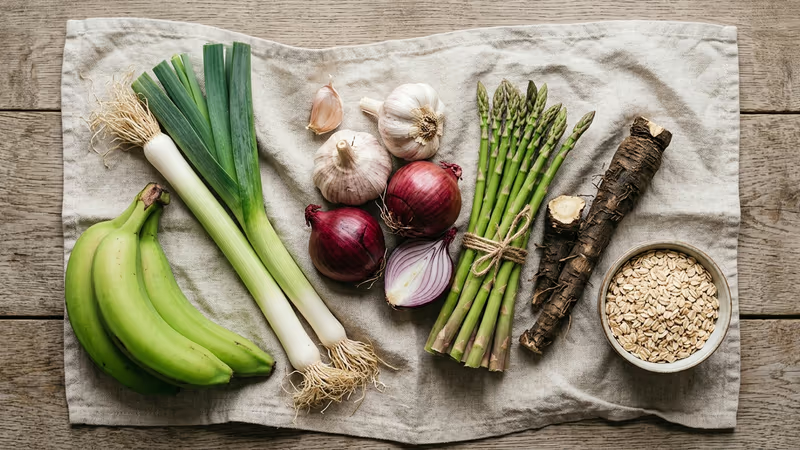
Butyrate fuels colon cells and supports tight junction assembly. You can buy butyrate supplements, but the most reliable way to raise it is feeding the bacteria that make it: fermentable fiber from vegetables, legumes, oats, and resistant starch. A 2016 study in Cell by Desai and colleagues showed what happens without it. Mice fed a fiber-free diet had gut bacteria that switched to eating the mucus layer instead, thinning it and leaving the lining exposed to a harmful pathogen. It was an animal study, but it's a vivid illustration of why fiber belongs in any gut-barrier plan.
Polyphenols
Plant compounds in berries, green tea, cocoa, olive oil, and pomegranate feed beneficial bacteria and appear to support the mucus layer in early research. Human barrier-specific trials are limited, so treat polyphenols as a reason to eat more colorful plants, not to buy another capsule.
What Doesn't Help, and What to Avoid
Supplements are only half the story. Several common habits directly loosen tight junctions, and no probiotic can outrun them.
- Alcohol — Even moderate regular drinking is well documented to increase intestinal permeability. Cutting back is one of the highest-impact changes you can make.
- NSAIDs — Ibuprofen, naproxen, and similar drugs damage the small-intestinal lining with regular use, as the Mahmood study demonstrated. Talk with your doctor about alternatives if you take them daily.
- Ultra-processed food — Diets high in refined sugar, emulsifiers, and low in fiber shift the microbiome toward species associated with a weaker barrier.
- Chronic stress and short sleep — Stress hormones measurably increase permeability. A supplement stack can't compensate for six hours of sleep and a constant sense of pressure.
- Random probiotic stacking — Taking five products at once makes it impossible to tell what's helping and raises the odds of bloating.
- Unvalidated testing — Consumer zonulin blood tests and food sensitivity panels are not standardized. Your response to a structured plan is more informative.
A Practical 8-Week Protocol
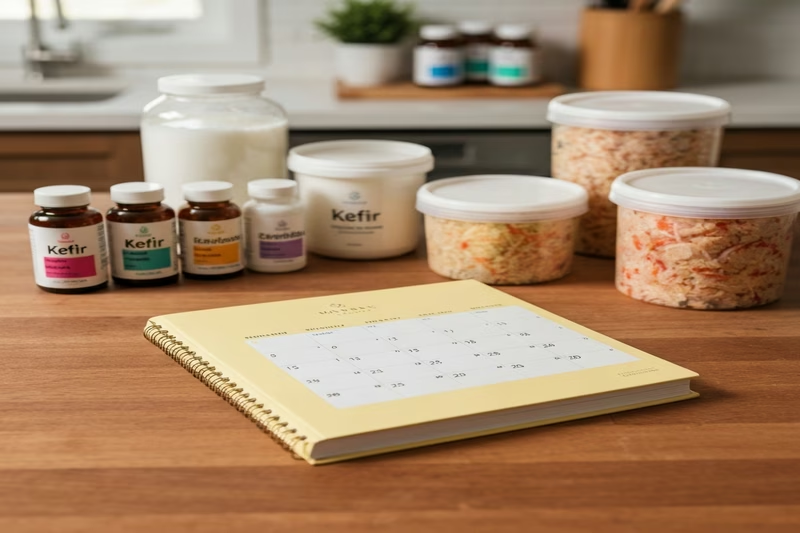
Eight weeks matches the glutamine trial and gives probiotics and diet changes enough runway to show an effect. Keep a simple log of bloating, stool consistency, energy, and food reactions so you can judge progress objectively.
Weeks 1–2: Remove and Stabilize
- Cut alcohol to zero or near zero, and stop routine NSAID use if your doctor agrees.
- Replace ultra-processed snacks with whole-food options; aim for 25 to 30 grams of fiber daily, increasing gradually.
- Start L-glutamine at 5 grams once daily.
- Protect seven to eight hours of sleep. Set a fixed wake time, which is the easiest lever.
Weeks 3–4: Add the Probiotic
- Choose one product with a named strain that has been studied: an L. plantarum product, a multi-strain formula, or a spore-based Bacillus blend.
- Take it consistently at the same time each day, with or after a meal.
- Increase glutamine to 5 grams twice daily if the first two weeks went smoothly.
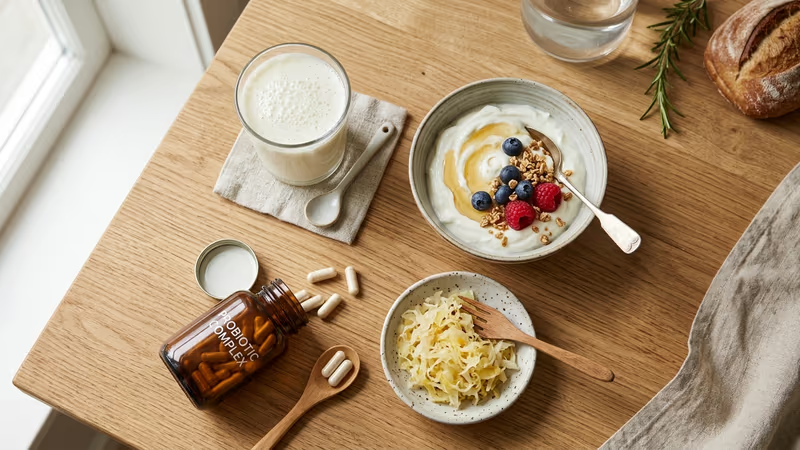
- Add one fermented food daily, such as plain yogurt, kefir, sauerkraut, or kimchi.
Weeks 5–8: Build and Assess
- Keep the probiotic and glutamine steady. Consider zinc carnosine at 75 milligrams daily if NSAID use or stomach discomfort is part of your picture.
- Widen your plant variety: aim for 20 or more different plant foods per week.
- Add 10 to 15 minutes of daily stress practice, such as walking outdoors, breathing exercises, or meditation.
- At the end of week 8, review your log. Less bloating and steadier stools are the most common early signals. If nothing has changed, involve a doctor rather than adding more supplements.
Who Should Talk to a Doctor First
Probiotics and glutamine are safe for most healthy adults, but "leaky gut" symptoms overlap with conditions that need proper diagnosis. Get medical guidance first if any of these apply.
- Unexplained weight loss, blood in the stool, persistent fever, or symptoms that wake you at night
- A weakened immune system, recent chemotherapy, or an organ transplant, since live bacteria can pose risks
- Inflammatory bowel disease, celiac disease, or a history of pancreatitis
- Kidney or liver disease, a central venous catheter, or recent major surgery
- Pregnancy or breastfeeding, where supplement safety data are limited
Our Take
Probiotics for leaky gut are neither a miracle nor a myth. A few strains have shown real effects on tight junction proteins or zonulin in human studies, L-glutamine has one strong trial in people with confirmed permeability, and zinc carnosine has a credible human result too. What none of these can do is compensate for a low-fiber diet, regular alcohol, daily NSAIDs, and poor sleep. Address those first, then add one well-chosen probiotic and a sensible glutamine dose for eight weeks. That's the approach with the best support in the current evidence. Track your results honestly, and bring the log to your doctor if things don't move.
Frequently Asked Questions
Can probiotics heal leaky gut?
Probiotics cannot be said to heal leaky gut, and no supplement is approved for that purpose. What the research shows is more specific: certain strains, such as Lactobacillus plantarum, have increased tight junction proteins in human intestinal tissue, and a multi-strain formula lowered fecal zonulin in a small trial. Those are supportive effects on barrier function, not a cure. Probiotics work best as one part of a plan that also removes the things loosening the barrier, such as alcohol, NSAIDs, and a low-fiber diet.
Which probiotic is best for leaky gut?
There is no single best probiotic for leaky gut, because effects are strain-specific and the human evidence is limited. Lactobacillus plantarum has the clearest human tight-junction data. A multi-species formula reduced zonulin in trained men over 14 weeks, and a spore-based Bacillus blend reduced post-meal endotoxin in a 30-day study. Lactobacillus rhamnosus GG and Bifidobacterium infantis have mostly animal and cell data for barrier function. Choose one product with a named, studied strain and give it at least eight weeks.
How much L-glutamine should I take for gut health?
A common starting dose is 5 grams of L-glutamine powder once daily, increasing to 5 grams twice daily if well tolerated. The most rigorous human trial, published in Gut in 2019, used 5 grams three times daily (15 grams total) for eight weeks in adults with post-infectious IBS and confirmed increased permeability. Doses at that level should be discussed with your doctor, especially if you have kidney or liver disease. Glutamine dissolves easily in water and is best taken away from meals.
How long does it take to repair the gut lining?
The intestinal lining replaces its surface cells every few days, but restoring barrier function after ongoing damage takes longer. Most human trials that measured permeability, including the glutamine study and the multi-strain probiotic study, ran for 8 to 14 weeks. In practice, many people notice less bloating and steadier digestion within two to four weeks of consistent changes, with continued progress over two to three months. If eight weeks of a structured plan produces no change, see a doctor rather than extending indefinitely.
Can leaky gut cause bloating and food sensitivities?
Increased intestinal permeability is associated with bloating, irregular stools, and new food reactions in some people, and the mechanism is plausible: larger food fragments and bacterial products crossing the barrier can provoke immune responses. However, the same symptoms are common in IBS, small intestinal bacterial overgrowth, celiac disease, and lactose intolerance, which need their own evaluation. Rather than assuming leaky gut is the cause, treat these symptoms as a reason to improve barrier-supporting habits and to rule out other conditions with a doctor.
Get honest health tips & reviews
Join our newsletter for science-backed supplement reviews and wellness advice.
No spam. Unsubscribe anytime.