
Your gut microbiome is remarkably resilient. Even after antibiotic courses, years of processed food, chronic stress, or all three combined, the research shows that meaningful restoration is possible — and it happens faster than most people expect. Dietary changes can begin shifting microbial composition within 24 to 48 hours, though lasting improvements typically require sustained effort over several weeks. This 30-day plan is built on the best available evidence from institutions like Stanford, the Weizmann Institute, and the American Gut Project. It's designed to be practical and progressive — each week builds on the last, so you're never overwhelmed. Whether your gut issues stem from a specific event or a long accumulation of habits, this plan gives your microbiome the raw materials and environment it needs to rebuild.
Before You Start: Assess Where You Are
Before launching into any gut restoration protocol, it's worth taking stock of your current situation. Common signs that your gut needs attention include persistent bloating (especially after meals), irregular bowel habits, frequent gas, food sensitivities that seem to be worsening, skin issues like eczema or acne, brain fog, low energy after eating, and frequent illness. You don't need a microbiome test to start — the symptoms are your guide, and the interventions in this plan benefit virtually everyone regardless of their starting point.
One important caveat: if you're experiencing severe symptoms — blood in stool, unexplained weight loss, persistent pain, or dramatic changes in bowel habits — see a gastroenterologist before starting any self-directed plan. These symptoms can indicate conditions that require medical diagnosis and treatment, not just lifestyle changes.
Week 1: Remove and Reduce (Days 1-7)
The first week focuses on removing the biggest disruptors to gut health. This isn't about perfection — it's about reducing the load on your digestive system so healing can begin. Start by eliminating or significantly reducing ultra-processed foods, which contain emulsifiers, artificial sweeteners, and preservatives that damage the gut lining. Cut back on added sugar, which feeds opportunistic bacteria and yeast. Reduce alcohol, which is directly toxic to gut cells and disrupts the microbiome within hours of consumption.
- Replace ultra-processed snacks with whole-food alternatives: nuts, fruit, vegetables with hummus, or plain yogurt.
- Switch from artificial sweeteners to small amounts of raw honey or maple syrup if needed — or better, begin reducing sweetness overall.
- Drink at least 8 glasses of water daily. Hydration supports the mucus layer that protects your gut lining.
- Start a simple food journal. Note what you eat and any digestive symptoms within 2-4 hours. Patterns will emerge quickly.
- Begin a daily 10-minute walk after your largest meal. Post-meal walking improves gut motility and blood sugar response.
Week 2: Rebuild with Fiber Diversity (Days 8-14)
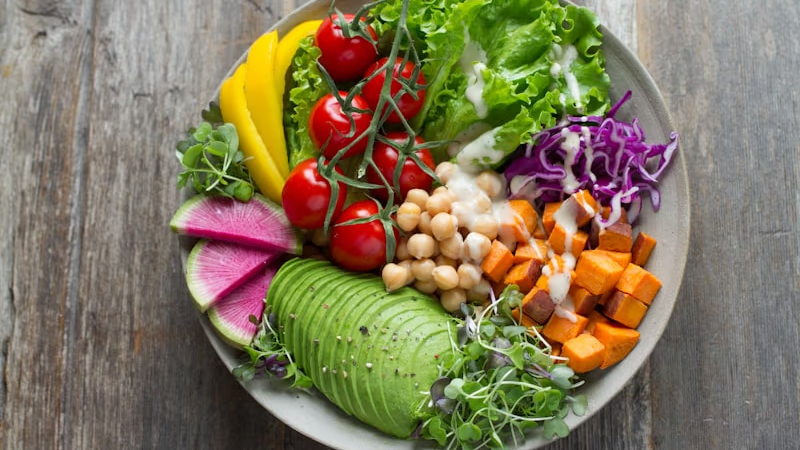
With the major disruptors reduced, week two focuses on feeding your beneficial bacteria. The American Gut Project's single most important finding was that people who ate 30 or more different plant species per week had significantly more diverse microbiomes than those eating fewer than 10 — regardless of whether they identified as vegetarian, paleo, or any other dietary label. Your goal this week is to dramatically increase the variety of plant foods you eat.
This doesn't mean eating massive quantities of fiber overnight — that's a fast track to bloating and discomfort. Instead, add 2-3 new plant foods each day. Rotate your vegetables, fruits, grains, legumes, nuts, seeds, herbs, and spices. Each plant food contains different types of fiber and polyphenols that feed different bacterial species. Think of it as ecosystem gardening: you're planting seeds for a diverse internal garden. Include prebiotic-rich foods like garlic, onions, leeks, asparagus, bananas, oats, and flaxseed — these specifically nourish beneficial Bifidobacterium and Lactobacillus populations.
Week 3: Add Fermented Foods and Targeted Support (Days 15-21)
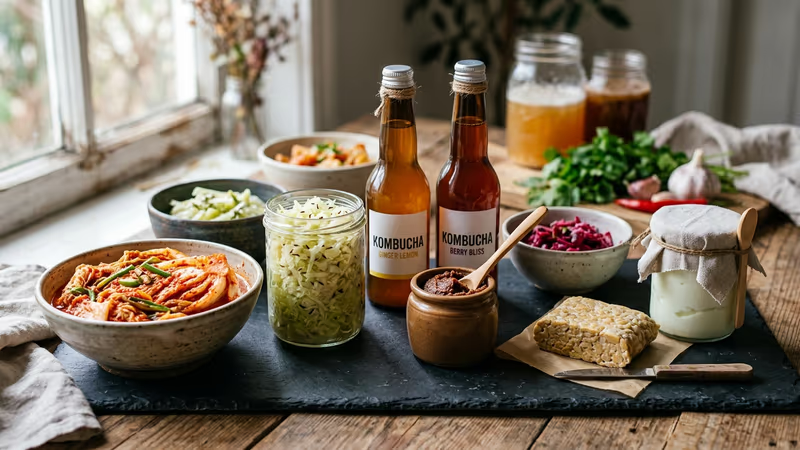
By week three, your gut should be adjusting to the increased fiber diversity. Now it's time to introduce fermented foods — one of the most powerful tools for microbiome restoration. The landmark 2021 Stanford study published in Cell found that eating 6 or more servings of fermented foods daily for 10 weeks significantly increased microbiome diversity and decreased 19 inflammatory markers. Start with 2-3 servings daily and build up. Options include plain yogurt with live active cultures, kefir, sauerkraut (raw, refrigerated — not shelf-stable), kimchi, miso, tempeh, and kombucha.
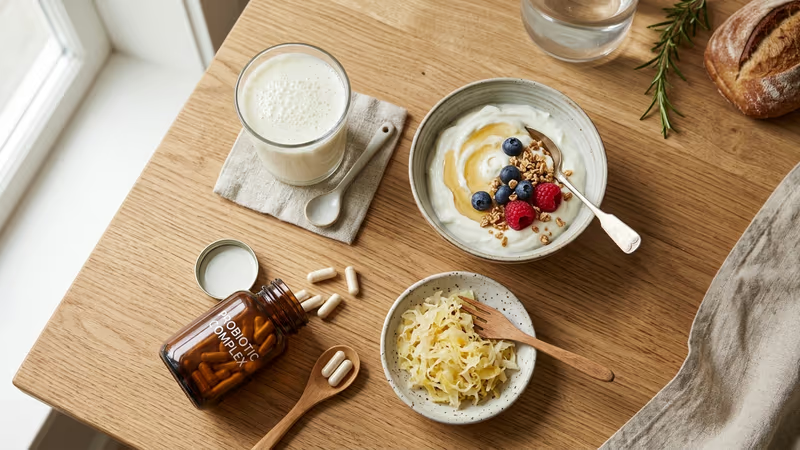
This is also the week to consider supplemental support if needed. A quality probiotic can complement your fermented food intake — look for strains like Lactobacillus rhamnosus GG and Bifidobacterium lactis, which have strong evidence for gut barrier support. If you suspect increased intestinal permeability (common after antibiotic use or prolonged stress), L-glutamine at 5-10 grams daily can support gut lining repair. These supplements work best in the context of the dietary changes you've already made — they're amplifiers, not replacements.
Considering a Gut Health Supplement?
If you're looking for a comprehensive gut health formula to support your restoration plan, PrimeBiome combines probiotic strains, prebiotic fiber, and gut-supporting nutrients in one product. We've reviewed its ingredient profile and clinical backing in detail to help you decide if it's right for your situation. If you are weighing it against a faster-acting formula, our Finessa vs PrimeBiome comparison covers both.
Read Our Full PrimeBiome ReviewWeek 4: Lifestyle Factors and Long-Term Habits (Days 22-30)
The final week focuses on the lifestyle factors that sustain gut health long-term. Diet alone can't overcome the damage from chronic stress, poor sleep, and sedentary behavior — each of these independently disrupts the microbiome. Stress increases cortisol, which alters gut motility, increases intestinal permeability, and shifts the microbiome toward pro-inflammatory species. Poor sleep disrupts the circadian rhythm of your gut bacteria (yes, they have one) and reduces diversity within 48 hours of disruption. Sedentary behavior decreases microbial diversity, while regular moderate exercise increases beneficial species like Akkermansia muciniphila.
- Establish a stress management practice: even 10 minutes daily of deep breathing, meditation, or yoga has measurable effects on the gut-brain axis.
- Prioritize 7-9 hours of sleep and maintain consistent bed/wake times — your gut bacteria respond to circadian regularity.
- Increase physical activity to at least 150 minutes per week of moderate exercise. Walking counts — you don't need intense workouts.
- Spend time outdoors. Environmental microbial exposure contributes to microbiome diversity — gardening is particularly beneficial.
- Limit unnecessary medications. NSAIDs (ibuprofen, aspirin) and proton pump inhibitors can disrupt the gut microbiome with chronic use.
After Day 30: Maintaining Your Progress
Day 30 isn't the finish line — it's the point where these habits start becoming your baseline. The microbiome responds to sustained input, not one-time interventions. Continue rotating plant foods, eating fermented foods daily, managing stress, and staying active. You should notice improved digestion, more regular bowel movements, increased energy, clearer skin, and potentially easier weight management. If specific symptoms persist after 30 days, that's valuable information — it suggests something more targeted may be needed, whether that's SIBO testing, food sensitivity evaluation, or a specific probiotic protocol guided by a healthcare provider.
Remember: your microbiome isn't something you fix once and forget. It's a living ecosystem that responds to your daily choices. The good news is that once these habits are established, maintaining them becomes second nature. Your palate adjusts, your cravings shift (partly because your bacteria change), and the feedback loop between feeling good and eating well becomes self-reinforcing. The gut you build over the next 30 days can serve you for decades — if you keep feeding it well.
Frequently Asked Questions
How long does it take to fully restore gut health?
Initial improvements in digestion and energy typically appear within 2 to 4 weeks of consistent dietary changes. Measurable shifts in microbiome composition can be detected within days, but meaningful diversity gains take 4 to 12 weeks. Full restoration after significant disruption (like repeated antibiotic courses) may take 3 to 6 months of sustained effort. The 30-day plan establishes the foundation and habits — continued adherence deepens the results over time.
Can I restore gut health without taking supplements?
Absolutely. The most impactful interventions for gut restoration are dietary and lifestyle-based: increasing plant food diversity, adding fermented foods, managing stress, improving sleep, and regular exercise. Supplements like probiotics and L-glutamine can accelerate the process — especially after antibiotic use or during recovery from specific gut conditions — but they're not strictly necessary for most people. Focus on food first, and add supplements if you want additional support or aren't seeing the progress you expected from diet alone.
What should I eat during gut restoration if I have food sensitivities?
Start with well-tolerated foods and expand gradually. Cooked vegetables are generally easier to digest than raw ones during the initial phase. Bone broth, well-cooked rice, steamed carrots, zucchini, and small amounts of fermented foods (start with a tablespoon of sauerkraut juice) are usually well-tolerated. As your gut heals and diversity improves, you may find that foods that previously caused reactions become tolerable again. If you have diagnosed conditions like celiac disease or IBD, work with a registered dietitian to adapt this plan to your specific needs.
Get honest health tips & reviews
Join our newsletter for science-backed supplement reviews and wellness advice.
No spam. Unsubscribe anytime.