Head-to-Head Comparison · 2026
Joint Glide vs Instaflex: Which One Actually Works in 2026?
Joint Glide and Instaflex both promise to quiet achy joints, but they are built on formulas from two very different eras. Joint Glide targets the MMP enzyme that actively destroys cartilage and supplies materials to rebuild it, while Instaflex relies on a familiar glucosamine-turmeric-resveratrol stack sold at major retailers. We compare ingredients, pricing, science, and real user experience.
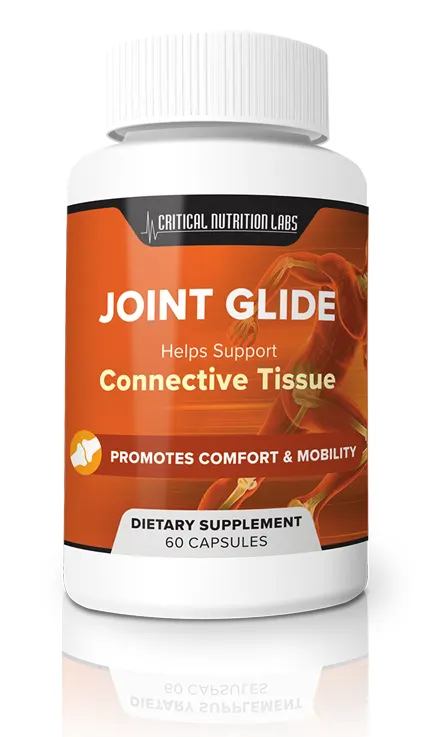
Joint Glide
4.3/5
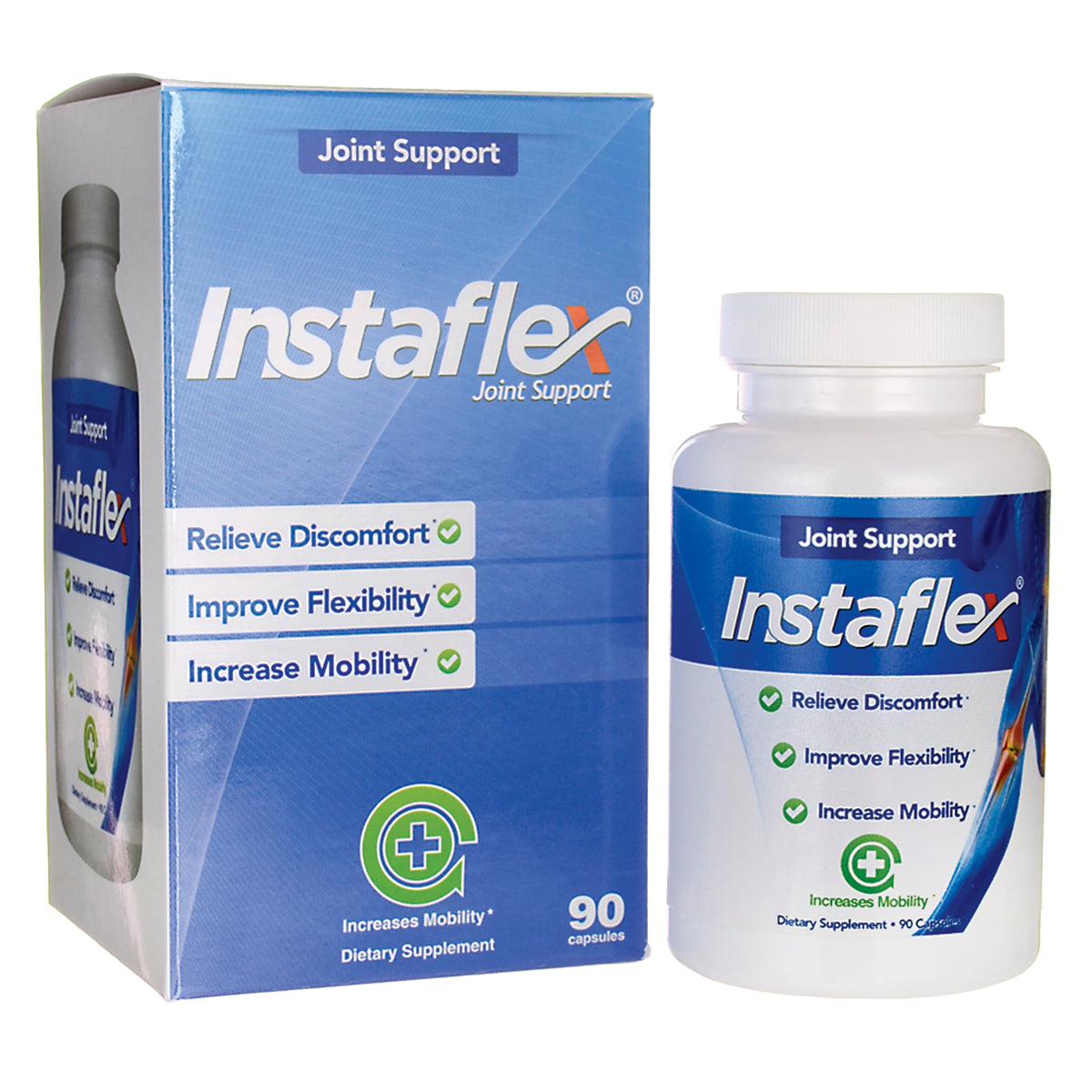
Instaflex
3.4/5

In 60 seconds
Joint Glide stops cartilage loss at the source by blocking MMP (matrix metalloproteinase) and feeding the joint with rebuilding nutrients. Instaflex takes a traditional retail approach with glucosamine, turmeric, and resveratrol at undisclosed doses and offers no MMP-blocking mechanism at all.
Joint Glide approach
10-ingredient formula: Pine Bark Extract (MMP blocker), Devil's Claw, White Willow Bark, MSM, Glucosamine, plus Zinc, Copper, Magnesium trio and Black Pepper for absorption
Instaflex approach
Classic glucosamine-based formula with turmeric and resveratrol as supporting ingredients, widely distributed through Walmart, GNC and pharmacy chains
Overview
Joint Glide and Instaflex sit at opposite ends of the joint supplement market. One is built on modern research into how cartilage is actually lost. The other is built on a formula that has barely changed in twenty years. Joint Glide is a 10-ingredient formula organized around blocking MMP, the enzyme that breaks cartilage down as we age and accumulate exposure to heavy metals and everyday toxins. It combines an MMP-blocking botanical cornerstone with pain-relief herbs and the minerals cartilage needs to reform. Instaflex is a retail-shelf joint capsule built on glucosamine, turmeric, and resveratrol. It is distributed widely - Walmart, GNC, drugstore chains - and priced as an entry-level, mass-market option. The formula is convenient and recognizable, but the ingredient logic reflects the joint science of the early 2000s.
Ingredients Comparison
Joint Glide leads with Pine Bark Extract (Pinus massoniana), studied for neutralizing MMP activity and supporting collagen regeneration. Devil's Claw Extract supplies harpagoside for pain reduction and cartilage support. White Willow Bark delivers natural salicin as a gentler anti-inflammatory. MSM and Glucosamine supply the sulfur and amino sugars cartilage needs. A Zinc, Copper, and Magnesium trio supports collagen infrastructure, and Black Pepper Extract improves absorption. Instaflex is built on glucosamine sulfate with turmeric and resveratrol added as supporting ingredients. Hyaluronic acid and boswellia appear in some versions. The problem is that the supporting ingredients are often listed at undisclosed doses, making it impossible to tell if they are clinically meaningful or label decoration. There is no MMP-blocking ingredient, no Pine Bark Extract, no Devil's Claw, and no deliberate mineral support for cartilage repair. The gap between the two formulas is structural. Joint Glide addresses four pathways at once with disclosed dosing. Instaflex addresses one main pathway, glucosamine-style cartilage support, and adds symbolic amounts of two trendy anti-inflammatory botanicals.
How They Work
Joint Glide works by interrupting cartilage destruction at the enzyme level and then feeding the rebuilding process. Pine Bark Extract neutralizes MMP so cartilage stops being torn down faster than it can be repaired. MSM, glucosamine, and the mineral trio then supply what chondrocytes need to rebuild. Most users report early comfort shifts within three to seven days and deeper cartilage-rebuild benefits through weeks four to eight. Instaflex relies mainly on glucosamine to deliver slow, incremental cartilage support. Large clinical studies have repeatedly shown glucosamine producing results that are statistically similar to placebo in a significant portion of users. The turmeric and resveratrol add mild anti-inflammatory signaling, but without disclosed doses it is hard to know whether there is enough to matter. Many Instaflex users are told to give the formula eight or more weeks before expecting meaningful results. The practical consequence is that Instaflex can reduce some discomfort over time, but it does not stop the underlying cartilage breakdown. Joint Glide does both jobs: it blocks the damage and helps rebuild the tissue.
Pricing & Value
Instaflex is priced as a mass-market retail product. A bottle typically lands between $30 and $40 depending on store and sale, and it is easy to grab alongside your groceries. The convenience is genuine. The trade-off is that you are buying a formula whose active components are decades old and whose supporting doses are not fully disclosed. Joint Glide is sold only through the official website, with clear multi-bottle tiers. The 6-bottle package drops to around $49 per bottle with free shipping and is backed by a 60-day 100% money-back guarantee. On a per-mechanism and per-disclosed-dose basis, Joint Glide is the stronger value even though its sticker price is higher than a pharmacy bottle of Instaflex. Put simply, Instaflex is the cheapest way to follow a formula that is no longer the frontier of joint research. Joint Glide is a higher-commitment product that actually addresses why joints degrade.
User Experience
Joint Glide users commonly report initial comfort improvements within the first week, then progressive reductions in morning stiffness and increased tolerance for stairs, walking, and yard work through weeks four to eight. The daily routine is two capsules, and the official-site-only sourcing is the main friction point. Instaflex users report a wider spread of outcomes. Some describe mild reductions in stiffness after two to three months of daily use. Others report no meaningful change and point to the basic glucosamine core as the limiting factor. Retail availability is the main draw, alongside the brand's recognizability. Both products are generally well tolerated. The key user-experience difference is speed and depth of results. Joint Glide tends to work faster and produce more functional improvement, while Instaflex tends to work slowly, mildly, and inconsistently.
Our Verdict
Instaflex has a legitimate place on a pharmacy shelf. It is cheap, convenient, and familiar. For someone with very mild, occasional joint aches who wants the simplest possible option, it is a reasonable try. It is not, however, a formula built for meaningful cartilage wear. Without an MMP-blocking ingredient and without disclosed dosing on its anti-inflammatory supports, Instaflex tops out well below what a modern multi-pathway formula can do. Joint Glide goes further on every axis that matters: MMP blocking, cartilage rebuilding, pain relief, and mineral infrastructure. For adults who are done with formulas that have not changed since the early 2000s and who want a product matched to how joints actually age, Joint Glide is the stronger recommendation.
Quick Verdict
Choose Joint Glide if you want:
- ✓Adults 45+ experiencing cartilage-related joint pain
- ✓People with bone-on-bone discomfort in knees, hips, or hands
- ✓Those who haven't gotten results from basic glucosamine supplements
May not be ideal for:
People under 18, pregnant, or nursing
Choose Instaflex if you want:
- ✓Shoppers looking for a cheap retail joint supplement
- ✓People with very mild, occasional joint aches
- ✓Users who prefer to pick up supplements in person
May not be ideal for:
Adults with meaningful cartilage wear or osteoarthritis
Side-by-Side Comparison
| Feature | Joint Glide | Instaflex |
|---|---|---|
| Our Rating | 4.3/5 | 3.4/5 |
| Starting Price | $49 | $35 |
| Guarantee | 60-day money-back | Standard retail return policy |
| Key Ingredients | 7 active ingredients | 5 active ingredients |
| Best For | Adults 45+ experiencing cartilage-related joint pain | Shoppers looking for a cheap retail joint supplement |
Pros & Cons
Joint Glide
Pros
- ✓Targets MMP enzyme — addresses the root cause of cartilage breakdown, not just pain symptoms
- ✓10-ingredient formula covering protection, rebuilding, and pain relief simultaneously
- ✓Contains both MSM and Glucosamine enhanced with Black Pepper for better absorption
- ✓Devil's Claw and White Willow Bark provide natural pain relief while cartilage rebuilds
- ✓Essential minerals (Zinc, Copper, Magnesium) support the collagen infrastructure
Cons
- ✗Only available through the official website — not in stores or on Amazon
- ✗Requires 2 capsules daily (slightly less convenient than single-capsule alternatives)
- ✗60-day guarantee is shorter than some competitors offering 180 days
- ✗Premium pricing — $49-$69 per bottle depending on package
Instaflex
Pros
- ✓Available at major retailers like Walmart and GNC
- ✓Contains turmeric and resveratrol as supporting ingredients
- ✓Moderate price point for an entry-level joint supplement
- ✓Recognizable brand with long shelf presence
Cons
- ✗Standard glucosamine formula with decades-old design
- ✗Does not block MMP enzyme that drives cartilage loss
- ✗Supporting ingredient doses are often undisclosed
- ✗May take 8+ weeks before users notice any change
Pricing Comparison
Joint Glide
Instaflex
Available on the manufacturer's website and select retailers
Frequently Asked Questions
Which is better, Joint Glide or Instaflex?
Both Joint Glide (rated 4.3/5) and Instaflex (rated 3.4/5) are solid joint health supplements. Joint Glide is best for Adults 45+ experiencing cartilage-related joint pain, while Instaflex excels at Shoppers looking for a cheap retail joint supplement. The best choice depends on your specific goals and preferences.
What is the price difference between Joint Glide and Instaflex?
Joint Glide starts at $49 per bottle while Instaflex starts at $35 per bottle. Both offer multi-bottle discounts that reduce the per-unit cost. Joint Glide comes with a 60-day money-back guarantee and Instaflex offers a Standard retail return policy guarantee.
Which has better ingredients, Joint Glide or Instaflex?
Joint Glide features 7 key ingredients while Instaflex contains 5 active compounds. Both formulas are manufactured in FDA-registered, GMP-certified facilities. The ingredient profiles target joint health from different angles, so the better formula depends on which specific benefits matter most to you.
Can I take Joint Glide and Instaflex together?
We recommend choosing one supplement at a time so you can accurately assess its effects. Taking both simultaneously makes it difficult to determine which product is contributing to your results. If one doesn't meet your needs, you can switch to the other. Always consult your healthcare provider before combining supplements.
Final Verdict
Joint Glide is our recommended choice over Instaflex. Joint Glide is built around modern joint science - blocking MMP, rebuilding cartilage, and supporting collagen with disclosed-dose minerals - while Instaflex delivers a traditional glucosamine formula with undisclosed doses of trendy supporting ingredients. Instaflex can be an acceptable budget retail option for very mild discomfort, but for adults who want a formula that actually addresses why cartilage breaks down with age, Joint Glide is the clearer and more complete pick.