
Up to 80 percent of women will experience hot flashes during the menopausal transition, and for many, they last longer than the old textbook numbers suggested. For women who cannot take menopausal hormone therapy, who prefer not to, or who want to try lower-risk options first, there is a real menu of natural approaches with clinical evidence behind them. This is a practical guide to the seven that hold up, written for women who want honest answers rather than marketing.
What Actually Causes a Hot Flash
A hot flash is a sudden, intense heat sensation, often followed by sweating and chills, that lasts from about 30 seconds to 5 minutes. The physiology, described well by Freedman (2014, Autonomic Neuroscience), involves a narrowing of the brain's thermoregulatory comfort zone. Small rises in core body temperature that would be ignored in a younger nervous system trigger an aggressive heat-dumping response: blood vessels near the skin dilate, sweat glands fire, and the body works to cool down fast. Declining estrogen changes the sensitivity of the neurons involved, particularly KNDy neurons in the hypothalamus.
That physiology has a practical implication. Anything that raises core body temperature, such as a warm room, spicy food, alcohol, stress, or a heavy blanket, can trigger a flash in a system that has become more reactive. Anything that improves thermoregulatory tolerance, from paced breathing to certain botanicals, can reduce frequency or severity.
7 Natural Options With Evidence
1. Black Cohosh
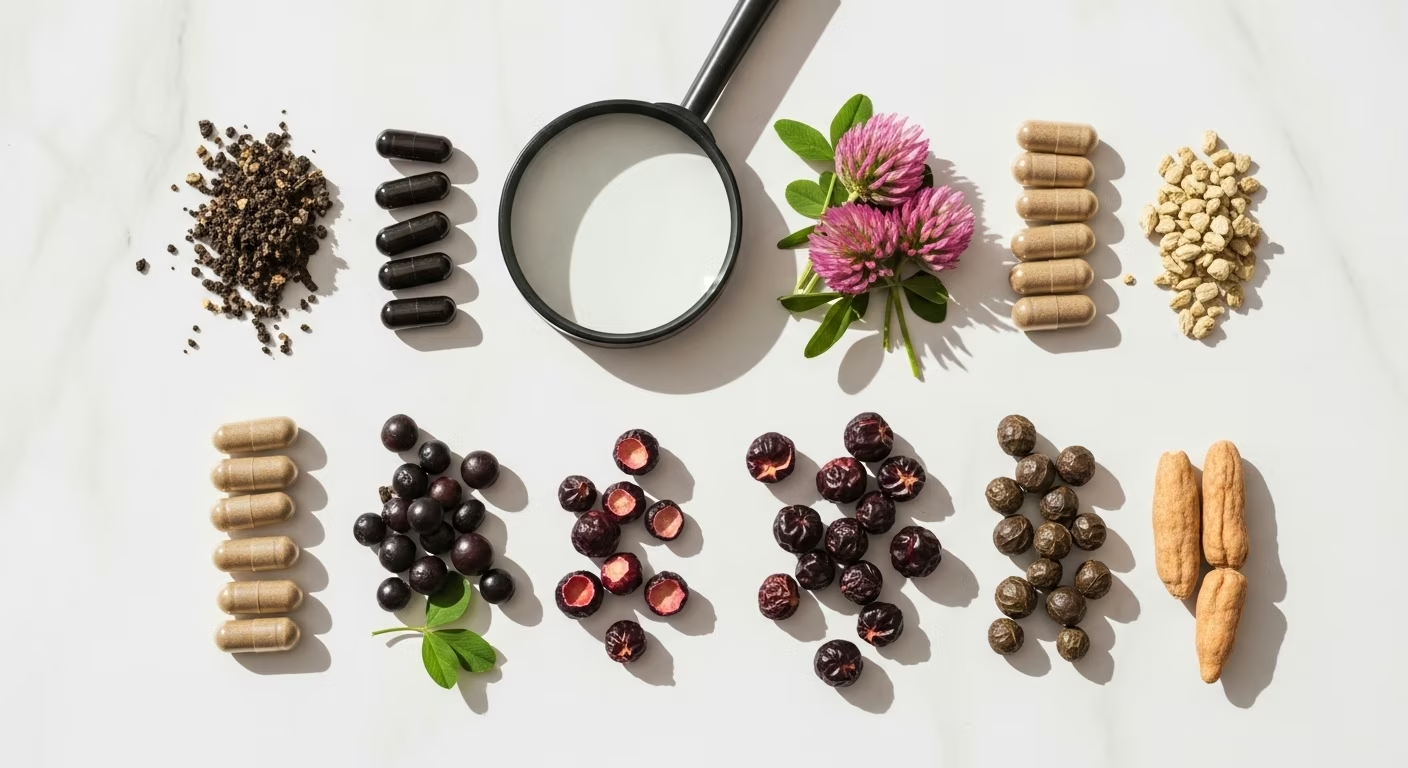
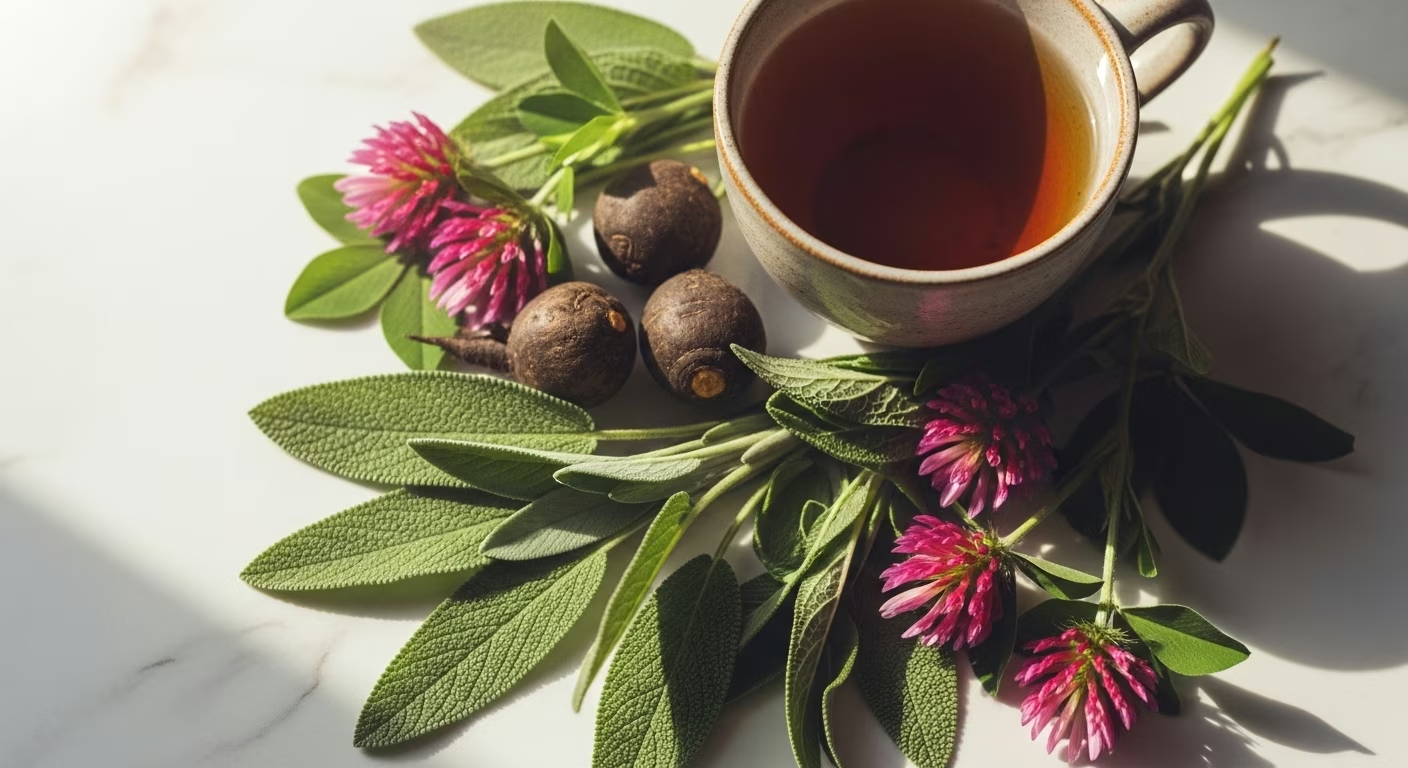
Black cohosh is the botanical with the longest research track record for hot flashes. A Cochrane review by Leach and Moore (2012) examined the trials and found modest but real reduction in vasomotor symptoms for some women, with a good safety profile at the doses studied. An earlier placebo-controlled trial by Frei-Kleiner and colleagues (2005) showed similar benefit. Typical doses in the research are 20 to 40 mg of a standardized extract daily. Effects usually appear at 4 to 8 weeks rather than immediately.
2. Soy Isoflavones
Soy isoflavones, which are plant compounds that bind weakly to estrogen receptors, have been studied extensively. Messina (2014, Journal of Nutrition) reviewed the evidence and concluded that regular intake of isoflavones, particularly genistein-rich forms, reduces hot flash frequency and severity in most trials, though the effect size is smaller than hormone therapy. Food sources include tofu, tempeh, edamame, and soy milk, typically delivering 25 to 50 mg of isoflavones per day. Supplements offering 50 to 80 mg of isoflavones are a reasonable alternative for women who don't eat soy regularly.
3. Red Clover
Red clover is another source of isoflavones, and a randomized trial by Lipovac and colleagues (2012, Maturitas) found that 80 mg daily of red clover extract significantly reduced hot flash frequency compared with placebo over 12 weeks. The evidence base is smaller than for black cohosh or soy, but the mechanism is plausible and the safety record at the doses studied is acceptable.
4. Ashwagandha for the Stress-Flash Loop
Ashwagandha is not a direct hot flash medication, but it is a reasonable addition for women whose flashes are clearly triggered or worsened by stress and poor sleep. Chandrasekhar and colleagues (2012, Indian Journal of Psychological Medicine) showed meaningful reduction in cortisol and perceived stress with 300 to 600 mg of a standardized extract daily. Lower cortisol means less sympathetic nervous system activation, which can mean fewer triggered flashes, especially nighttime ones.
5. Paced Breathing
Slow, deep, paced breathing, around six breaths per minute for 15 minutes twice a day, has been shown in multiple trials to reduce hot flash frequency, likely by improving autonomic nervous system balance. It costs nothing, has zero side effects, and stacks well with any other approach.
6. Cognitive Behavioral Therapy for Menopause
CBT specifically adapted for menopausal symptoms changes how the brain interprets and responds to hot flashes. It does not reduce the physiological event as dramatically as medication, but it reduces the distress and sleep disruption significantly, which often matters more for quality of life.
7. Environmental and Lifestyle Levers
Layered clothing, a cooler bedroom (ideally 60 to 67 degrees F), cotton or moisture-wicking sleepwear, a fan on the bedside table, reduced alcohol, limited caffeine after noon, and stable weight all have clinical evidence. None of these are dramatic on their own; together they shift the threshold at which flashes fire.
If stacking individual botanicals feels overwhelming, a thoughtfully formulated menopause supplement can combine black cohosh, ashwagandha, and other studied ingredients in one daily dose. We have reviewed the leading options.
Read our MenoRescue reviewWhat the Evidence Does Not Support
- Dong quai alone: trials show no benefit over placebo for hot flashes.
- Evening primrose oil: multiple trials show no meaningful effect.
- Wild yam cream: does not convert to human progesterone, despite marketing claims.
- Maca for hot flashes specifically: some evidence for mood and energy (Brooks and colleagues, 2008, Menopause), weaker for vasomotor symptoms.
- Detoxes and hormone-reset protocols: no physiological basis.
Common Triggers to Identify and Reduce
Keeping a simple symptom diary for two weeks often reveals patterns that are easier to change than any supplement. Common triggers include alcohol (especially red wine), spicy food, hot beverages, stress episodes, warm sleep environments, and tight or synthetic clothing. Caffeine is a trigger for some women but not others. Skipped meals followed by blood sugar crashes can also precipitate flashes. Once you identify your top two or three triggers, small environmental changes, like switching to iced coffee, lowering the bedroom thermostat, or adding an afternoon protein snack, can reduce flash frequency noticeably without any supplement.
Sleep Strategies That Reduce Night Sweats
- Keep the bedroom between 60 and 67 degrees F year round.
- Moisture-wicking bamboo or cotton sleepwear over synthetic fabrics.
- A bedside fan on a timer rather than running all night.
- Layered bedding so you can shed without fully waking.
- Last alcoholic drink, if any, at least 3 hours before bed.
- Last caffeine by noon; some women need to cut it earlier.
- Evening wind-down that includes dimmer lights and a cooler shower.
How to Build a Stack That Actually Works
If I were writing a first-line plan for a woman with moderate hot flashes who wants to start with natural options, it would look like this: add 30 to 50 grams of soy foods most days, start a standardized black cohosh extract, add paced breathing twice daily, cool the bedroom, and reduce evening alcohol. Give this stack 8 weeks before judging it. For women whose flashes are tightly tied to stress and broken sleep, ashwagandha earns its place. For severe or persistent symptoms, or symptoms that are wrecking work and sleep, a conversation with a menopause-literate clinician about hormone therapy is the right next step.
Exercise and Weight as Thermoregulation Levers
Regular physical activity modestly reduces hot flash severity in observational and some interventional studies, likely by improving autonomic balance, sleep quality, and thermoregulatory resilience. Women at a stable, healthy weight tend to have fewer vasomotor symptoms than women carrying significant excess weight, because adipose tissue is itself a source of inflammation and can influence core temperature regulation. Strength training two to three times per week and daily walking are the most consistent ways to improve both markers at once. The goal is not to exercise away hot flashes; it is to lower the baseline nervous system reactivity that makes flashes more frequent and more intense.
What to Expect in the First 8 Weeks
When women start a natural-first plan for hot flashes, there is usually a layered timeline. Environmental changes, such as a cooler bedroom and reduced alcohol, can produce noticeable improvements within the first one to two weeks. Paced breathing effects build over two to four weeks of consistent practice. Botanical effects, whether black cohosh, soy, or red clover, typically take 4 to 8 weeks to become clearly judgeable. Ashwagandha often shows effects on sleep and perceived stress within two to three weeks, which indirectly reduces night flashes before the daytime frequency shifts. Setting that expectation up front prevents premature abandonment of a plan that is actually working.
When to See a Doctor
See a clinician promptly if your hot flashes are accompanied by rapid heart rate that feels abnormal, unexplained weight loss, or symptoms that started well before 45, all of which warrant ruling out thyroid or other conditions. See a menopause-literate clinician if vasomotor symptoms are interfering with sleep, work, or quality of life, because you have more options than most primary care conversations cover. Black cohosh has been associated with rare liver enzyme elevations, so it should be avoided in women with liver disease and discussed with your clinician if you are on multiple medications.
The Bottom Line
Natural relief for hot flashes is not a myth, but it is rarely one single thing. A realistic plan combines a botanical or two with evidence, daily paced breathing, environmental adjustments, and protection of sleep. For many women, that stack is enough. For others, it takes the edge off and clarifies whether additional support, including hormone therapy, is worth considering. The goal is not to white-knuckle through this transition; it is to make it livable.
Frequently Asked Questions
How long do hot flashes usually last?
The Study of Women's Health Across the Nation found a median duration of about 7.4 years, longer than older textbooks suggested, with some women experiencing them for over a decade. Frequency and severity usually peak in late perimenopause and early postmenopause.
Is black cohosh safe long term?
The best evidence supports safety for 6 to 12 months at standard doses. There have been rare case reports of liver enzyme elevations, so it is reasonable to avoid it if you have liver disease and to tell any prescribing clinician that you are taking it.
Can diet alone reduce hot flashes?
For many women, yes, at least partially. Daily soy foods, reduced alcohol, reduced caffeine, and stable blood sugar meals can measurably reduce frequency. The effect is usually modest but meaningful and pairs well with other interventions.
Do hot flashes happen in perimenopause too?
Absolutely. Perimenopausal hot flashes often start years before the final menstrual period and can be more erratic, which makes them particularly disorienting. The same natural strategies apply.
Are bioidentical hormones from compounding pharmacies natural?
Compounded bioidentical hormones are not the same as FDA-approved hormone therapy, and the marketing language can be misleading. If you are considering hormones, FDA-approved options have clearer dosing and safety data and should be the starting conversation with your clinician.
Can I combine black cohosh and soy?
Most research supports either one individually. Combining them is not dangerous for most women, but effects are not clearly additive. Starting one at a time for 8 weeks each makes it easier to tell what is working.
Get honest health tips & reviews
Join our newsletter for science-backed supplement reviews and wellness advice.
No spam. Unsubscribe anytime.