
Most people don't think about their respiratory health until something goes wrong — a persistent cough, shortness of breath during exercise, or a respiratory infection that lingers for weeks. But your lungs, like any organ system, respond to how you treat them. After age 35, lung function naturally declines by about 1-2% per year. Environmental exposures, sedentary lifestyles, poor posture, and chronic low-grade inflammation can accelerate that decline significantly. The good news: research shows that targeted interventions — from specific breathing techniques to dietary changes to environmental modifications — can measurably improve lung function, respiratory efficiency, and resilience against infections. This guide covers the evidence-based strategies that make the biggest difference.
Breathing Exercises That Actually Improve Lung Function
Breathing seems automatic, but most adults have developed dysfunctional breathing patterns — shallow chest breathing that uses only the upper third of lung capacity. Retraining your breathing mechanics can significantly improve respiratory efficiency. Diaphragmatic breathing (belly breathing) is the foundation: by engaging the diaphragm fully, you increase tidal volume, improve gas exchange, and activate the parasympathetic nervous system. A 2019 study in Breathe (the European Respiratory Society journal) found that diaphragmatic breathing training improved lung function, exercise tolerance, and quality of life in COPD patients.
Pursed-lip breathing — inhaling through the nose and exhaling slowly through pursed lips — helps maintain airway pressure and prevents small airway collapse. It's particularly useful during physical exertion and is a standard technique in pulmonary rehabilitation programs. Box breathing (inhale for 4 counts, hold for 4, exhale for 4, hold for 4) trains respiratory muscle control and has documented benefits for both lung function and stress reduction. Even 10 minutes of deliberate breathing practice daily can produce measurable improvements in respiratory parameters within 4 to 6 weeks.
Air Quality: The Factor Most People Underestimate
The average American spends roughly 90% of their time indoors, where air pollutant concentrations can be 2 to 5 times higher than outdoor levels according to the EPA. Indoor pollutants that damage respiratory health include volatile organic compounds (VOCs) from cleaning products, furniture, and paint; mold spores; dust mites; pet dander; and combustion byproducts from gas stoves and candles. A 2023 study in the Lancet found that indoor air pollution contributes to approximately 3.2 million premature deaths globally each year.
- Invest in a HEPA air purifier for your bedroom — you spend 7-9 hours there nightly. Look for models rated for your room's square footage with a clean air delivery rate (CADR) matching room size.
- Open windows for cross-ventilation at least 15 minutes daily, even in winter. Fresh air exchange dilutes indoor pollutant concentrations significantly.
- Replace chemical cleaning products with simple alternatives: vinegar, baking soda, and castile soap handle most household cleaning without VOC exposure.
- Address moisture issues immediately. Mold grows within 24-48 hours of water damage and produces mycotoxins that directly damage lung tissue.
- If you have a gas stove, always use the range hood ventilation and consider an air quality monitor to track nitrogen dioxide levels in your kitchen.
- Keep indoor humidity between 30-50%. Too low irritates airways; too high promotes mold and dust mites.
Exercise: The Most Powerful Lung Strengthener
Regular cardiovascular exercise is the single most effective intervention for improving respiratory capacity and lung function. During exercise, your breathing rate increases from about 15 breaths per minute at rest to 40-60 during vigorous activity, and your tidal volume increases dramatically. This repeated challenge strengthens the respiratory muscles (diaphragm and intercostals), improves the efficiency of gas exchange in the alveoli, and increases the capillary network surrounding lung tissue.
A 2022 meta-analysis in Sports Medicine found that regular aerobic exercise improved FEV1 (forced expiratory volume in 1 second) and FVC (forced vital capacity) across age groups, including adults over 65. The minimum effective dose appears to be 150 minutes per week of moderate-intensity activity — brisk walking, cycling, or swimming. High-intensity interval training (HIIT) may offer additional benefits for respiratory fitness, as it repeatedly pushes the respiratory system to near-maximum capacity. Swimming is particularly beneficial because it combines exercise with breathing against water pressure, providing natural resistance training for respiratory muscles.
Diet and Nutrition for Respiratory Health
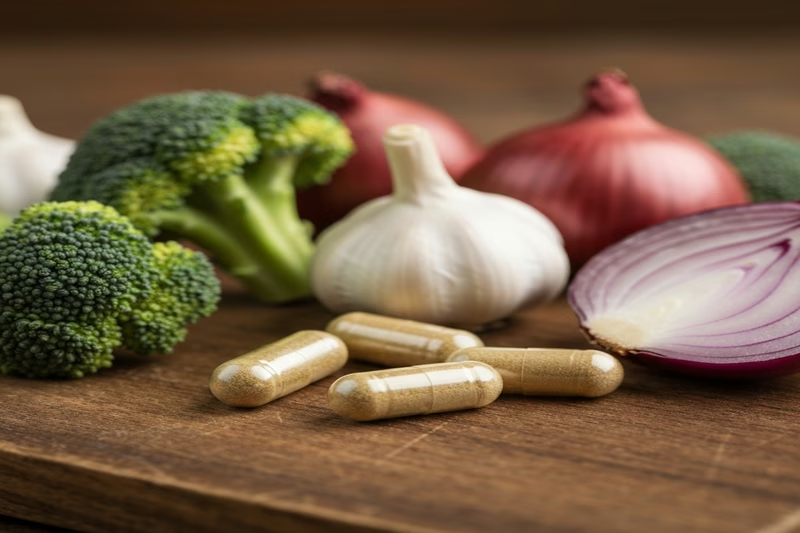
What you eat directly impacts lung health. Diets rich in antioxidants — vitamins C, E, and A, plus flavonoids and carotenoids — protect lung tissue from oxidative damage caused by inhaled pollutants and normal metabolic processes. The Mediterranean diet, rich in fruits, vegetables, olive oil, nuts, and fatty fish, has been consistently associated with better lung function and slower age-related respiratory decline in large cohort studies.
Specific nutrients with respiratory evidence include vitamin C (associated with higher FEV1 in the Third National Health and Nutrition Examination Survey), omega-3 fatty acids (anti-inflammatory effects in airway tissue), magnesium (bronchodilator properties — low levels are linked to worse asthma outcomes), and vitamin D (immune regulation and reduced respiratory infection risk). On the flip side, diets high in processed meats, refined carbohydrates, and sugar are associated with worse lung function and increased respiratory inflammation. A 2024 study in Thorax found that each daily serving of processed meat was associated with a measurable decline in FEV1 over a 10-year period.
Supplements for Respiratory Support
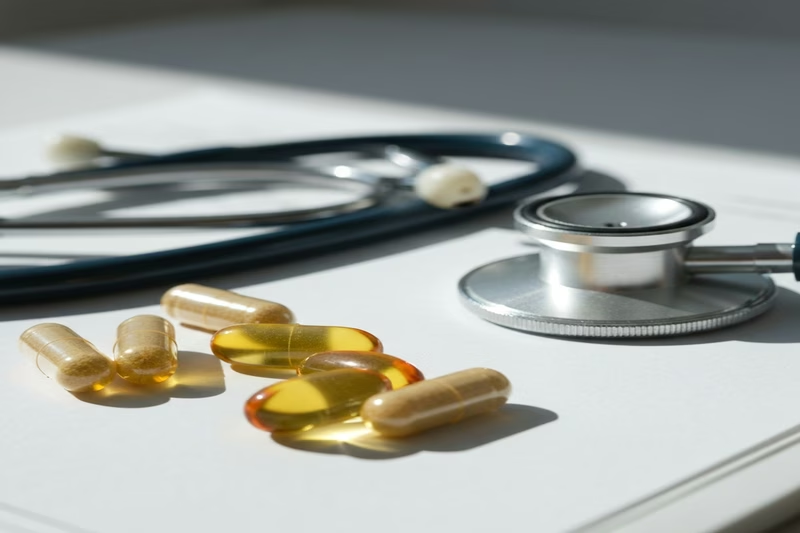
While diet and lifestyle form the foundation, targeted supplementation can provide additional respiratory support — especially for people with existing respiratory concerns or high environmental exposures. NAC (N-Acetyl Cysteine) supports glutathione production and has robust evidence for reducing respiratory exacerbations. Vitamin D addresses the widespread deficiency that impairs respiratory immune function. Quercetin provides anti-inflammatory and antihistamine benefits for airway tissue. These aren't replacements for the fundamentals, but they can meaningfully complement a respiratory health strategy.
Respiratory Health Supplements
If you're looking for supplemental support, we've reviewed Breathe — a formula specifically designed for lung and respiratory health that combines several of the evidence-backed ingredients mentioned in this article. Our detailed review covers dosing, ingredient quality, and real-world results.
Read Our Full Breathe ReviewThe Bottom Line
Respiratory health isn't just about avoiding illness — it's about building the capacity, resilience, and efficiency of a system you depend on every second of every day. The strategies with the strongest evidence are also the most accessible: breathe deliberately and deeply, move your body regularly, clean up your indoor air, eat a diet rich in colorful produce and healthy fats, and address any nutritional gaps through targeted supplementation. Age-related lung function decline is real, but it's not fixed — research consistently shows that people who adopt these habits maintain significantly better respiratory function into their 70s, 80s, and beyond compared to sedentary, indoor-dwelling peers. The best time to start was 10 years ago. The second best time is today. If targeted supplementation is the gap you want to close, our best respiratory health supplements in 2026 roundup covers the options we rate highest.
Looking for Respiratory Health supplements?
Our experts have reviewed and compared the top respiratory health supplements to help you find the right one.
See our expert comparisonFrequently Asked Questions
Can you actually improve lung capacity as an adult?
Yes. While total lung capacity (the physical size of your lungs) doesn't change significantly after your early 20s, functional lung capacity — how efficiently you use that capacity — is highly trainable at any age. Regular cardiovascular exercise, breathing exercises, and respiratory muscle training can improve FEV1, FVC, and VO2 max. Studies show that previously sedentary adults who begin regular exercise programs can improve functional lung capacity by 5-15% within 8 to 12 weeks, regardless of age.
How quickly can breathing exercises improve respiratory health?
Most people notice subjective improvements — easier breathing during activity, less breathlessness, better stress tolerance — within 1 to 2 weeks of daily practice. Measurable changes in respiratory parameters like tidal volume and respiratory rate typically appear after 4 to 6 weeks of consistent practice (at least 10 minutes daily). For people with respiratory conditions like COPD or asthma, pulmonary rehabilitation programs incorporating breathing exercises show clinically meaningful improvements in lung function within 6 to 8 weeks.
What's the best exercise for lung health?
Swimming is often cited as the best single exercise for respiratory health because it combines aerobic conditioning with natural resistance to breathing (water pressure on the chest), trains breath control, and occurs in humid air that's easier on airways. However, any sustained aerobic exercise — brisk walking, cycling, jogging, rowing, dancing — that elevates your heart rate for 20 or more minutes provides significant respiratory benefits. The best exercise for your lungs is the one you'll do consistently. Aim for at least 150 minutes per week of moderate-intensity activity.
Get honest health tips & reviews
Join our newsletter for science-backed supplement reviews and wellness advice.
No spam. Unsubscribe anytime.