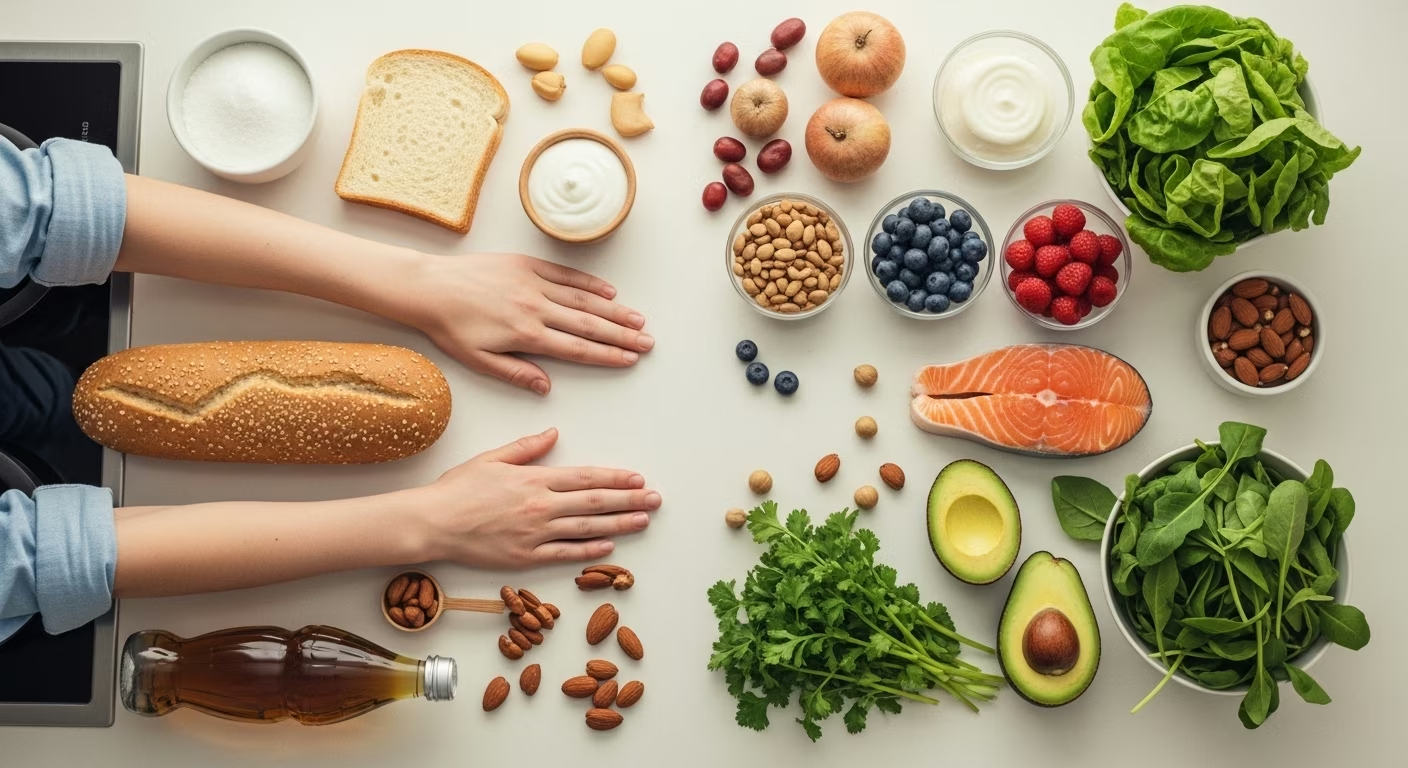

When women ask me what to stop eating during menopause, I try to steer the conversation away from restrictive rules and toward a clearer framing: which foods are actively working against the metabolic changes of this stage of life, and which ones can keep their place on your plate? The nine items below come up repeatedly in the research on visceral fat, insulin resistance, and inflammation in midlife women. You do not need to eliminate any of them forever. You do need to know what they are doing.
Why Food Matters More After Menopause
The menopausal transition brings a measurable drop in insulin sensitivity (Ko and Kim, 2020, Obesity), a shift in fat storage toward the abdomen (Lovejoy and colleagues, 2008, International Journal of Obesity), and often a rise in circulating cortisol driven by sleep disruption (Woods and colleagues, 2009, Menopause). Foods that spike blood sugar, drive inflammation, or disrupt sleep hit harder now than they did in your 30s. The same glass of wine, the same afternoon pastry, the same second helping of pasta can land differently in a body that is working with less estrogen.
The 9 Foods to Watch
1. Sweetened Beverages
Soda, sweetened coffee drinks, fruit juice, and sweet tea deliver a fast, high-dose load of fructose and glucose without any fiber, protein, or fat to slow absorption. In a body with reduced insulin sensitivity, this is the most direct route to visceral fat storage. Swap for sparkling water, unsweetened iced tea, or coffee with a splash of milk.
2. Refined Bakery Items
Pastries, croissants, muffins, and donuts combine refined flour, sugar, and industrial seed oils in a form that is easy to overeat and hits blood sugar hard. Once or twice a month at a specific occasion is different from a daily habit. The daily habit is doing real work against your midsection.
3. Alcohol, Especially in the Evening
Alcohol is worth its own point because it does several unhelpful things at once. It delivers empty calories, it disrupts deep sleep even when it helps you fall asleep, and disrupted sleep raises cortisol (Woods and colleagues, 2009, Menopause). It also interferes with the liver's ability to process estrogen metabolites and adds a pro-inflammatory signal on top of everything else. For many women, cutting evening wine from a nightly habit to a once or twice a week habit produces a visible change in the midsection within weeks, even before any other change. Alcohol is also a common hot flash trigger, and hot-flash-driven sleep disruption is itself a belly-fat driver, so the downstream effect compounds.
4. Ultra-Processed Snack Foods
Chips, crackers, pretzels, and flavored snack mixes are engineered for overconsumption. They combine refined carbohydrates, salt, and seed oils in ratios that blunt satiety. Research on ultra-processed foods consistently links them with weight gain and abdominal fat, independent of total calories.
5. Processed Meats
Bacon, deli meats, sausage, and hot dogs carry a higher inflammatory load and are associated with metabolic disease in large observational studies. You do not need to eliminate them, but shifting toward fresh eggs, poultry, fish, and legumes as your default protein sources changes the inflammation picture substantially.
6. White Rice and White Pasta as a Daily Default
These are not villains, but when they appear at the center of the plate every day, they crowd out higher-fiber options that protect insulin sensitivity. A practical substitution is to mix in lentils, beans, or intact grains like farro, barley, or brown rice, and to keep the portion to about one cupped handful.
7. Low-Fat, Sugar-Added Yogurts and Snack Bars
The low-fat label is often a red flag in menopause nutrition because fat is usually replaced with added sugars. A flavored low-fat yogurt can contain as much sugar as a candy bar. Choose plain Greek or Icelandic yogurt and add your own fruit.
8. Fried Fast Food
Industrial frying oils, when repeatedly heated, generate compounds that promote systemic inflammation. Combine that with the refined carbohydrate delivery of buns, breading, and fries, and fast food hits almost every metabolic lever that is already sensitized in menopause.
9. Late-Night Snacking, Regardless of What
This one is less about a specific food and more about timing. Eating within the two to three hours before bed interferes with overnight blood sugar, disrupts sleep architecture, and raises nighttime cortisol. If you are hungry at night, that is often a signal that daytime meals are under-delivering protein.
Diet is the foundation, but many women benefit from a targeted menopause supplement that supports hormonal balance, sleep, and cortisol. We have broken down what to look for and which formulas deliver.
See our top menopause supplement picksWhat to Eat Instead
- Protein-forward breakfast: eggs, Greek yogurt, cottage cheese, or a protein smoothie with at least 25 grams of protein.
- Large plates of non-starchy vegetables: leafy greens, cruciferous vegetables, peppers, tomatoes, zucchini.
- Legumes several times a week: lentils, chickpeas, black beans, edamame.
- Fatty fish twice a week: salmon, sardines, mackerel for omega-3s.
- Intact grains over refined: farro, barley, brown rice, oats.
- Fruit with protein or fat: berries with yogurt, apple with almond butter.
- Olive oil, nuts, seeds, and avocado as primary fat sources.
A Sample Day That Supports Meno Belly Fat Loss
Here is a practical example of how this looks in real life, not as a prescription but as a pattern. Breakfast: three-egg vegetable omelet with a slice of sprouted whole-grain toast and a handful of berries, or Greek yogurt with ground flax, walnuts, and berries. Lunch: large salad with grilled chicken or salmon, olive oil and lemon, plus a side of lentil soup or a small portion of beans. Afternoon: apple with almond butter, or cottage cheese with cucumber. Dinner: baked fish or tofu, two non-starchy vegetables, and a quarter-plate of intact grains or beans. Evening: unsweetened herbal tea rather than wine on most nights. This pattern delivers 100 to 120 grams of protein, 30 plus grams of fiber, consistent blood sugar, and room for the occasional meal out without derailing the week.
The Role of Fiber in Midlife Metabolism
Fiber is one of the most underrated tools for menopause belly fat. It slows the absorption of sugars, feeds the gut bacteria that regulate estrogen recirculation (the estrobolome), and increases satiety at meals. Most women in midlife are getting 12 to 15 grams of fiber per day; the target for metabolic health is 30 grams or more. Building meals around legumes, intact grains, berries, cruciferous vegetables, and seeds closes that gap within weeks and usually produces a visible improvement in bloating and waistline within the first month.
Soy, Dairy, and Gluten: Do You Need to Avoid Them?
Three foods that get singled out unfairly deserve a clearer statement. Soy, in whole-food forms like tofu, tempeh, and edamame, is associated with reduced hot flashes and supportive cardiometabolic effects in menopausal women (Messina, 2014, Journal of Nutrition). Dairy, in unsweetened forms like plain yogurt, kefir, and cheese, is a protein source that also supports bone health during menopause. Gluten is only a problem for people with celiac disease, non-celiac gluten sensitivity, or wheat allergy. For most women, these three foods are neutral to beneficial.
How Meal Timing Affects Meno Belly
What you eat matters, but so does when you eat it. Research on midlife metabolism suggests that front-loading calories earlier in the day, with a substantial breakfast and lunch and a lighter dinner, aligns better with circadian insulin sensitivity than the inverse pattern of a skipped breakfast and a large late dinner. Eating within a 10 to 12 hour window, for example 8 AM to 7 PM, stabilizes overnight blood sugar and supports sleep. Longer fasting windows can work for some women but tend to backfire during perimenopause, when blood sugar swings are already more pronounced and cortisol is already elevated. The best timing is the one that lets you eat enough protein at breakfast and stop eating a couple of hours before bed, consistently.
Hidden Sources of Added Sugar
- Flavored creamers and plant milks: often 5 to 10 grams of sugar per serving.
- Savory sauces: barbecue sauce, teriyaki, ketchup, and many pasta sauces add up quickly.
- Salad dressings: especially low-fat versions, which compensate with sugar.
- Granola and granola bars: typically marketed as healthy, often 15 to 25 grams of sugar.
- Breakfast cereals including those labeled whole grain.
- Kombucha and flavored sparkling drinks with real sugar added.
- Dried fruit consumed by the handful rather than as a small garnish.
When to See a Doctor
If you are doing the work on nutrition and still gaining around the middle, ask your clinician for a fasting glucose, HbA1c, lipid panel, and a TSH. Thyroid issues are common in midlife women and are often missed. If your waist circumference is over 35 inches or your fasting glucose is climbing, it is worth having a longer conversation about metabolic health rather than assuming it is just menopause.
The Bottom Line
You do not need to eat perfectly to see change in menopause. You need to notice which foods are working against the metabolic shift your body has made, and to build your default plate around the ones that support it. Protein at every meal, vegetables in abundance, enough fiber from legumes and intact grains, and fewer of the nine items above is enough to change the picture for most women within a few months.
Frequently Asked Questions
Do I really have to give up wine entirely?
No, and most women do not need to. The bigger shift is moving alcohol from a nightly habit to an occasional one. The sleep disruption and cortisol effect of daily evening drinking is often what is most visible at the waistline.
Is sugar worse than fat for menopause belly?
For most women in this stage, refined sugars and refined carbohydrates drive visceral fat more directly than dietary fat. Quality fats like olive oil, nuts, fish, and avocado are part of the solution, not the problem.
Should I try intermittent fasting?
Some women do well with a 12 to 14 hour overnight fast, meaning dinner at 7 and breakfast at 9, because it stabilizes overnight blood sugar and supports sleep. Longer daily fasts are less well tolerated in perimenopause and can worsen sleep and stress for some women. Experiment gently.
Is soy safe during menopause?
Yes. Whole-food soy such as tofu, tempeh, and edamame is supported by good evidence for cardiometabolic health and may modestly reduce hot flashes. The concerns about soy and breast cancer have not held up in large studies of whole-food soy intake.
How quickly will changing my diet affect my belly?
Blood sugar and sleep improvements often show up within two weeks. Visible change in waist circumference usually takes 6 to 12 weeks of consistent eating paired with strength training.
Get honest health tips & reviews
Join our newsletter for science-backed supplement reviews and wellness advice.
No spam. Unsubscribe anytime.