
Of all the conversations I have with women in midlife, the most underestimated driver of their symptoms is cortisol. Hot flashes get the headlines; estrogen gets the blame. But the stress hormone quietly sits underneath every major menopause complaint: vasomotor symptoms, fragmented sleep, stubborn belly fat, mood shifts, and the 'tired but wired' feeling that so many women describe. Understanding the cortisol-menopause connection is not a self-help abstraction; it is the piece most likely to unlock the rest of the plan.
What Cortisol Is and Why It Rises in Menopause
Cortisol is the main glucocorticoid hormone, released by the adrenal glands under the direction of a feedback loop called the hypothalamic-pituitary-adrenal (HPA) axis. In healthy physiology, it follows a diurnal rhythm: highest in the first hour after waking, tapering through the day, lowest at night. It mobilizes glucose, sharpens attention, regulates inflammation, and helps the body respond to challenge. The problem is not cortisol itself. The problem is chronic elevation or rhythm disruption.
During the menopausal transition, the cortisol system changes in several predictable ways. Prior (2005, Endocrine Reviews) documented that the perimenopausal years are characterized by increased HPA axis reactivity, meaning the same stressor produces a larger cortisol response than it did a decade earlier. Woods and colleagues (2009, Menopause) followed women longitudinally through the transition and found higher overall cortisol output, particularly in women with disrupted sleep. Gordon and colleagues (2016, Journal of Clinical Endocrinology and Metabolism) added that ovarian hormone withdrawal itself, independent of life stress, alters HPA sensitivity. In other words, the same life you were handling at 38 genuinely is harder on the body at 48.
How Cortisol Amplifies Specific Menopause Symptoms
Hot Flashes and Night Sweats
Hot flashes are not purely an estrogen-withdrawal event. Freedman (2014, Autonomic Neuroscience) described the vasomotor response as a narrowing of the thermoregulatory zone combined with sympathetic nervous system activation. Cortisol and catecholamines are part of that sympathetic surge. High baseline cortisol and a hyper-reactive HPA axis lower the threshold at which a hot flash is triggered, which is why women often notice flashes cluster during stressful periods, public speaking, or anxious wake-ups at night. Calming the HPA axis does not eliminate hot flashes, but it reliably reduces their frequency and intensity.
Belly Fat and Insulin Resistance
Cortisol preferentially drives fat storage to the abdomen, specifically to the deep visceral fat depot that is metabolically active and inflammatory. It does this by promoting glucose release, raising insulin, and directing excess calories to central stores. Combined with the estrogen-driven shift toward abdominal fat that already happens in menopause, chronic cortisol elevation is the accelerant that turns a subtle body composition change into visible meno belly within a year or two. This is why women who successfully address sleep and stress often see their waist measurement shift more than the scale does.
Sleep Disruption
The cortisol-sleep relationship is bidirectional and it is the worst kind of feedback loop. Elevated evening cortisol delays sleep onset. Fragmented sleep, in turn, elevates next-day cortisol. Night sweats add a third element by rousing the sympathetic nervous system during the exact hours when cortisol should be at its lowest. Many women in perimenopause report waking at 2 or 3 a.m. with a racing mind, sometimes with a damp neck; this is the 'cortisol awakening in the middle of the night' pattern, and it is not a sign of a personality problem, it is a predictable HPA signature.
Mood, Anxiety, and Brain Fog
Chronically elevated cortisol is a well-documented driver of anxiety, low mood, and impaired working memory. In menopause, the loss of estrogen's buffering effect on neurotransmitters (serotonin, dopamine, GABA) compounds the problem. Women often describe this as a new kind of anxiety, a flash of dread without an obvious trigger, or a brain fog that is worse on poorly slept days. Both are consistent with an overtaxed HPA axis rather than a new psychiatric diagnosis, though a clinician should always be involved if mood symptoms are severe.
Immunity and Recovery
Elevated cortisol blunts immune surveillance and slows recovery from exercise and illness. Women who used to bounce back from a cold in three days find it takes a week; a hard workout that used to leave them energized now leaves them drained for 48 hours. This is not fragility; it is a measurable HPA-related change in recovery capacity.
How to Actually Lower Cortisol in Midlife
Sleep Is the Biggest Lever
Nothing I will list below matters if sleep is broken. One night of 5 hours of sleep measurably raises next-day cortisol and reduces insulin sensitivity; a chronic state of 5 to 6 hours pins the system in a low-grade stress response indefinitely. The highest-value sleep changes are the usual ones: a consistent 30-minute bedtime window, a cool dark room, no alcohol within 3 hours of bed, limited screens in the last hour, and morning daylight within 30 minutes of waking. For women whose sleep is being shredded by night sweats specifically, treating the vasomotor symptoms (with black cohosh, hormone therapy where appropriate, or a comprehensive menopause formula) is the fastest route to lower cortisol.
Blood Sugar Stability
Cortisol and blood sugar are tightly coupled. A blood sugar crash, especially mid-afternoon after a carb-heavy lunch, produces a compensatory cortisol spike that most people experience as irritability, cravings, or a mental slump. Eating protein at every meal (25 to 35 grams), keeping carbohydrates paired with protein and fat rather than eaten alone, and avoiding sugar on an empty stomach all reduce the cortisol peaks that come with reactive hypoglycemia.
Strength Training, Not Endless Cardio
Exercise is a stressor, and the kind you choose matters. Long-duration cardio, especially done fasted or late in the day, can elevate cortisol in a way that makes sleep and recovery worse for already-strained women. Resistance training two to three times per week produces a brief cortisol spike followed by improved HPA regulation and better sleep. Walking is cortisol-neutral to cortisol-lowering. The practical takeaway: strength train, walk daily, and cap high-intensity cardio at one or two sessions per week during the menopausal transition.
Caffeine and Alcohol Audits
Caffeine after about 2 p.m. extends cortisol's daytime elevation and disrupts evening wind-down. Many women who thought they were 'fine' with afternoon coffee sleep measurably better after moving their cutoff to noon. Alcohol is subtler because it initially feels relaxing; it fragments the second half of the night and drives a cortisol rebound that many women notice as a 3 a.m. wake-up. Neither needs to be eliminated, but both often need to be honestly re-evaluated in midlife.
Targeted Adaptogens
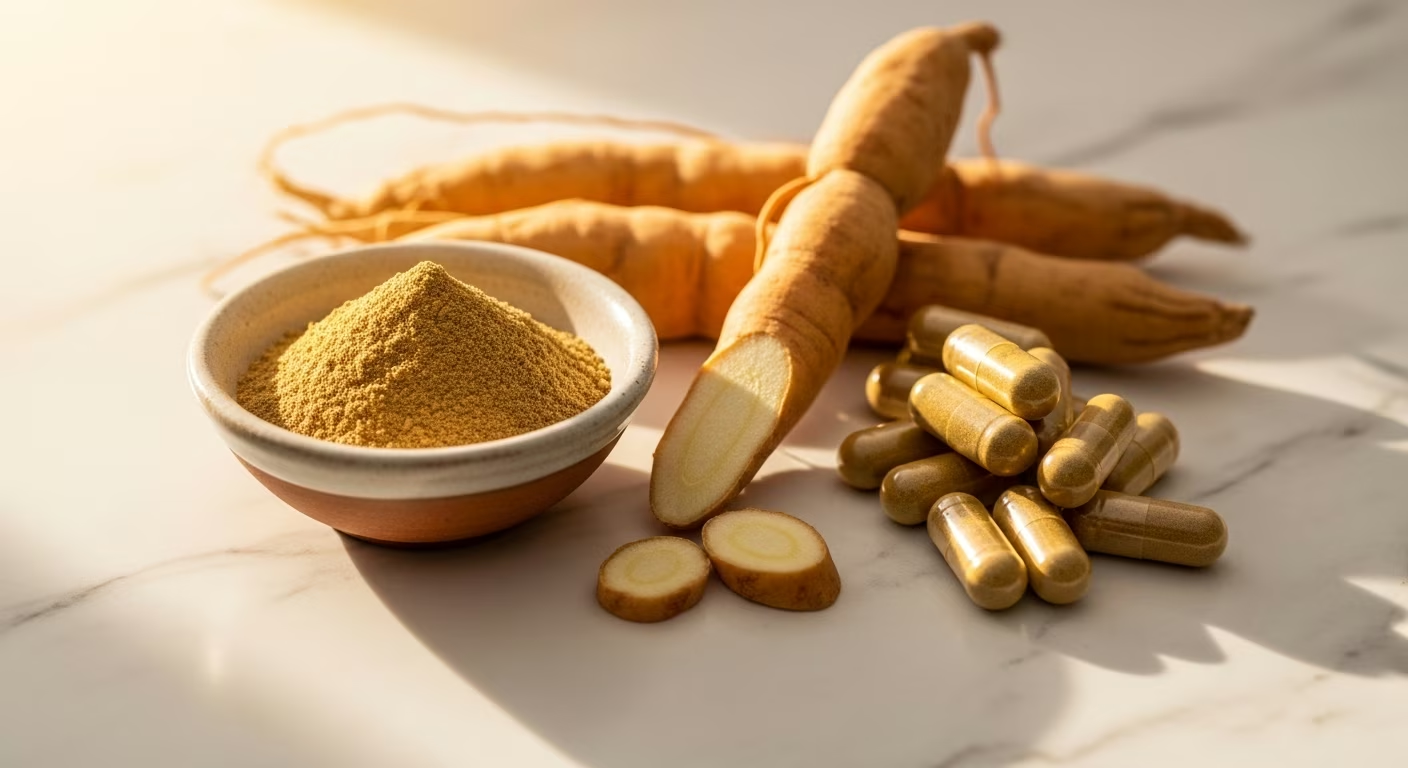
This is where a few botanicals earn their place. Ashwagandha is the best-studied of them for cortisol reduction, with Chandrasekhar and colleagues (2012, Indian Journal of Psychological Medicine) documenting a 27.9 percent reduction in serum cortisol after 60 days of supplementation. Rhodiola has supporting evidence for perceived stress and fatigue. Magnesium glycinate in the evening, at 200 to 400 mg, supports both sleep and HPA regulation. These are not substitutes for sleep and strength training; they are the accelerant that makes those changes produce results faster.
If cortisol-driven symptoms are the heart of your menopause picture, a comprehensive formula that combines ashwagandha with vasomotor and sleep support is usually more efficient than buying four separate bottles.
See our top menopause supplement picksSigns Your Cortisol Is Driving Your Menopause Symptoms
- You wake between 2 and 4 a.m. with a racing mind, often but not always with a hot flash.
- You feel 'tired but wired' in the evening, unable to wind down even when exhausted.
- Belly fat has increased noticeably without a clear change in diet.
- You feel more reactive to stress, more on-edge, or unable to tolerate noise or commotion the way you used to.
- Hot flashes cluster during stressful periods, before presentations, or on poorly slept days.
- Afternoon energy crashes have become predictable, often around 3 to 4 p.m.
- You catch colds more easily or take longer to recover from workouts.
When to Get Cortisol Actually Tested
Most women with the symptom picture above do not need a formal cortisol test before starting the lifestyle and supplement plan; the interventions are safe and often diagnostic in their own right. Testing becomes useful when symptoms do not respond, when fatigue is disproportionate, or when there are other hormonal red flags like unexplained weight changes, muscle weakness, or blood pressure irregularities. In that case, a 4-point salivary cortisol or dried urine test (DUTCH) ordered by a clinician gives a much better picture than a single blood draw, because it captures the diurnal rhythm rather than a snapshot.
Safety Notes on Cortisol-Lowering Supplements
- Ashwagandha is contraindicated in active thyroid disease, autoimmune conditions, and pregnancy. Clear it with your clinician if any of these apply.
- Rhodiola can interact with antidepressants and is best avoided in bipolar disorder.
- Magnesium is generally safe but high doses can cause loose stools; glycinate and malate are better tolerated than oxide.
- Adaptogens do not replace medical care for clinically significant depression, anxiety, or adrenal insufficiency. Persistent symptoms warrant a physician evaluation, not more supplements.
The Bottom Line
Cortisol is the connective tissue between most menopause symptoms. Lower it, and hot flashes soften, sleep deepens, belly fat becomes responsive to the plan, and mood stabilizes. The tools are not exotic: sleep protection, blood sugar stability, strength training, moderate caffeine and alcohol, and, where appropriate, targeted adaptogens. Women who build their menopause plan around cortisol regulation rather than around a single symptom tend to get further, faster, than women chasing hot flashes alone.
Frequently Asked Questions
Does cortisol go up in menopause?
Yes, for most women. The HPA axis becomes more reactive during the perimenopausal years, and chronic sleep disruption from night sweats amplifies the pattern. Studies by Woods (2009) and Gordon (2016) both documented higher cortisol output through the menopausal transition.
Can lowering cortisol actually reduce hot flashes?
Indirectly but meaningfully. Because vasomotor symptoms are partly driven by sympathetic nervous system activation, calming the HPA axis usually reduces hot flash intensity and frequency, particularly those that cluster during stress or nighttime awakenings.
How long does it take to see changes after addressing cortisol?
Sleep quality often shifts within one to two weeks once sleep hygiene and evening caffeine or alcohol are addressed. Mood and energy follow over four to eight weeks. Belly fat and body composition changes take 8 to 12 weeks of consistent work on sleep, strength training, and blood sugar stability.
Do I need to test cortisol before treating it?
Usually not. The lifestyle interventions are safe, beneficial regardless, and often diagnostic. Testing becomes worthwhile when symptoms do not respond, when fatigue is disproportionate, or when other hormonal issues are suspected.
Is ashwagandha the only supplement that lowers cortisol?
It has the strongest single-ingredient evidence, but not the only one. Magnesium glycinate, L-theanine, rhodiola, and phosphatidylserine have supporting evidence at varying levels. Formulations that combine one or two of these at clinically studied doses tend to be more useful than stacking many at token doses.
Can I just meditate and skip the supplements?
If a consistent meditation or breathwork practice, combined with sleep and lifestyle changes, resolves your symptoms, absolutely. Adaptogens are not mandatory. They are most useful for women whose symptoms are severe enough that lifestyle alone is moving too slowly.
Get honest health tips & reviews
Join our newsletter for science-backed supplement reviews and wellness advice.
No spam. Unsubscribe anytime.