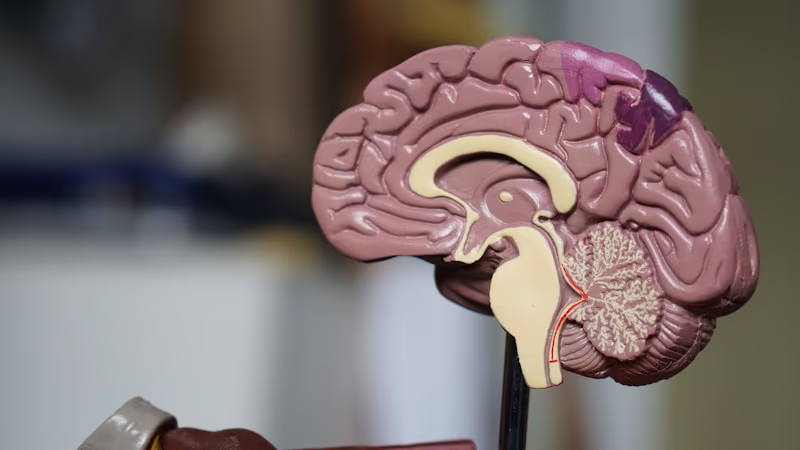

If you're noticing your hearing isn't what it used to be — struggling to follow conversations in noisy restaurants, asking people to repeat themselves more often, or turning the TV volume higher each year — you've probably wondered whether supplements can help. The hearing supplement market has exploded in recent years, with dozens of products claiming to support auditory health. But do they actually work? The answer requires nuance. No supplement can regenerate destroyed hair cells in the cochlea (once they're gone, they're gone in humans). But certain ingredients have legitimate research showing they can protect remaining hearing, slow further decline, and even improve hearing function in specific circumstances.
The Biology of Hearing Loss: What Supplements Can (and Cannot) Do
Hearing depends on delicate hair cells in the cochlea that convert sound vibrations into electrical signals. These cells can be damaged by noise exposure, aging, oxidative stress, reduced blood flow, inflammation, and certain medications. Unlike birds and fish, humans cannot regenerate cochlear hair cells once they're destroyed. This means hearing supplements can't reverse permanent hearing loss caused by hair cell death. What they can potentially do is protect surviving hair cells from further damage, improve blood flow to the cochlea, reduce inflammation in auditory structures, and support the neural pathways that process sound. For many people, these mechanisms can translate into meaningful improvements in hearing clarity and quality.
Ingredients With Genuine Research Behind Them
N-Acetyl Cysteine (NAC)
NAC is one of the most promising ingredients for hearing protection. It's a precursor to glutathione — your body's most powerful endogenous antioxidant. Oxidative stress is a primary driver of both noise-induced and age-related hearing loss, as free radicals damage the delicate structures of the inner ear. Research published in Hearing Research demonstrated that NAC administration before and after noise exposure significantly reduced cochlear hair cell death in animal models. A human study published in the International Journal of Audiology found that NAC reduced temporary threshold shifts (temporary hearing loss) after noise exposure. The evidence is strongest for prevention — taking NAC before known noise exposure — but ongoing supplementation may also provide cumulative protection for the cochlea.
Magnesium
Magnesium's role in hearing protection centers on its ability to block excitotoxicity. When inner ear hair cells are stressed, they release excessive amounts of glutamate, which overexcites and damages neighboring neurons. Magnesium acts as a natural NMDA receptor antagonist, blocking this toxic cascade. Military research has been particularly compelling. A study in the American Journal of Otolaryngology found that soldiers given magnesium supplements during weapons training experienced significantly less noise-induced hearing loss and tinnitus compared to those receiving placebo. The evidence is strong enough that some military programs now include magnesium supplementation in hearing conservation protocols.
Ginkgo Biloba
Ginkgo Biloba improves blood circulation to the cochlea, which is critical for maintaining hair cell function and delivering nutrients to the inner ear. The cochlea depends on a single small artery for its blood supply, making it particularly vulnerable to circulatory problems. Reduced cochlear blood flow is a significant factor in age-related hearing decline. Multiple studies have shown that standardized Ginkgo extract can improve hearing outcomes, particularly in cases where circulatory dysfunction contributes to hearing loss. A study published in the journal Auris Nasus Larynx found improvements in hearing thresholds in patients with sudden sensorineural hearing loss who received Ginkgo alongside standard treatment.
Zinc
Zinc is found in remarkably high concentrations in the cochlea, particularly in the organ of Corti where sound detection occurs. This concentration suggests zinc plays an important role in auditory function. Zinc deficiency — common in adults over 60 — has been associated with accelerated hearing decline and increased tinnitus severity. Research in Otology and Neurotology showed that zinc supplementation improved hearing recovery in patients with sudden sensorineural hearing loss. For people with adequate zinc levels, additional supplementation may not help — but given the prevalence of subclinical deficiency in older adults, it's a worthwhile consideration.
Antioxidant Combinations (Vitamins C, E, and Beta-Carotene)
A study in the Journal of Nutrition found that higher dietary intake of beta-carotene and vitamin C was associated with better hearing thresholds in older adults. The mechanism is straightforward: antioxidants neutralize free radicals that would otherwise damage cochlear structures. What's interesting is that combinations of antioxidants appear to be more effective than any single antioxidant alone, because different antioxidants work in different cellular compartments and against different types of oxidative stress. This is why the best hearing supplements tend to include multiple antioxidant compounds rather than relying on just one.
Hearing Supplements We've Reviewed
Several hearing health supplements combine these evidence-backed ingredients into comprehensive formulas. Here's a quick overview of the products we've analyzed in depth:
Audifort uses a liquid format combining Ginkgo Biloba, GABA, and Green Tea extract. The liquid delivery may offer superior absorption. Users report improvements in hearing clarity and tinnitus reduction after 60+ days. Rating: 4.2/5. NeuroQuiet takes a spray approach targeting both auditory and cognitive function, recognizing the strong brain-ear connection. Rating: 4.2/5. Quietum Plus focuses specifically on the neural pathways involved in hearing processing. Rating: 4.1/5. RingZen6 offers a powder formula with 20+ ingredients for broad-spectrum hearing support. Rating: 4.0/5. EchoXen provides sublingual liquid drops for rapid absorption. Rating: 4.0/5.
Who Might Benefit Most From Hearing Supplements
- Adults over 50 experiencing gradual age-related hearing decline
- People regularly exposed to noise (musicians, construction workers, frequent concert-goers)
- Those with tinnitus who want to reduce ringing intensity
- People with risk factors for hearing loss (diabetes, cardiovascular disease, family history)
- Anyone wanting to proactively protect their hearing before problems develop
- People whose hearing tests show mild-to-moderate loss who want to slow further decline
What Supplements Cannot Do
It's important to be clear about limitations. No supplement can restore hearing that has been lost due to permanent hair cell destruction. Severe or sudden hearing loss requires medical evaluation and potentially intervention such as hearing aids or cochlear implants. Supplements should not be used as a substitute for hearing protection in noisy environments — earplugs remain essential. And any product claiming to 'cure' hearing loss should be viewed with extreme skepticism. For more on this topic, see our article on whether hearing loss can be reversed.
The Bottom Line
Hearing loss supplements do work — within realistic boundaries. They can't regenerate destroyed hair cells, but they can protect remaining auditory structures, improve cochlear blood flow, reduce oxidative damage, and support neural processing of sound. Ingredients like NAC, magnesium, Ginkgo Biloba, zinc, and antioxidant combinations have genuine published research supporting their roles in auditory health. The best results come from starting supplementation early (before severe loss occurs), taking products consistently for 60-90 days, and combining supplementation with hearing protection and a hearing-healthy diet. Your hearing is worth protecting — and the right supplement can be a meaningful part of that protection strategy.
Looking for Hearing Health supplements?
Our experts have reviewed and compared the top hearing health supplements to help you find the right one.
See our expert comparisonFrequently Asked Questions
Can supplements restore hearing that's already lost?
Supplements cannot regenerate destroyed cochlear hair cells in humans. However, they can protect surviving hair cells, improve cochlear blood flow, and support neural auditory processing — which may result in improved hearing clarity even if hearing thresholds don't change on a test. They're most effective for slowing further decline and protecting what you have.
How long do hearing supplements take to work?
Most hearing health supplements require 60-90 days of consistent daily use before meaningful results. The biological mechanisms — improved cochlear blood flow, reduced oxidative stress, and enhanced neural function — operate gradually. Some users notice improvements in tinnitus or hearing clarity sooner, but patience is important.
Are hearing supplements safe to take with hearing aids?
Yes. Hearing supplements work internally to support auditory health, while hearing aids work externally to amplify sound. There's no known interaction between the two, and using both simultaneously addresses hearing challenges from complementary angles.
Should I see a doctor before taking hearing supplements?
If you're experiencing sudden hearing loss, hearing in only one ear, or hearing loss accompanied by dizziness or pain, see a doctor before trying supplements. These symptoms can indicate treatable medical conditions. For gradual age-related decline, supplements are a reasonable first step, but a baseline hearing test from an audiologist is always a good idea.
Stay informed on hearing health
Get honest supplement reviews and research-backed tips for better hearing.
No spam. Unsubscribe anytime.